The AI glasses race is seriously heating up in fall 2026 with yet another new brand, but this one is doing something no one else has done so far. Vonder, a new company from the folks behind Viture and Oura, showed me its new line of intelligent eyewear that's coming to Best Buy shelves in just a few weeks, with preorders starting on September 28.
Vonder sets itself apart by ditching the camera, a piece that's become a privacy nightmare for some smart glasses, and instead uses a combination of bone conduction sensors, powerful speakers, and seriously intelligent AI to create a totally different experience.
Instead of capturing moments in photos or videos, Vonder Intelligent Eyewear captures all the thoughts you (and only you) have spoken out loud throughout the day and turns them into searchable, actionable information. It's a similar concept to MemoMind One, but with a far more private experience and more mature software, and they're going to be a huge hit if my time with them is any indication.
A chat with the founders
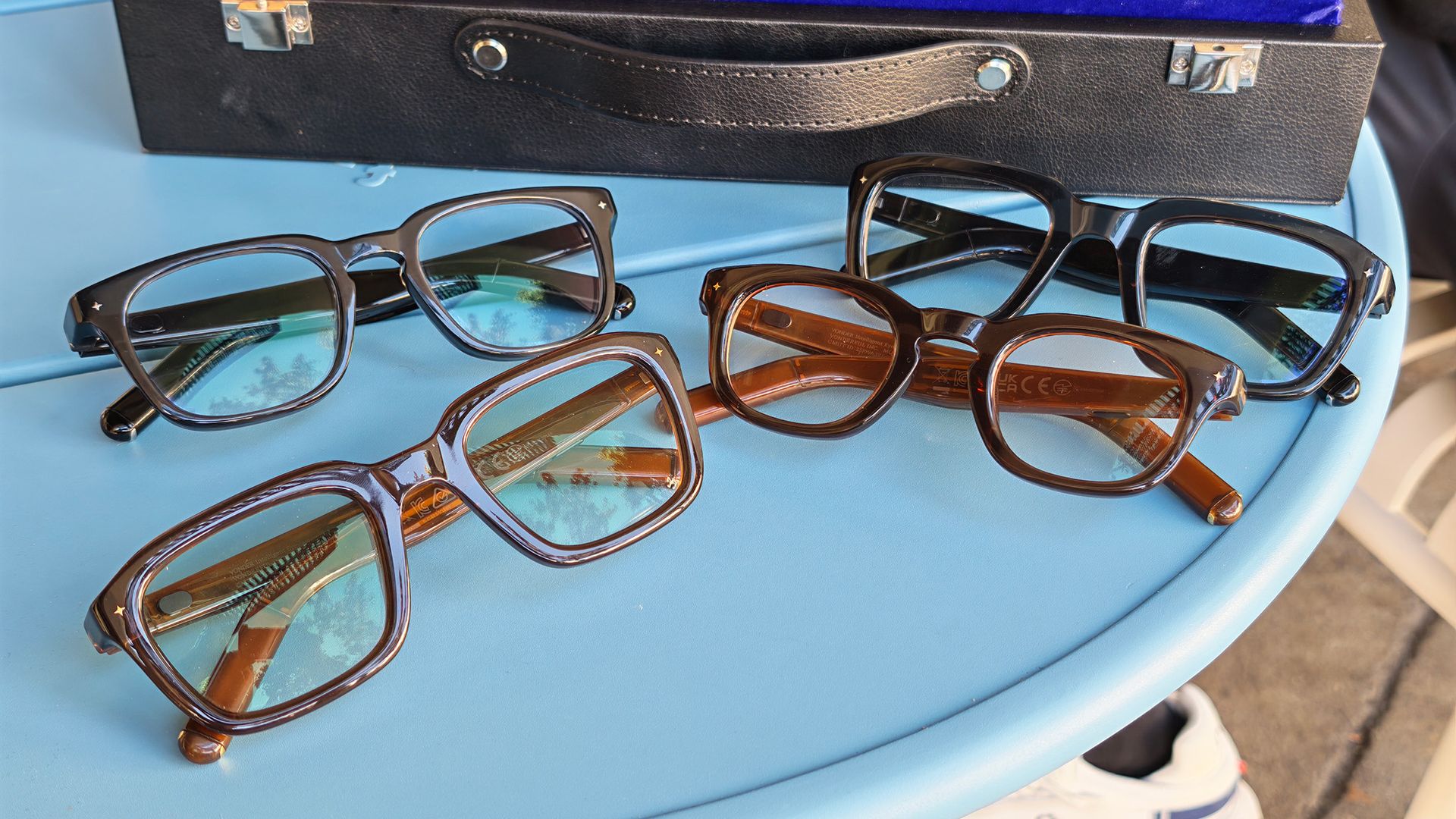
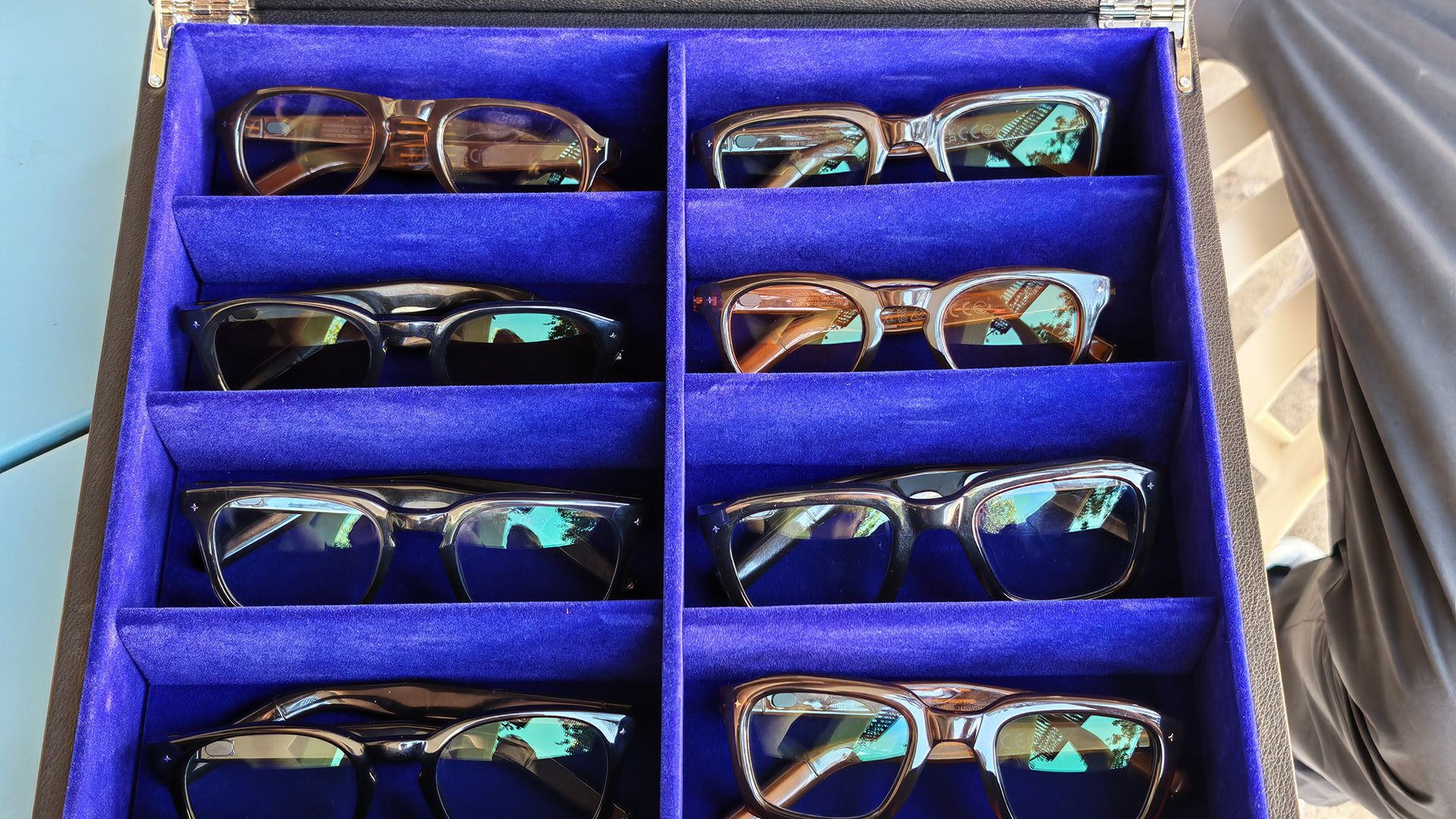
I spent just over two hours chatting with two of Vonder's three founders, Emily Wang and David Jiang, on a Monday afternoon in Palo Alto. The duo showed up with a briefcase full of Vonder glasses, showcasing a blend of every glasses style the company offers.
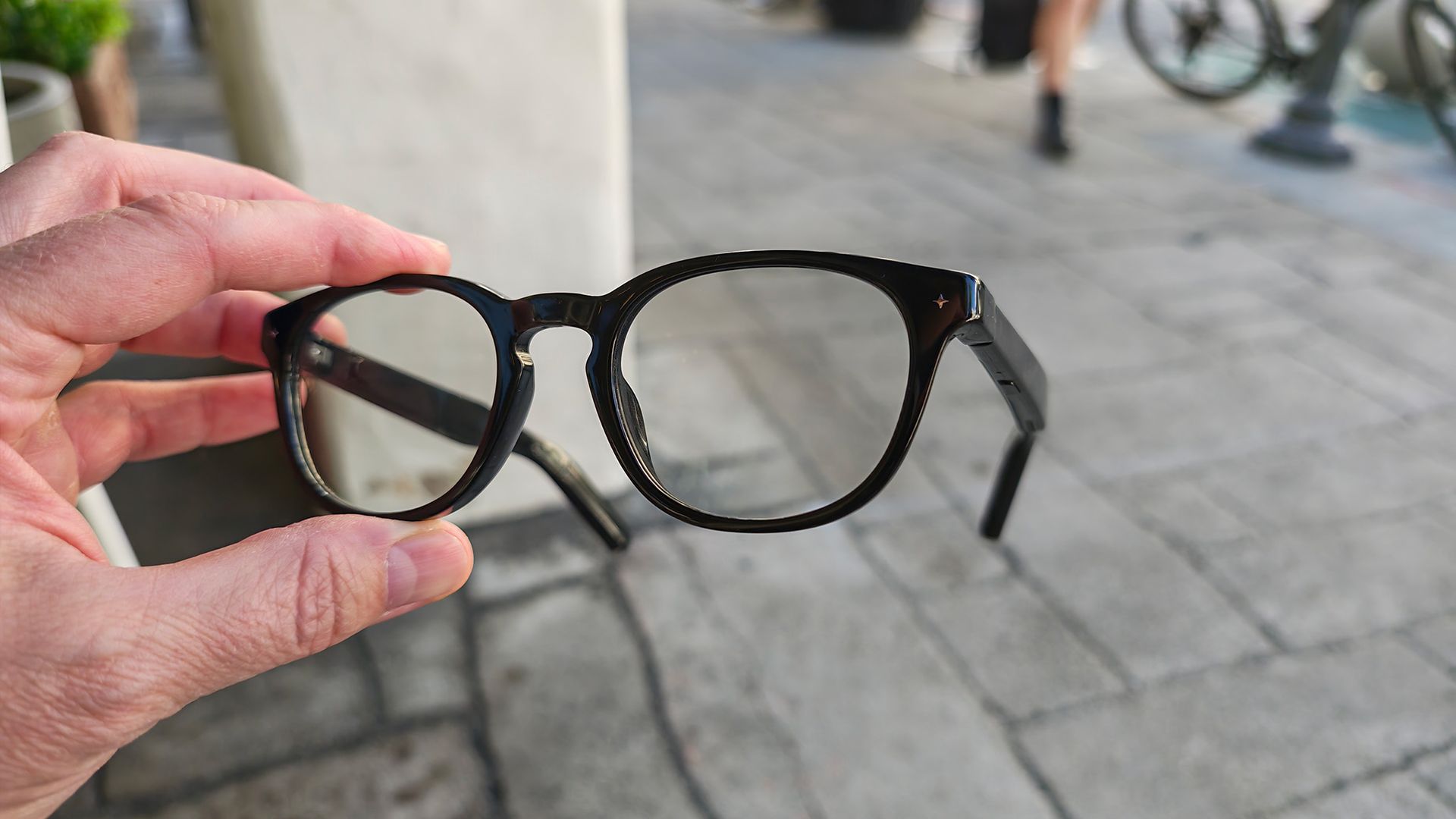
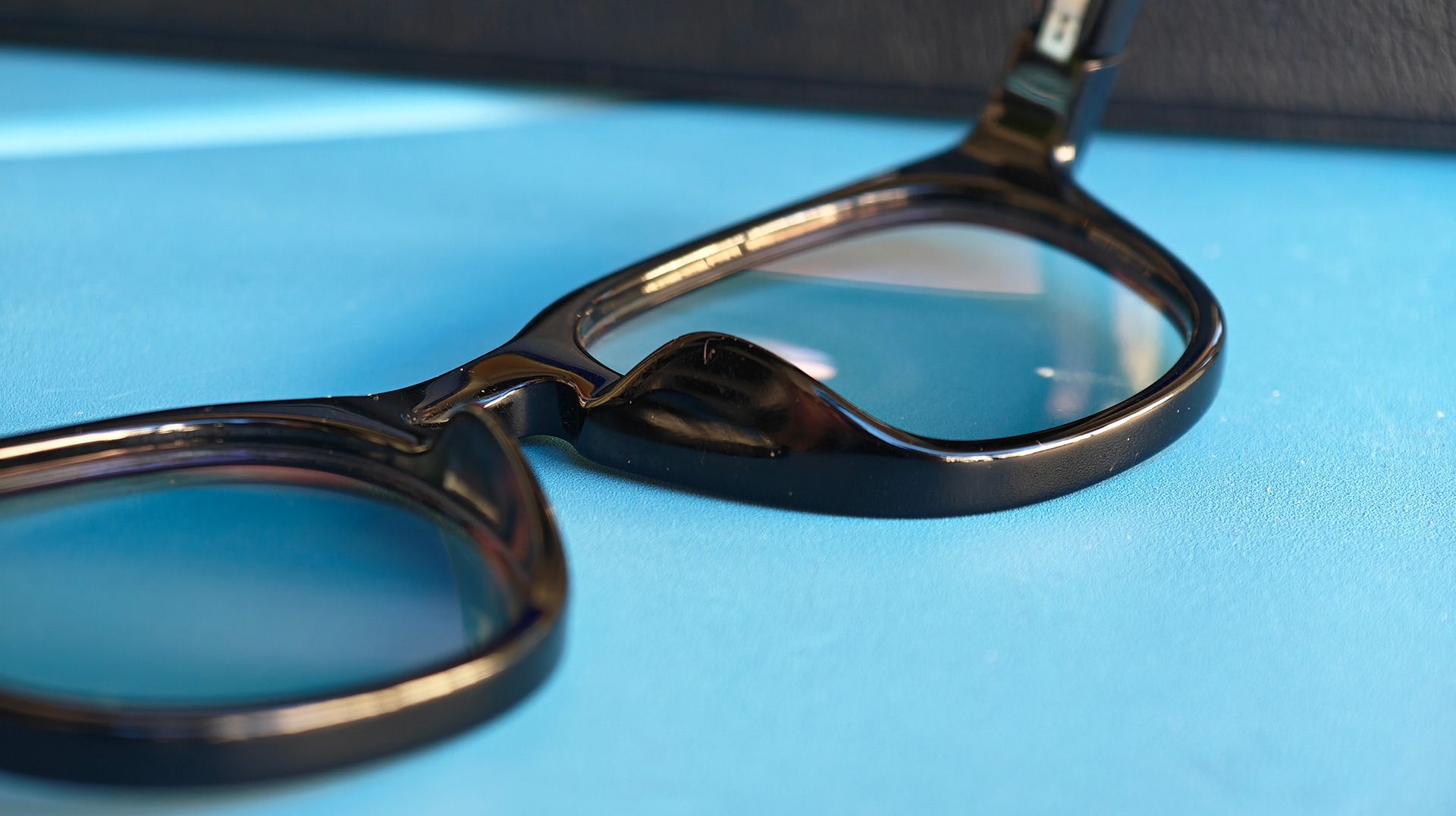
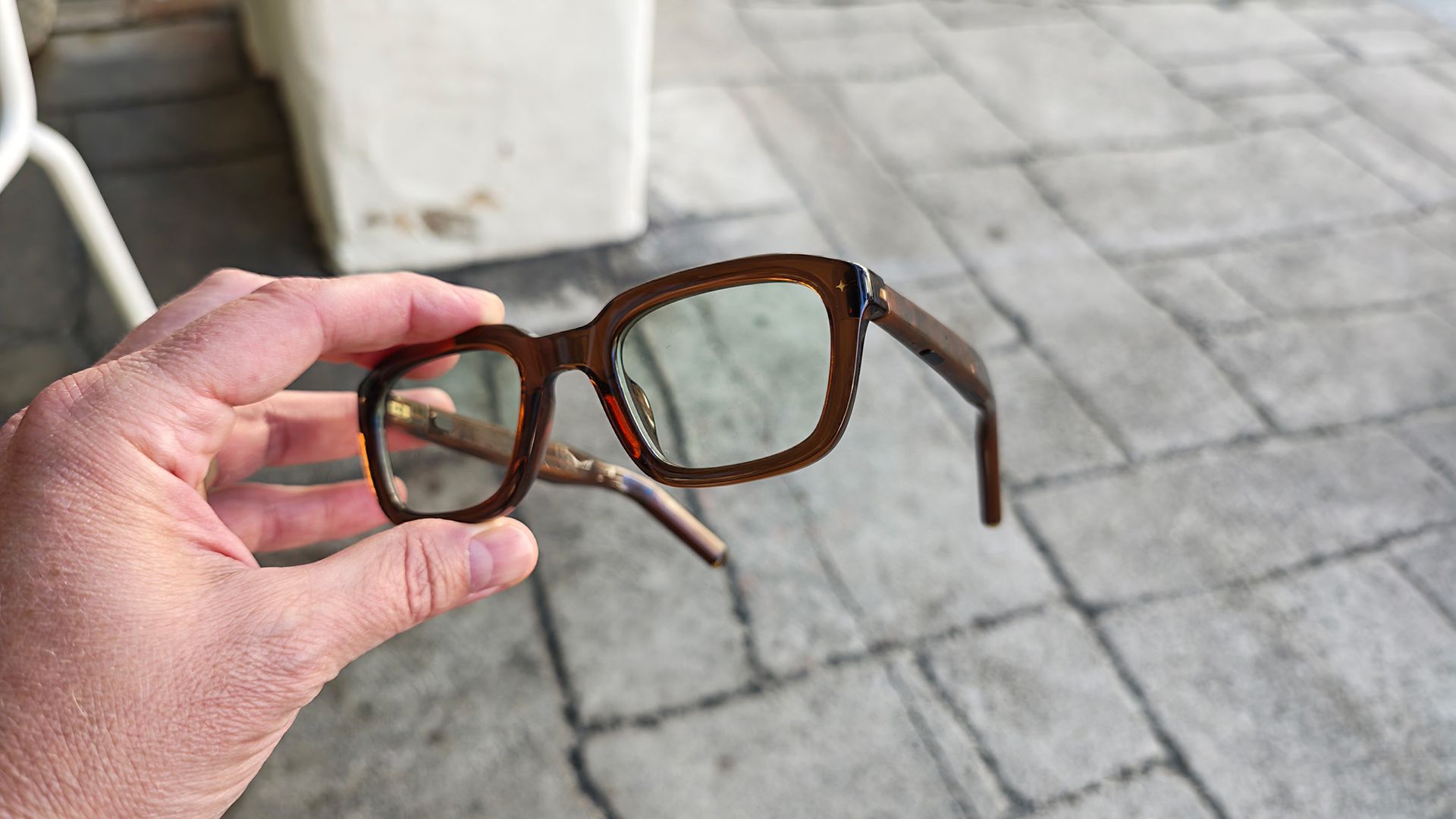
As they talked to me about their latest product, Emily, who co-founded Viture (some of the best smart glasses), pointed out that David was wearing the style I had just picked up, something I hadn't noticed at all because the glasses looked so normal. Even Ray-Ban Metas are a tad thicker than a normal pair of Ray-Bans, but these glasses had totally fooled me, and that's just the start of where Vonder got things right.
At just 30g, these glasses are by far the lightest smart glasses I've worn to date, making them the same weight as a normal prescription pair. It's the moment I've been waiting for, and I know a lot of other people have, as well.
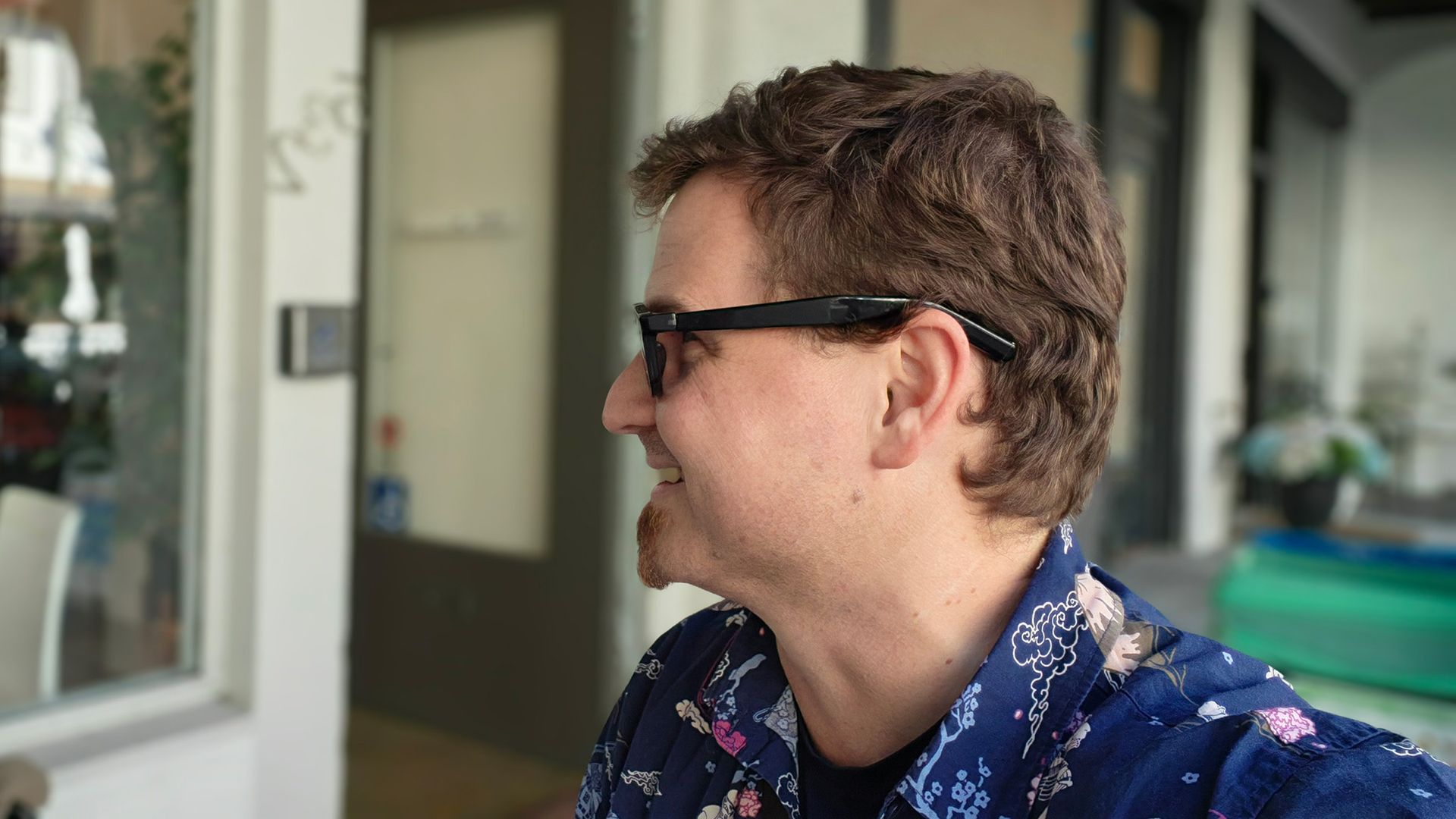


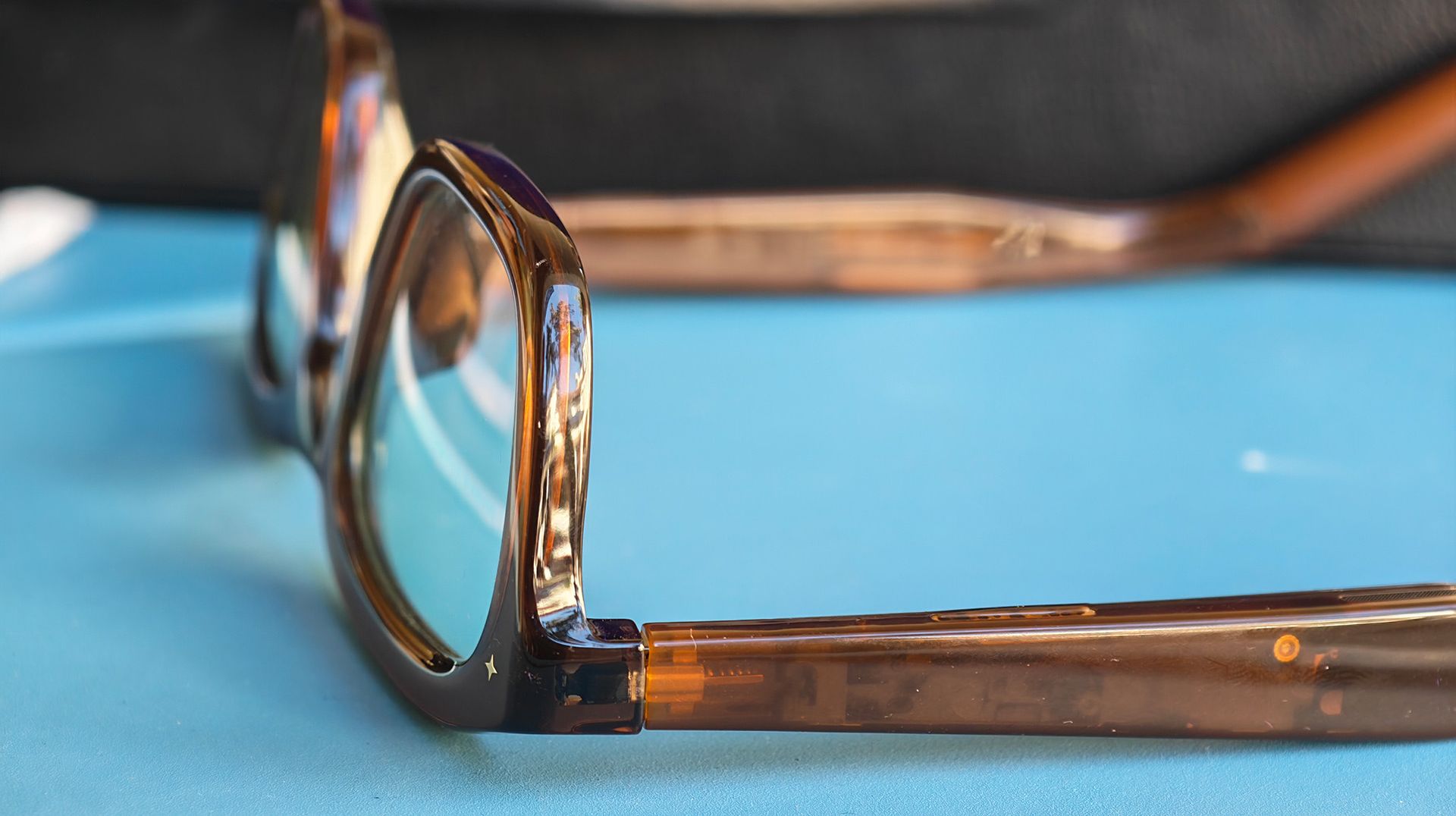
But what good are smart glasses without a camera? Here's where the paradigm shift comes in. Instead of capturing moments in the form of photos and video, Vonder Intelligent Eyewear captures your thoughts as you speak them out loud via a clever bone conduction sensor located at the end of the temples, before the curved temple tips.
This ensures that other people around you aren't recorded without their consent. Consent is the biggest problem with smart glasses today, and Vonder's clever design goes a long way to solving it. You can even permanently delete all your data with one tap in the app if you want to.
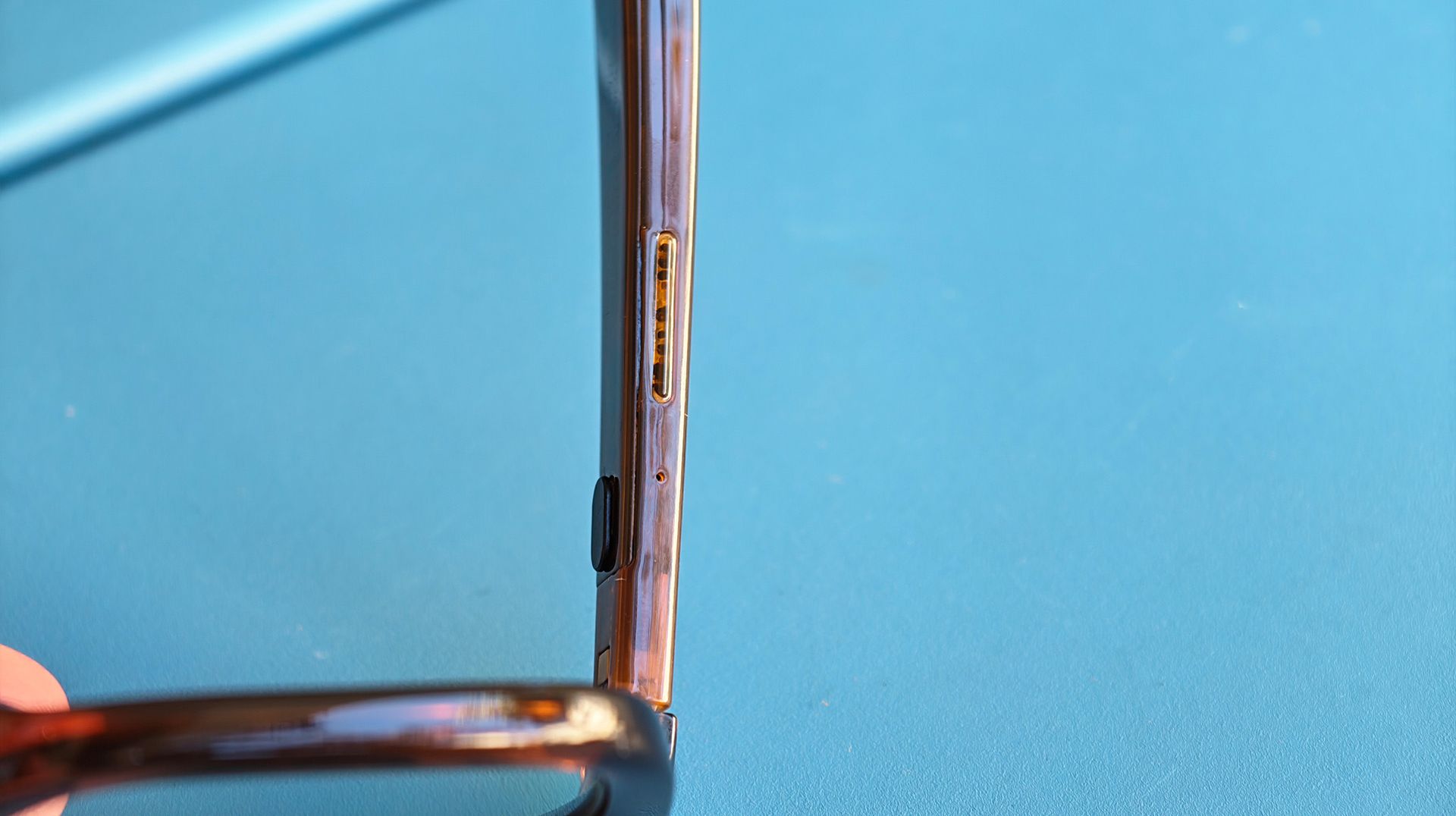
The glasses have two switches onboard plus a tactile raised touchpad on the underside of the right temple. One switch is a power switch, while the other is a "meeting mode" switch. This second one switches the glasses' recording function from bone conduction to four microphones located on the temples: two forward and two downward.
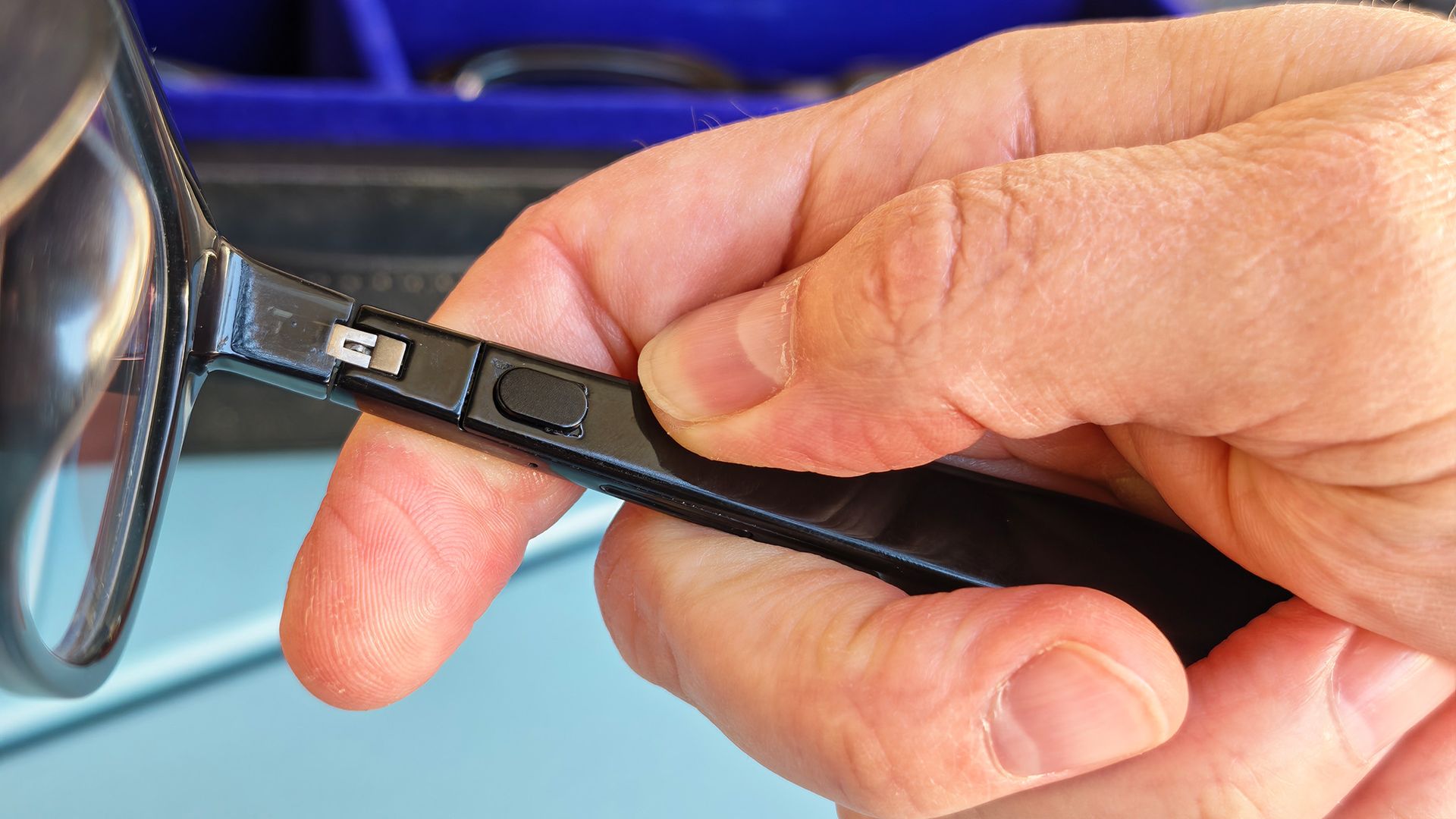
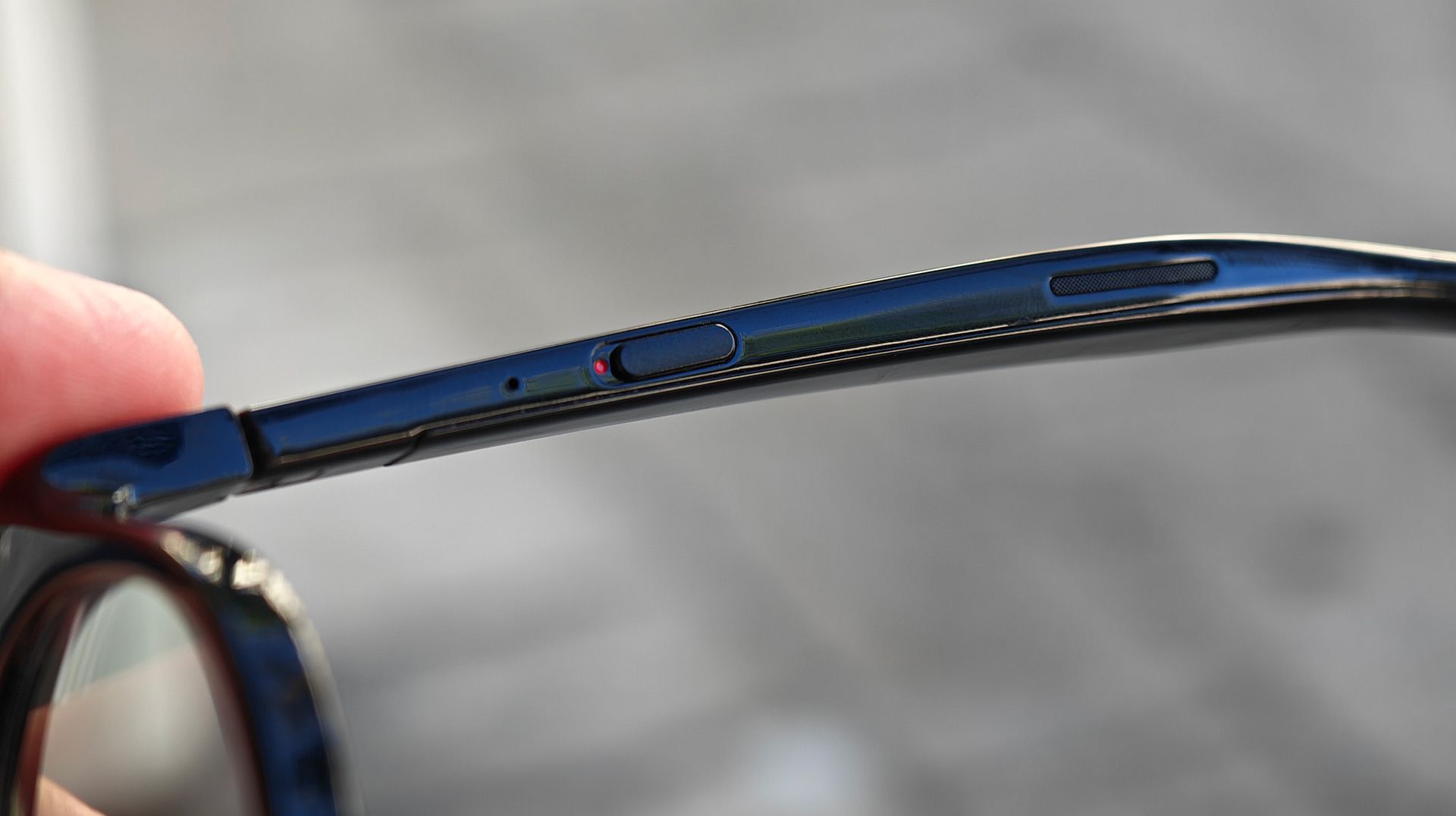
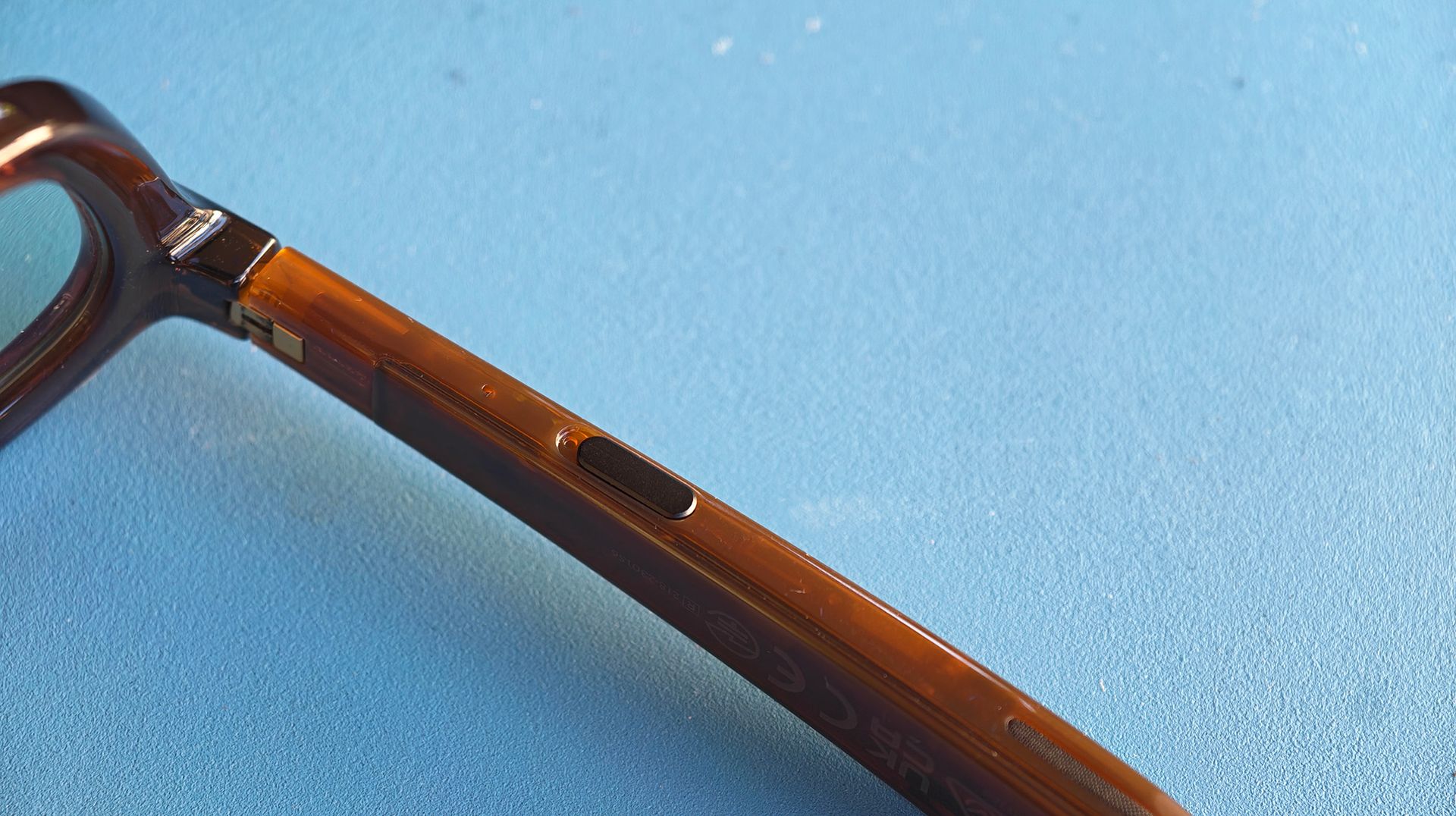
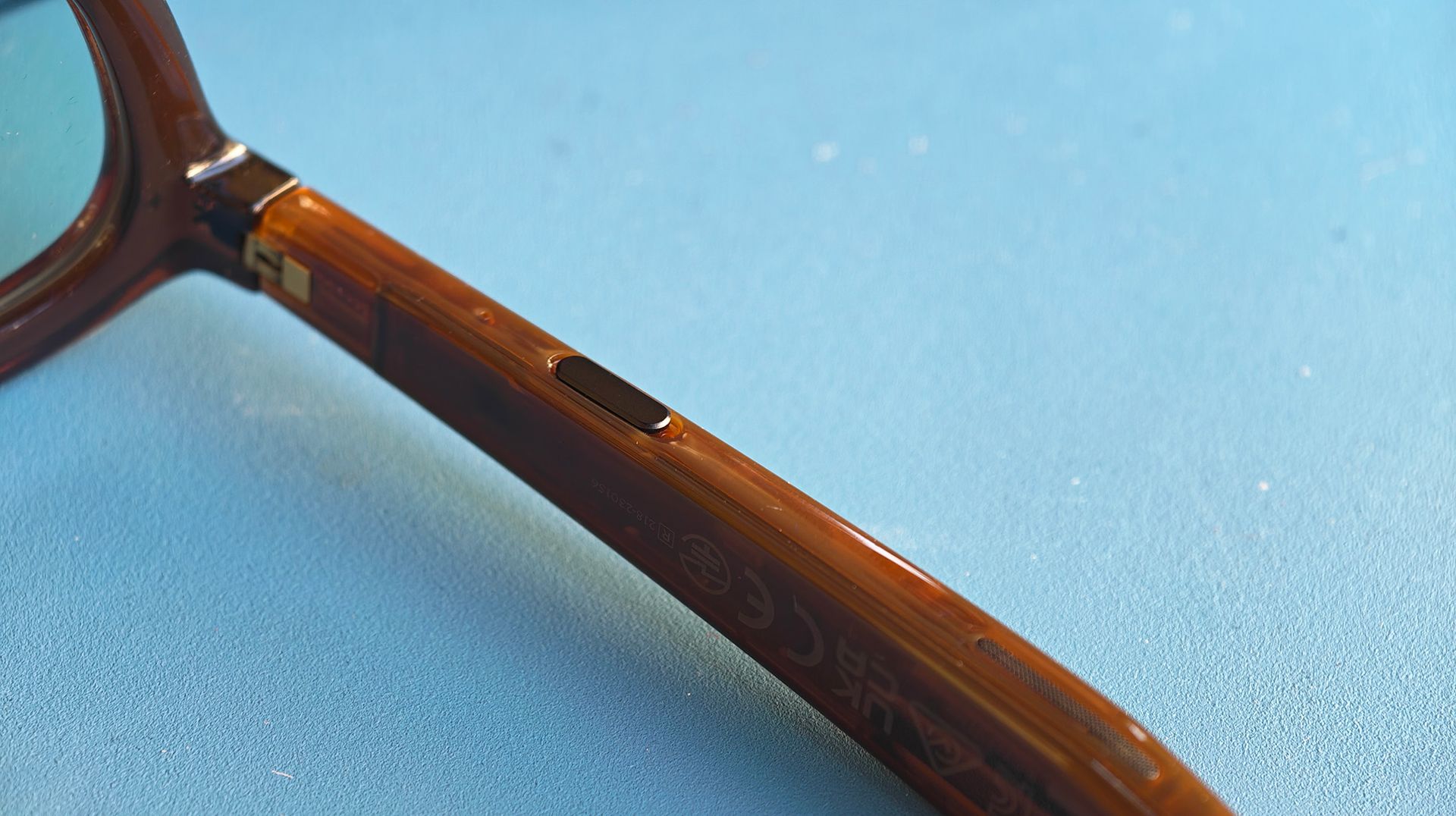
This mode is intended to be used only for recording meeting notes or other conversations that are important and is paired with a tamper-proof bright blue LED on the side. Start recording, and it immediately illuminates. Flip the switch, and it turns off. Audio is deleted the moment it's transcribed.
Vonder's AI platform soaks in all the data and turns it into actionable items and summaries. Full conversations — whether they're just your thoughts or the entire meeting room's — are not available at any time. "Notes, not recordings," is one of Vonder's key tenets for ensuring privacy, and it seems to work impressively well in the two hours I spent talking to Emily and David.
The Vonder app and web platform store all these notes for future reference, allowing you to search your memories at any time. It's a full AI agent that's powered by every major AI platform to date, including ChatGPT, Gemini, you name it, so you know it works well.
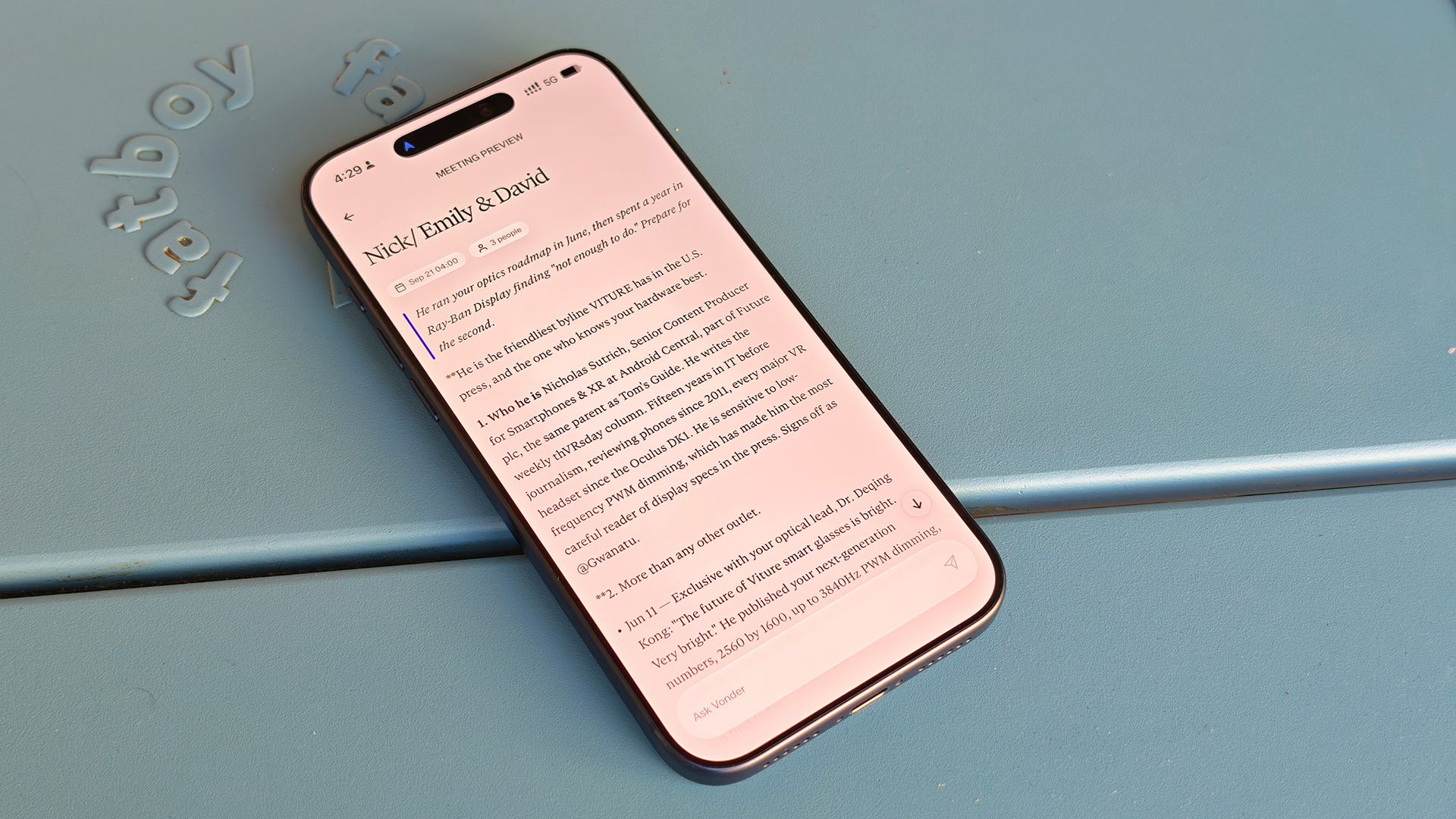
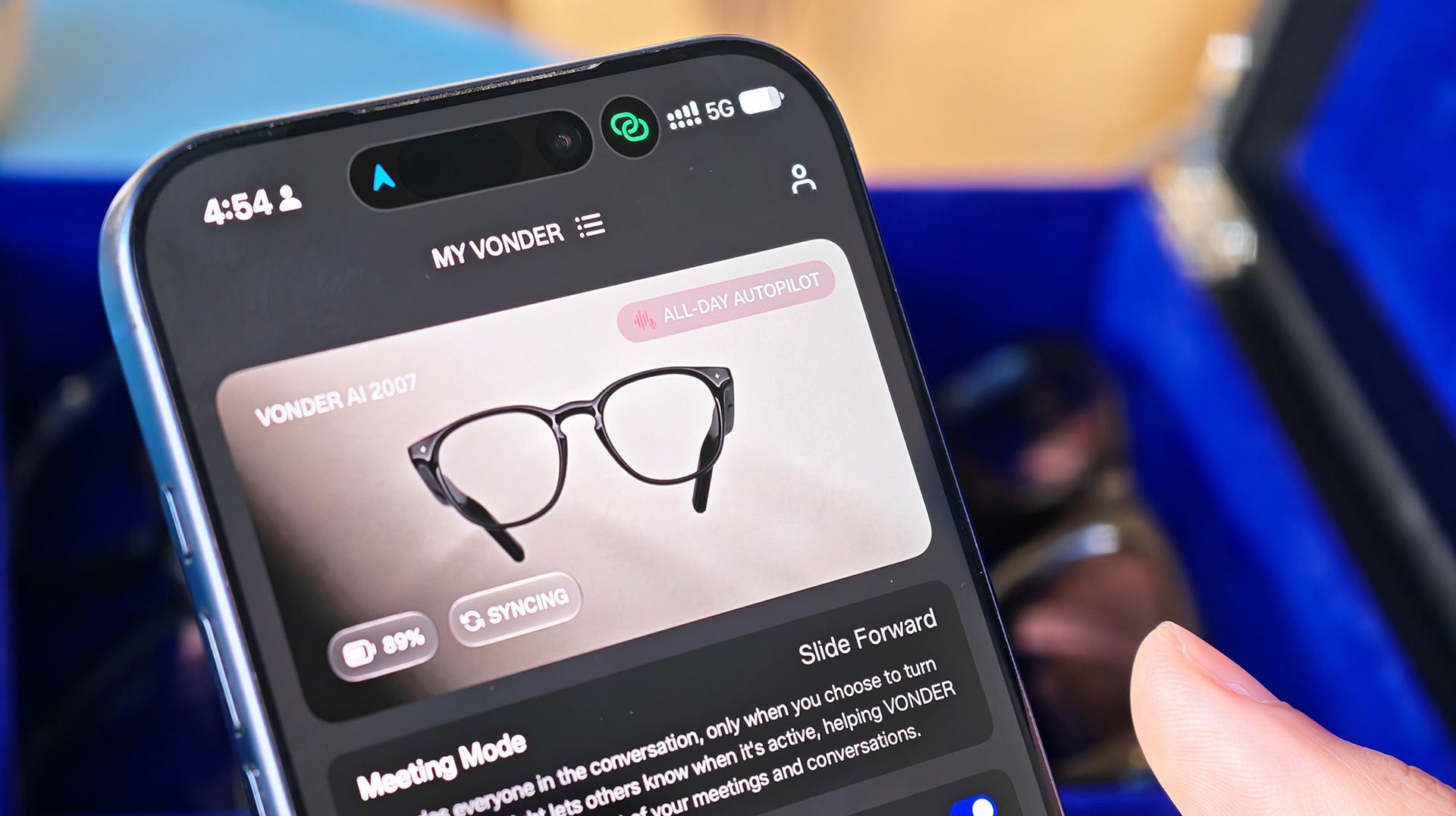
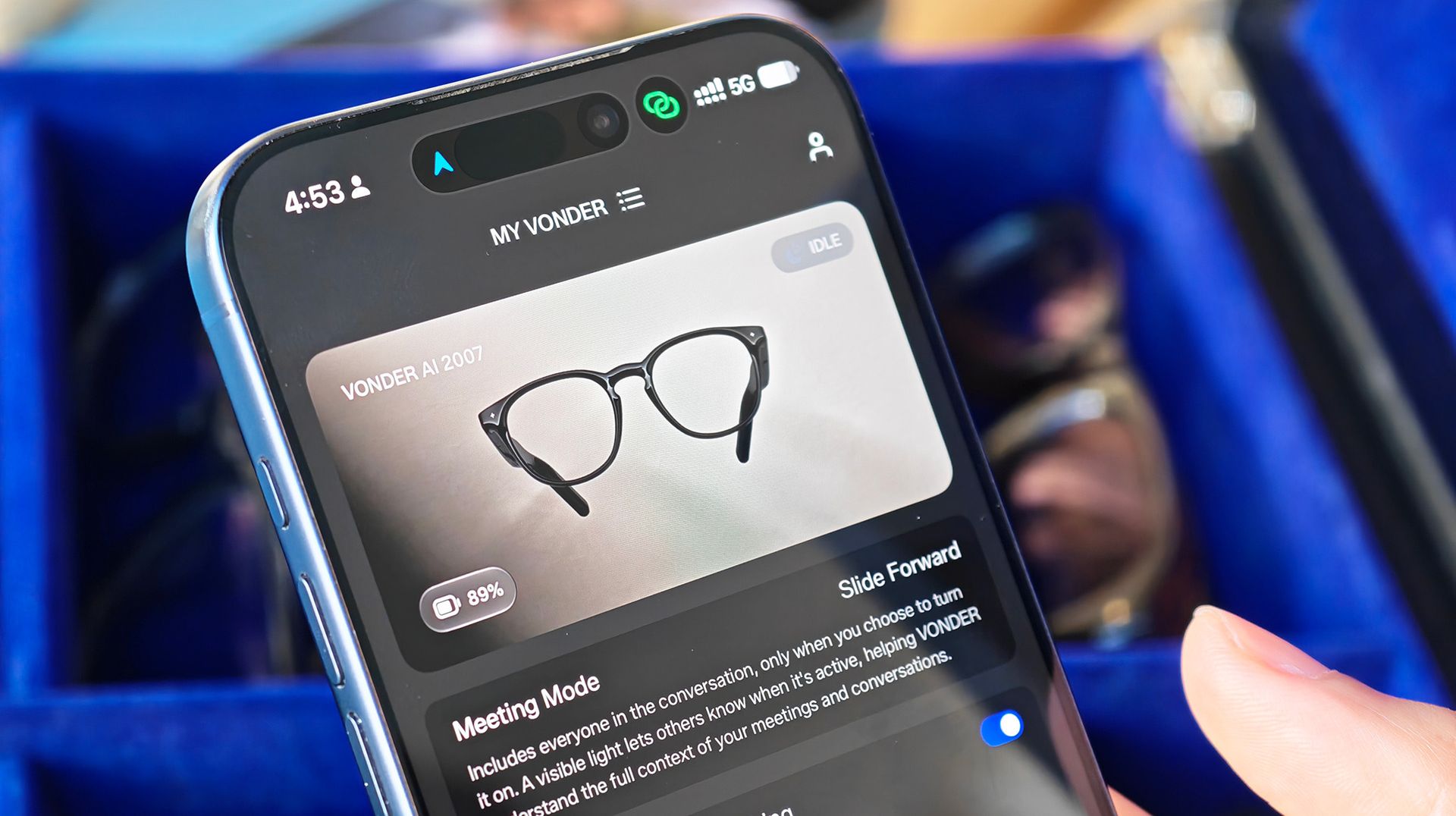
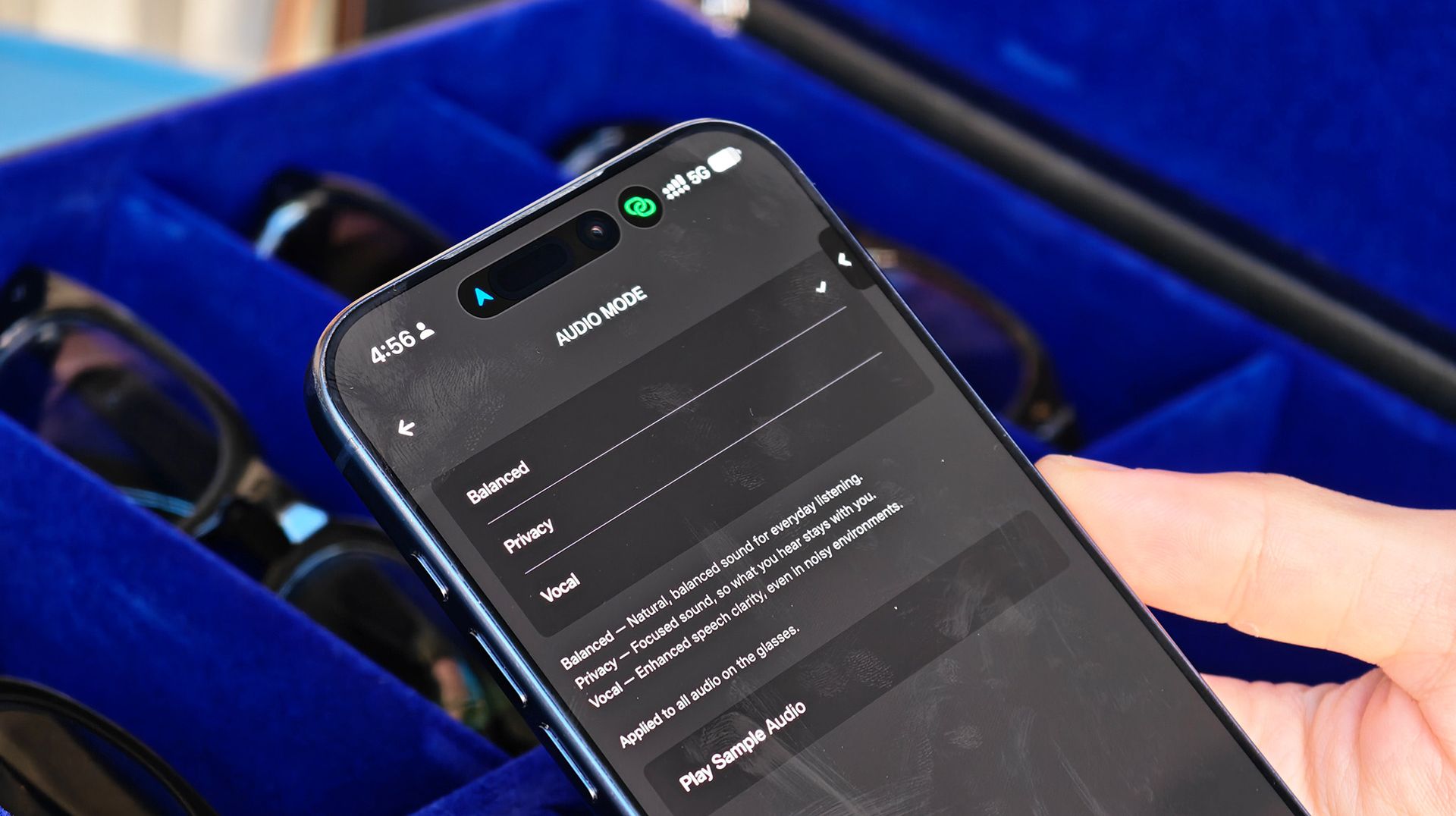
The service sports a unique 3D knowledge cloud that links common topics you talk about. Everything is not only searchable when you need it, but also proactive. That means when you search using Vonder, it doesn't just come up with the same information that ChatGPT or Gemini would; it also adds your memories into the mix.
Vonder AI can even be connected to your Google account, letting it parse details from there. David showed me his AI-generated daily digest, which included a "know before you go" summary of my bio and articles I've published about Viture, all pulled from the calendar entry for u
It's the sort of personalized "superintelligence" that we've heard Google, Meta, and others talk about, and it's made possible by a pair of ordinary-looking glasses you'll want to wear all day.
Less looking down, more looking forward
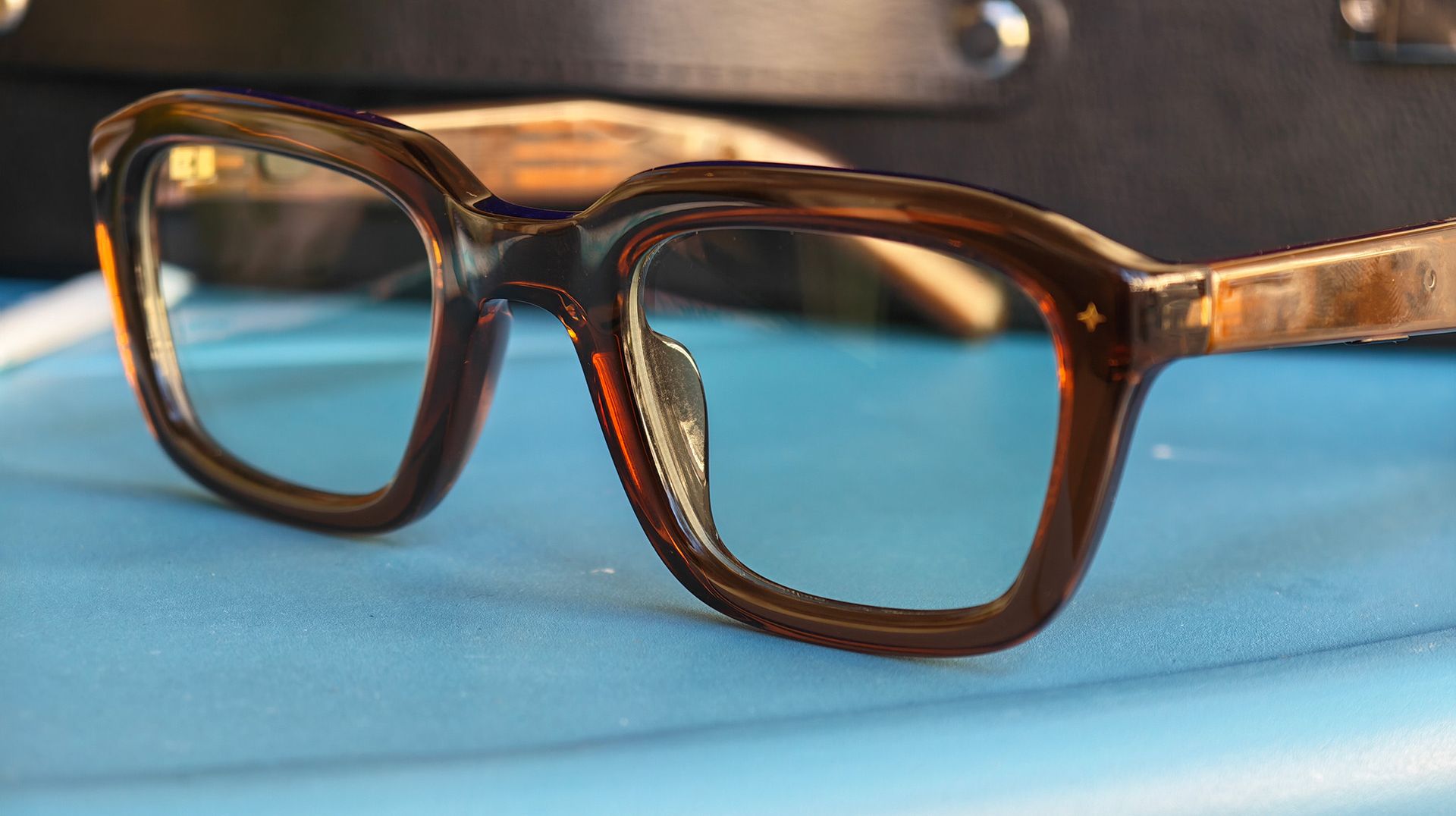
As David Jiang was telling me this, he made it a point to highlight the brand's blend of fashion and tech roots. Emily Wang, who was also at the table, previously worked for The RealReal and NEIWAI. The company's other co-founder, Guillaume Hamon, comes from Rivian and Oura, while David himself hails from Google.
Vonder features European design, comes in six different styles, three different colors, two sizes for each style, and a boatload of different lens and color combinations for all of them. Unlike Meta's somewhat confusing product lineup, which features a mishmash of colors and style options unique to each line, everything Vonder makes is available in the style you want.
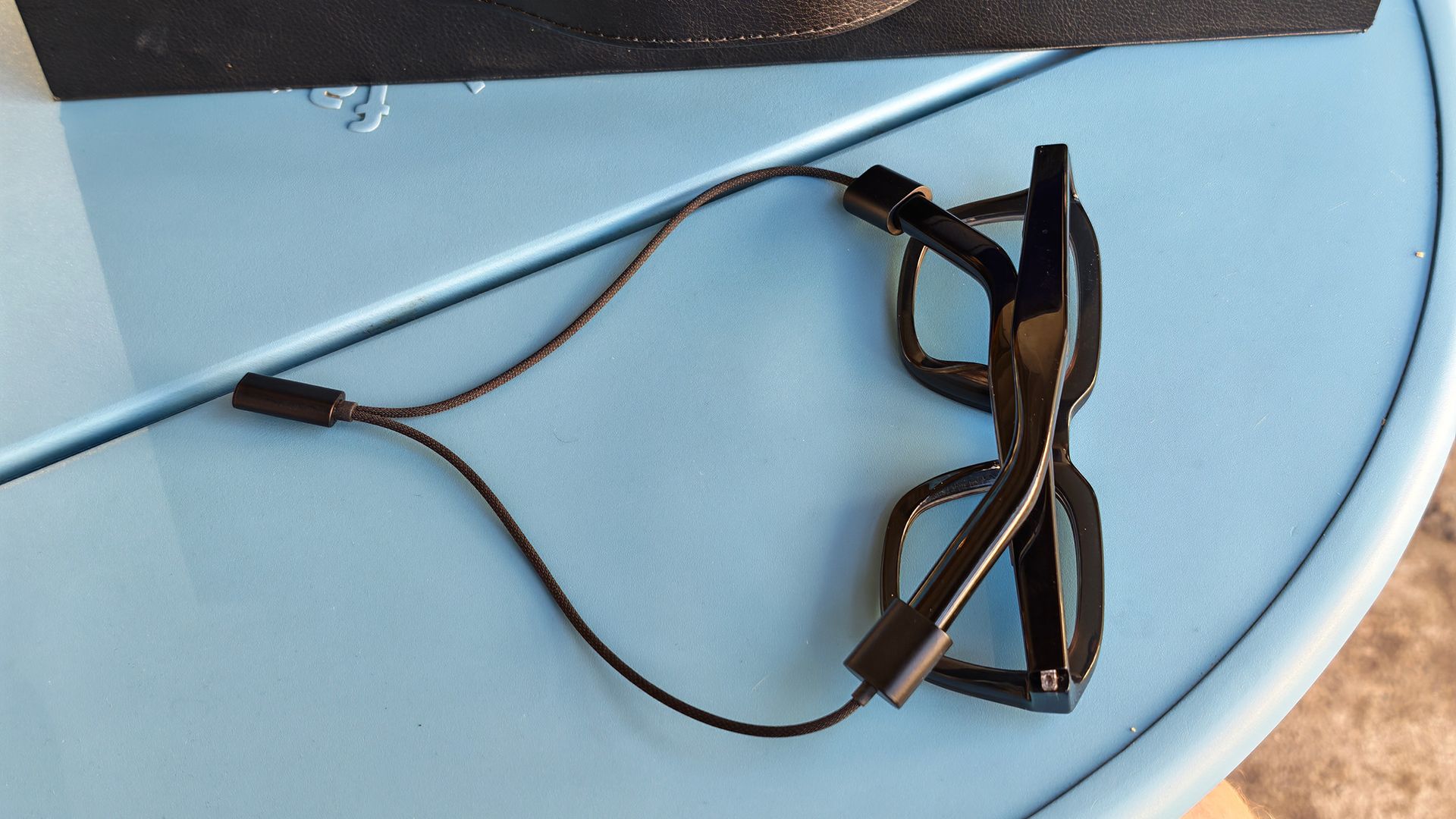
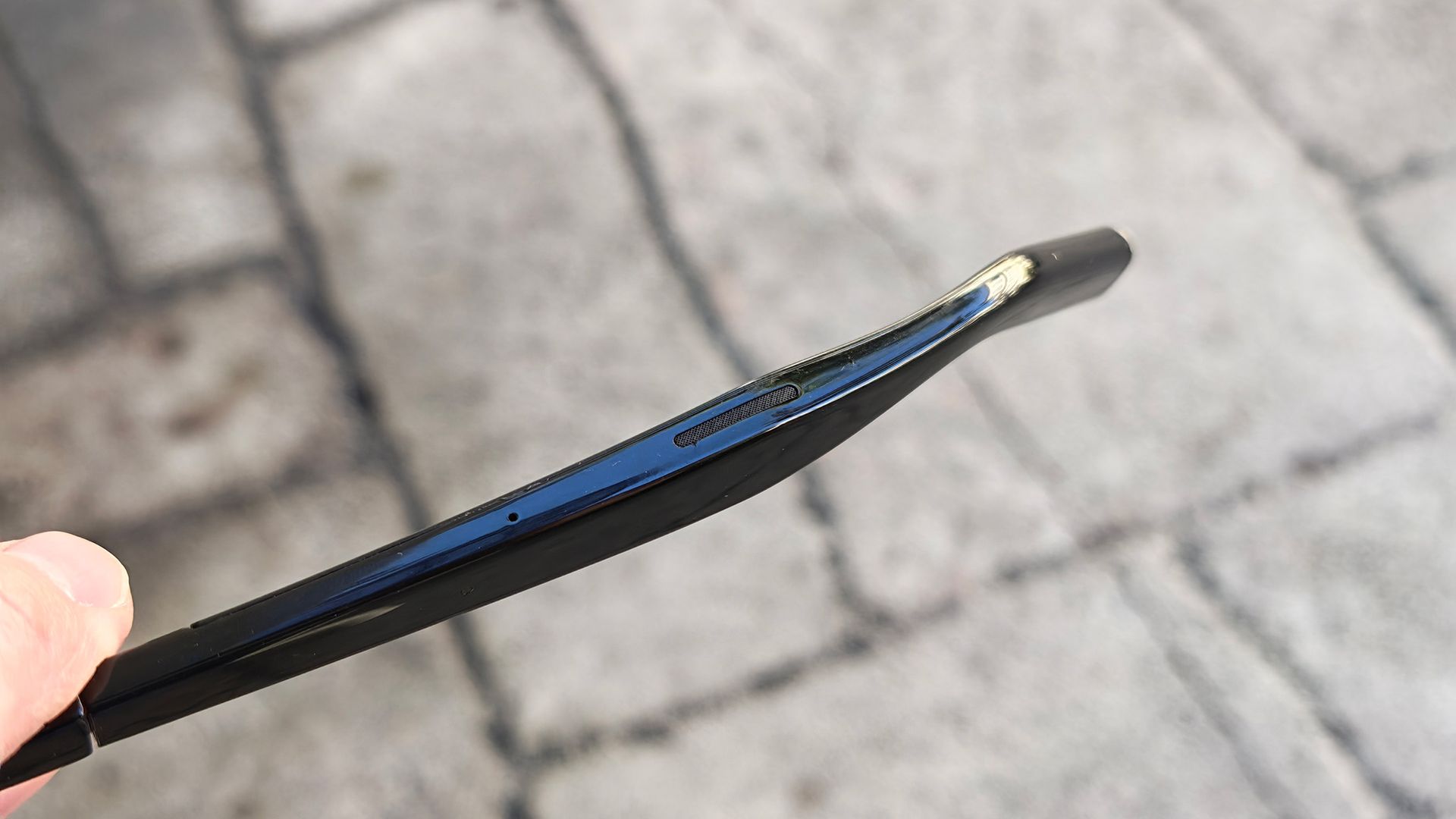
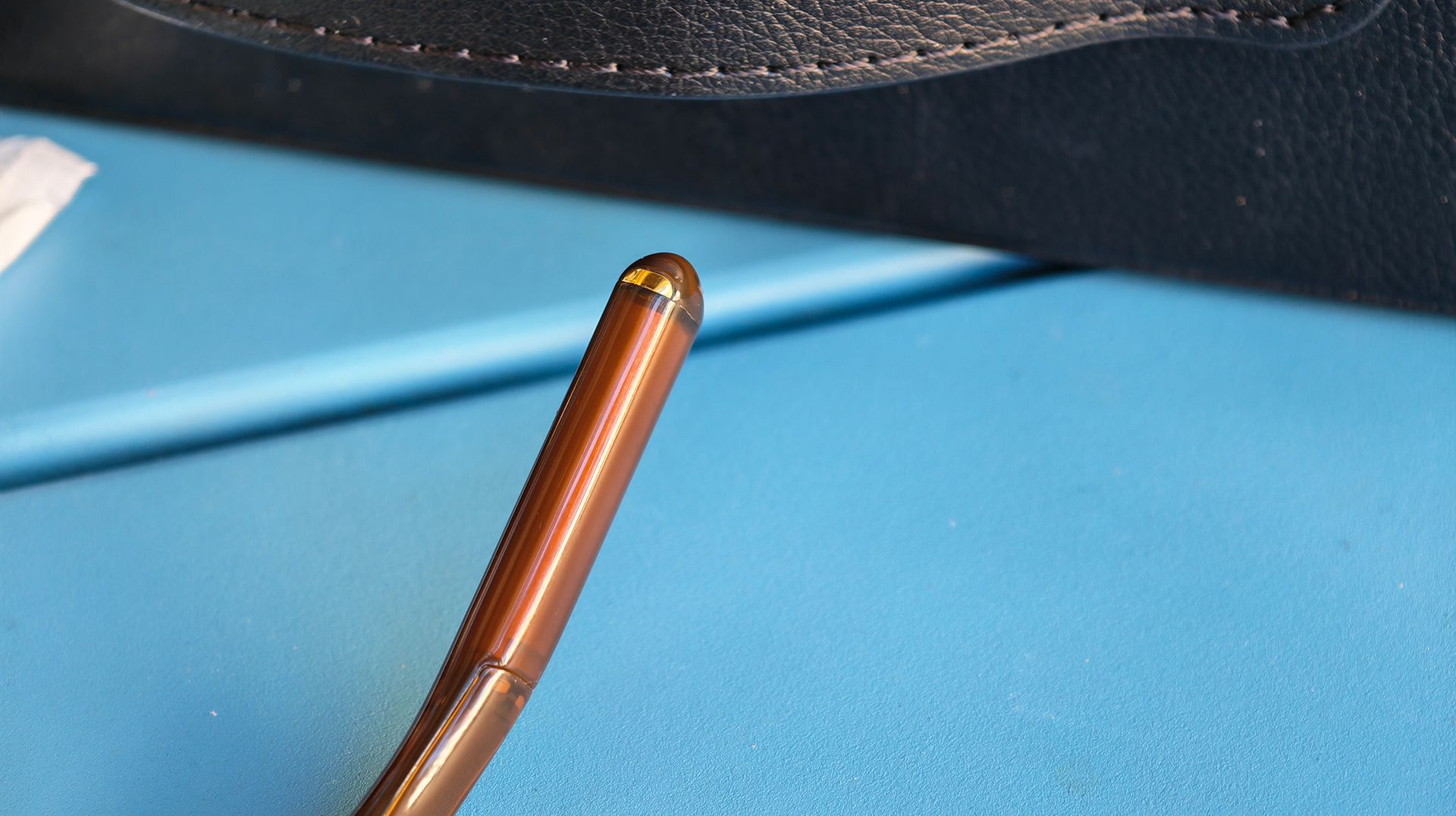
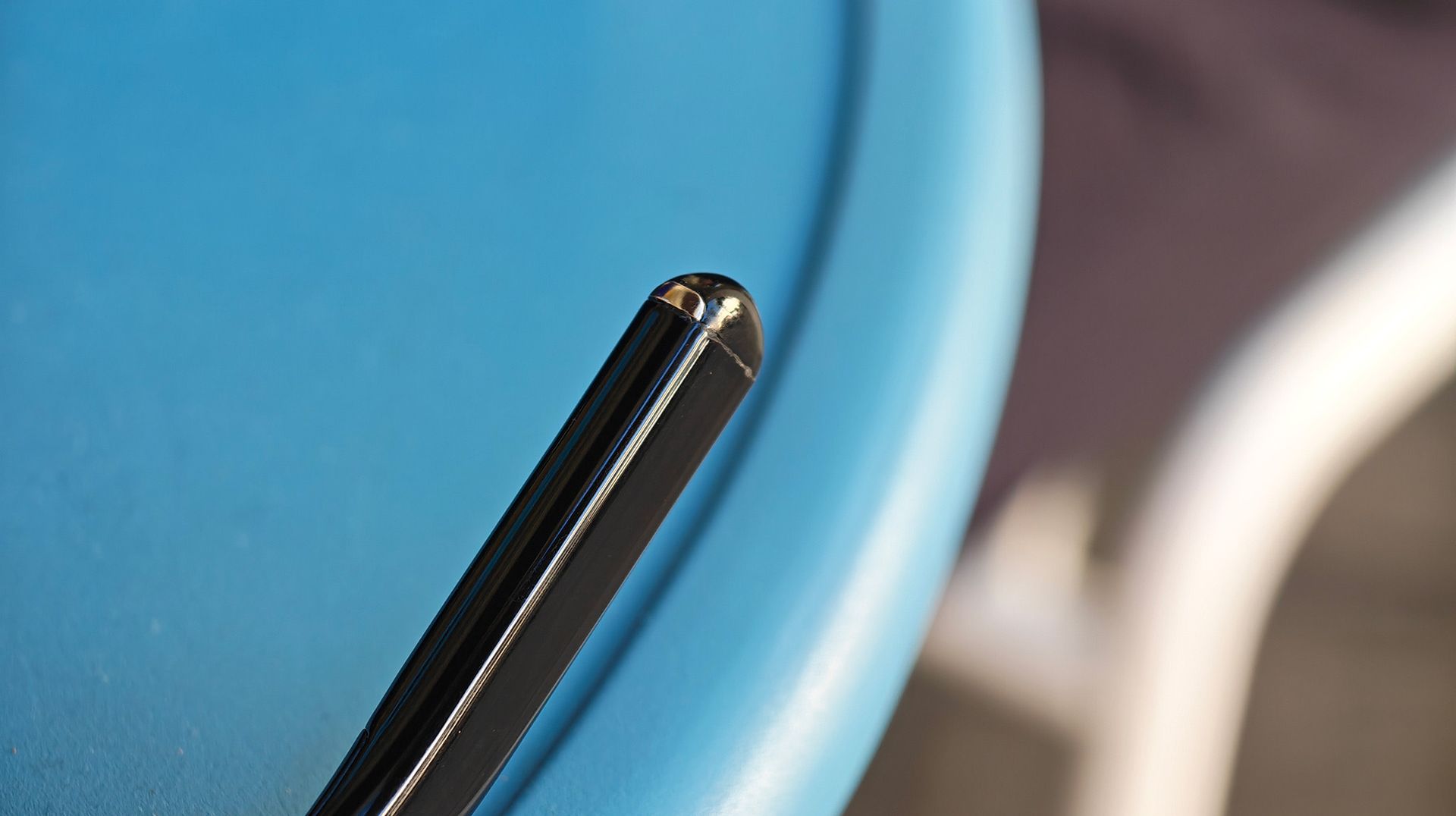
It's all part of making glasses you'll actually want to wear all day, including battery life that matches the part. Vonder glasses ship with a magnetic charging cable that lets them charge while being worn (unlike glasses that charge in a case), but you likely won't ever need to do this thanks to 16-hour long battery life. That's more than double Meta's best estimates.
And, of course, there's no denying the utility that comes with a wearable AI companion. Vonder is a 100% American company founded and based in San Francisco's Bay Area, another building block in ensuring you feel comfortable while wearing these glasses.
Plus, Vonder AI seems to actually be able to do "regular" tasks like play and control music and answer calls with your voice, something brands like Even Realities and MemoMind haven't been able to deliver on just yet. And if you'd prefer a pair of Vonder glasses with displays in the lenses, well, they've got that coming, too!
All of this adds up to the best pair of camera-free AI glasses I've used to date, and I can't wait to get a final retail pair on my head.

Tidak ada komentar:
Posting Komentar