Appnext

Sabtu, 29 Agustus 2026

I tested the Google Pixel 11, and it's a fun blend of social media and AI magic

Google’s Pixel smartphones have never been the strongest in terms of raw power or customization, but they represent something of a consumer-friendly, accessible option for those who want an easy Android experience. The Pixel 11 is the latest representation of Google’s software and hardware coming together to showcase how far Android has come and how useful AI can be, even if we love to hate it.

I’ve been using the Pixel 11 for a few weeks now, and it feels like Google is navigating an interesting intersection between AI and social media, one that companies like Samsung are also starting to hone in on. The result is a phone that feels fresh, fun, and functional while remaining one of the best flagship options for your wallet.

It’s the small things
The Pixel 11

(Image credit: Derrek Lee / Android Central)

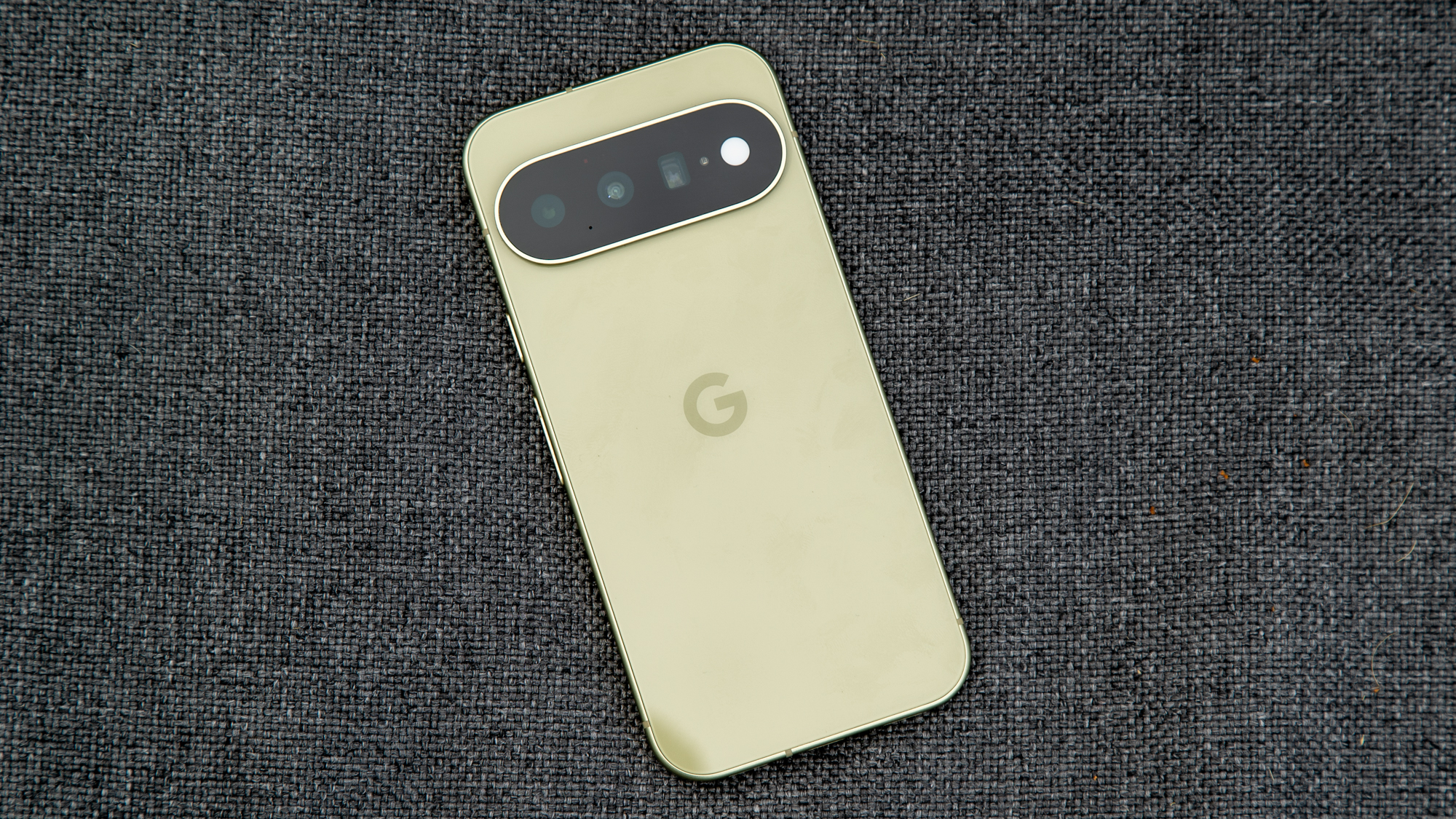
At first glance, the Pixel 11 looks and feels as small and pocketable as the Pixel 10. Unfortunately, the Pixel 11 is still quite thick at 8.6mm, making it chonkier than even the Galaxy S26 Ultra. It’s also pretty hefty, weighing closer to the S26 Ultra than the base S26.

On the plus side, Google made some small but welcome changes to both the design and some of the internals, which I think sort of make up for its hefty design.

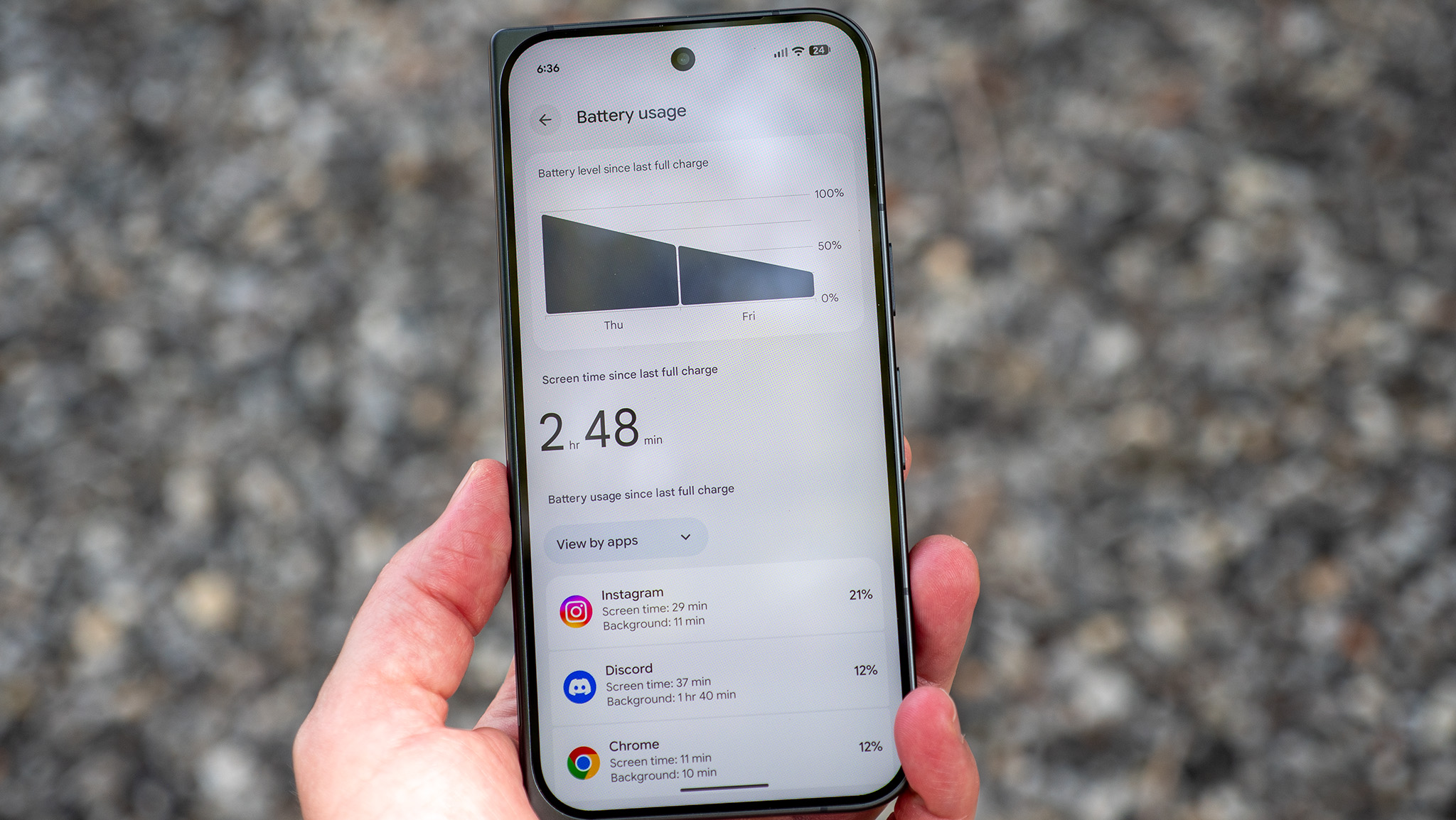
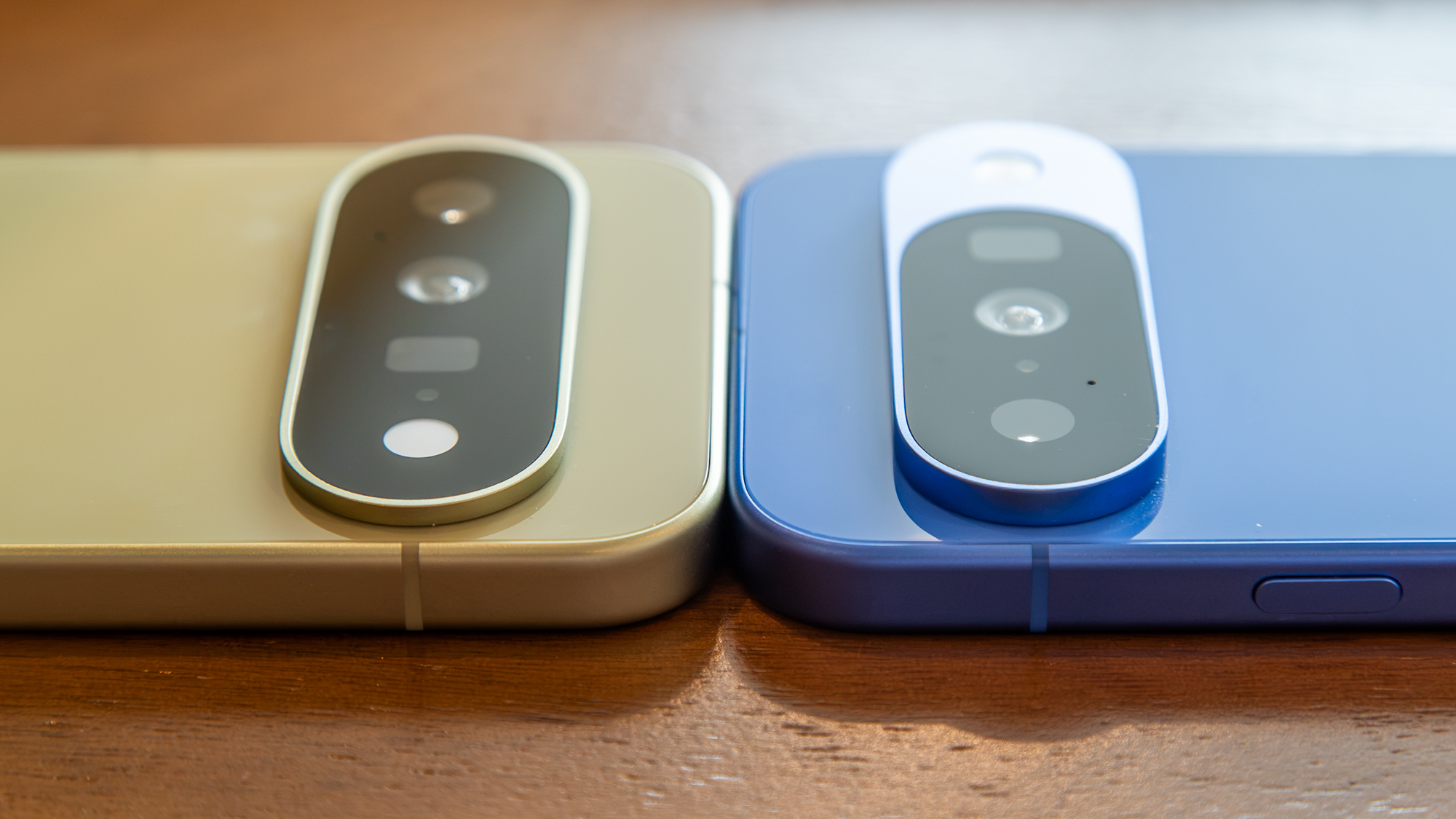
For example, the camera housing doesn’t protrude nearly as much as the Pixel 10, so it lies flatter on a table than its predecessor, despite having roughly the same camera sensors. The battery is also slightly larger, although Google probably should have opted for denser silicon-carbon batteries, which likely could have helped shave off some thickness. Still, battery life hasn’t been a problem for me, and I generally get a full day of use before needing to plug in.
The Pixel 11 and Pixel 10 camera housings

(Image credit: Derrek Lee / Android Central)

Fortunately, charging got a bit of a boost. The Pixel 11 still features 30W wired charging, which isn’t the fastest on the block, and I definitely find myself waiting longer than I’d like for it to charge.

Extreme Charging can help with this, although only somewhat. The hidden feature pauses apps in the background to keep the phone cooler for longer and allows for higher sustained charging speeds. Thus, I did see a 10% boost after 30 minutes of charging, bringing the phone from 0 to 50%.
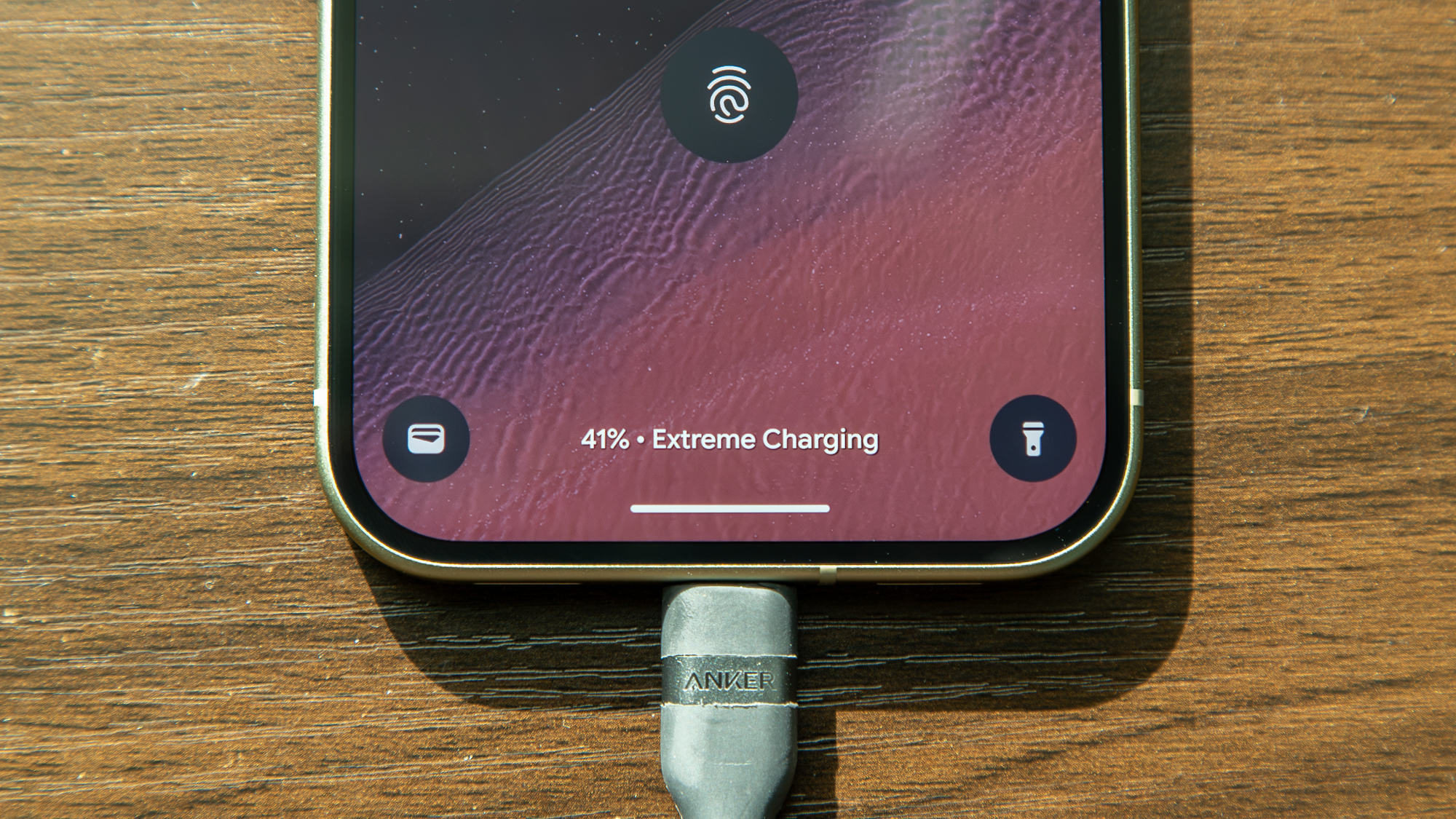
Extreme Charging on the Pixel 11

(Image credit: Derrek Lee / Android Central)

Wireless charging is also much better, with seemingly stronger Qi2 magnets and faster 25W speeds, making it nearly as useful as wired charging.

The Pixel 11 gets social
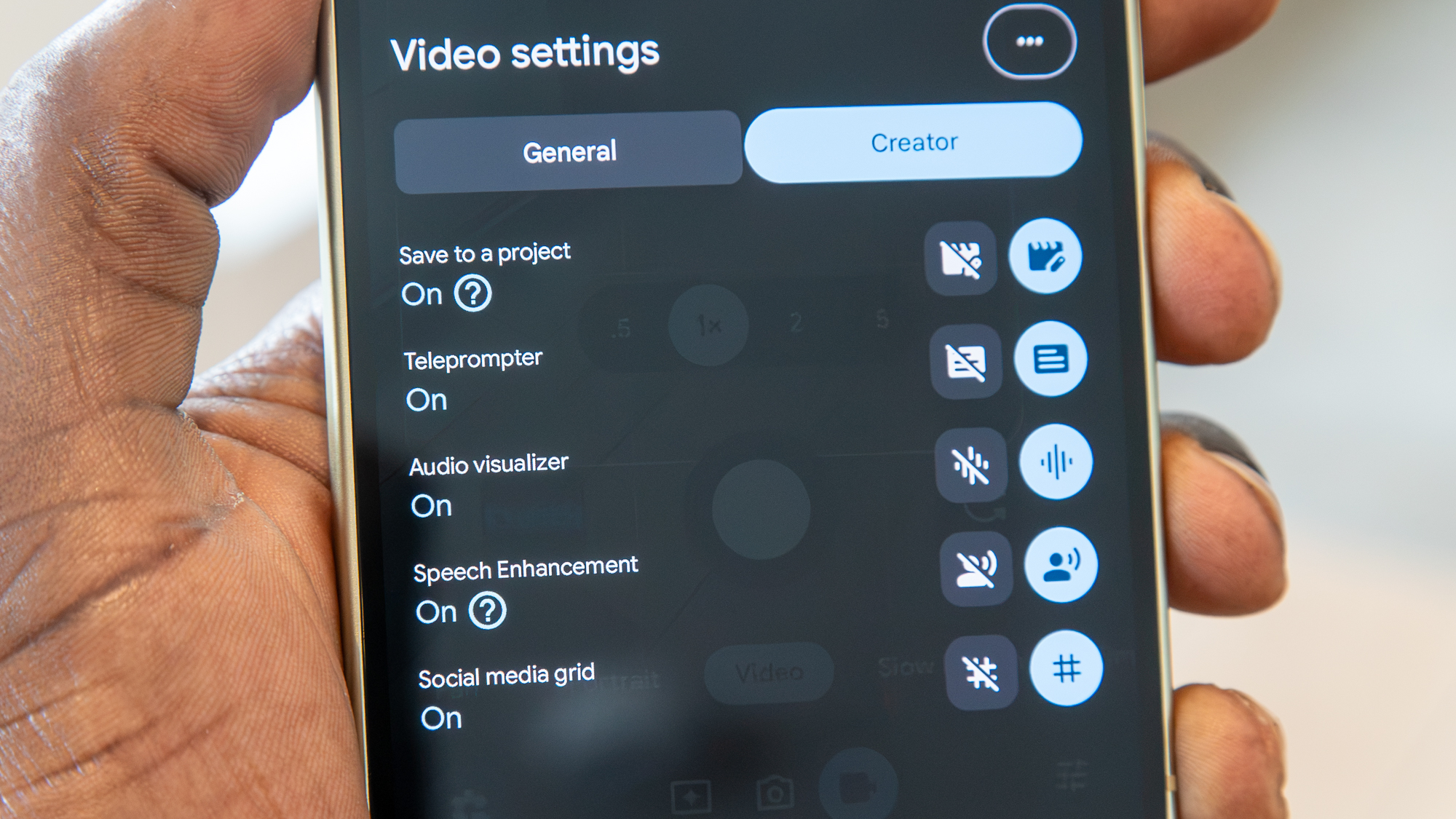
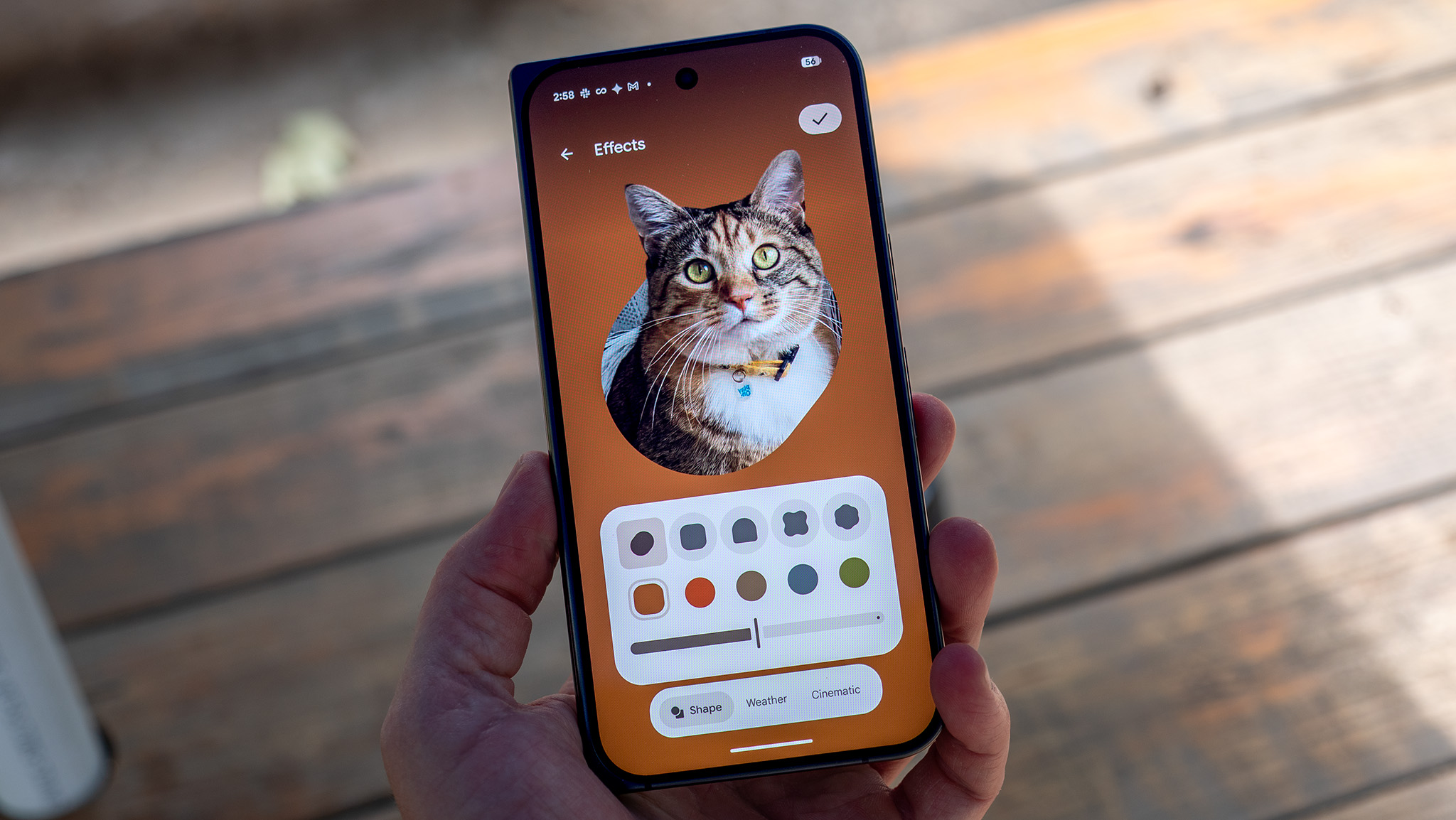
Creator Suite on the Pixel 11

(Image credit: Derrek Lee / Android Central)

AI has been Google’s main focus with the Pixel lineup, but social media is also becoming more important, as seen in the latest Android 17 features like the built-in Creator Suite and Screen Reactions. In fact, two of my favorite new Pixel 11 features are at opposite ends of social media, with one that aims to give me the perfect photos to post while another prompts me to step back from scrolling.

Magic Capture is a new built-in Camera feature that sits just to the left of Photo mode. With it, you tap the shutter button and start recording a video, while AI works in the background to automatically find the best moments and save images. This essentially automates the manual still-capture feature already available in Video mode, letting you focus on capturing the moment.

I used the feature at a party, and despite the challenging lighting, Magic Capture highlighted some great social media-worthy moments of my friends. I was also able to capture some cute images of harbor seals swimming in a waterway.
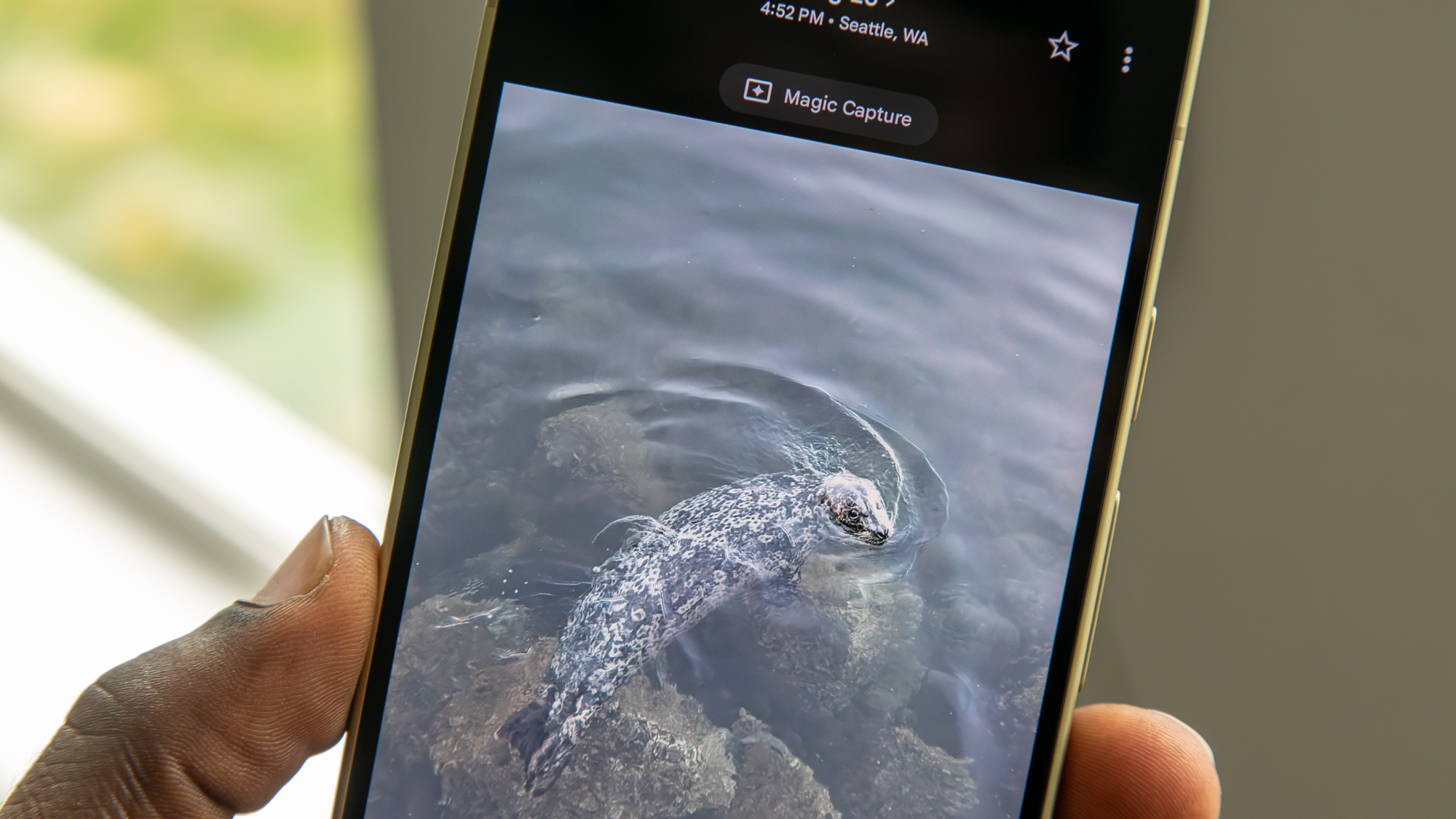
Magic Capture image on the Pixel 11

(Image credit: Derrek Lee / Android Central)

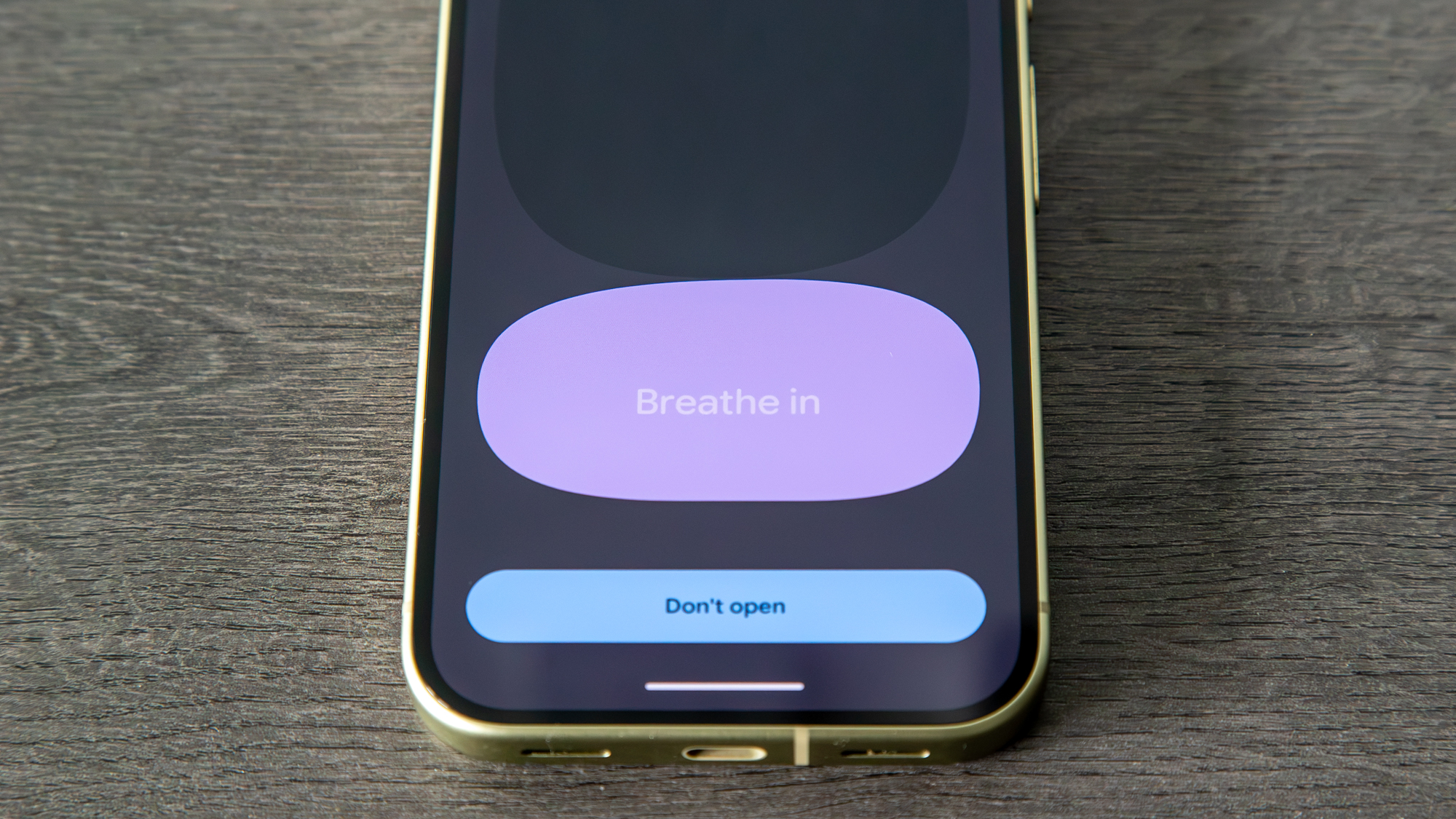
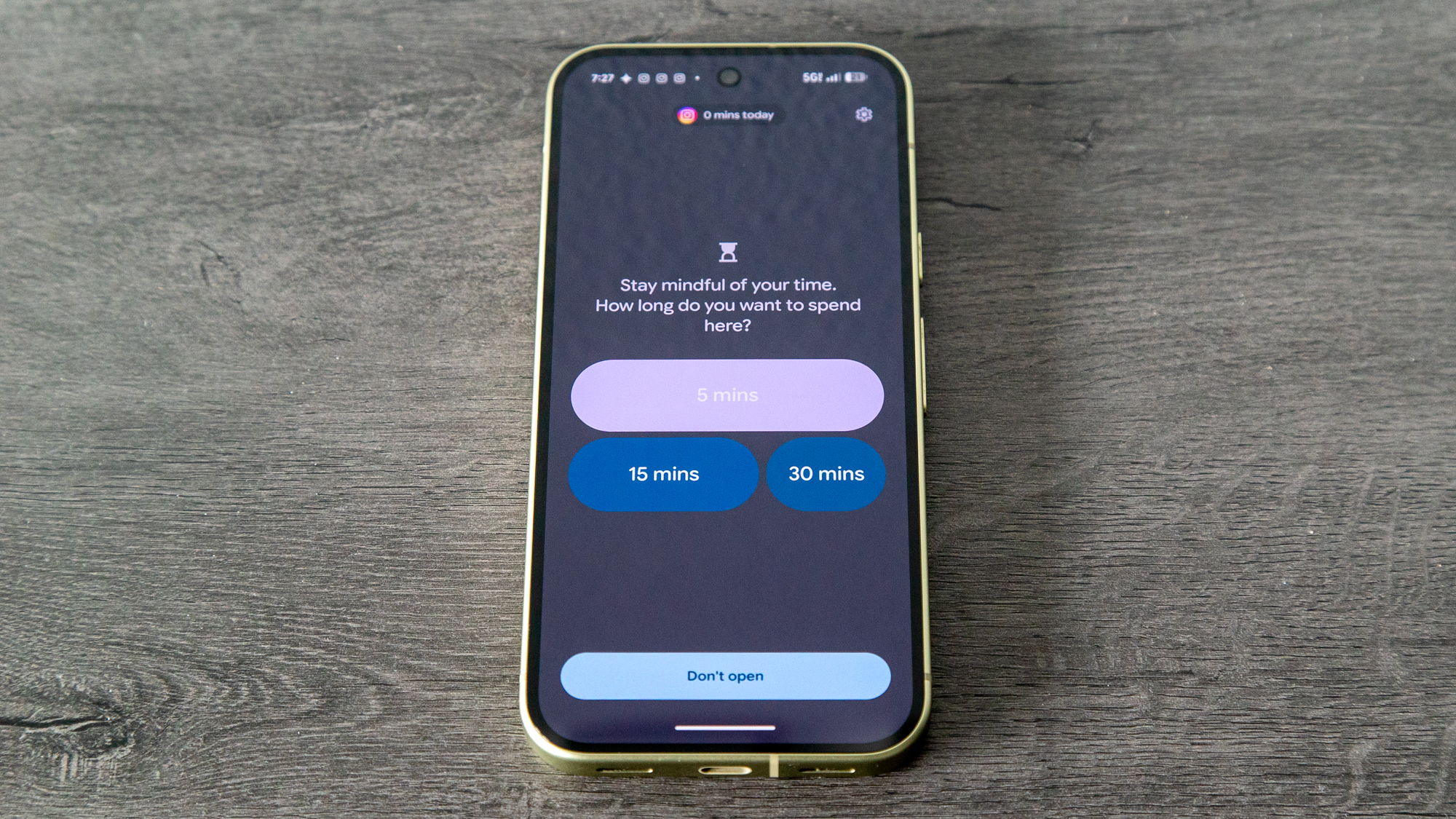
On the other hand, I know that Instagram is my biggest weakness and the main source of my procrastination. That’s why I actually appreciate what Pause Point is doing. This Digital Wellbeing feature activates when I open apps I find distracting, giving me a moment to breathe and reflect on whether I really need to open that app right now.
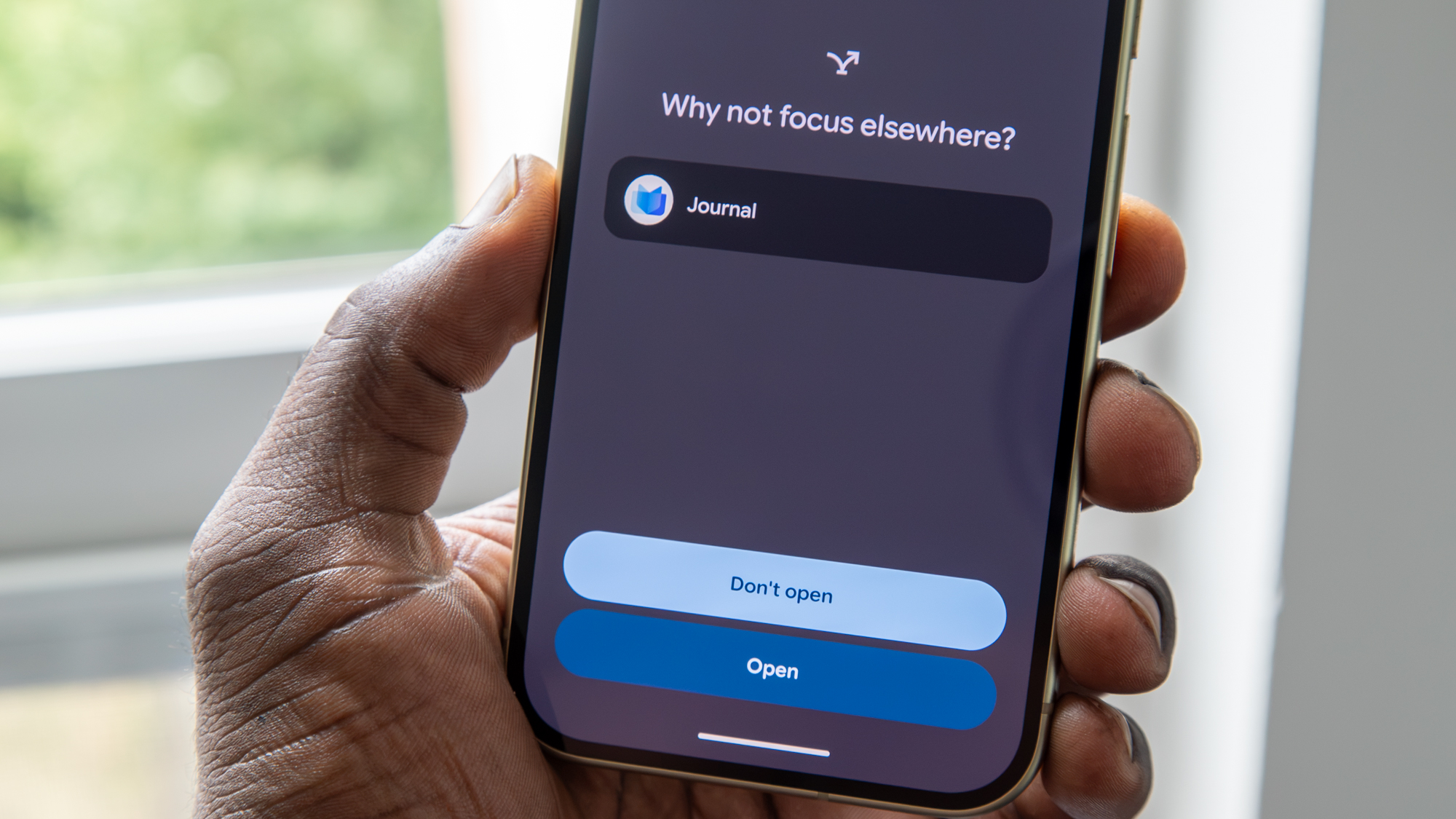
Pause Point on the Pixel 11
Derrek Lee / Android Central
Pause Point on the Pixel 11
Derrek Lee / Android Central
Pause Point on the Pixel 11
Derrek Lee / Android Central

I enabled it specifically for Instagram, so that each time I try to open the app, it cycles through several options, prompting me to take a moment to breathe, think about what really matters to me, set a timer for the app, state how I feel while opening the app, or try another less distracting app instead.

When it’s done, I can continue to the app, but I often find myself not opening Instagram, mostly because of the friction of having to complete a task first. It’s surprisingly effective.

There’s AI too
Rambler on the Pixel 11

(Image credit: Derrek Lee / Android Central)

You can find Gemini everywhere on the Pixel 11 if that’s what you want, and it actually feels more helpful than anything. When I wake up, Daily Brief pulls from my connected accounts and apps like Calendar and Gmail, keeping me abreast of upcoming events and things I need to remember.

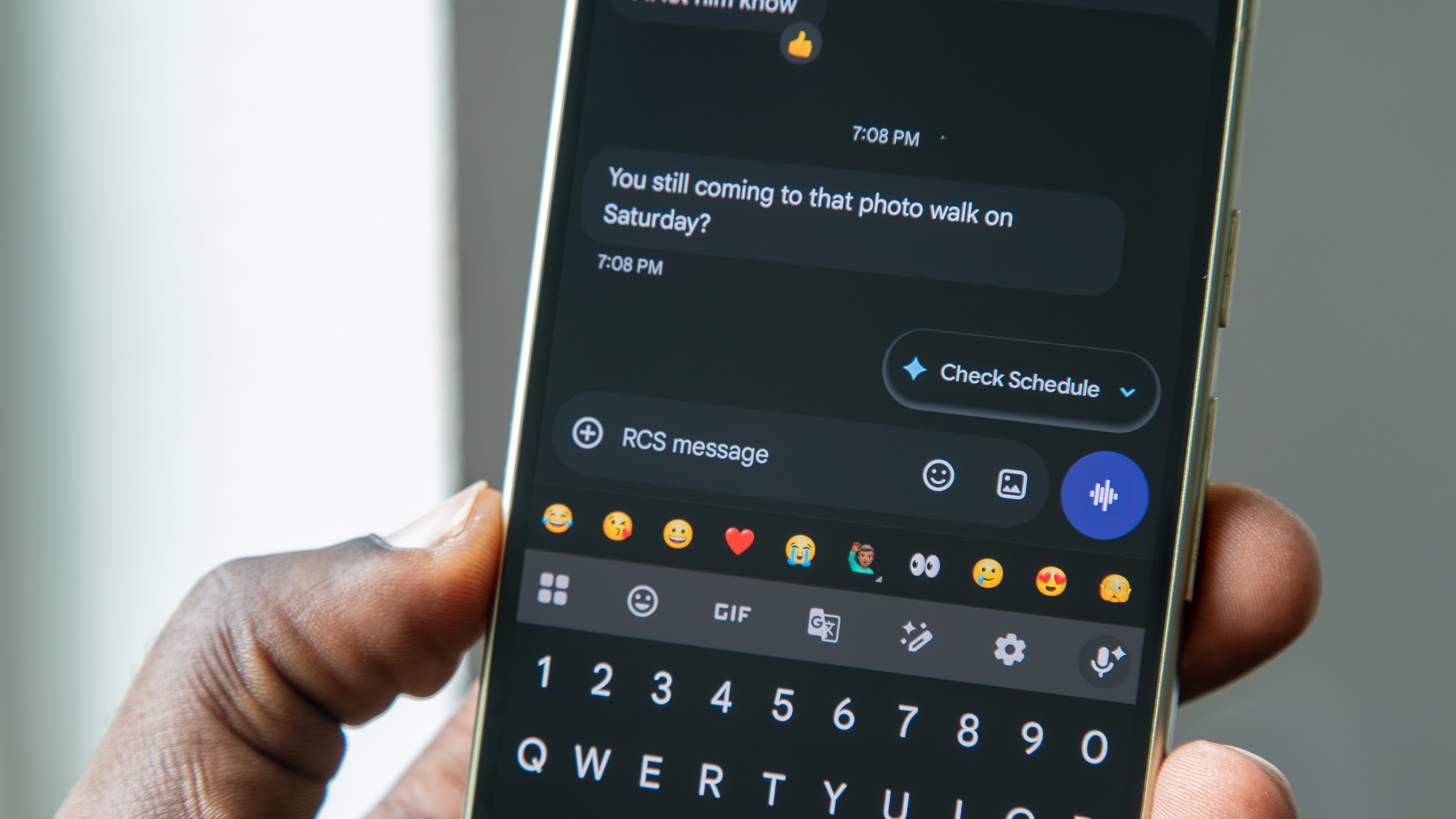
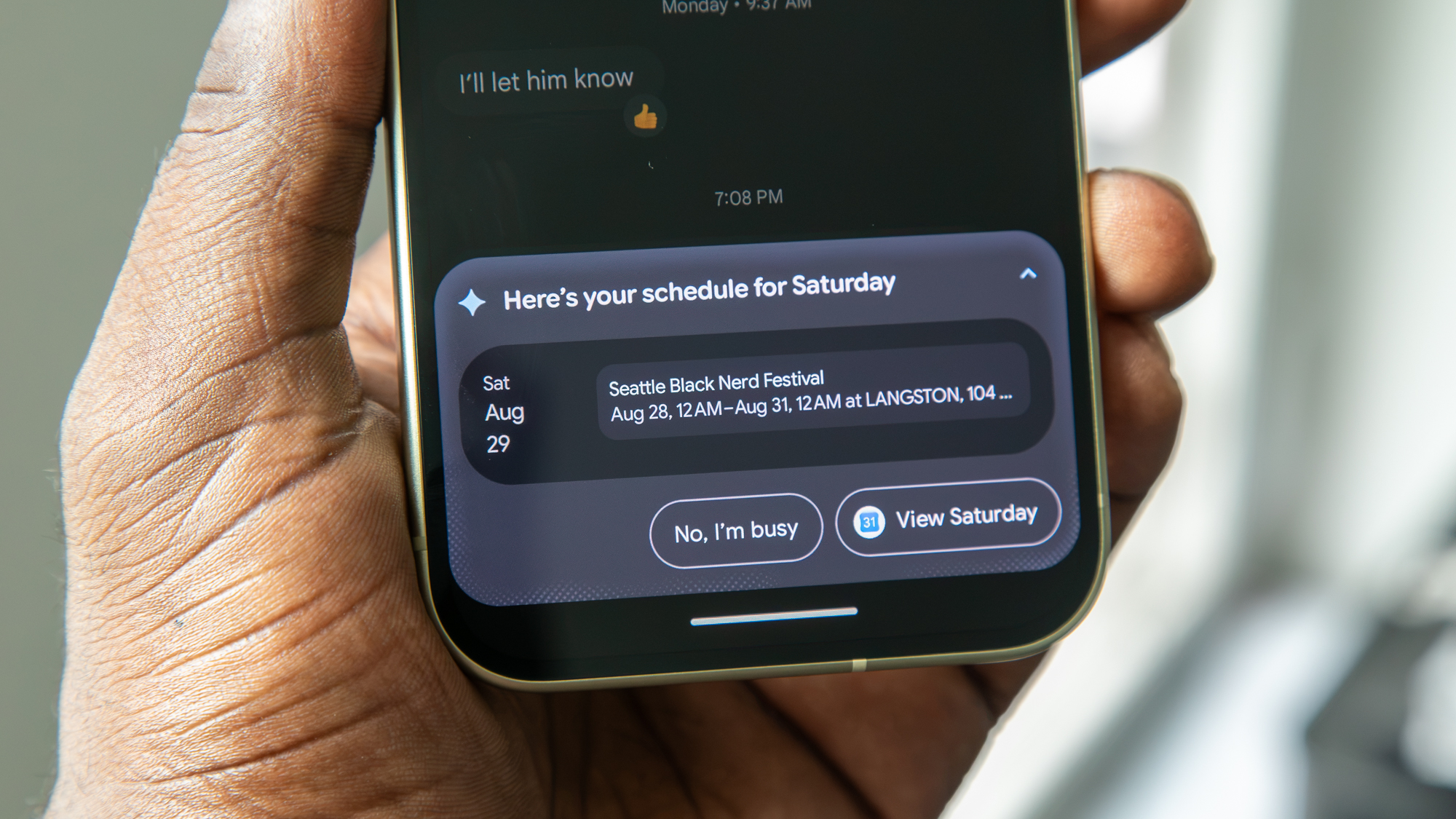
Gemini Intelligence also makes it easy to do things like order Uber Eats just by using my voice, and it helps when I least expect it. For example, a friend of mine texted me to ask if I was busy this weekend. Before I could respond, Gemini prompted me to check my calendar, which revealed I was planning to go to a festival.

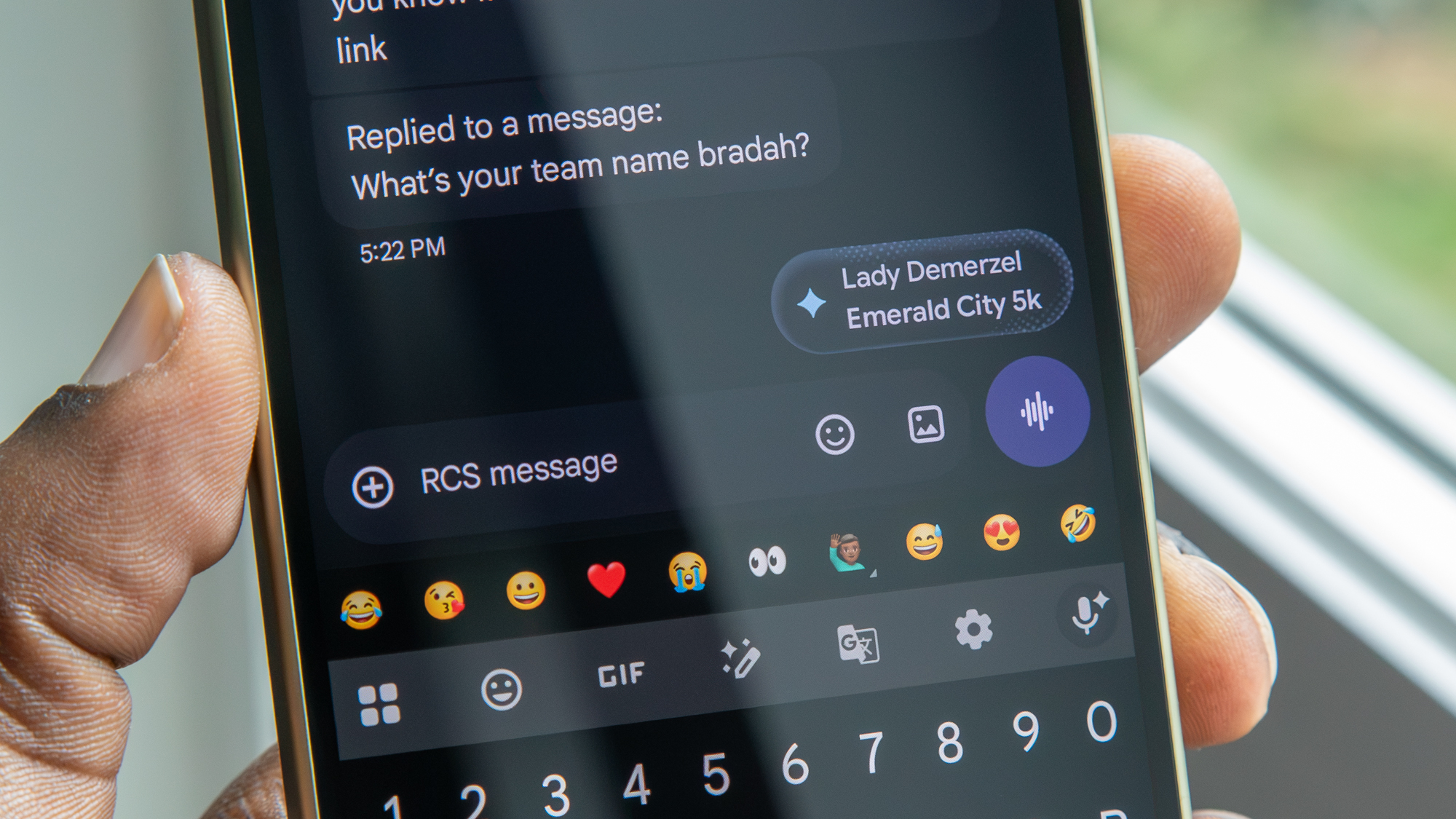
In another message, a friend asked what my team name is for an upcoming 5K I'm planning to run. Gemini suggested a previous team name I used during my last 5K, which just so happens to be the name I'm using for this new run.

It all happened without leaving Google Messages, which is the kind of frictionless AI interaction that I can appreciate.
Gemini Proactive Assistance on the Pixel 11
Derrek Lee / Android Central
Gemini Proactive Assistance on the Pixel 11
Derrek Lee / Android Central
Gemini Proactive Assistance on the Pixel 11
Derrek Lee / Android Central

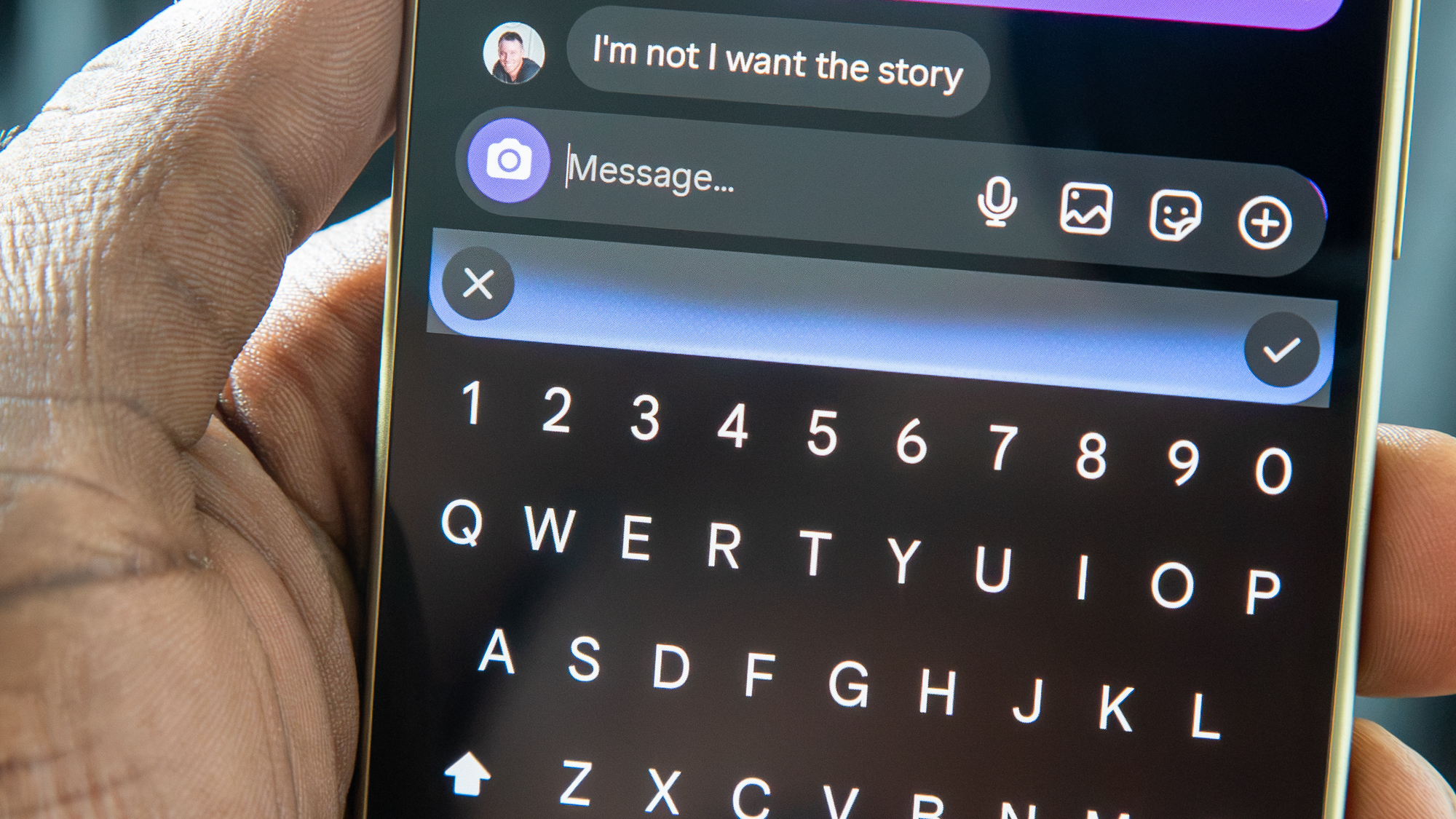
Rambler is also surprisingly useful, and it picks up the nuances of speech quite well, adding the appropriate punctuation and even quotation marks when it detects that I'm quoting something. It also separates my text into paragraphs at the right moments, and I haven't had to correct it once.
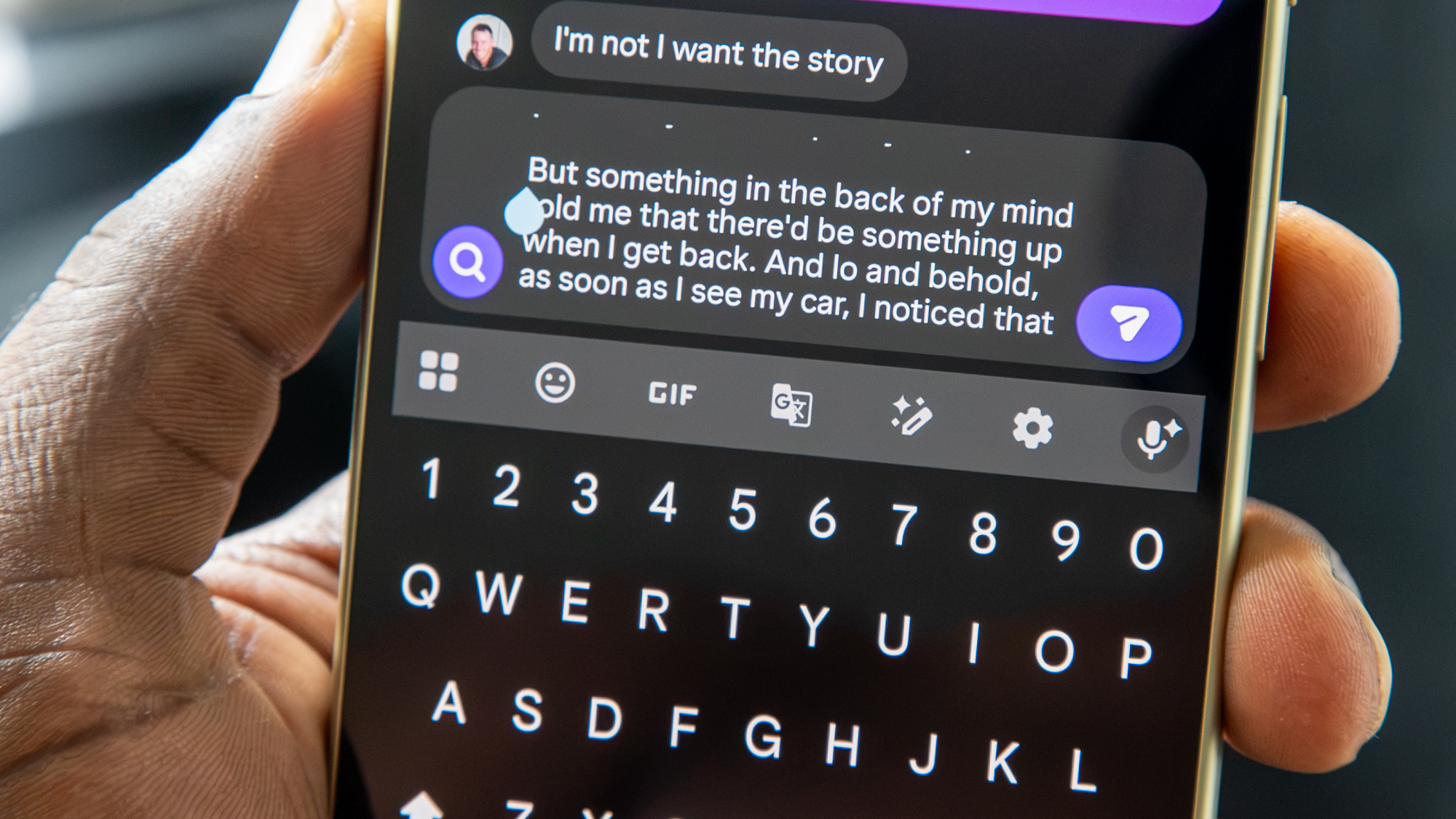
Rambler on the Pixel 11

(Image credit: Derrek Lee / Android Central)

This is all powered by the Tensor G6, which prioritizes AI performance over anything else. Day-to-day use is fine, although don’t expect the Pixel 11 to be a gaming powerhouse. It also doesn’t sport the same vapor chamber as the Pixel 11 Pro, so it does get quite warm when gaming.

What about the cameras?
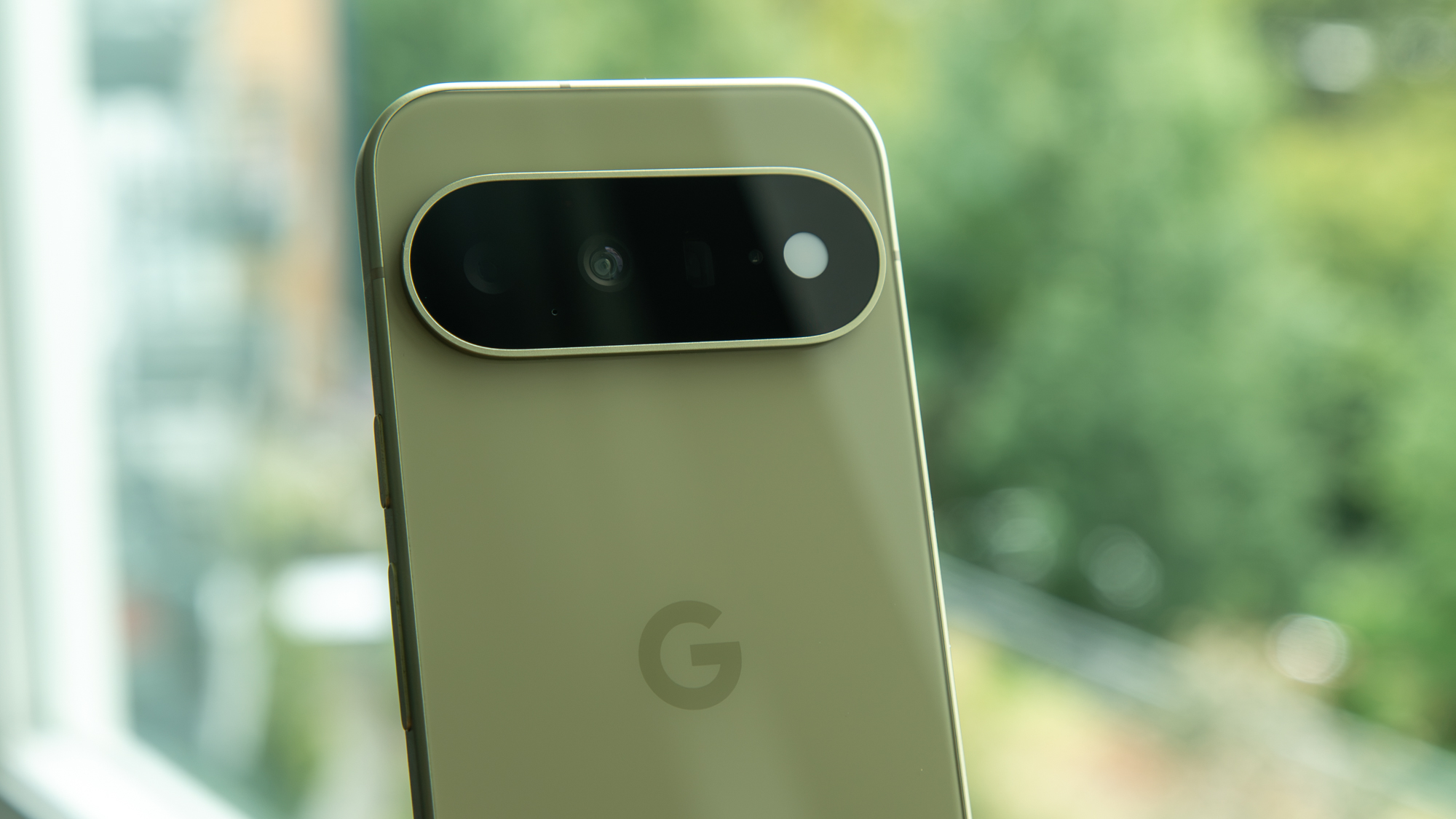
The Pixel 11 cameras

(Image credit: Derrek Lee / Android Central)

The Pixel 11 has the same camera layout as its predecessor, so there’s not much difference here. Compared to the Pixel 10, images from the Pixel 11 are largely the same but tend to lean toward the warm side, resulting in somewhat more vibrant images.


5x image of a bridge
(5x) A bridge in the distance.Derrek Lee / Android Central
A street and neighborhood as seen from above
Derrek Lee / Android Central
A dimly lit bar with a lot of people
Derrek Lee / Android Central
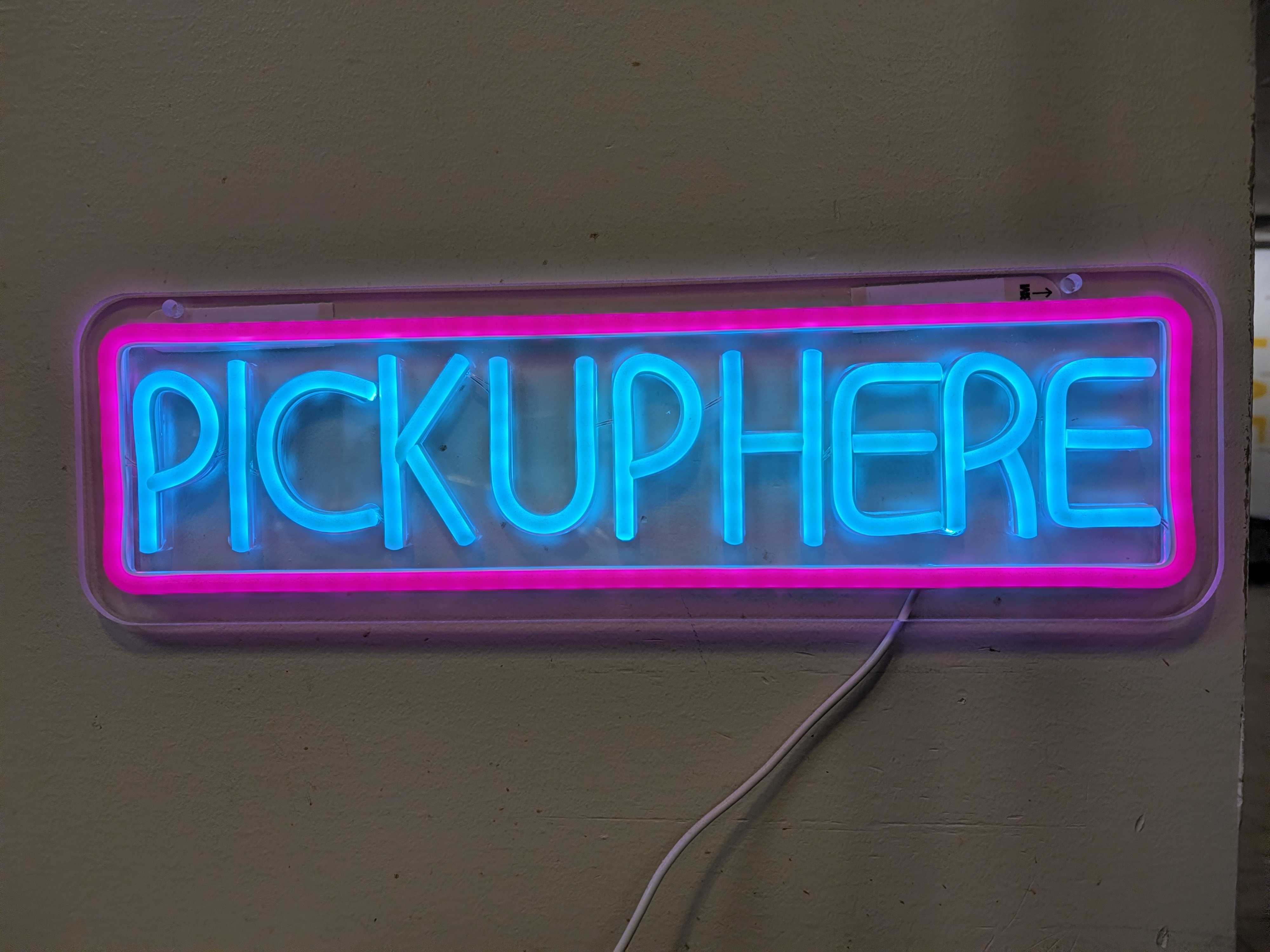
A dimly lit neon sign
Derrek Lee / Android Central
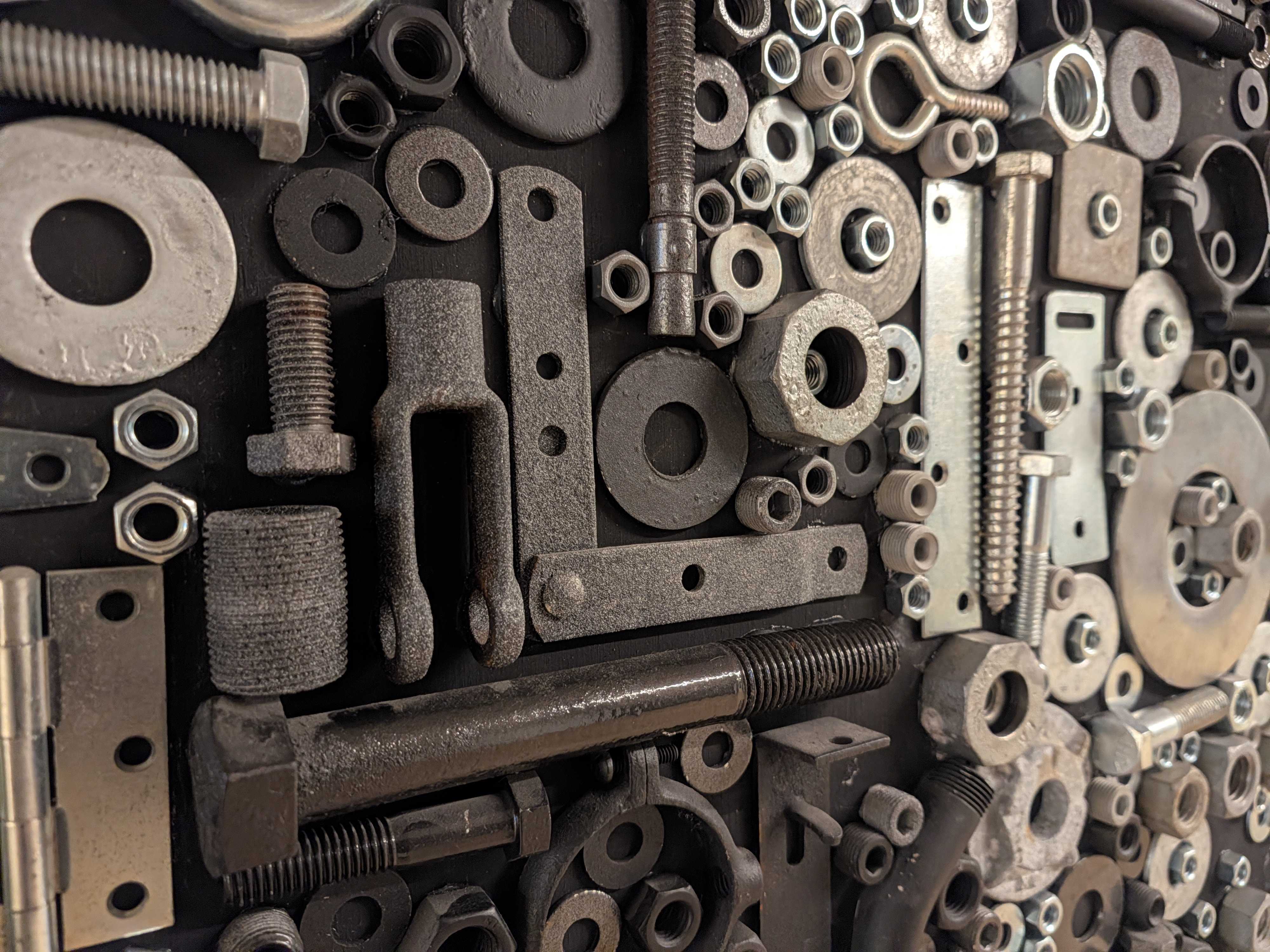
A wall of nuts and bolts
Derrek Lee / Android Central
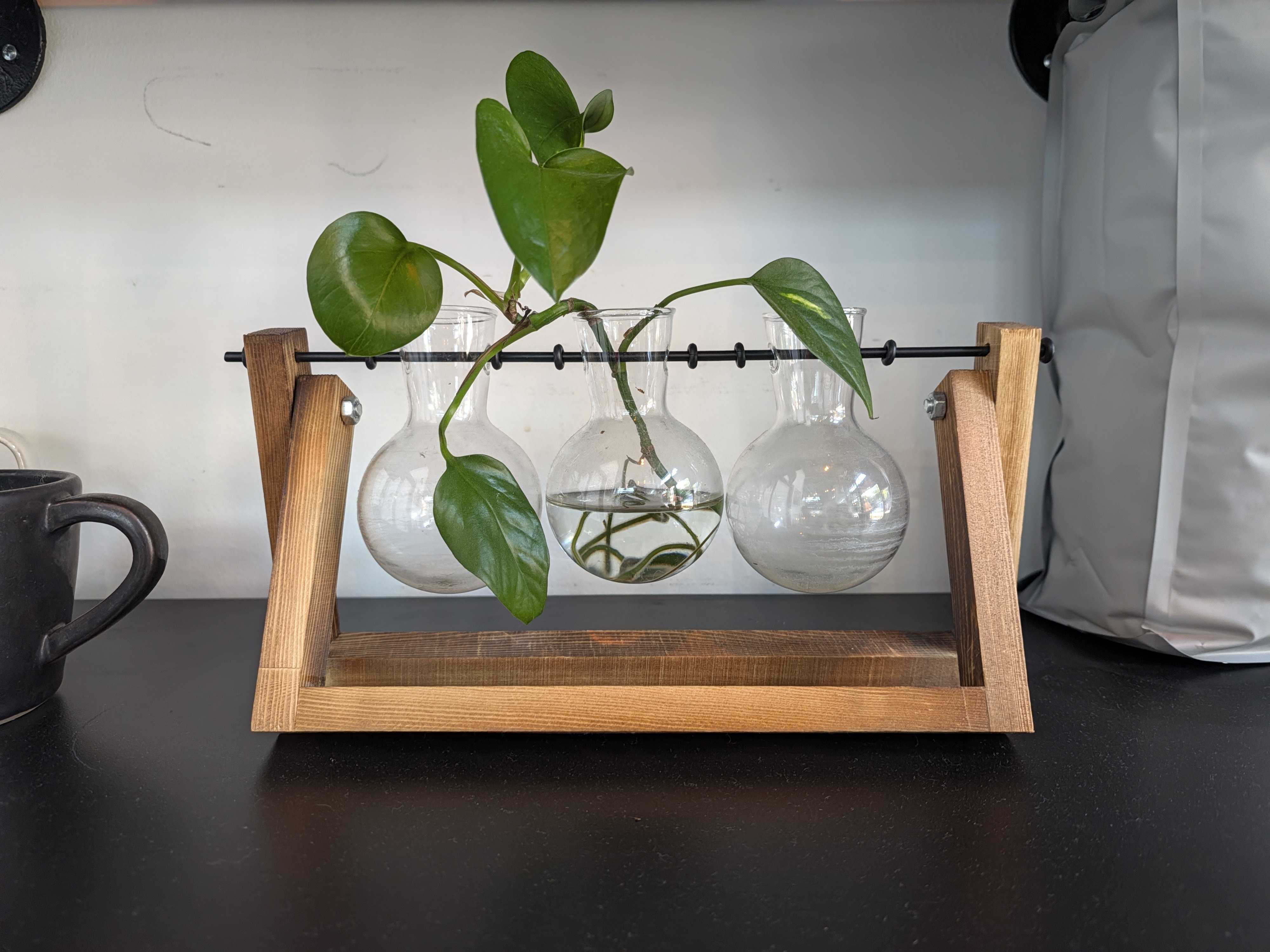
A plant in a planter
Derrek Lee / Android Central
A dog in a kennel
Derrek Lee / Android Central
A dimly lit neon sign
Derrek Lee / Android Central
Rows of trains
Derrek Lee / Android Central
(5x) rows of trains
(5x) Rows of trainsDerrek Lee / Android Central
A walkway surrounded by trees
Derrek Lee / Android Central
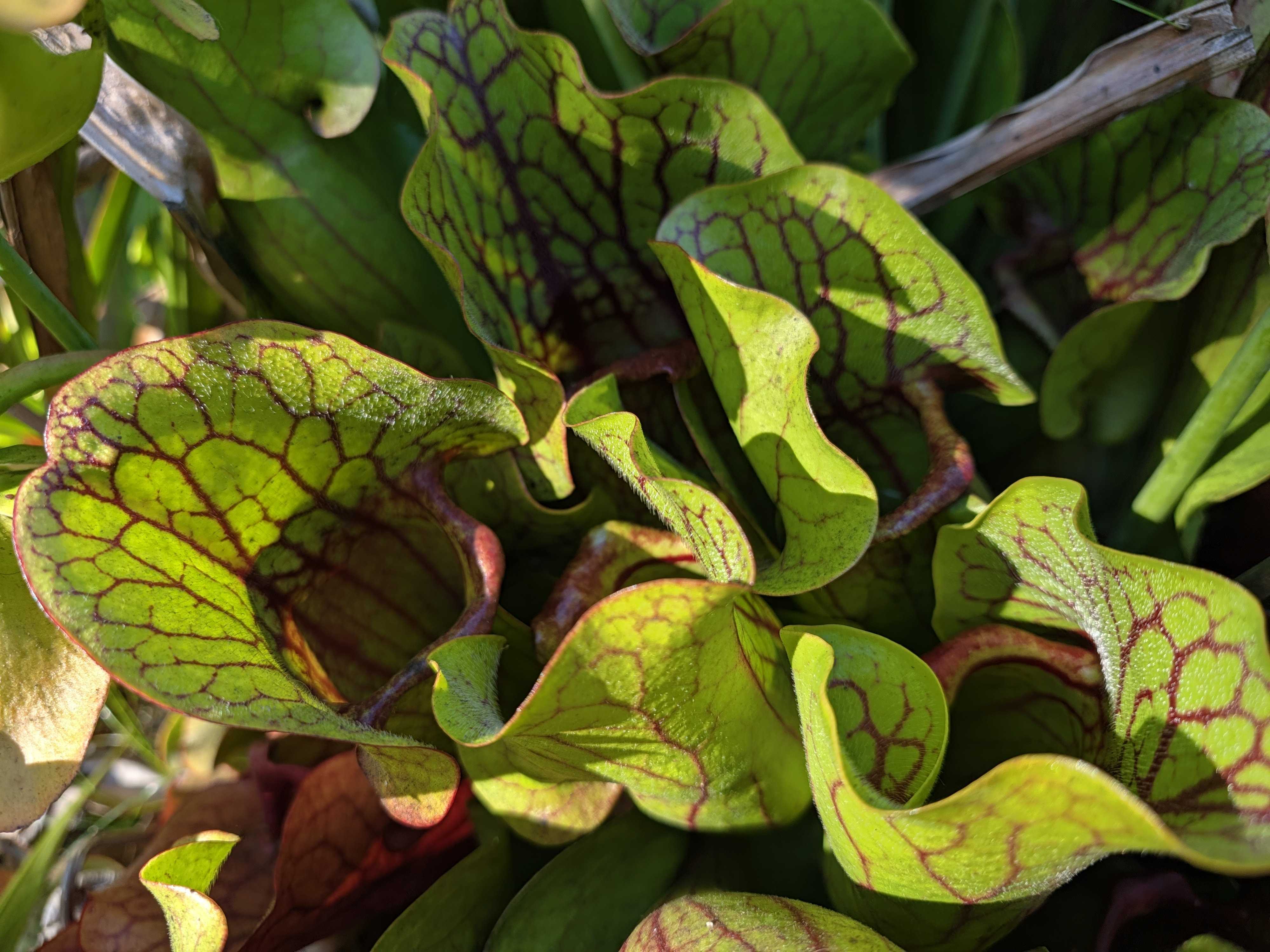
Carnivorous plants
Derrek Lee / Android Central
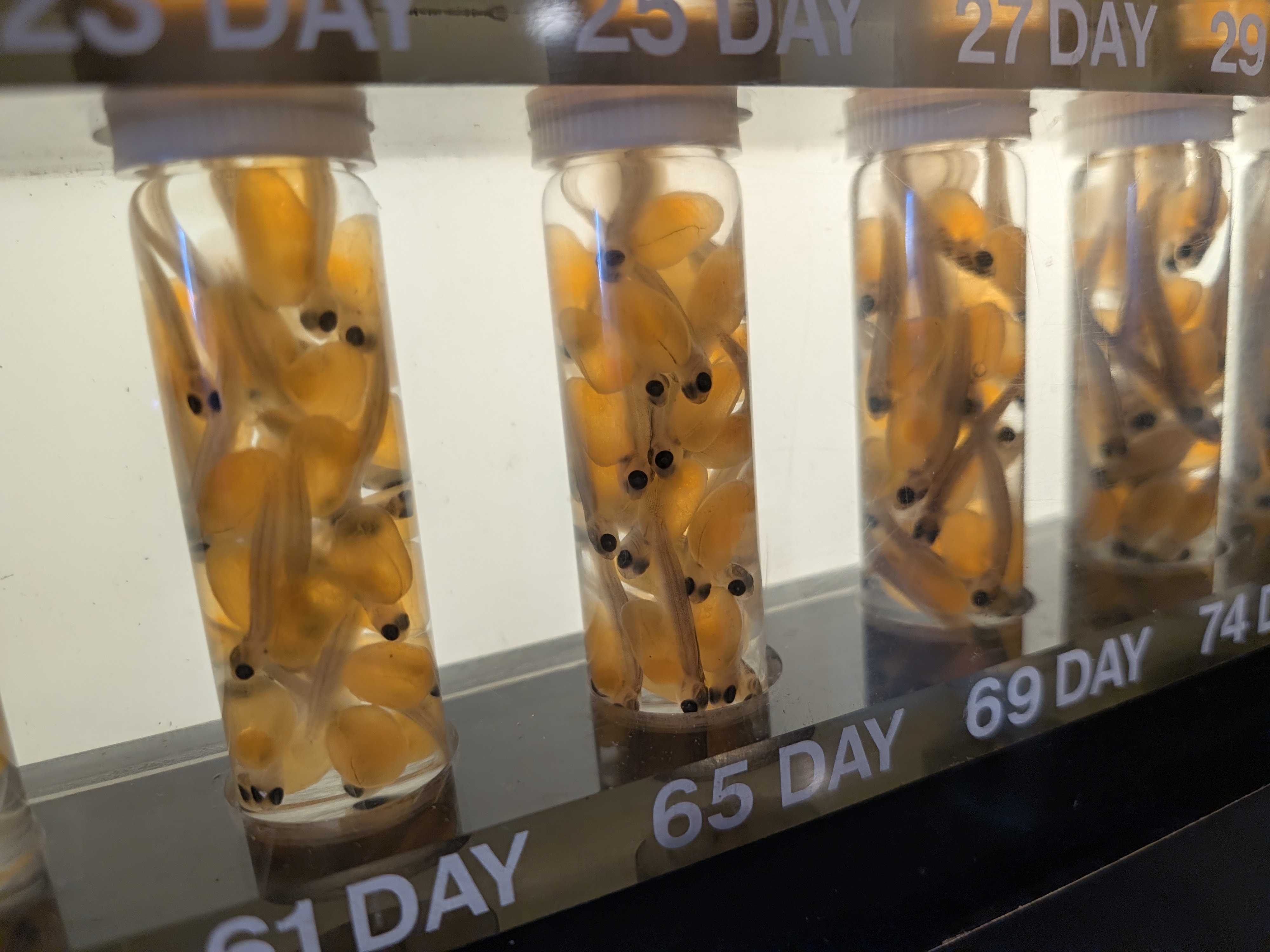
Baby fish in tubes
Derrek Lee / Android Central
(1x) A rooftop with flowers and plants
(1x) A rooftop with flowers and plantsDerrek Lee / Android Central
(2x) A rooftop with a cruise ship in the far background
(2x) A rooftop with a cruise ship in the far backgroundDerrek Lee / Android Central
(5x) A cruise ship in the distance
(5x) A cruise ship in the distanceDerrek Lee / Android Central
(10x) A cruise ship in the distance
(10x) A cruise ship in the distanceDerrek Lee / Android Central
(30x) A cruise ship
(30x) A cruise shipDerrek Lee / Android Central

This is also the case when compared to the Pixel 11 Pro, which takes cooler photos. However, the Pro also benefits from slightly better imaging capabilities, and images at any zoom level tend to have more detail than on the Pixel 11.

Should you buy the Pixel 11?
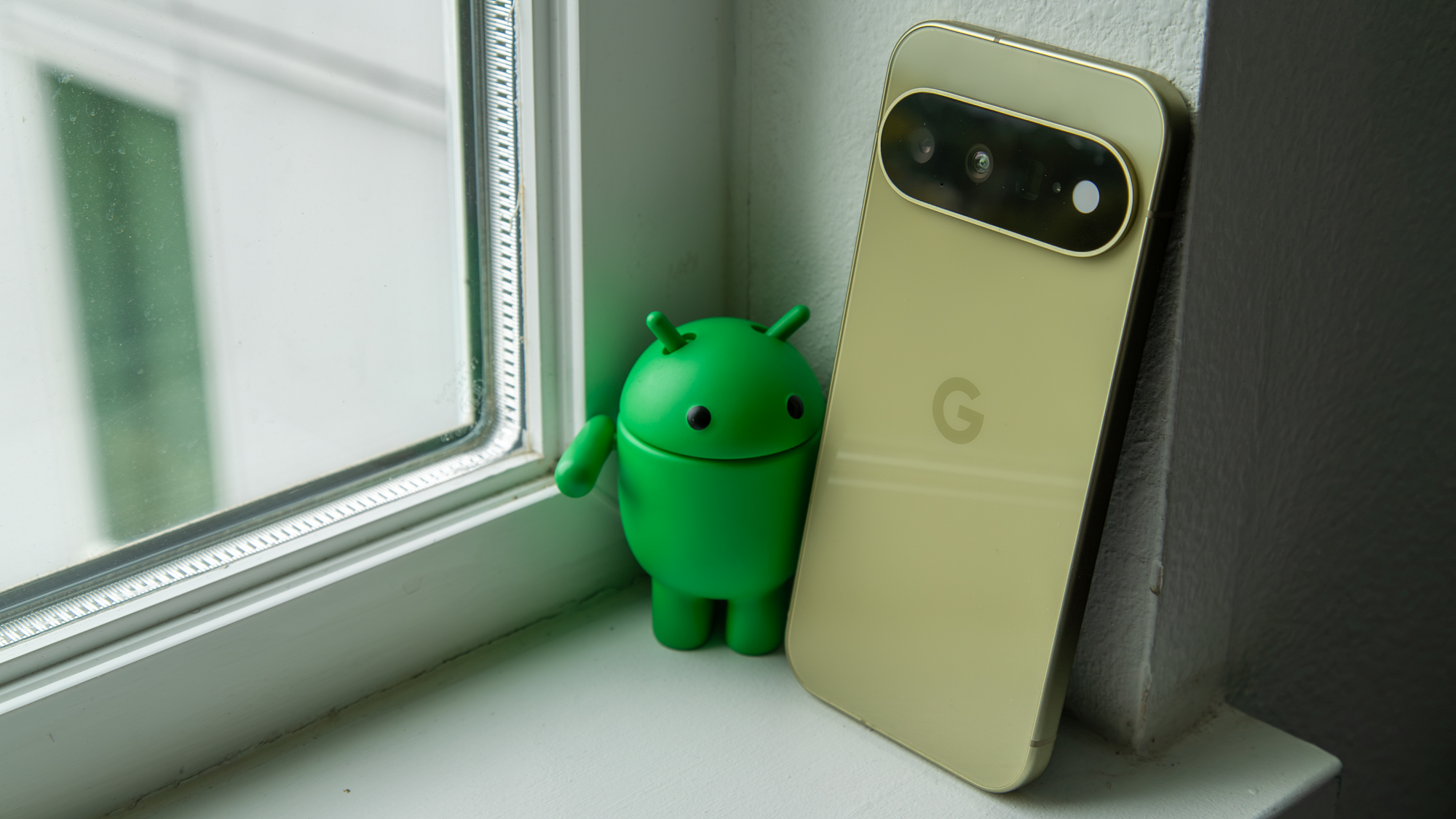
The Pixel 11 next to the Android Bot figure

(Image credit: Derrek Lee / Android Central)

The Pixel 11 costs $100 more than its predecessor, and while $899 isn’t cheap, you’re now getting double the base storage, faster charging, and the latest Tensor chip. Sure, it misses out on things like HiLight, which would have been really great to have, and there are still no Pro Camera features. However, you get most of the AI features, the same base 12GB of RAM as the Pixel 11 Pro, and the same charging specs, but for much less.

If you can go without those Pro features, the Pixel 11 feels like the one to buy.

The Pixel 11 Pro Fold is a solid upgrade, but after testing it against other foldables, I wish Google had gone a bit further

Last year's Pixel 10 Pro Fold debuted a few surprising firsts for a foldable. It was the first foldable with IP68 water and dust resistance, and the first with Qi2 magnets inside. And while those were certainly cool, the thick and heavy build was a bit off-putting, and the cameras were more than a little disappointing.

This year, Google is slimming everything down, dropping the weight, and upgrading plenty more. While the cameras aren't quite as good as those on the non-folding Pixel 11 Pro models, the rest of the experience is solid and offers a more compelling package than those phones, with better multitasking.

The price increase isn't as offensive as the rest of the Pixel 11 Pro series. While it's $100 more than the Pixel 10 Pro Fold's launch price, it retains 16GB of RAM, the same storage capacity, and offers better overall specs — not just a better processor. That's a solid upgrade, but increased competition in the space makes this a harder decision than ever.

Pixel favorites you'll love

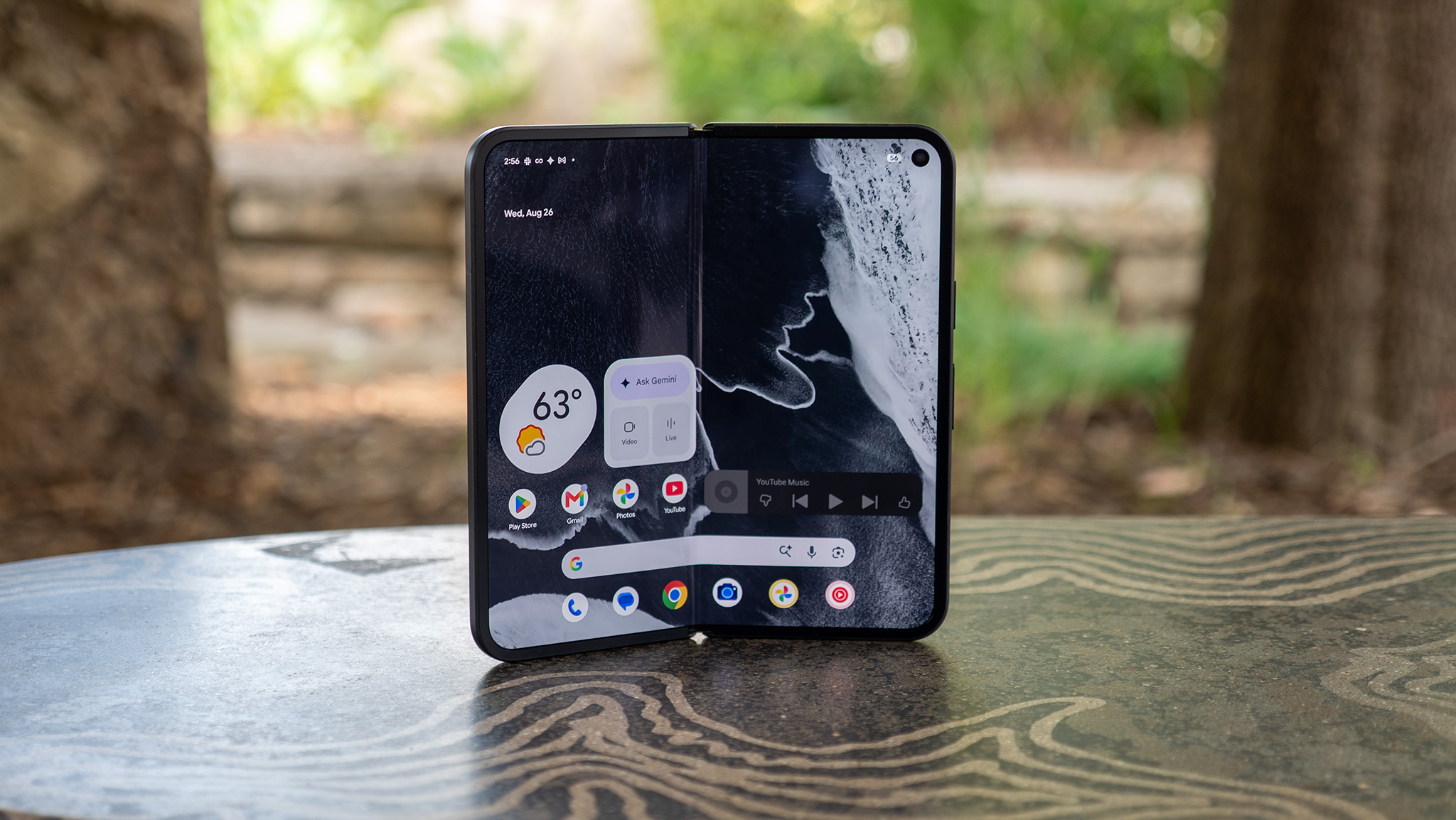
Theming the Google Pixel 11 Pro Fold

(Image credit: Nicholas Sutrich / Android Central)

The best part of choosing the foldable Pixel 11 is that you don't have to miss out on any of the best Pixel 11 features. It's got Pixel Satellite SOS, Pixel VPN, and the Pixelsnap Qi2/MagSafe magnets built in, all of which are some of the best reasons to get a Pixel.

It also comes with a handful of really excellent Pixel Fold-exclusive features, such as additional options in the camera viewfinder. If you've got kids, you're going to love Made You Look, a feature that uses the front display (while the phone is unfolded) to show silly animations, so you can get a perfect picture of your kids grinning, not sulking.

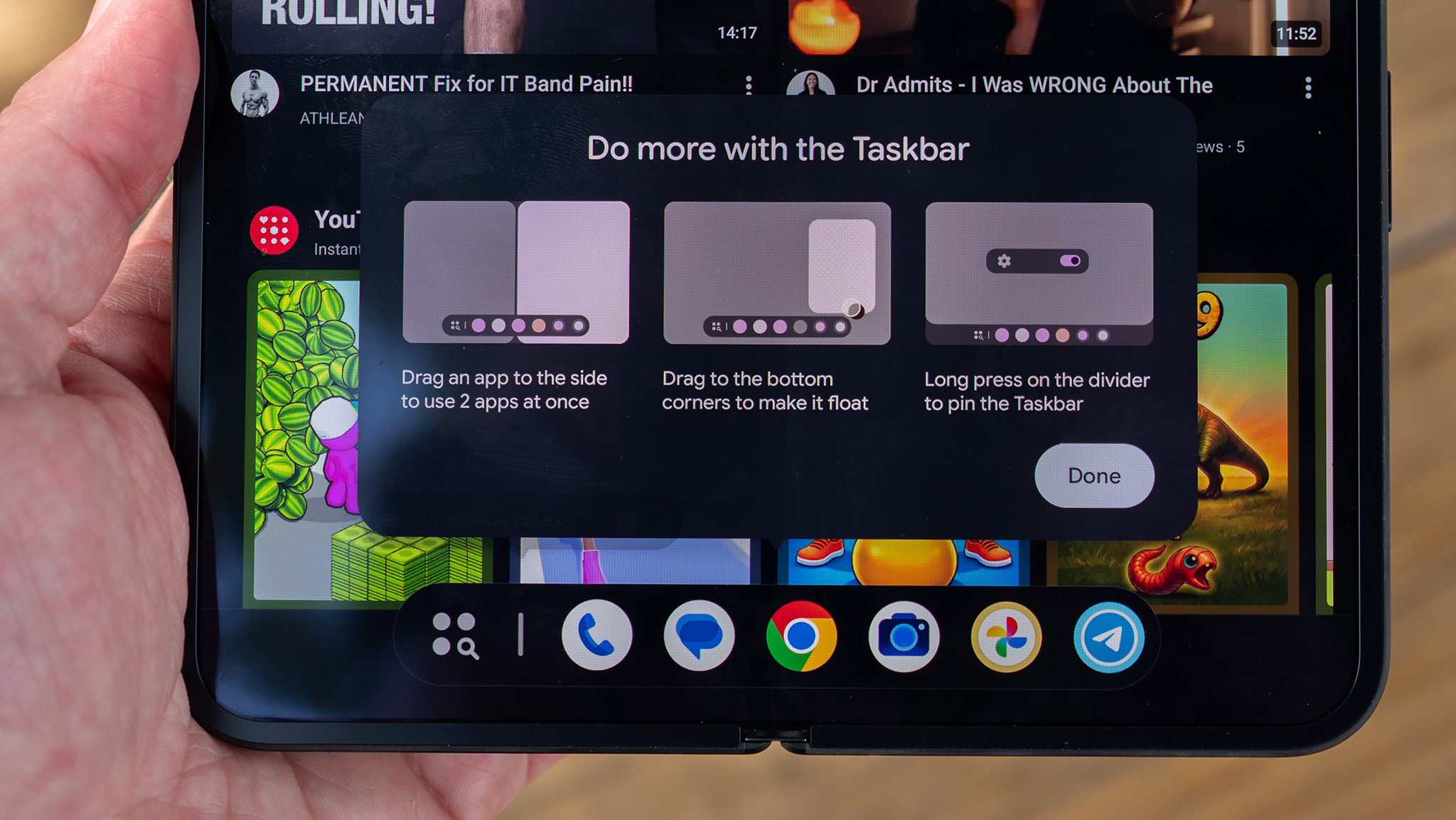
Using the taskbar's new functions on a Google Pixel 11 Pro Fold

(Image credit: Nicholas Sutrich / Android Central)

The Pixel 11 Pro Fold is also the best at multitasking in the Pixel family (though it's not as good as the Motorola Razr Fold). That's not just because of the large inner display, which feels like a small tablet, but also because of features like the pinnable taskbar, 90:10 split, and the new dock, which lets you easily manage floating app windows as if it were a laptop.

And all my favorite new Pixel 11 features are here too, including Live Translate for Video, Rambler (the Gboard voice-to-text upgrade everyone is raving about), Creator Suite, and Magic Capture (which I detail below).

Some genuinely good upgrades this year

Google also improved quite a few things between the Pixel 10 Pro Fold and the 11. Both displays are now LTPO OLEDs with the same 3600 nit brightness levels as the other Pixel 11 Pro models. That's a big step up from last year, when the Pixel 10 Pro Fold used the base Pixel 10's dimmer LTPS display.

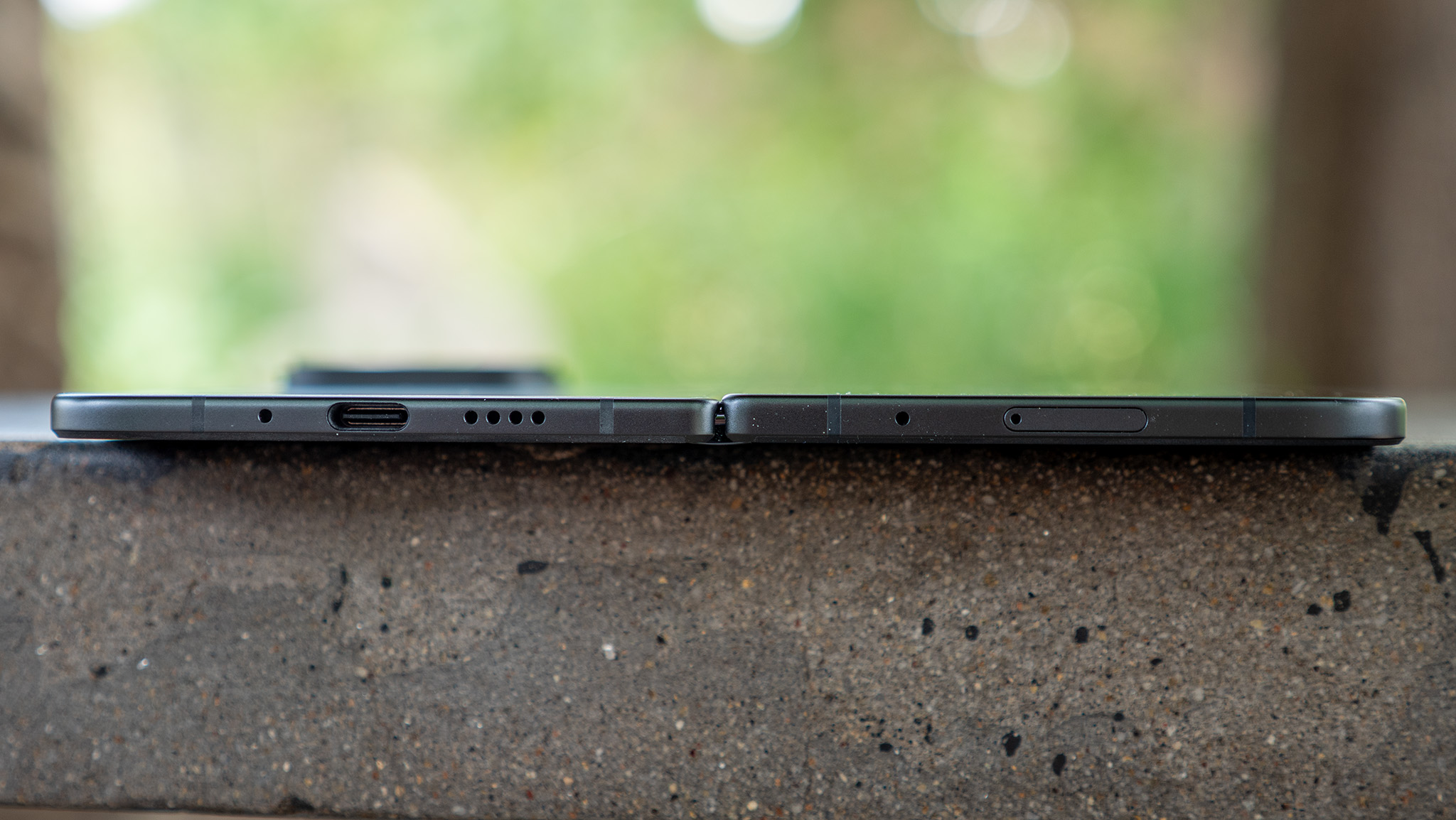
Looking at the uneven front and back sides of the Google Pixel 11 Pro Fold
Nicholas Sutrich / Android Central
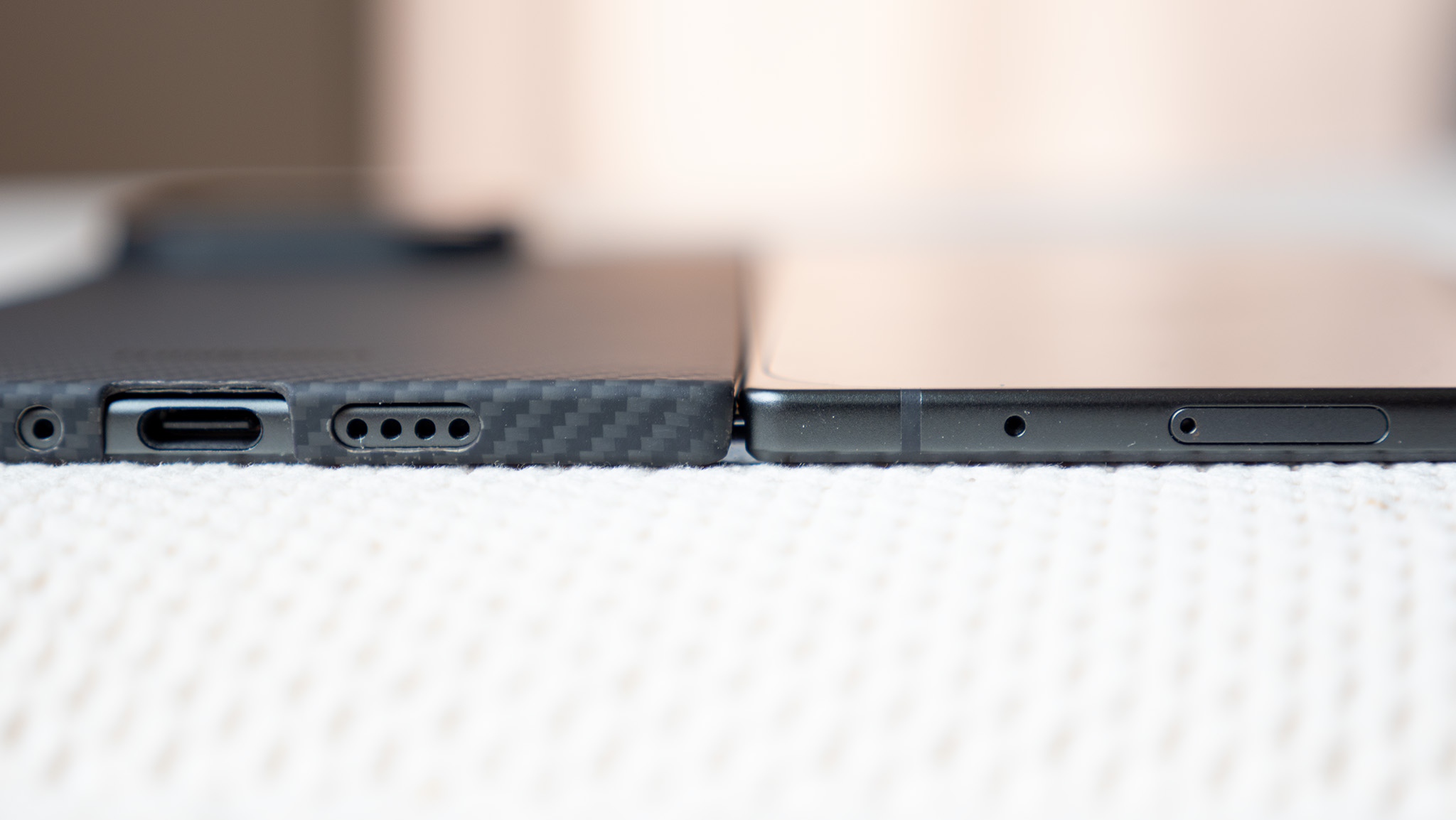
Using a Thinborne case to even out the Google Pixel 11 Pro Fold's uneven design
Nicholas Sutrich / Android Central
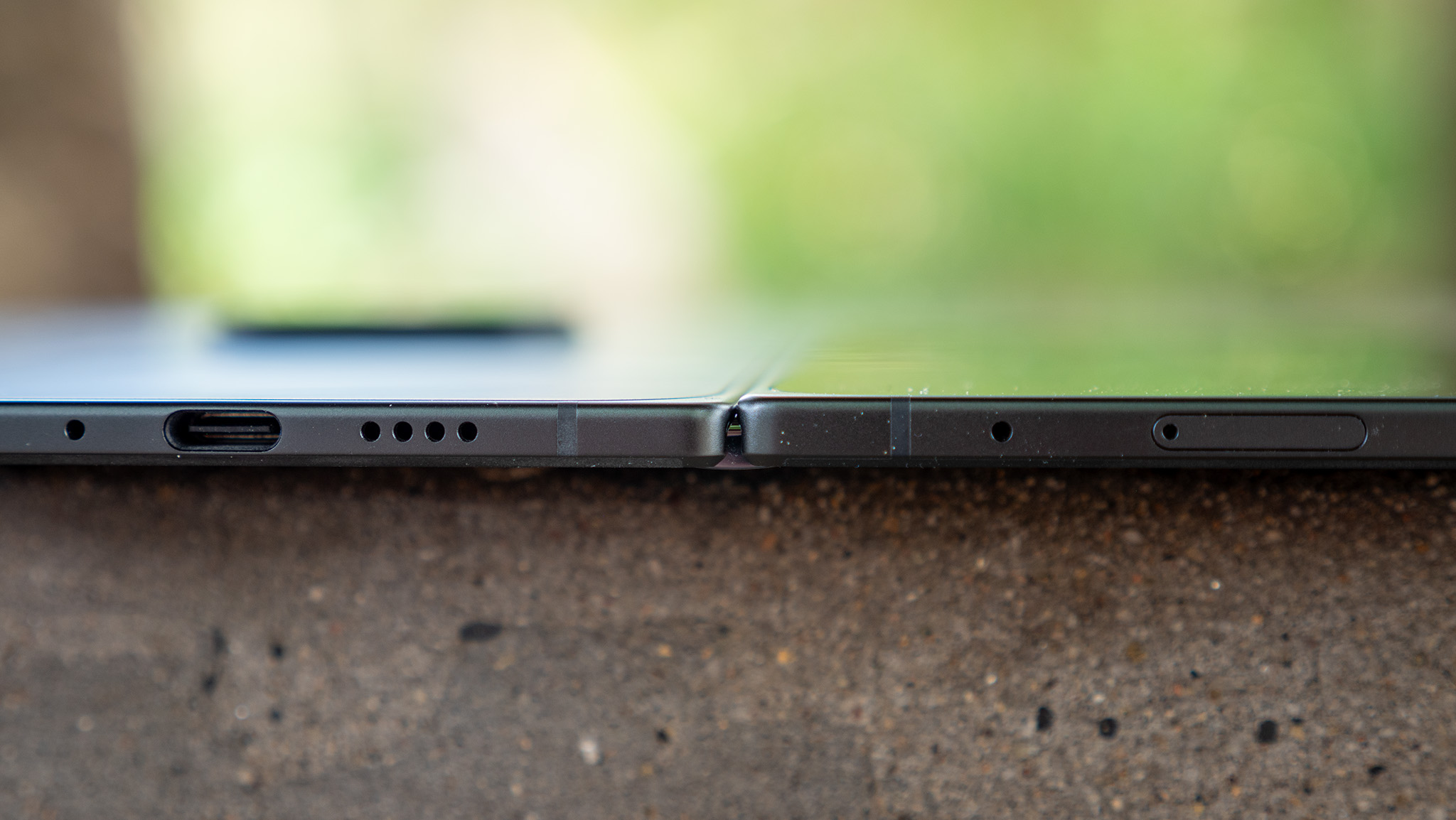
Looking at the uneven front and back sides of the Google Pixel 11 Pro Fold
Nicholas Sutrich / Android Central

I genuinely love the size and aspect ratio of the Pixel 11 Pro Fold when compared to other tall book-style foldables, but the sides are too flat for their own good. This makes it harder to open than it should be; something you don't want on a folding phone!

The phone is nearly 1mm thinner this year, but the back half is thinner than the front. It looks really weird if you compare them, but a thin case (from a brand like Thinborne or Pitaka) mostly fixes the issue.

At the least, Tensor G6 delivers some truly solid new AI features. My favorite new feature (that's Pixel 11-exclusive) is Magic Capture, a camera mode that automatically saves photos while recording video.

It's a perfect use of AI to capture wonderful moments you might otherwise miss, and it means you get great photos and video every time you use it.

Comparing the Google Pixel 11 Pro Fold's cameras to the Samsung Galaxy Z Fold 8, Honor Magic V6, and Motorola Razr Fold
Android Central
Comparing the Google Pixel 11 Pro Fold's cameras to the Samsung Galaxy Z Fold 8, Honor Magic V6, and Motorola Razr Fold
Android Central
Comparing the Google Pixel 11 Pro Fold's cameras to the Samsung Galaxy Z Fold 8, Honor Magic V6, and Motorola Razr Fold
Android Central
Comparing the Google Pixel 11 Pro Fold's cameras to the Samsung Galaxy Z Fold 8, Honor Magic V6, and Motorola Razr Fold
Android Central
Comparing the Google Pixel 11 Pro Fold's cameras to the Samsung Galaxy Z Fold 8, Honor Magic V6, and Motorola Razr Fold
Android Central
Comparing the Google Pixel 11 Pro Fold's cameras to the Samsung Galaxy Z Fold 8, Honor Magic V6, and Motorola Razr Fold
Android Central
Comparing the Google Pixel 11 Pro Fold's cameras to the Samsung Galaxy Z Fold 8, Honor Magic V6, and Motorola Razr Fold
Android Central

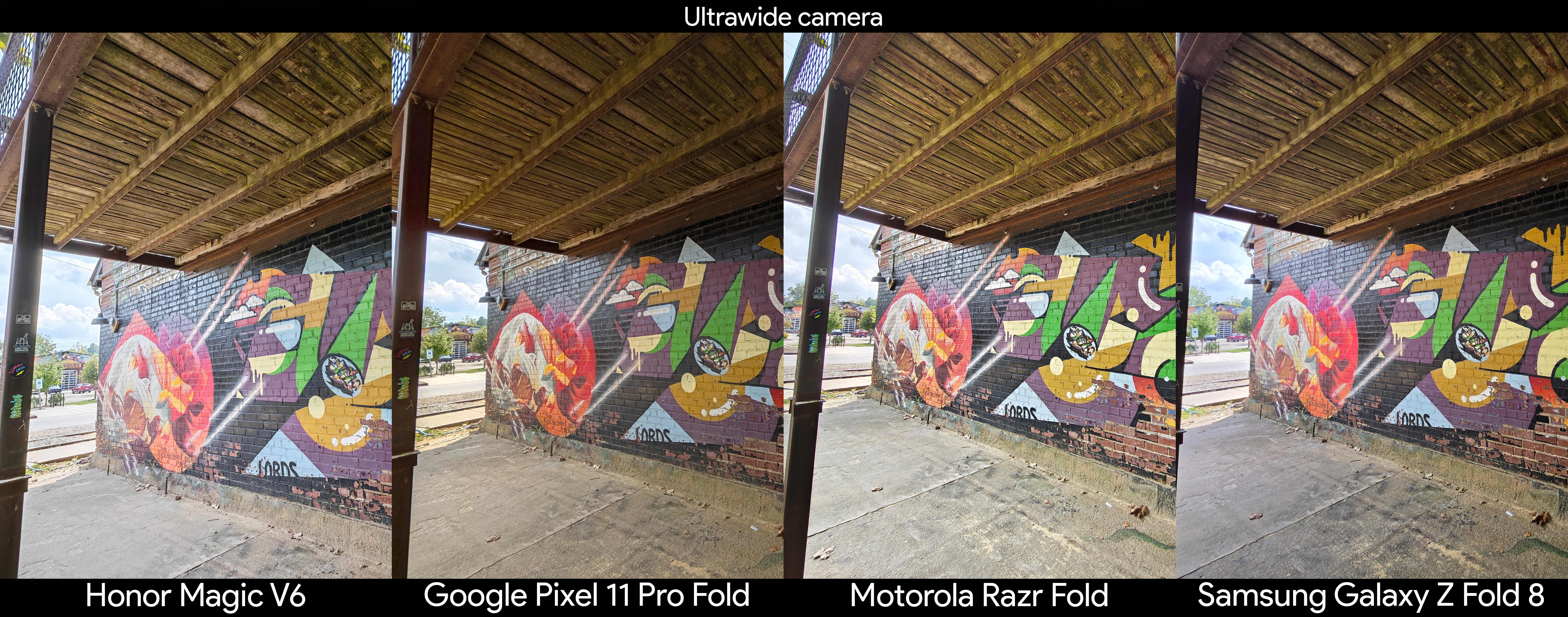
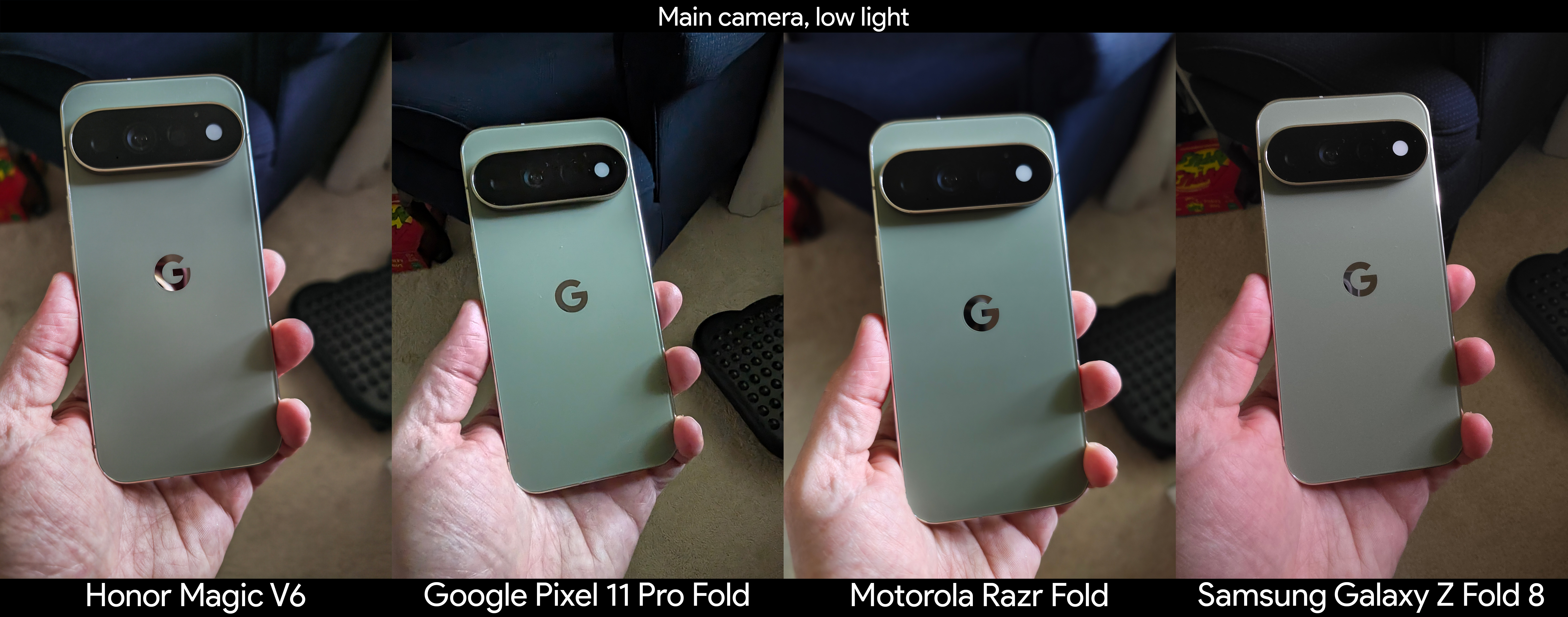
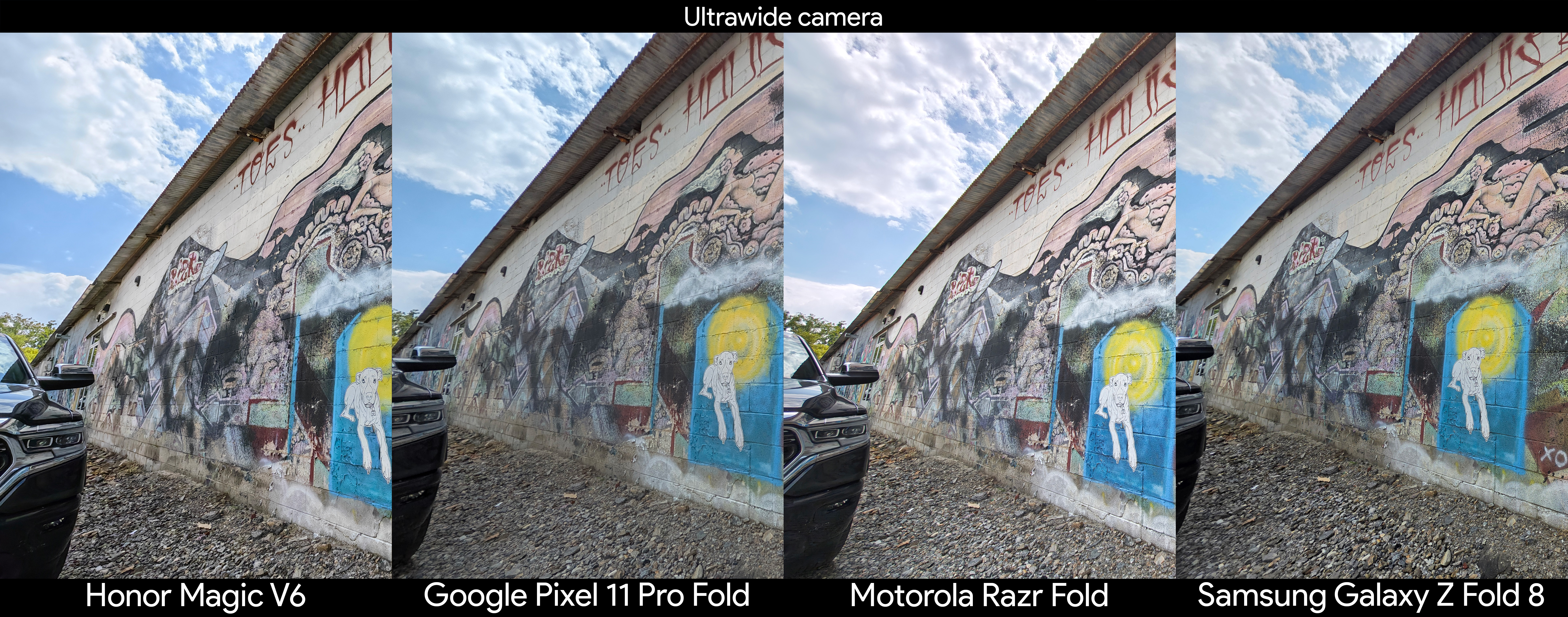
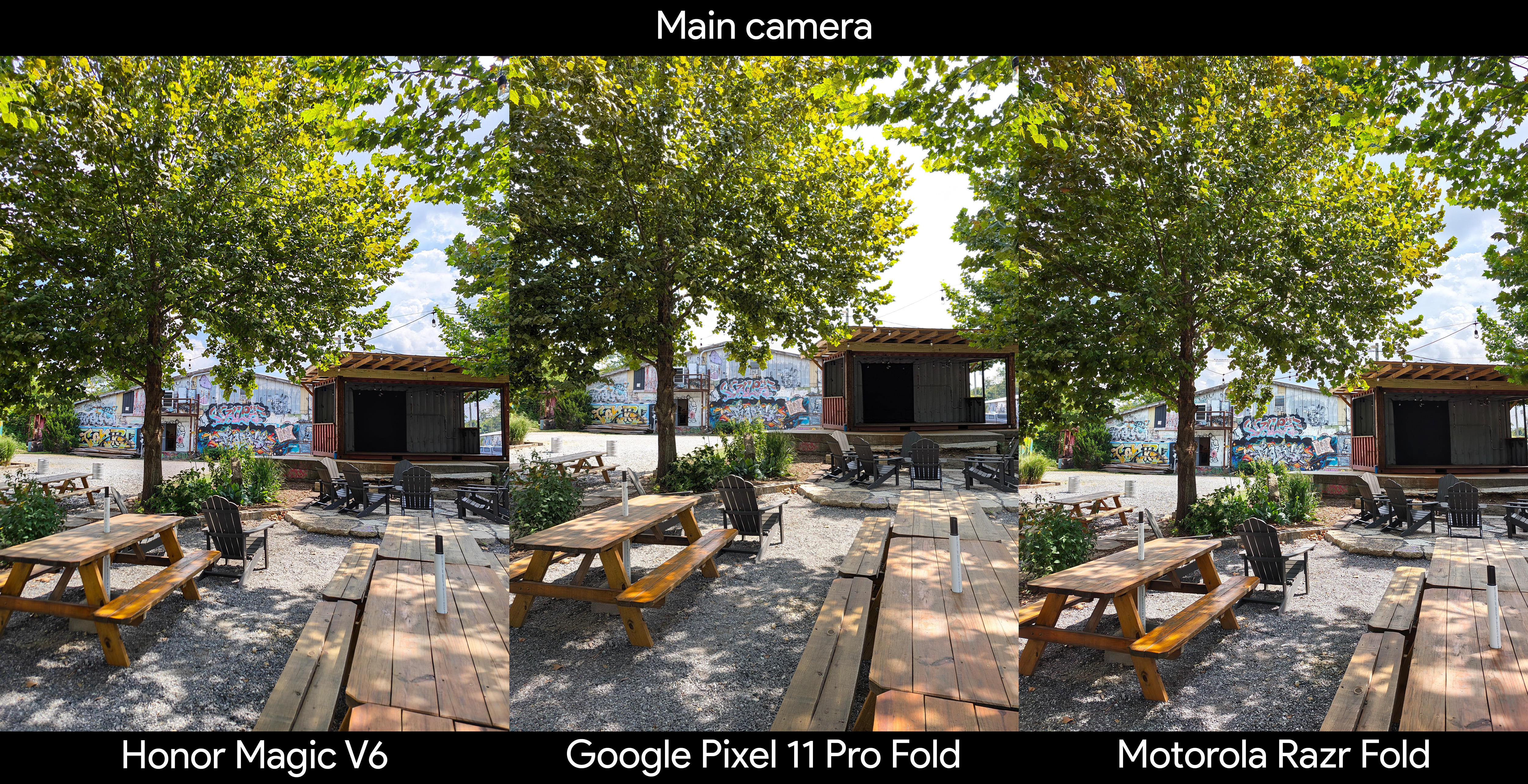
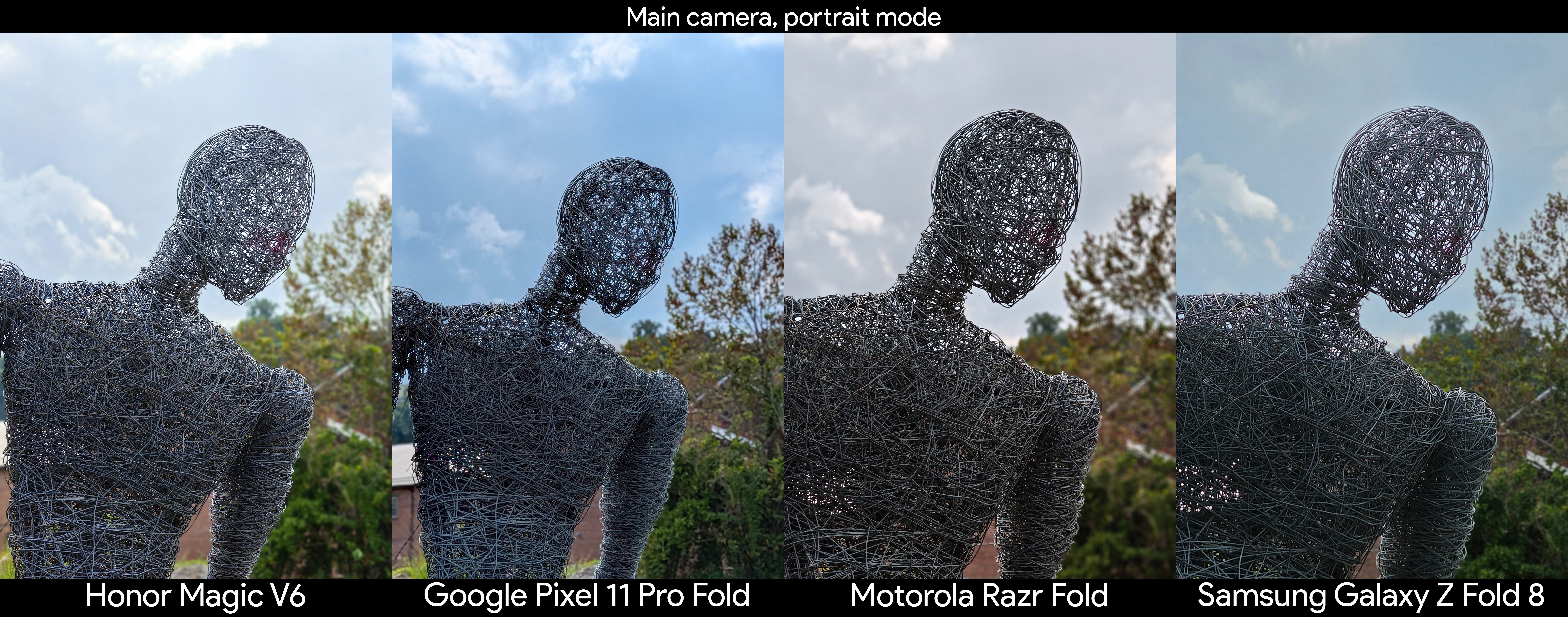
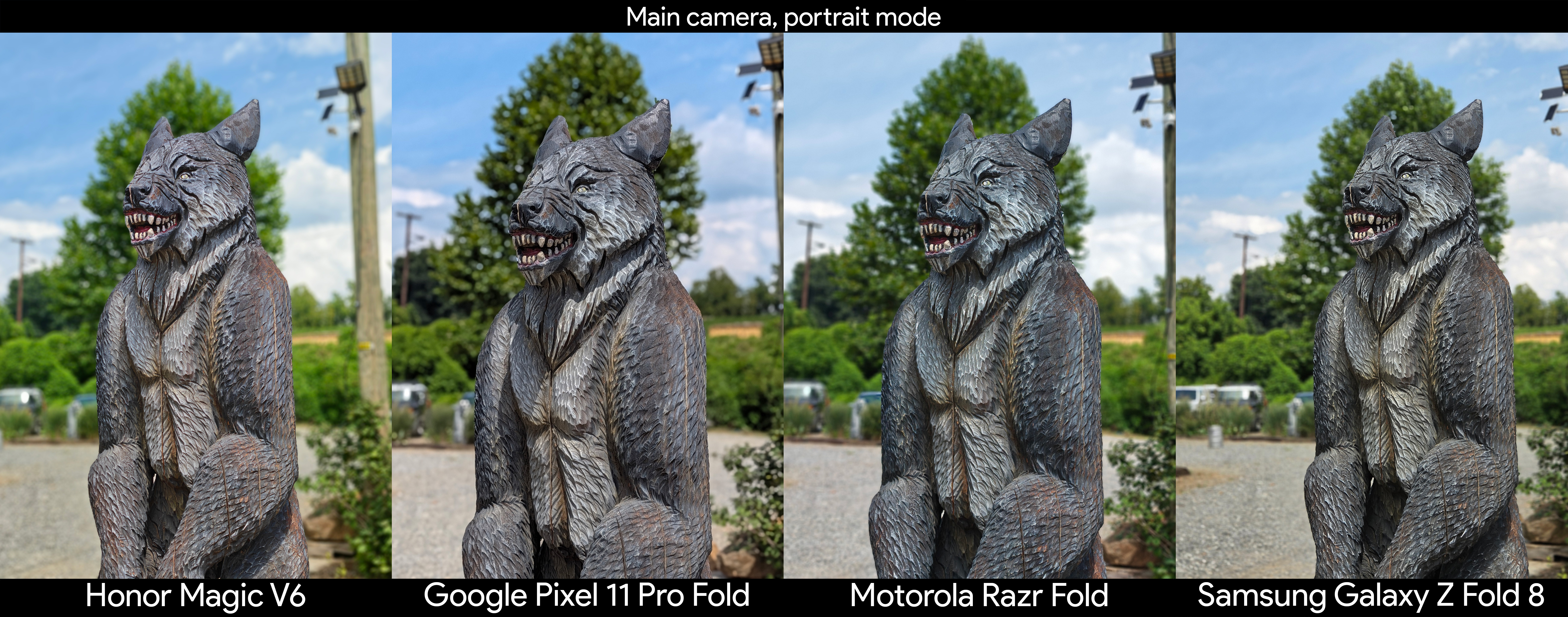
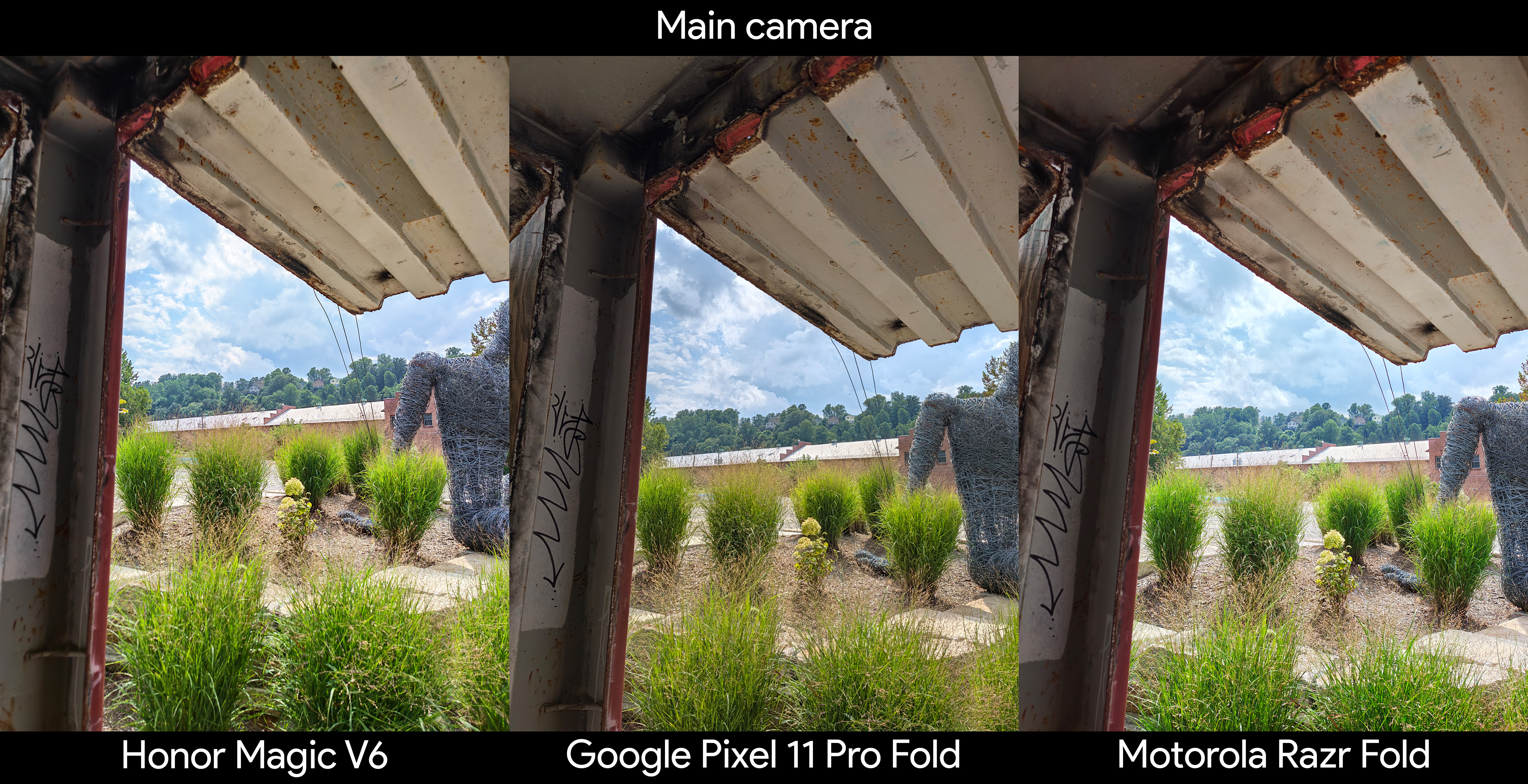
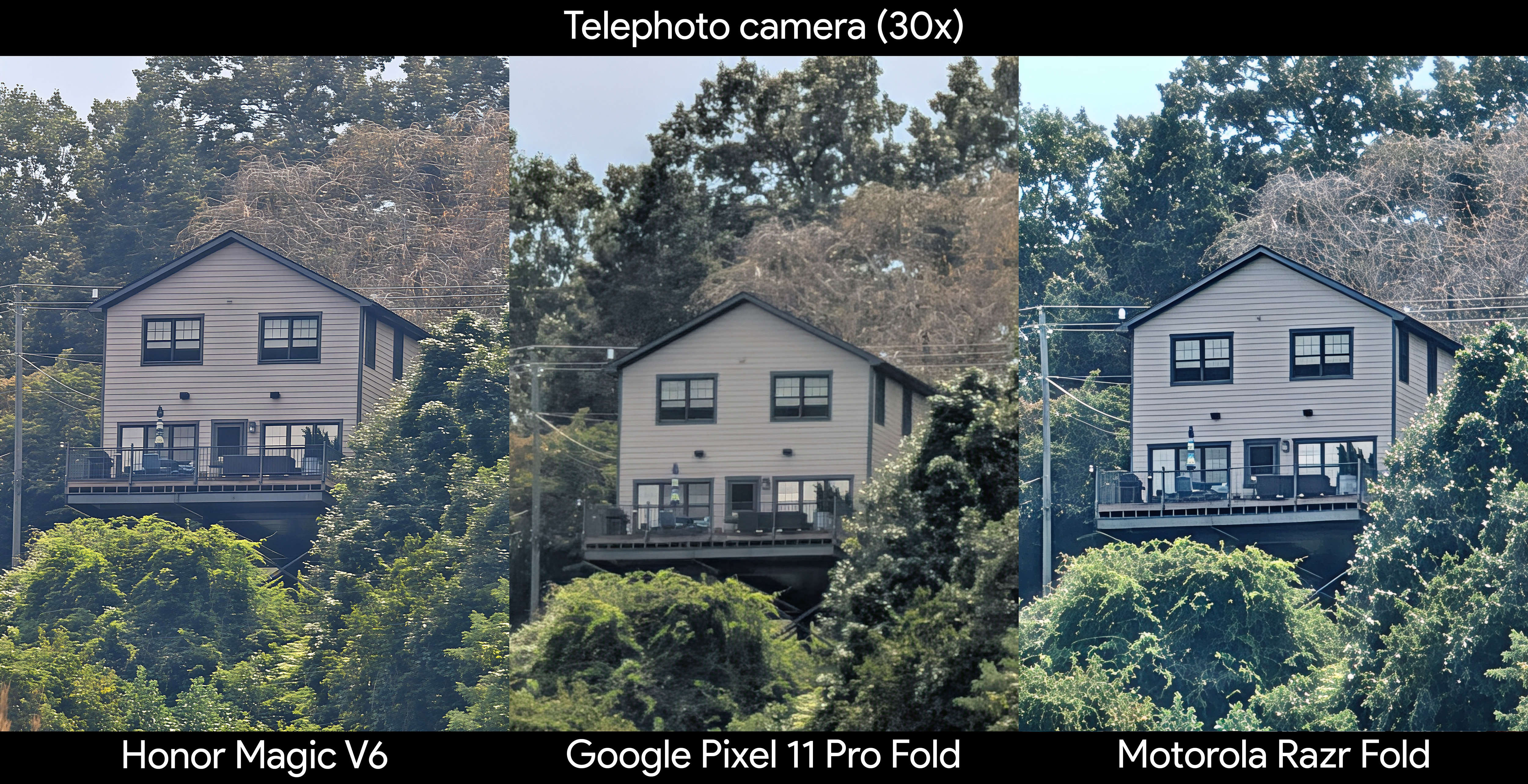
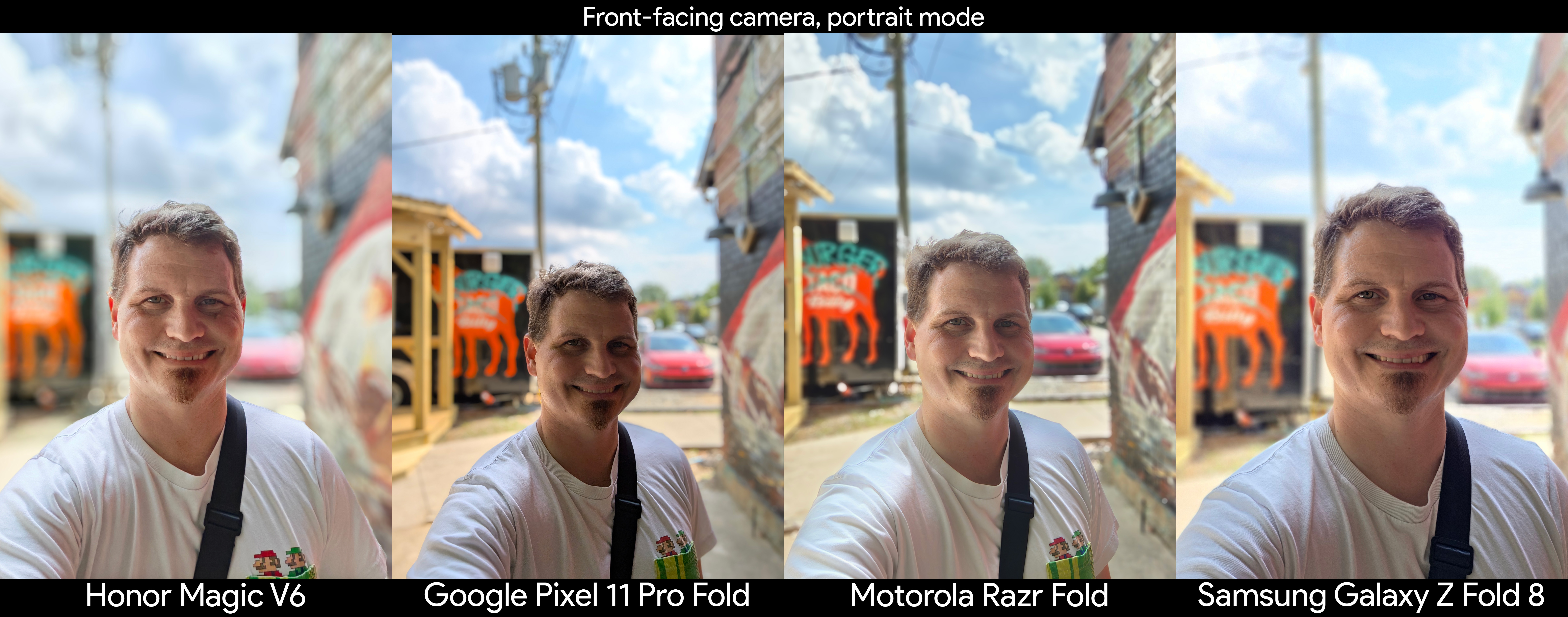
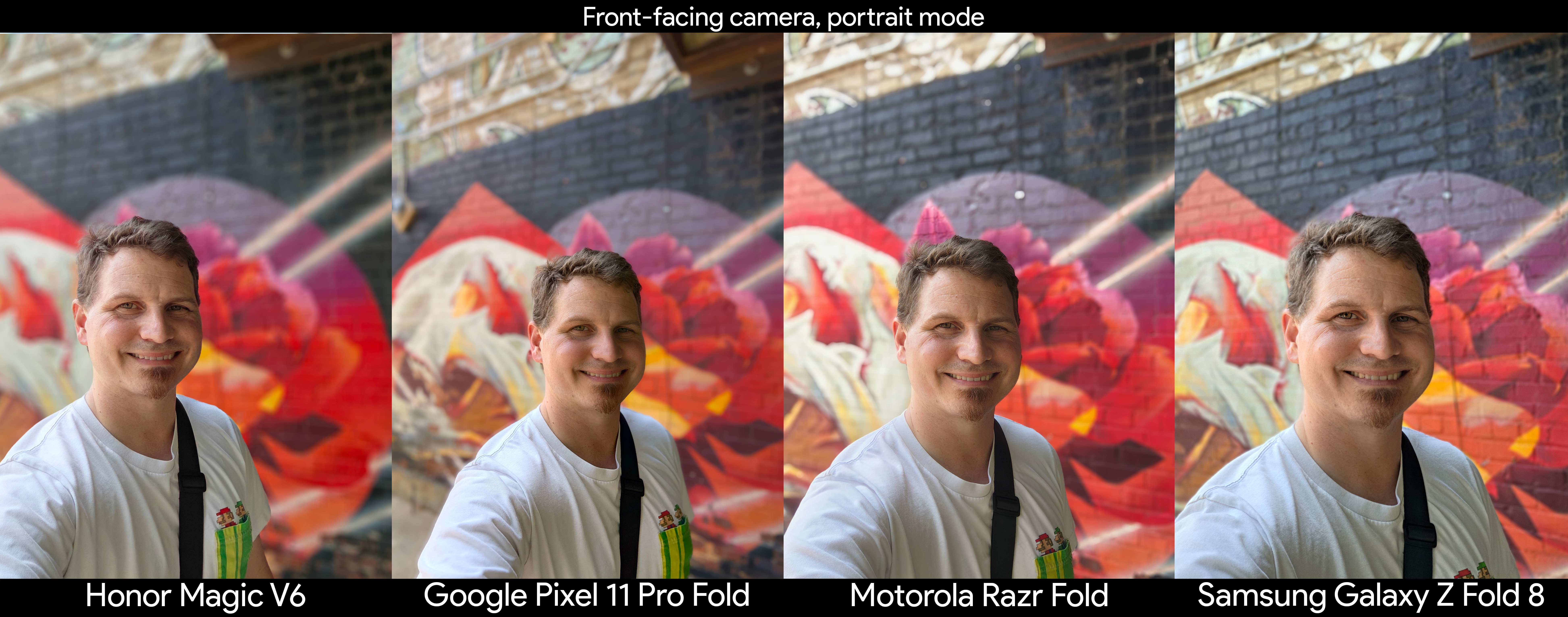
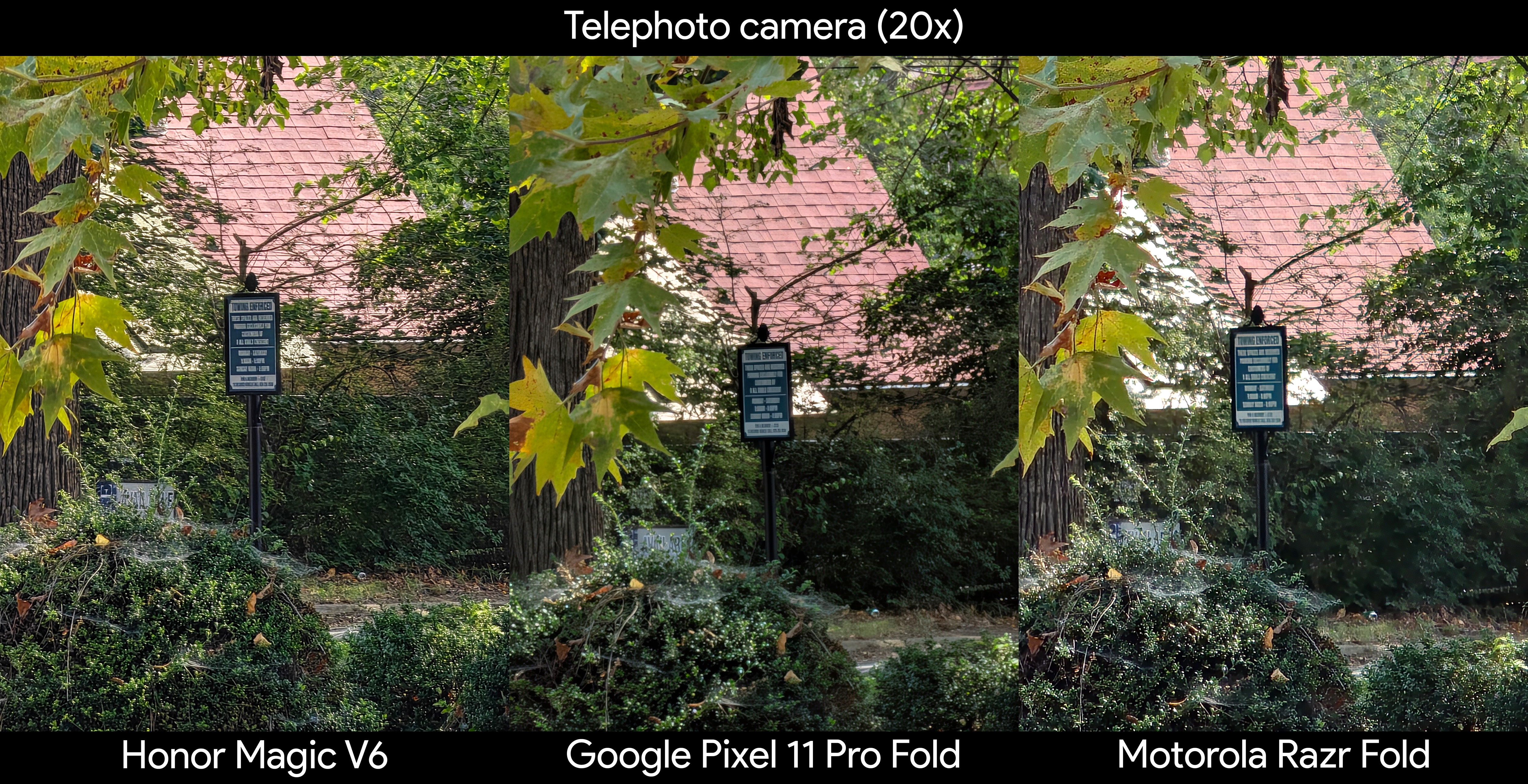
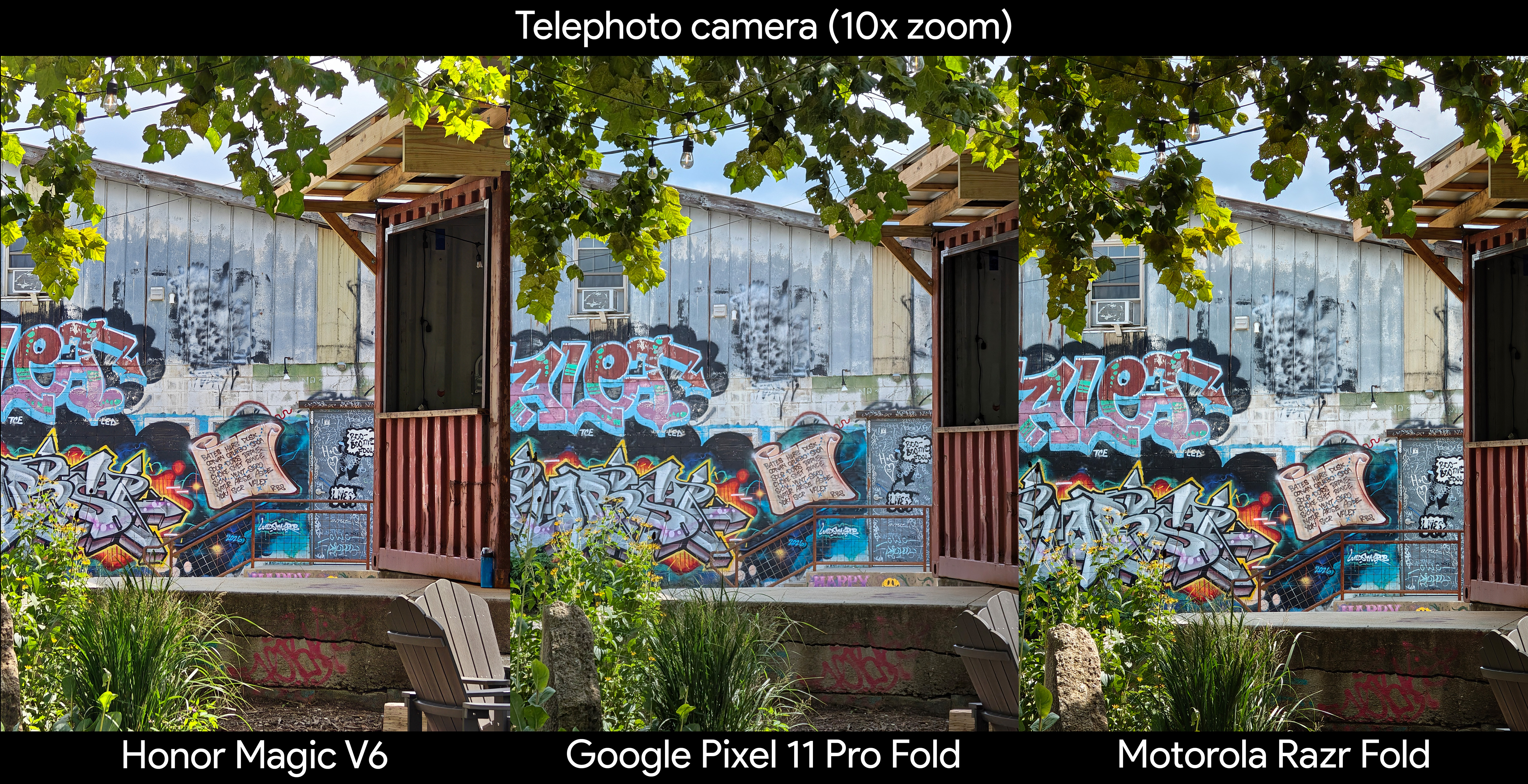
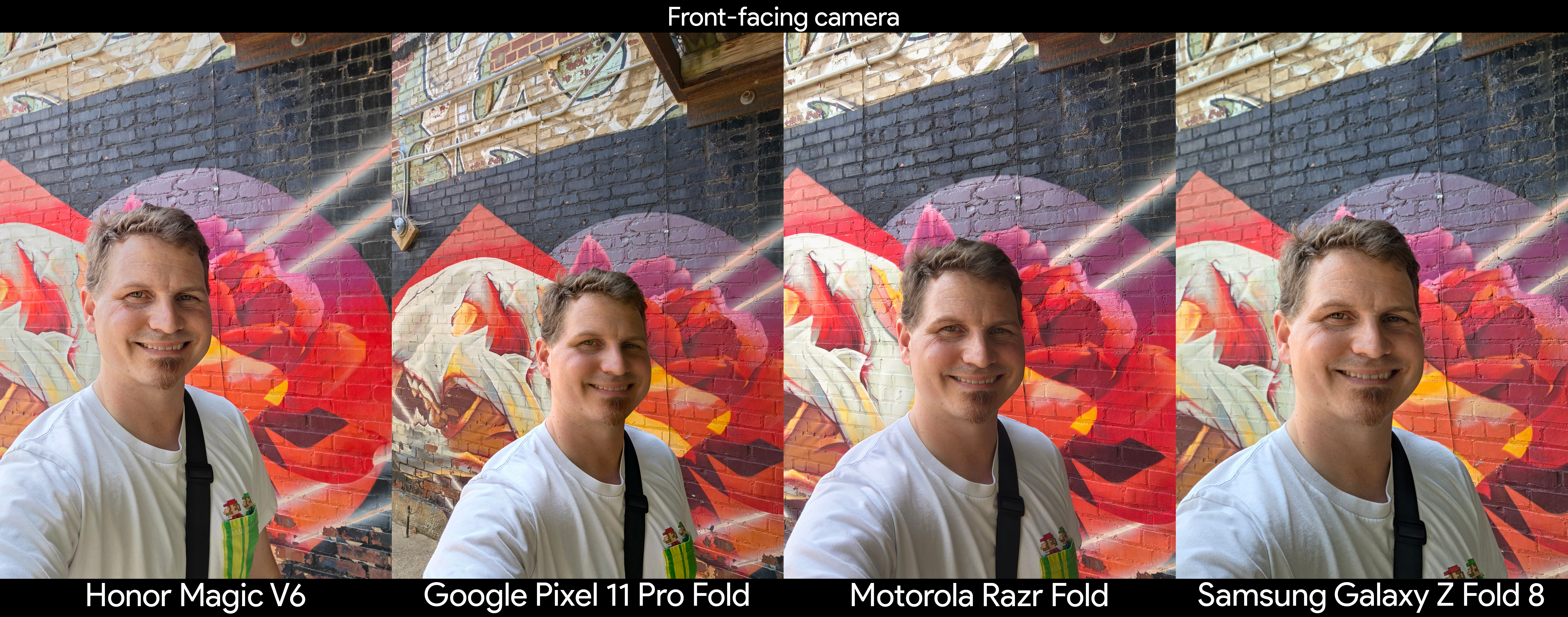
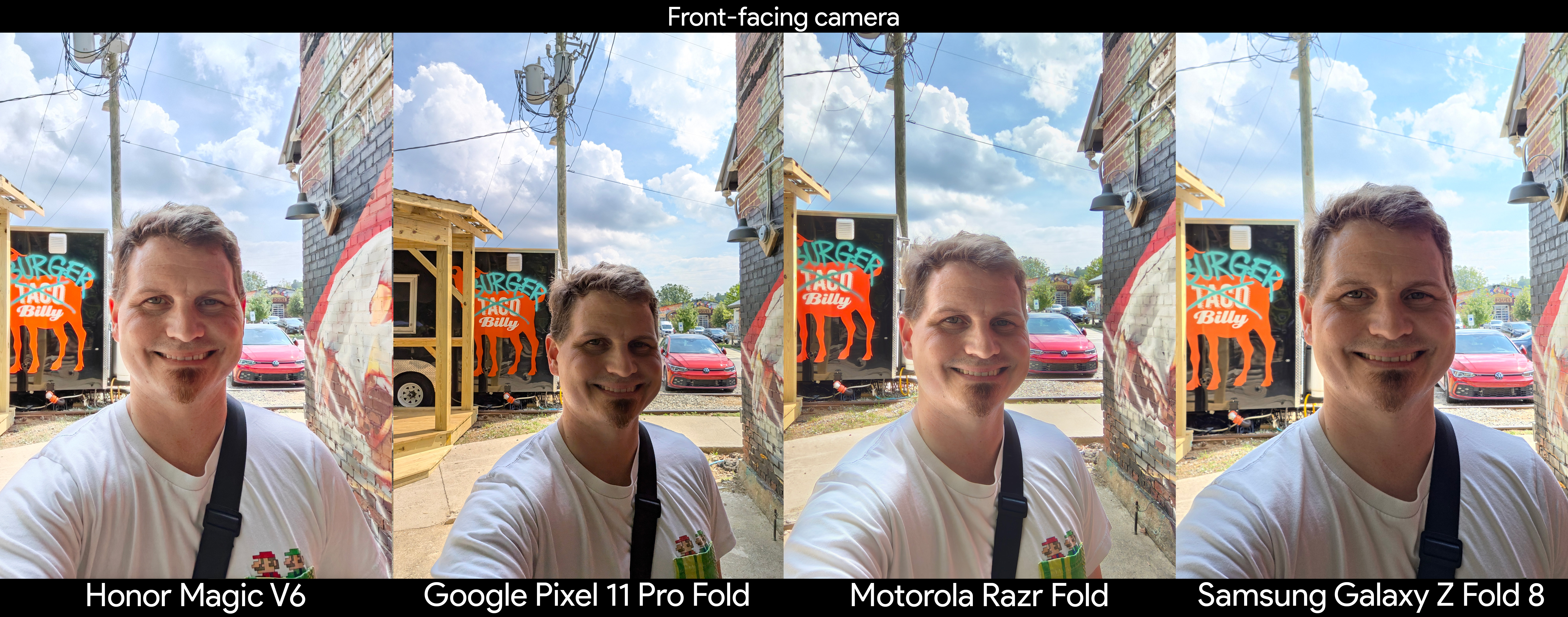
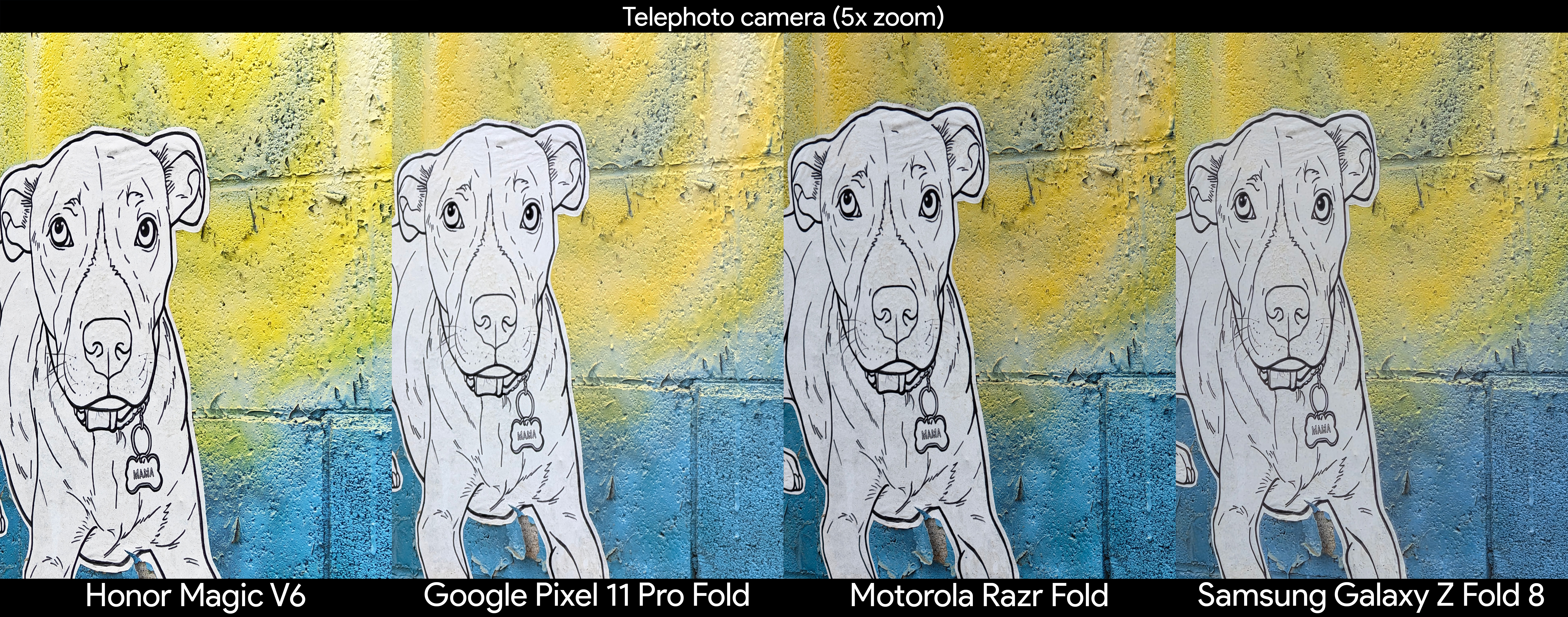
For this review, I compared the cameras on the Pixel 11 Pro Fold with the Samsung Galaxy Z Fold 8, Motorola Razr Fold, and Honor Magic V6. I found the main camera was fine enough, but dynamic range isn't the best, and the lovely texture detail from the Pixel 11 Pro/XL's cameras isn't here, so fine detail is softer than I'd like.

Likewise, the improvements to the portrait mode on the Pixel 11 Pro/XL don't appear to be present on this phone, as the cutouts around the subject are quite messy, similar to the Pixel 9 and 10 series.

The ultrawide camera is also decent but took an easy third place among the four foldables I tested. Details are soft and edge warping is pretty bad, but it has nice exposure that verges slightly on the darker side.

Comparing the Google Pixel 11 Pro Fold's cameras to the Samsung Galaxy Z Fold 8, Honor Magic V6, and Motorola Razr Fold
Android Central
Comparing the Google Pixel 11 Pro Fold's cameras to the Samsung Galaxy Z Fold 8, Honor Magic V6, and Motorola Razr Fold
Android Central
Comparing the Google Pixel 11 Pro Fold's cameras to the Samsung Galaxy Z Fold 8, Honor Magic V6, and Motorola Razr Fold
Android Central
Comparing the Google Pixel 11 Pro Fold's cameras to the Samsung Galaxy Z Fold 8, Honor Magic V6, and Motorola Razr Fold
Android Central
Comparing the Google Pixel 11 Pro Fold's cameras to the Samsung Galaxy Z Fold 8, Honor Magic V6, and Motorola Razr Fold
Android Central
Comparing the Google Pixel 11 Pro Fold's cameras to the Samsung Galaxy Z Fold 8, Honor Magic V6, and Motorola Razr Fold
Android Central
Comparing the Google Pixel 11 Pro Fold's cameras to the Samsung Galaxy Z Fold 8, Honor Magic V6, and Motorola Razr Fold
Android Central
Comparing the Google Pixel 11 Pro Fold's cameras to the Samsung Galaxy Z Fold 8, Honor Magic V6, and Motorola Razr Fold
Android Central
Comparing the Google Pixel 11 Pro Fold's cameras to the Samsung Galaxy Z Fold 8, Honor Magic V6, and Motorola Razr Fold
Android Central

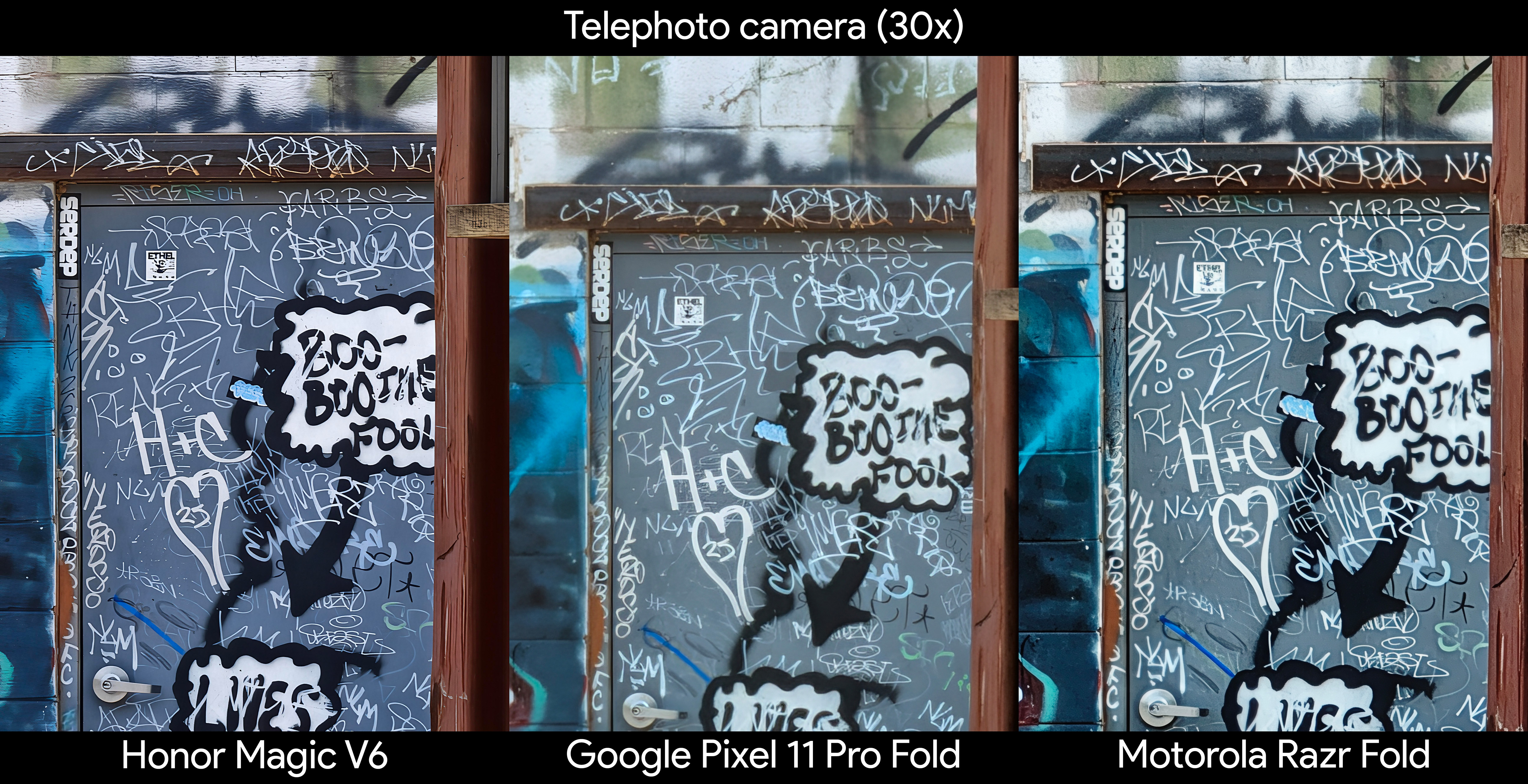
Telephoto camera processing is a little more raw than the competition, and I can see people liking this a lot. It creates a more "lens-like" appearance at the expense of detail, but that more natural look is a good one. Zoom maxes out at 30x while Honor and Razr go much further, but you may not care much.

Front-facing camera resolution is excellent, but dynamic range can be an issue. Like the main camera, the portrait mode is messier than the non-folding Pixel 11 Pro models, leaving annoying artifacts around the edges of subjects.

But many of the same old problems

Battery life usage on the Google Pixel 11 Pro Fold

(Image credit: Nicholas Sutrich / Android Central)

Unfortunately, while there are a ton of improvements this year, many of the same old Pixel problems still exist on this phone. Tensor G6 might be 15% faster than G5, for instance, but it's still around 30% slower than rivals. That gap widens even further to around 50% slower in gaming, which is further worsened by the lack of support for newer Vulkan features, meaning several games will disable advanced graphics settings on this phone.

The PWM dimming rate on this phone is still abysmal compared to any non-Samsung foldable (meaning Motorola, Honor, Xiaomi, Vivo, etc.), making it impossible to use for anyone who is flicker-sensitive. Charging speed is also quite slow. Even the new Extreme Charging feature doesn't save it. And the only way you're getting Google's promised "30+ hour battery life" is if you barely use it during that time.

The home screen on an unfolded Google Pixel 11 Pro Fold

(Image credit: Nicholas Sutrich / Android Central)

Lastly, I've found that HiLight and Gemini Proactive Assistance — two of the Hallmark Pixel 11 features — aren't very useful for me. I rarely saw Proactive Assistance give me any help, and HiLight feels mostly like a waste of space on the back since you can't customize it at all. The LED just illuminates for calls and texts, or when talking to Gemini. Definitely a disappointment.

The Pixel 11 Pro Fold is definitely a good phone, but in a year with rising prices, increased competition, and eroded trust after plenty of bad software updates, it's tough to recommend unless you really love a specific feature like Magic Capture or the new Creator Studio tools.