What you need to know
- Google says Chrome on Android now experiences 48% fewer scroll stutters than in 2023.
- The improvements are the result of nearly three years of engineering work.
- Google redesigned several parts of Chrome's rendering pipeline to achieve this.
If you've felt lately that the Chrome app on Android is smoother while scrolling through articles (like this one, even), it's probably because you're using the end result of three years of engineering work behind the scenes at Google.
While Google may be focusing heavily on new AI features, like bringing more Gemini into Chrome, there are also plenty of other improvements the company has been quietly working on for Chrome on Android. Take, for example, that split-second stutter you sometimes notice when scrolling through a webpage before it carries on as normal, which Google internally calls "scroll jank."
In a new engineering blog post, Google says Chrome on Android now experiences 48% fewer janky scrolls than it did back in late 2023.
According to Google, scroll jank happens when Chrome fails to update the page quickly enough to keep up with your finger. Even though the delay may only last a fraction of a second, it's still enough for the human eye to notice, making the whole scrolling experience feel jerky.
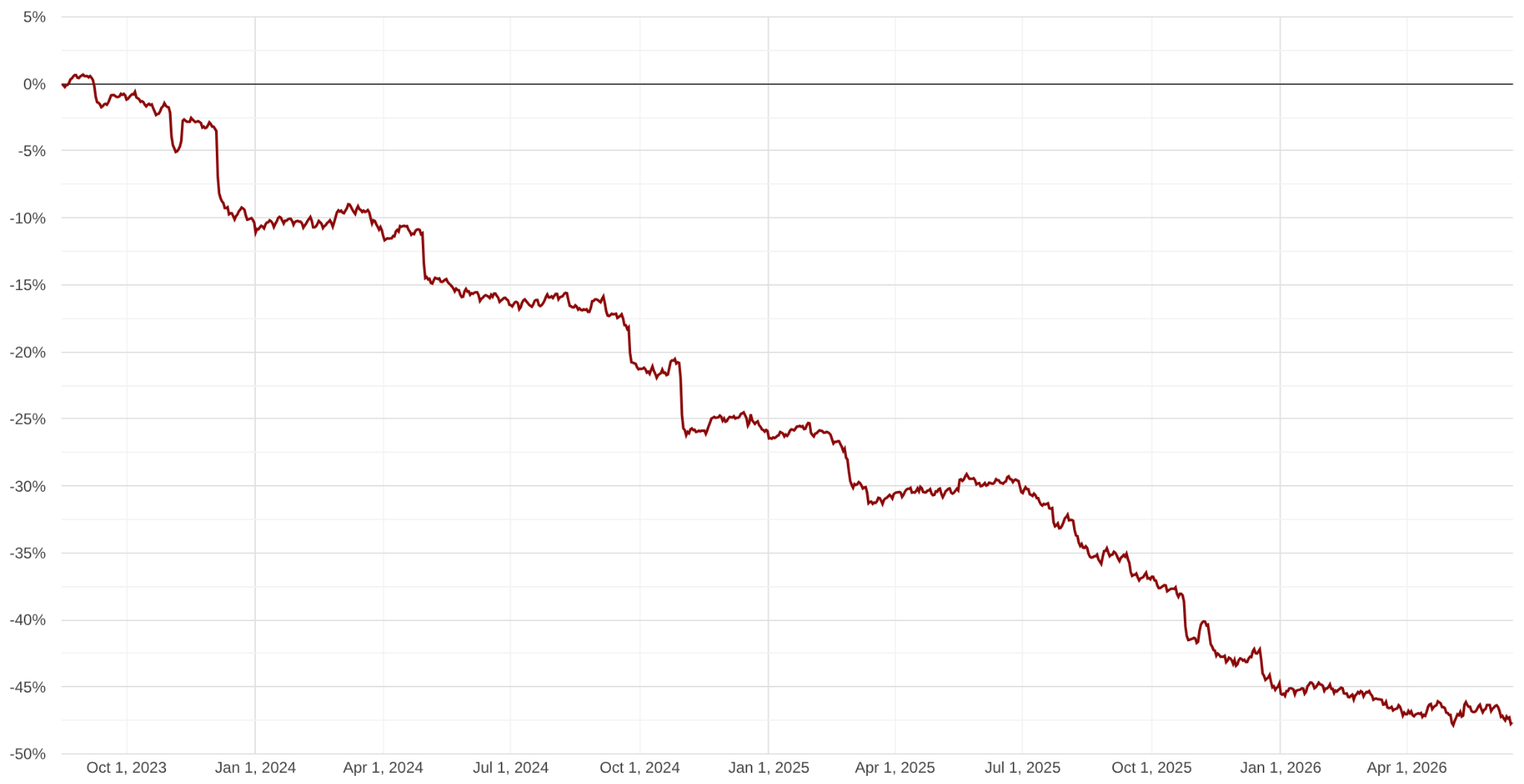
The company says that getting rid of those interruptions wasn't as simple as making Chrome faster. Google explains that Chrome's rendering pipeline is far more complex than a typical Android app because the browser spreads work across multiple processes for security and stability. That means there are far more opportunities for tiny delays to build up before a frame finally appears on screen.
To tackle the problem, Google first spent months instrumenting Chrome's rendering pipeline to identify exactly where scroll stutters were occurring.
It then introduced a series of architectural improvements over the following years, including rerouting touch input through a faster path, reducing communication delays between browser processes, and moving more work onto the GPU.
Google also worked alongside Android itself to prioritize the operating system's input threads, helping touch events reach Chrome more consistently, thus helping it produce frames more reliably.
Google went into a lot more depth about exactly how it fixed all this, but I won't bore you with the technical details. In case you've been wondering why Chrome doesn't feel so bad on Android anymore, this is why your feed might feel a little less jumpy than it did a couple of years ago.

Tidak ada komentar:
Posting Komentar