Appnext

Sabtu, 14 November 2026

Sennheiser keeps the Momentum going with great improvements over the True Wireless 4

Sennheiser is one of my go-to audio brands for quality consumer and reference audio. And for good reason: they often produce products that have crystal clarity, are well-balanced with great detail retrieval, while still being fun to listen to rather than clinical.

When it comes to their Bluetooth devices, they prioritize audio quality over active noise canceling, but with the introduction of their new Sennheiser Momentum True Wireless 5, they’re closer than ever to ANC market leaders Sony and Bose.

Sennheiser Momentum 5 specs

Categories

Sennheiser Momentum True Wireless 5

Conectivity

Bluetooth 6.0, Multipoint support

Drive units

7 mm TrueResponse dynamic drivers

Codec support

SBC, AAC, aptX Adaptive, aptX Lossless (Snapdragon Sound)

Battery life

Up to 6 hours (ANC on), 20-25 total with charging case; User-replaceable batteries

Charging

USB-C, 2 hrs for full charge; 8 min charging for up to 1 hr playtime

Durability

IP54

App support

Android, iOS

Audio tuning

8-band EQ (app), Personalized sound

Microphone

6 mics combined with 2 bone-conduction voice accelerometers

Colors

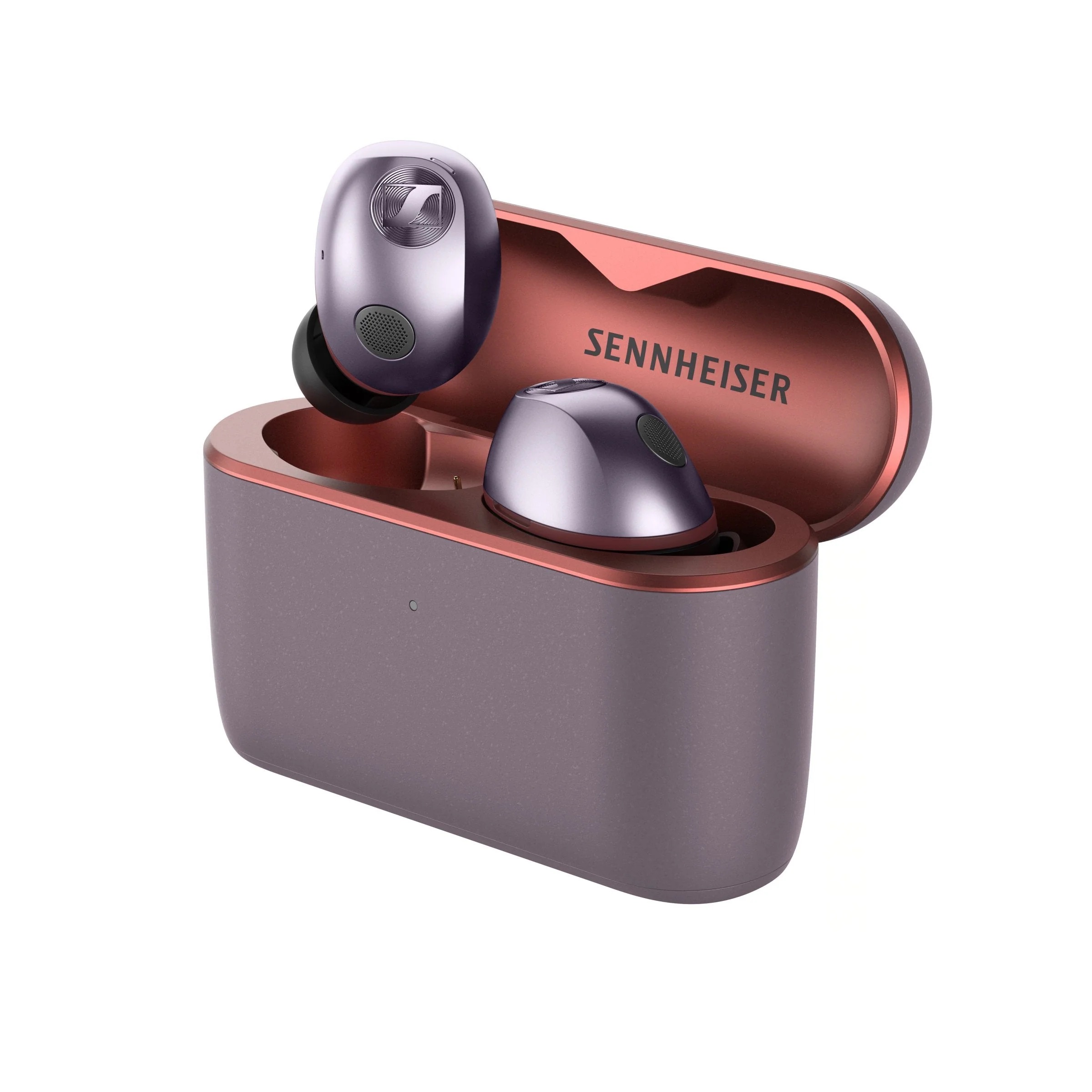
Copper, Cream, Graphite, Denim, Lavender

Looks maxing - They’ve had some work done!
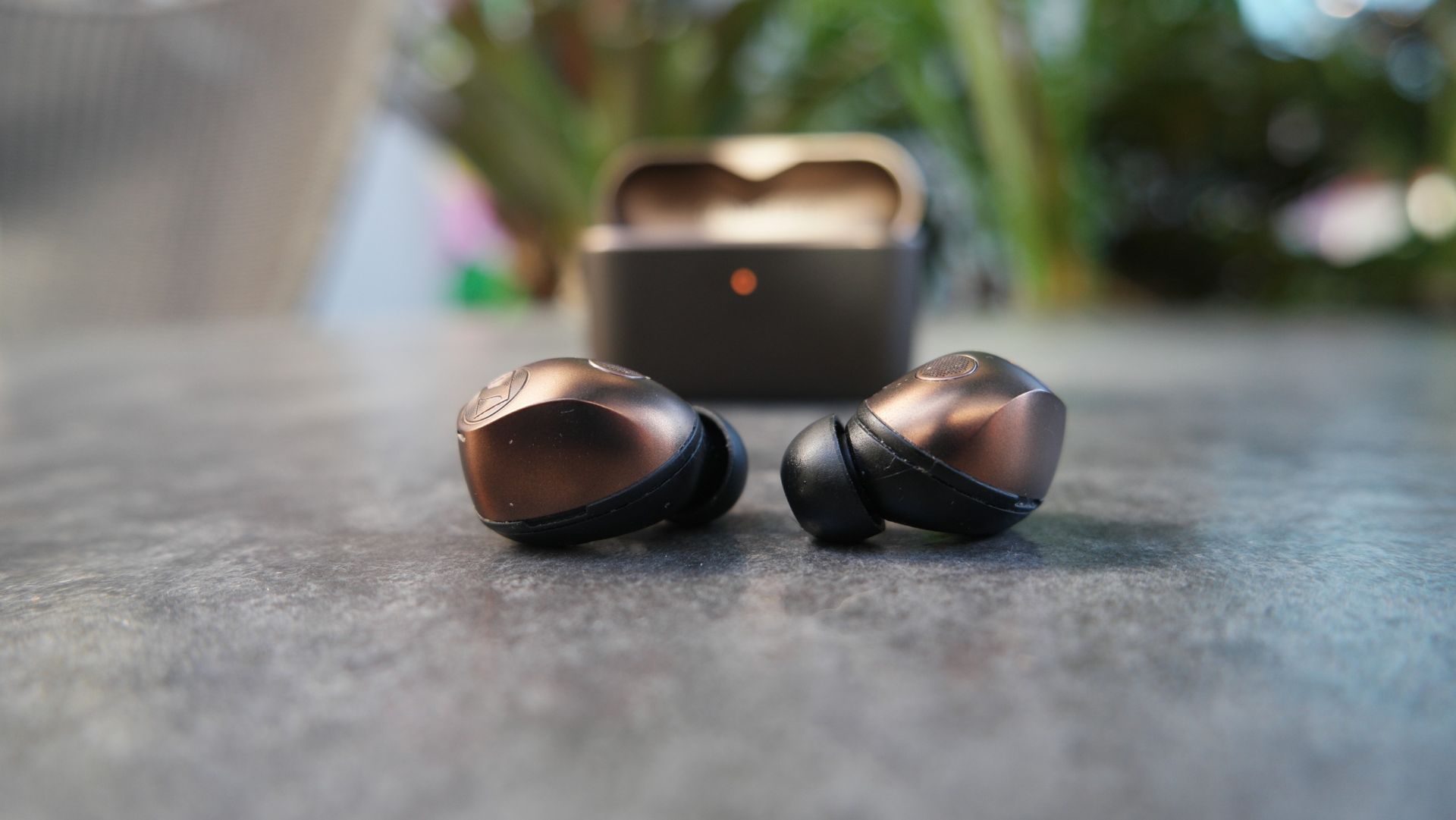
Sennheiser Momentum True Wireless 5 on a table
@tshakaarmstrong
Sennheiser Momentum True Wireless 5 on a table
@tshakaarmstrong
Sennheiser Momentum True Wireless 5 on a table
@tshakaarmstrong

While I love Sennheiser’s sound quality, their boxy Bluetooth earbuds have not been the stuff of aesthetic excellence.

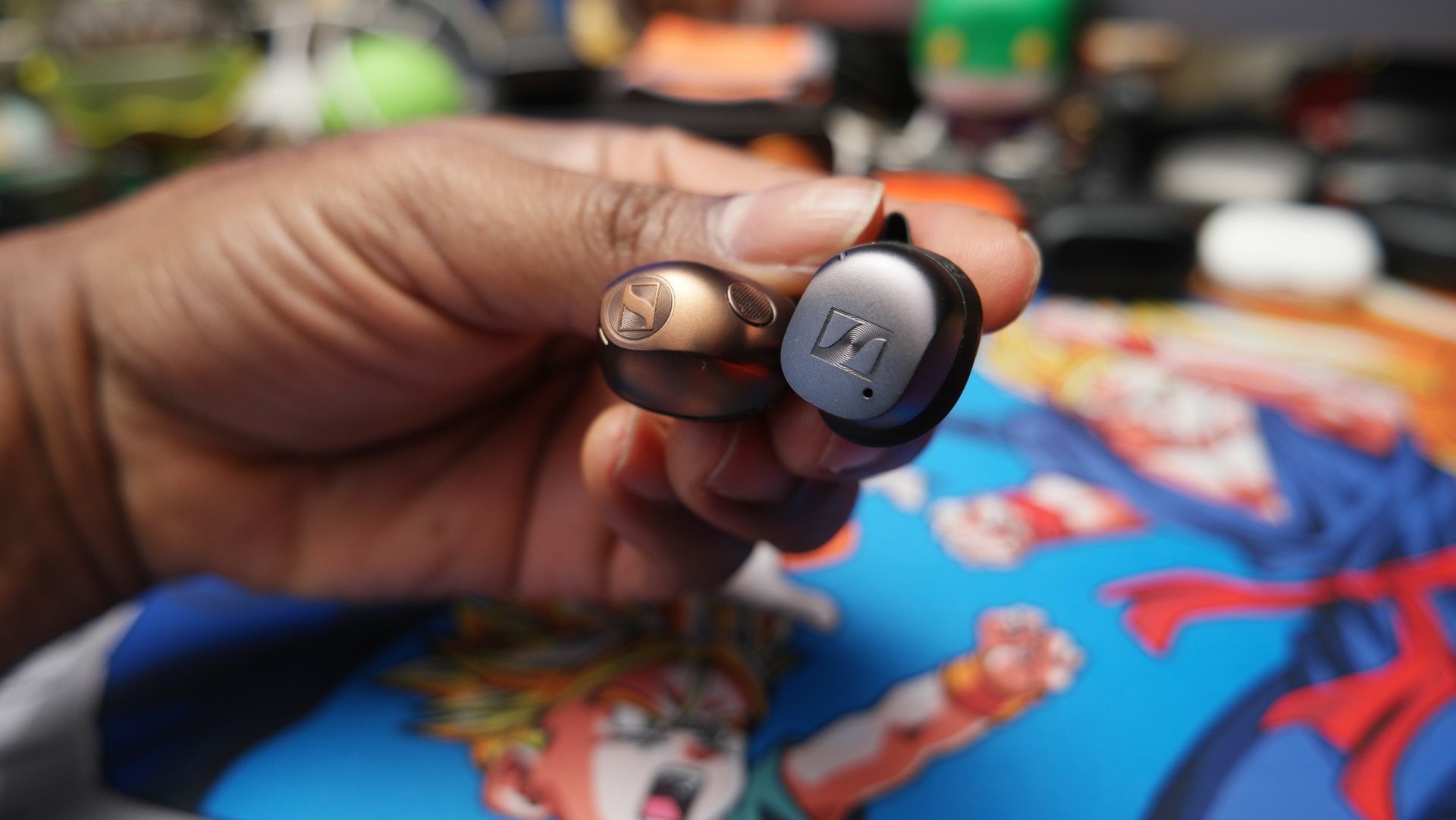
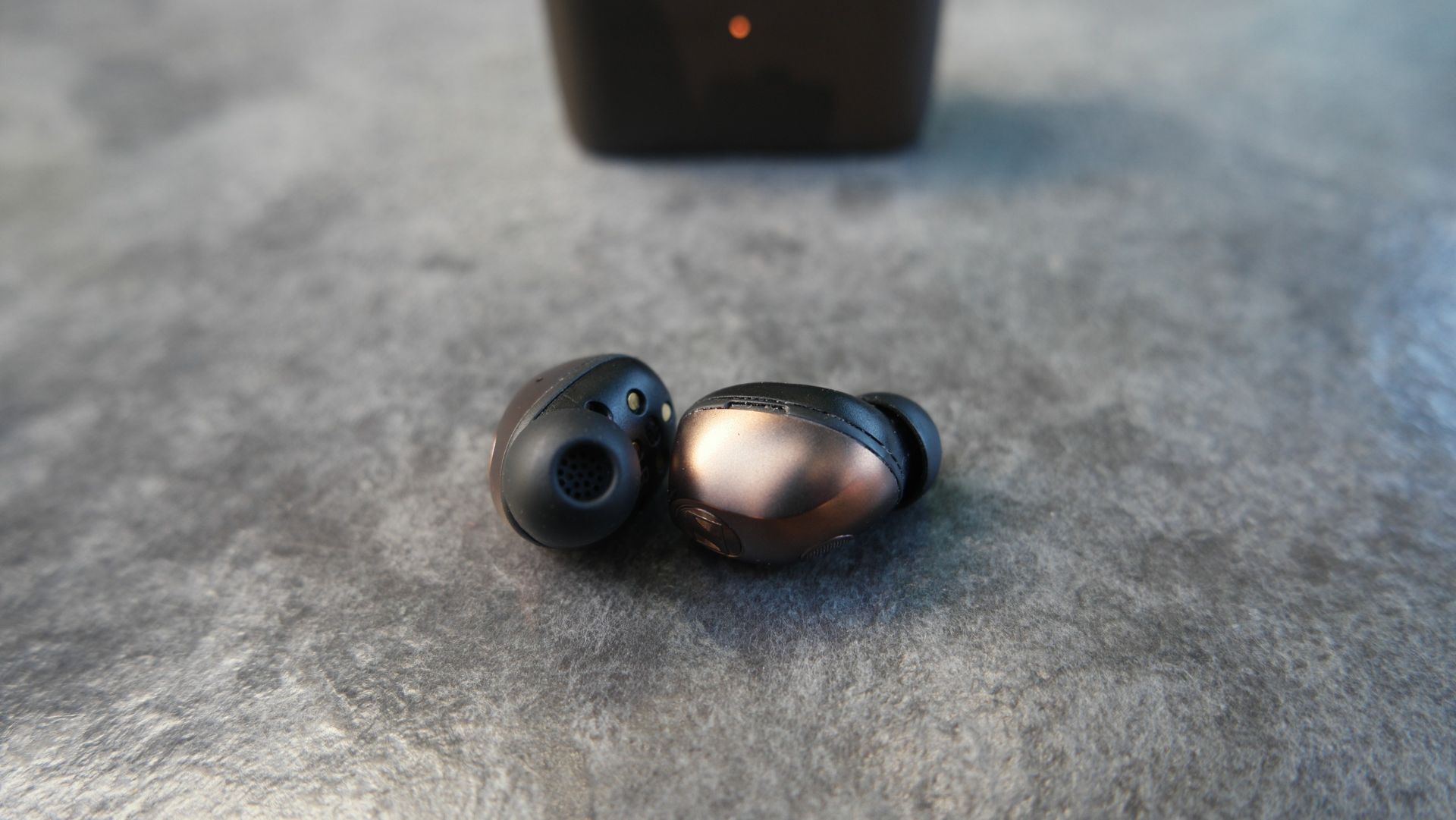
I’ve never called previous models “ugly,” but their looks have been rather dull. The Sennheiser Momentum True Wireless 5 (Momentum TW5 from here on) look like an artisan took the TW4 and carved away the boxy shape, smoothing those angular edges into a sleek, aerodynamic aesthetic (see the photo comparison in the gallery above).

This year, I have the Copper colorway, which is a combination of beautiful copper earbuds and case trim with textured brown case exteriors and the signature Sennheiser logo in copper on the ‘buds and silver on the case top. The case fits much better in my pants’ coin pocket this year than last year. Gone is the small, boxy case. Instead, you get a slim, pocketable case with wired and wireless charging, plus other features I’ll touch on shortly.

The earbuds from the previous generation fit my ears well, thanks to their shape and the silicone wings around the edges. The wings are gone now, but with the new shape and ergonomics, they fit my ears just as well as they did before, and that’s despite actually being heavier than the Momentum TW4, which also feels bulkier in my ears compared to the new Momentum TW5.

Woah! Upgrades
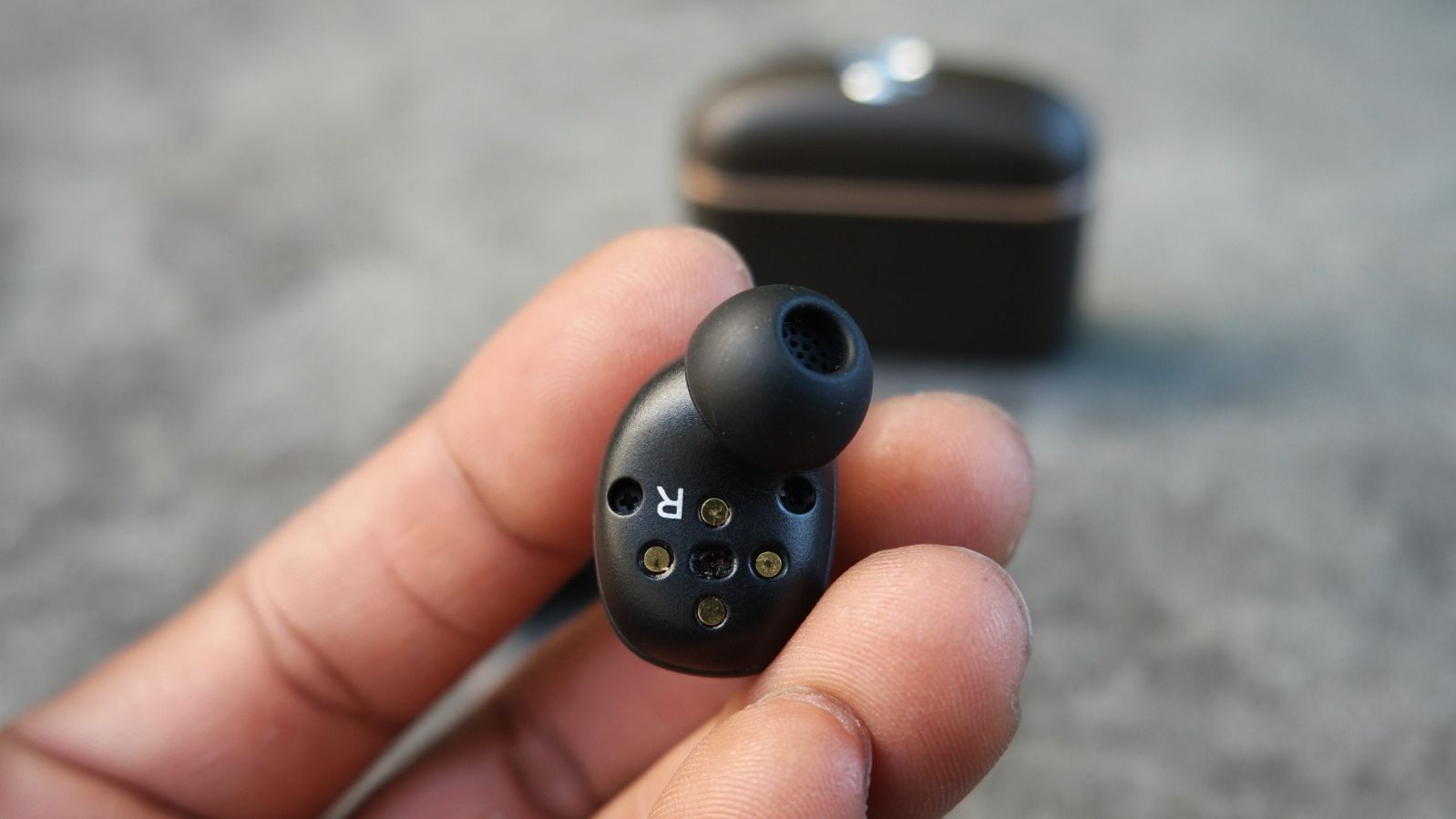
Sennheiser Momentum True Wireless 5 on a table

Sennheiser Momentum True Wireless 5 showing the screws you loosen to change out the battery (Image credit: @tshakaarmstrong)

Though the aesthetic upgrade is definitely welcome, the most important upgrades for many people will likely be the audio improvements in both sound reproduction and active noise canceling.

Let’s talk ANC, first. During my day one testing, I realized I’d need to pull out my previously tested Sony WF-1000XM6 earbuds because my first listen had me wondering whether Sennheiser had upped their ANC game to those levels; it was that good!

When it comes to noise-canceling earbuds, you can focus on either sound quality or aggressive noise canceling. Prioritizing one often comes at the expense of the other, so while Sennheiser’s ANC on previous models was good, it wasn’t market-leading. This time, Sennheiser’s engineers have greatly improved ANC across the frequency spectrum.
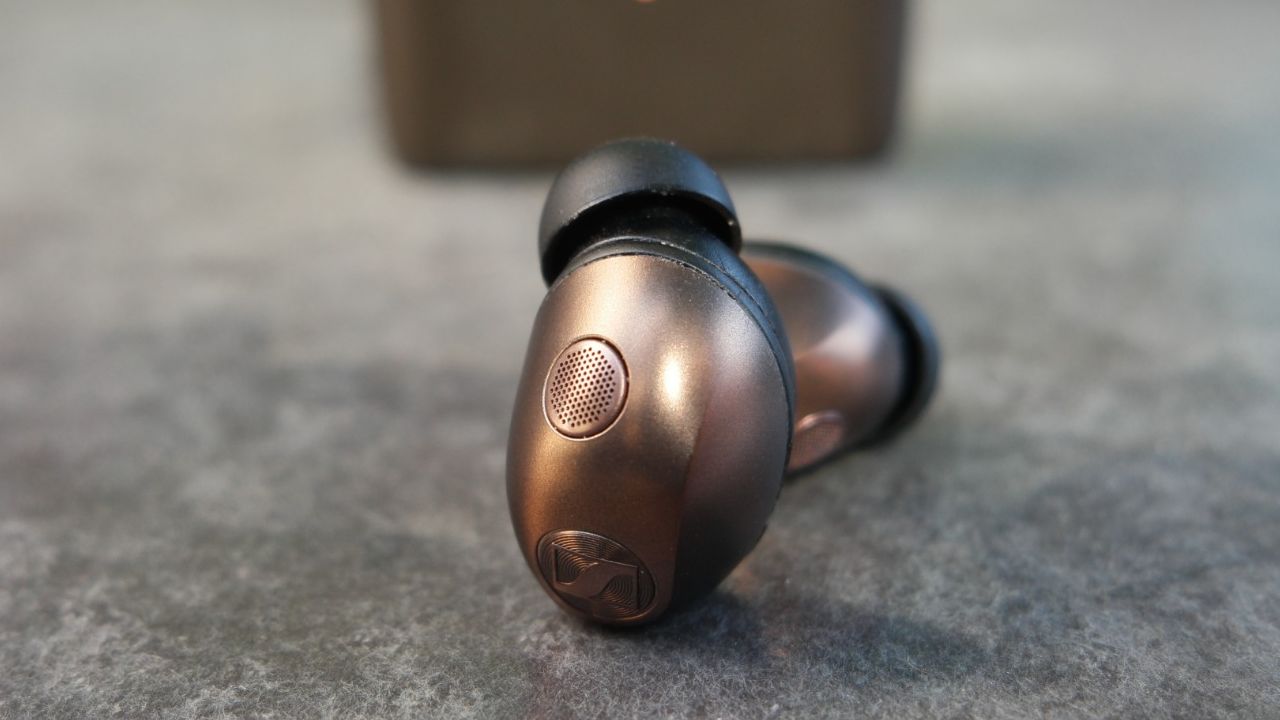
Sennheiser Momentum True Wireless 5 on a table

Sennheiser ANC microphone (Image credit: @tshakaarmstrong)

Though I wouldn’t run out to upgrade my earbuds just for improved ANC, this year’s model is definitely more aggressive at canceling noise than the Momentum TW4. You’ll hear more complete cancellation across the frequency spectrum. That means that you’ll hear less high-pitched urban traffic noise or subway sounds. Keyboard keystrokes should be a bit quieter. Cars whizzing by you; their engine noises will have decreased compared to the previous generation.

And while that's true when you compare the Momentum TW5 to the TW4, Sony’s WF-1000XM6 still hushes more of those same frequencies than the TW5. The difference in 2026 is that Sennheiser has closed the distance between the ANC it offers and what you’ll get from Sony.
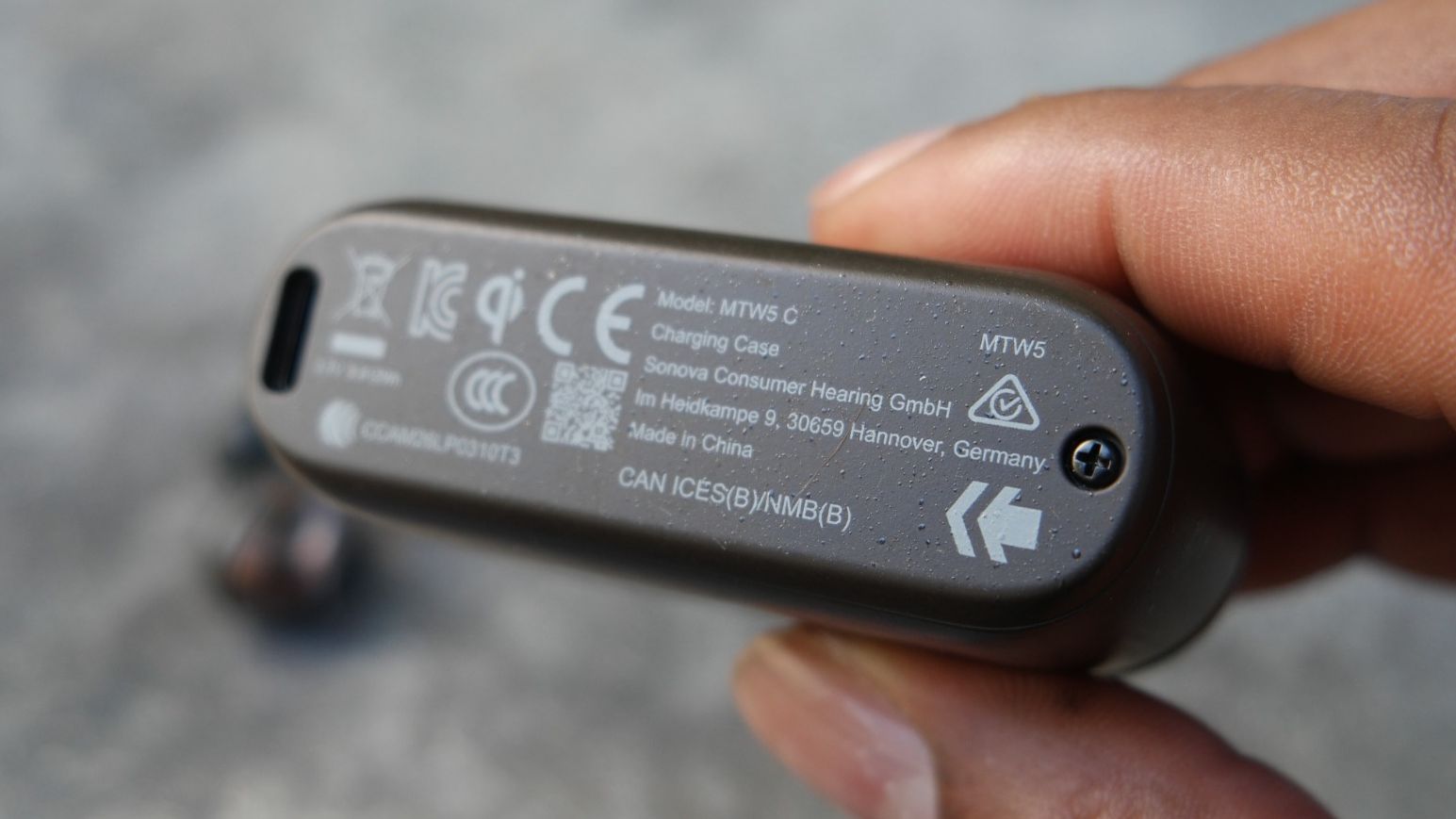
Sennheiser Momentum True Wireless 5's case upside down, showing the screw you remove to swap out the battery

Remove the screw and change a bad battery (Image credit: @tshakaarmstrong)

While the durability hasn’t changed, the Momentum TW5 carries the same IP54 rating as the previous generation; Sennheiser has upgraded the longevity of this year’s model with user-replaceable batteries in both the earbuds and the charging case.

On the charging case, that upgrade is pretty clear if you look at the single Philips head screw on the bottom right side of the case, across from the oddly placed USB-C charging port on the left. I’m guessing that port placement is the result of making the battery removable.

The Momentum TW5 comes with a prying tool to remove the battery, but you’ll need to provide the Philips PH000 screwdriver. This is a Phillips head (the “star”) screwdriver with a 7mm blade. Sennheiser lists the battery part number as BA 501, but it isn’t listed for sale on their site yet.

More momentum with the audio quality
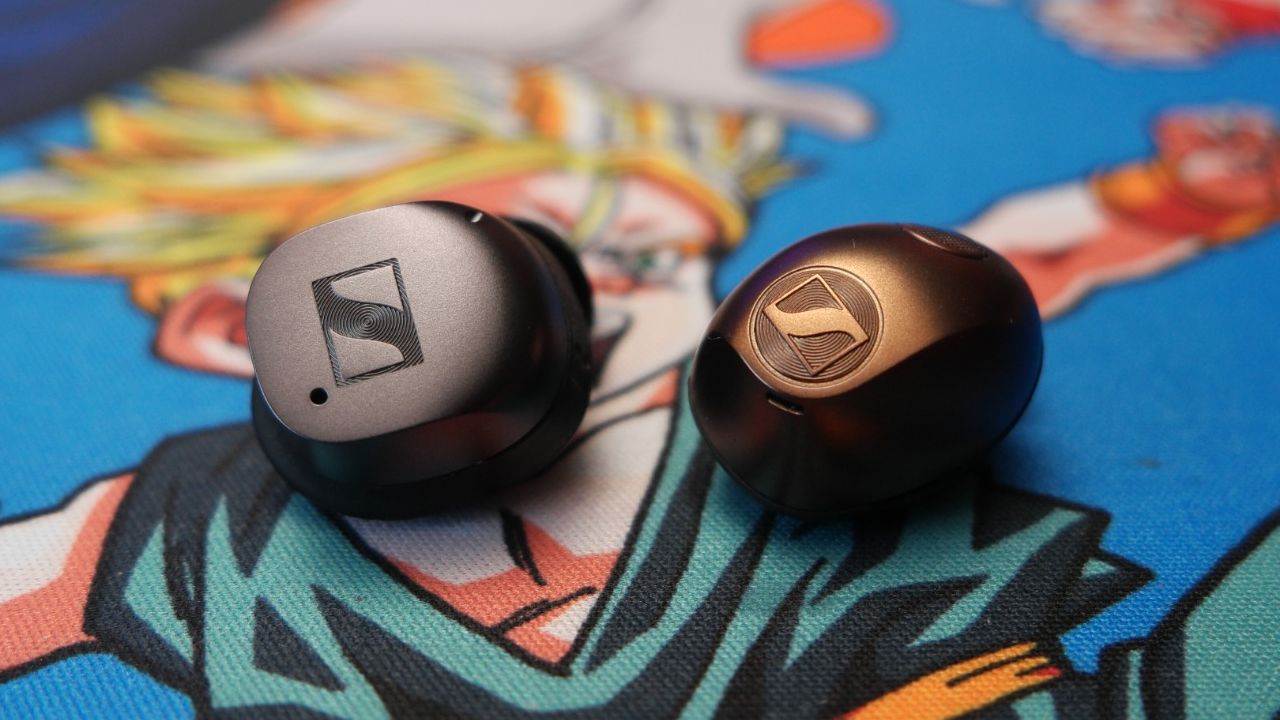
Sennheiser Momentum True Wireless 4 & 5 on a table

(Image credit: @tshakaarmstrong)

I thoroughly enjoy Sennheiser’s sound signature. I use their IE900 IEMs as reference in-ear headphones, and their HD660S as one of my over-ear reference audio headphones, along with pairs from Dali and Fosi. The Momentum TW5 expands sound quality across the frequency range, with its signature focus on the mid-range to deliver great instrument separation and strong vocal presentation without sacrificing low-end energy.

Listening to Charles Mingus’ “Moanin’,” the TW5 does a much better job than the Sony WF-1000XM6 at maintaining a strong sense of instrumentation during the song's most frenetic parts. Where Sony turns those sections into a pot of mashed potatoes, Sennheiser allows you to continue to hear where the sound of different instruments comes from in the stereo image.

Listening to various folk songs, including Paul Simon’s “Diamonds on the Soles of Her Shoes,” where his voice can get sibilant with audio products that have harsher, or overly energetic high-frequency reproduction, the TW5 were smooth. No sibilance from Simon, and no eardrum-fatiguing high notes from Joni Mitchell’s “River (With French Horns) [Blue Sessions].”

Around the minute mark on Mitchell’s song, she hits some sustained high notes that drive me batty on clinical headphones or those with poor high-frequency reproduction, but again, the TW5 are more on the smooth end of the spectrum.
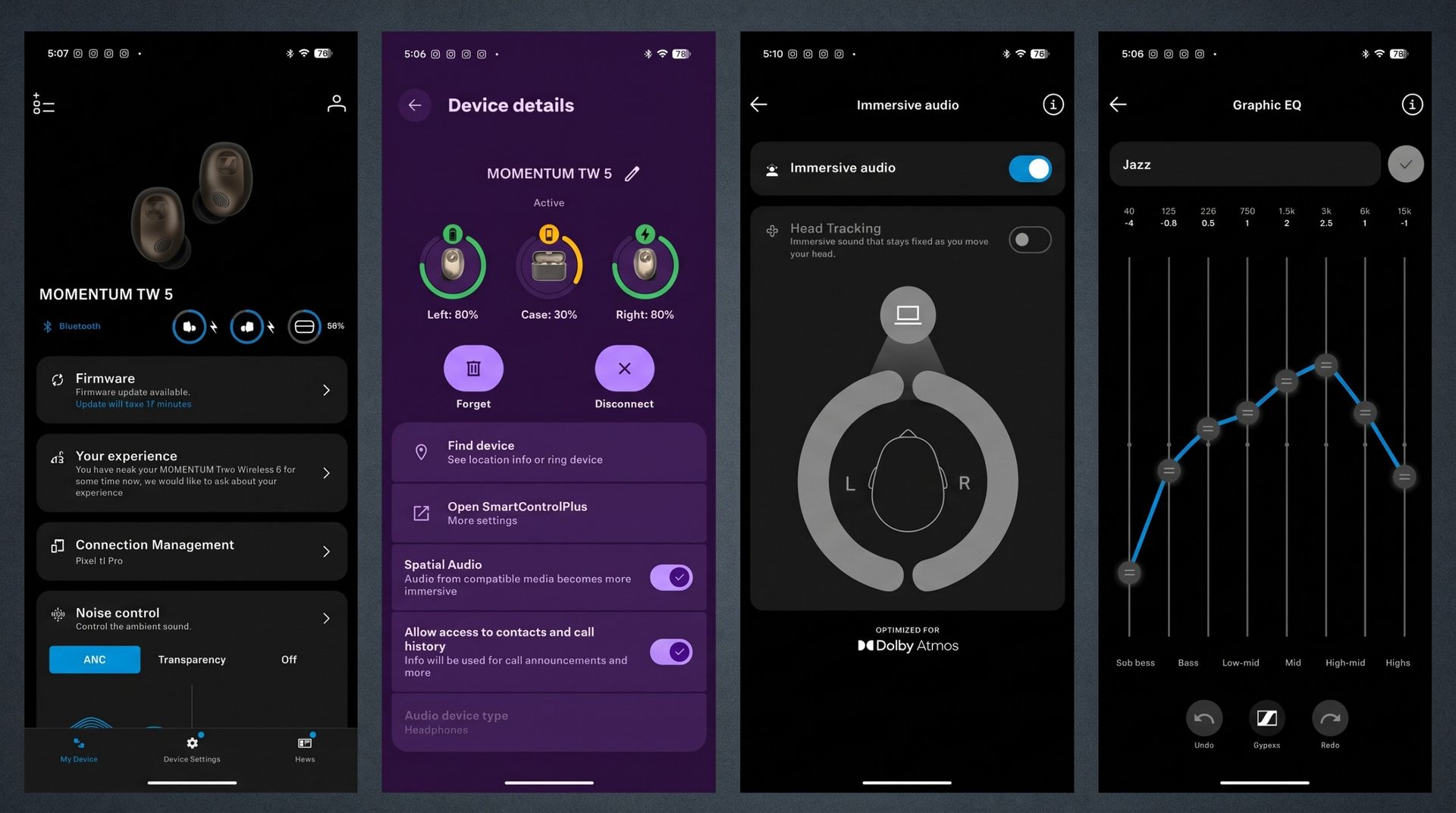
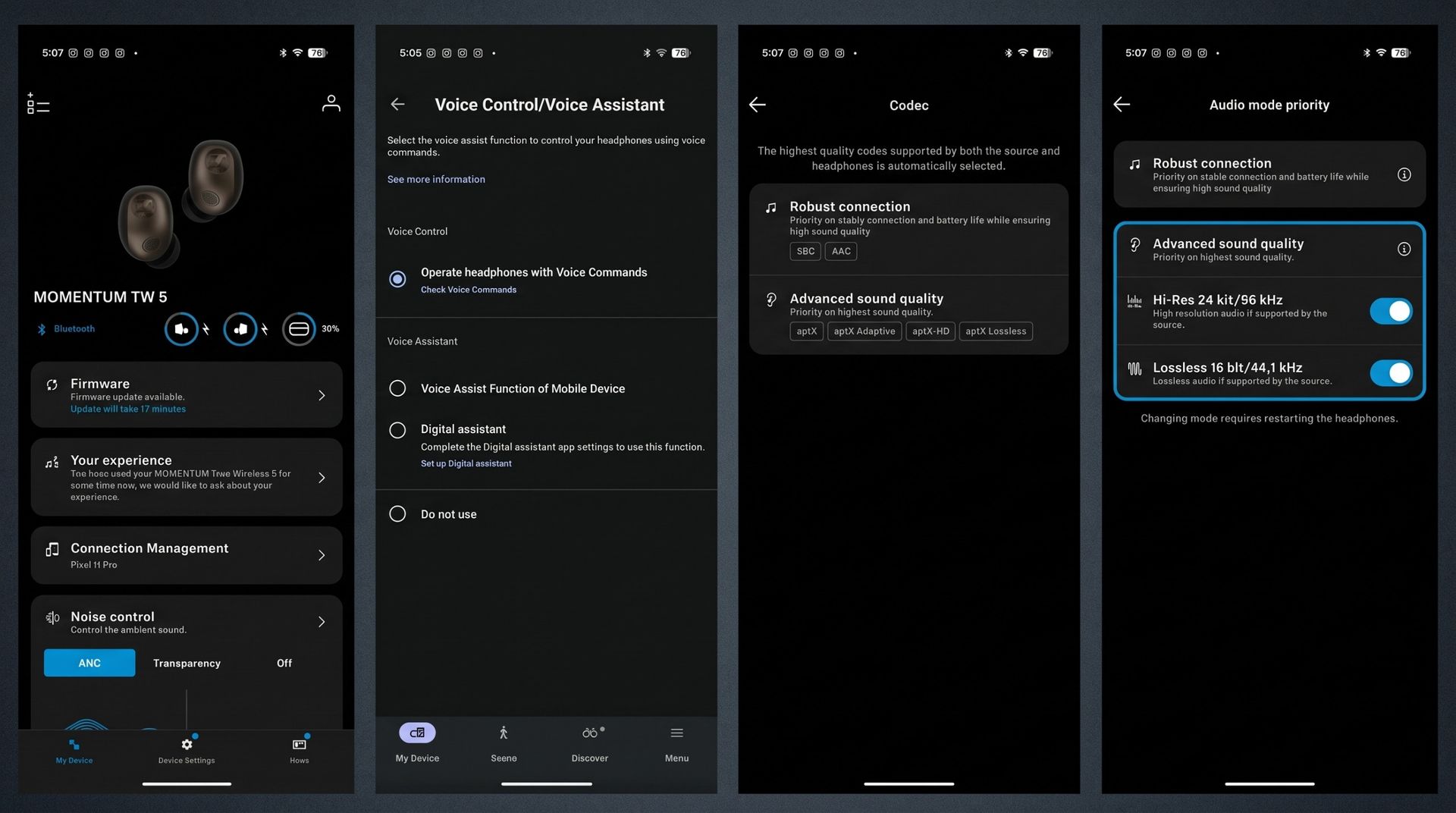
Screenshots showing the Sennheiser Smart Control+ app's features
@tshakaarmstrong
Screenshots showing the Sennheiser Smart Control+ app's features
@tshakaarmstrong

If you listen and disagree with my assessment, the good news is that this year the Sennheiser Smart Control+ app has expanded its five-band EQ to eight bands, so you’ll have more control over shaping the sound to your preferences, and the pair of buds take well to EQ adjustments.

My only real issue with the TW5 was the microphones when making phone calls. They sound excellent indoors, but outdoors, they'll block noise superbly, but at the cost of audio stability. At times, when the AI is working hard to block background noise, I've found that audio quality can take a hit. Overall, you'll sound great, and so will the folks calling you, but be aware that, depending on ambient noise, you may experience some finicky behavior.

In terms of battery life, I've found that I can get a day's use out of them with ANC off. For me, that's around 10 hours, including a trip to my local climbing gym. ANC on has given less, though a little better than some competitors, getting a little over six hours in my testing. More bass-heavy tracks in your rotation will affect that, though.

In the final analysis, you have Bluetooth earbuds that folks love for various reasons. Some lock you into an ecosystem and are superior in part because of how they work inside that walled garden, while others are more open and fully stand on their own.

The Sennheiser Momentum True Wireless 5 are the latter, and while they aren’t market leaders in ANC or calling, they’re solid performers in those areas and offer a delightfully entertaining, engaging sound signature that you’ll get extra years out of, thanks to their user-serviceable batteries.
Nothing has a screenless AI device—its CEO teases with a first look

Nothing is reportedly working on a "screenless AI" device, which has remained shrouded since its earliest teasers. However, the company's feeling playful, and we've gotten our first glimpse of its design.

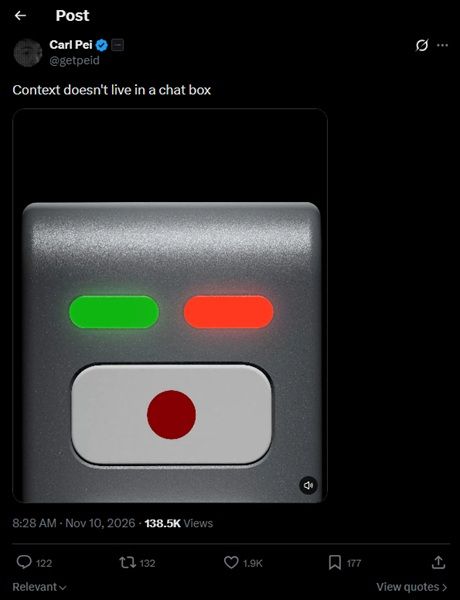
Early this morning (Nov. 11), Nothing's CEO Carl Pei teased this screenless AI device on X. Pei posted a short clip of the device, alongside a tagline that reads, "Context doesn't live in a chat box." The design is a bit vague (as you'd expect from a Nothing teaser). It's clear the device is curved and has a metallic aesthetic. There are also two glowing LEDs: one green and one orange.

It certainly gives old-school sci-fi vibes (we're thinking Lost in Space). The device also features a white button with a red circle in its center. It's largely unclear what the intent behind most of these elements is. However, the centered button could be what users press to voice their queries or tasks to the AI.

Carl Pei didn't say or confirm anything else—not that we expected him to. Curiously, this teaser follows roughly a week after Pei's "Toolmakers" article on X. Pei's post started by saying, "Every few generations, a technology arrives that changes how everyone lives and works. Fire. The printing press. Electricity. The internet. Now, intelligence." We can gauge where things are headed from here.

Toward the end, Pei gave the briefest, vaguest teaser for Nothing's screenless AI device, shrouded in shadow. The post says, "It has no new screen, and it couldn't have been an app." Additionally, Nothing intends to launch this screenless device "next month," in December.

Where are we going...?

Nothing's CEO Carl Pei posted a short teaser clip of the brand's upcoming screenless AI device.

(Image credit: getpeid / X)
Android Central's Take

I'll be real with you: I have no clue where we're headed with this. You'd imagine this device would connect to your phone—likely via Bluetooth. You'd speak your query, and the AI would respond. I'm being extremely basic because these teasers have been extremely basic. All we can do is wait.

Let's not forget something important here: Nothing prioritized AI over the Phone 3 two years ago. To explain, its CEO, Carl Pei, said that the company would focus on building its AI presence rather than launching the Phone 3 in 2024. The phone launched the year after, so it wasn't that much of an issue (unless you were really waiting on it in 2024).

At the time, Pei said, "There's been a lot of hype around AI. Some great, some confusing. It’s great to see new companies rethinking the user experience and form factors." He then teased a few features users would expect, and we've seen the majority of this debut with Essential Space and the like. In late 2025, Nothing announced it had secured $200M in Series C funding. The company would use it to develop AI-native devices and an OS for future phones.

Oh, happy day: Wear OS 7 is finally rolling out on the Galaxy Watch 8 in the US

This week's been exciting for Galaxy Watch 8 users who've eagerly awaited Samsung's Wear OS 7 update. A tipster claims the update is rolling out, and we have a good idea of what's in store.

This week, tipster Kailash on X reported that the Wear OS 7 update (One UI 9 Watch) was rolling out for Galaxy Watch 8 series users. They state the update features firmware vL320XXU2BZJ7 and vL3200XM2BZJ7 for the Galaxy Watch 8 and Watch 8 Classic. However, when the update finally arrived for stable users, it was restricted to South Korea. Now, the tipster reports that the update is reaching users worldwide, including the U.S. (via SamMobile).

The tipster once again highlighted the update's arrival. The firmware matches the one Korean users received, with only minor differences: L500XXU2BZJ7 and L500OXM2BZJ7. Users on Reddit are also reporting that the update has arrived.

The publication broke down part of the changelog, saying users should see additional Samsung Health updates. The company revamped its "Key health metrics," placing them in circular charts that better fit the watch face. The workout experience gets reworked, as users can now "Pause or end your workouts using the 'back' button, without needing to touch the screen"

The Wearables app has also been redesigned, and Samsung has included smartwatch face suggestions based on your current watch face design. We haven't seen the One UI 9 Watch update on our Galaxy Watch 8 yet. But you can keep checking periodically as the week winds down.

For better health

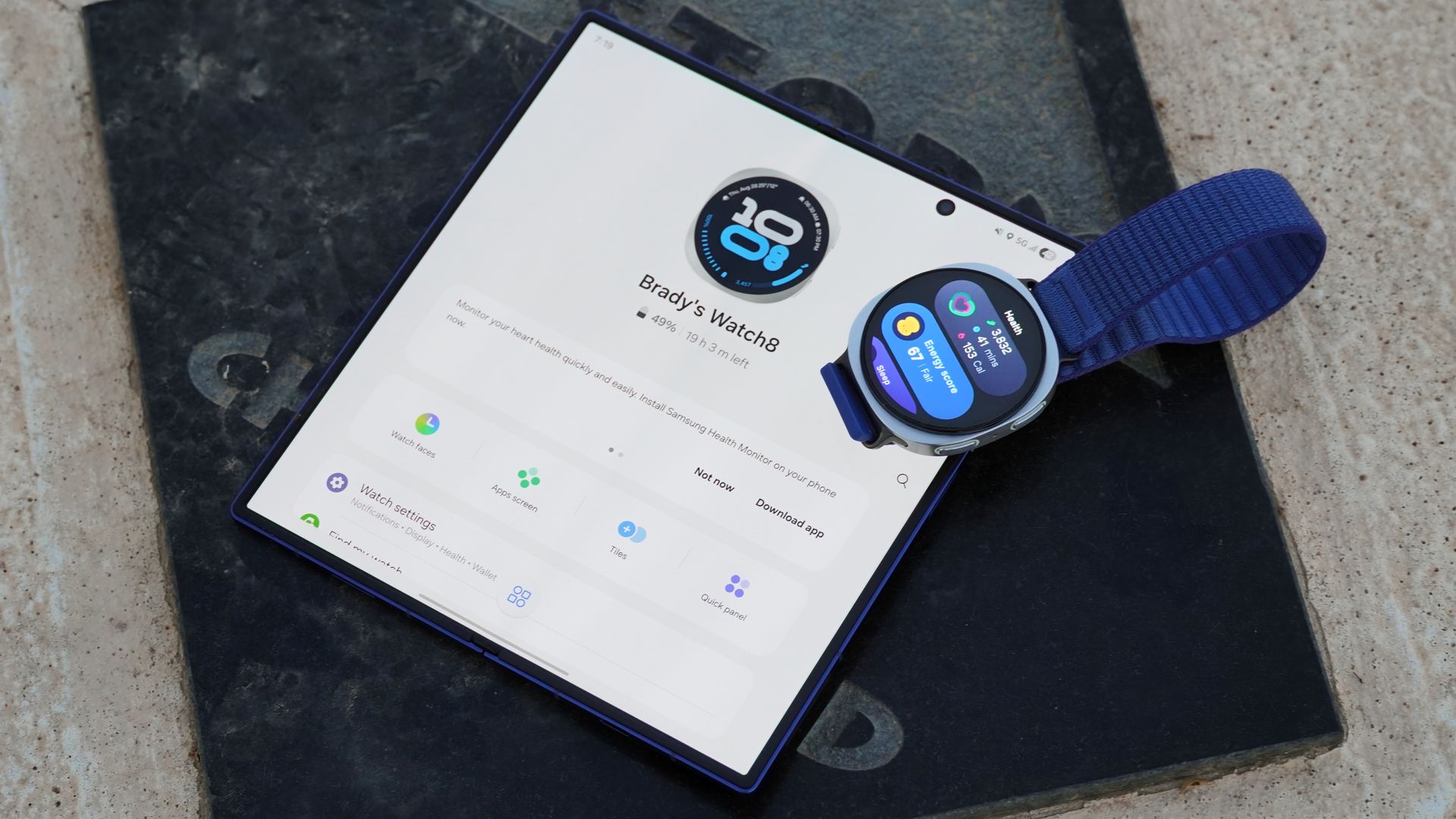
The Samsung Galaxy Watch 8 next to the Samsung Wearable companion app.

(Image credit: Brady Snyder / Android Central)

It's worth noting a couple of things. First, this patch appears to be rolling out to beta users before those outside it. Second, users on Reddit mention that this One UI 9 Watch upgrade should hit Bluetooth models before LTE devices. As we've already said, just keep checking your device this week and into next week.

Samsung's been busy stepping up its Health app and health-focused features lately. A recent update changed the Sleep and Running coaches. The app's Sleep Coach now requires only three days' worth of data (over the past two weeks) to start helping you get better rest. For the Running Coach, Samsung increased its training levels to 12 (up from 10) and strengthened its Strava partnership.

Users can now import their running routes from Strava into the Samsung Health app.

Huawei is set to unveil a new sub-brand next week — and its first phone might have already leaked

What you need to know

  • Huawei is preparing to launch a new sub-brand on November 20
  • It will be called OSTA in English or “Xingmang” in Chinese, which roughly translates to "Starlight"
  • Its first phone, expected to be called the OSTA O1 Pro, could be an interesting wide-screen model according to the latest leaks

Huawei is preparing to launch a new smartphone brand, and we might already know what its first model will look like.

The announcement was made by Huawei executive director Richard Yu on the Chinese social media site Weibo, where he confirmed that the new sub-brand will be officially unveiled on November 20.

According to South China Morning Post, it will be known as OSTA in English or “Xingmang” in Chinese, which roughly translates to "Starlight." Interestingly, Weibo states that Yu's post was made using an OSTA O1 Pro – a device that hasn't yet been officially announced.

The latest leaks from reliable tipsters suggest that the OSTA O1 Pro will be a wide-screen phone available in three colors: basic black, plain white, and more adventurous purple. There will also apparently be four RAM and storage configurations on offer, ranging all the way from 12+256GB and 12+512GB to 16+512GB and 16GB+1TB.

The overall design looks very similar to that of the existing Huawei Pura X View (a wide-screen foldable that has yet to be released outside of China), albeit without the folding hinge.

A more premium direction?

The announcement of Huawei's latest sub-brand comes just six years after it spun off Honor in the face of US trade sanctions.

Honor, which launched back in 2013, originally focused on more budget and mid-range phones. It has since shifted its offering to a more premium lineup that competes directly with its former owner and other major Chinese brands like Xiaomi and Oppo.

It's currently unclear how OSTA will be positioned in the smartphone market, though this leaked device seems pretty high-end judging by its RAM and storage specs. Given its unusual wide-screen design, I wouldn't be surprised if OSTA becomes the marquee name for some more experimental releases from Huawei.

I'll be keeping an eye out for more news in the build-up to its launch.

Senin, 09 November 2026

Why do camera makers partner on phones? I toured ARRI to find out

Smartphone makers have long turned to the world’s best camera makers to perfect and refine their smartphone cameras. The trend has grown considerably over the past 10 years, but it dates back more than 20 years to Nokia’s partnership with Zeiss, which began with the legendary Nokia N95 in 2005.

The birth of the iPhone a couple of years later changed the trajectory of the mobile phone industry, with companies forced to focus on building a smartphone. It would take another ten years before the next big partnership began, but Huawei’s partnership with Leica bears fruit to this day.

Since that partnership began in 2016, the same year as Motorola and Hasselblad, we’ve seen many of the world’s biggest phone makers follow suit. From Vivo to Oppo, Xiaomi to Sony, and this year, even Honor, it’s become commonplace to see companies like Hasselblad, ZEISS, Leica, and more all adorn the back of smartphones.

However, is this just a marketing exercise? How much impact can camera makers have on a smartphone camera? Or is this the inevitable direction for smartphone cameras? To learn more about these partnerships – and how they manifest in the new Honor Magic 9 Pro Max – I flew to LA for a tour of ARRI’s labs to understand more.

Here’s the fascinating history of these partnerships, and why camera makers actually partner with smartphone makers.

The history of smartphone and camera maker collaborations

Behind the scenes photos from the ARRI testing lab in Burbank, California

(Image credit: Nirave Gondhia )

The Nokia N95 was the first global partnership between a smartphone maker and a camera company, and its partnership with ZEISS produced some of the most iconic smartphone cameras in history, ultimately leading to the legendary Nokia Lumia 1020.

Nokia’s ultimate demise in the face of the iPhone then led to a decade-long hiatus, until 2016, when two companies partnered with two camera makers. The irony? Both camera companies still have phone partnerships today, but neither is with the original partner from that year.

Motorola’s partnership with Hasselblad lasted one year and focused on the Hasselblad True Zoom Moto Mod for devices like the Moto Z Play. The other? Huawei and Leica, a partnership that produced some of the best smartphone cameras of that decade and helped birth the modern zoom-toting flagship smartphone camera.

Xiaomi 17 Ultra review on Android Central

(Image credit: Apoorva Bhardwaj / Android Central)

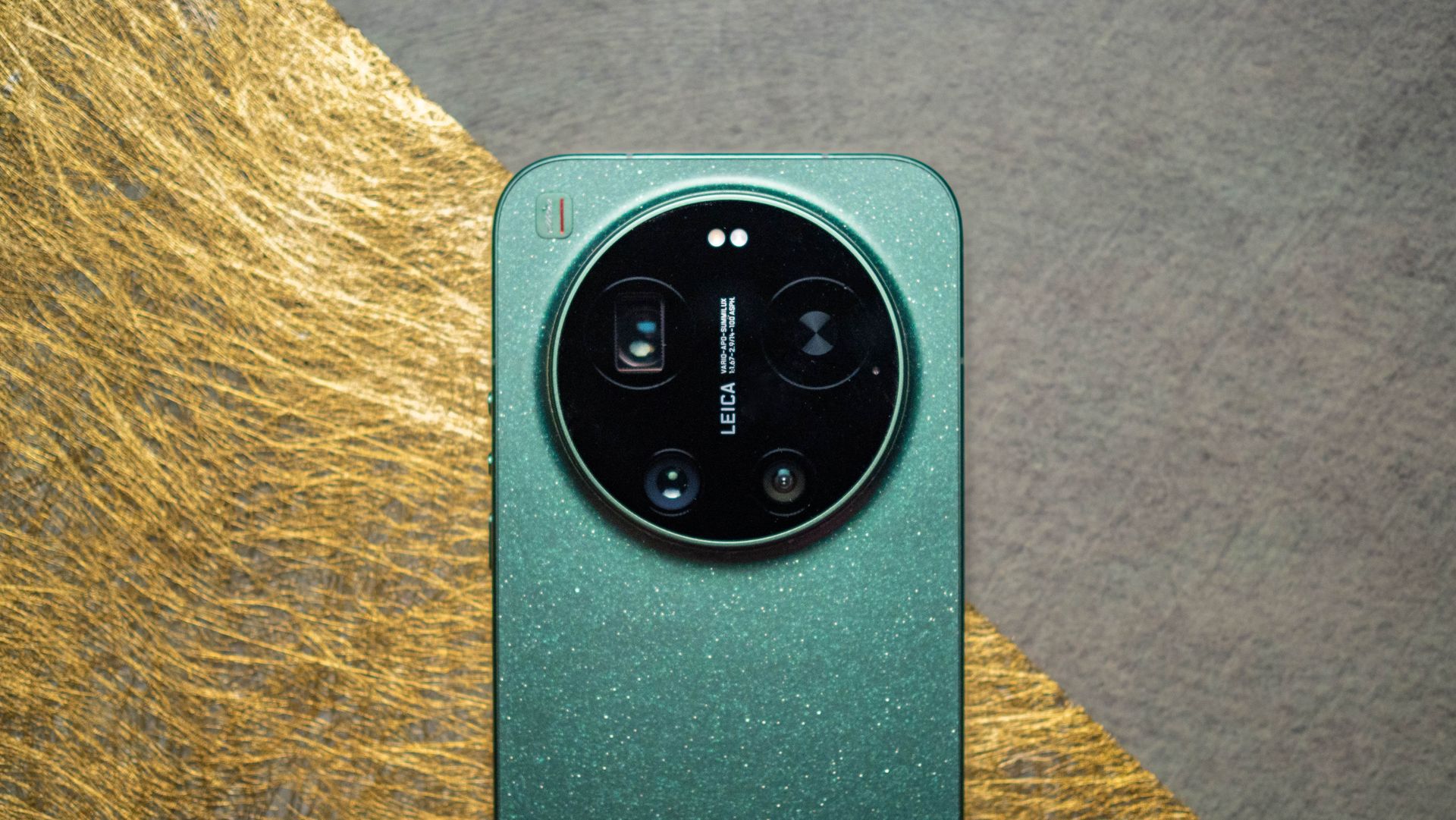
Huawei’s problems with US sanctions cut the partnership short, but Leica didn’t take long to bounce back: the partnership ended on March 31, 2022, and less than two months later, Leica and Xiaomi announced a new partnership on May 23, 2022. Four years later, Xiaomi and Leica continue to release excellent, distinctive smartphones, including the special-edition Leica-branded Xiaomi 17 Ultra earlier this year.

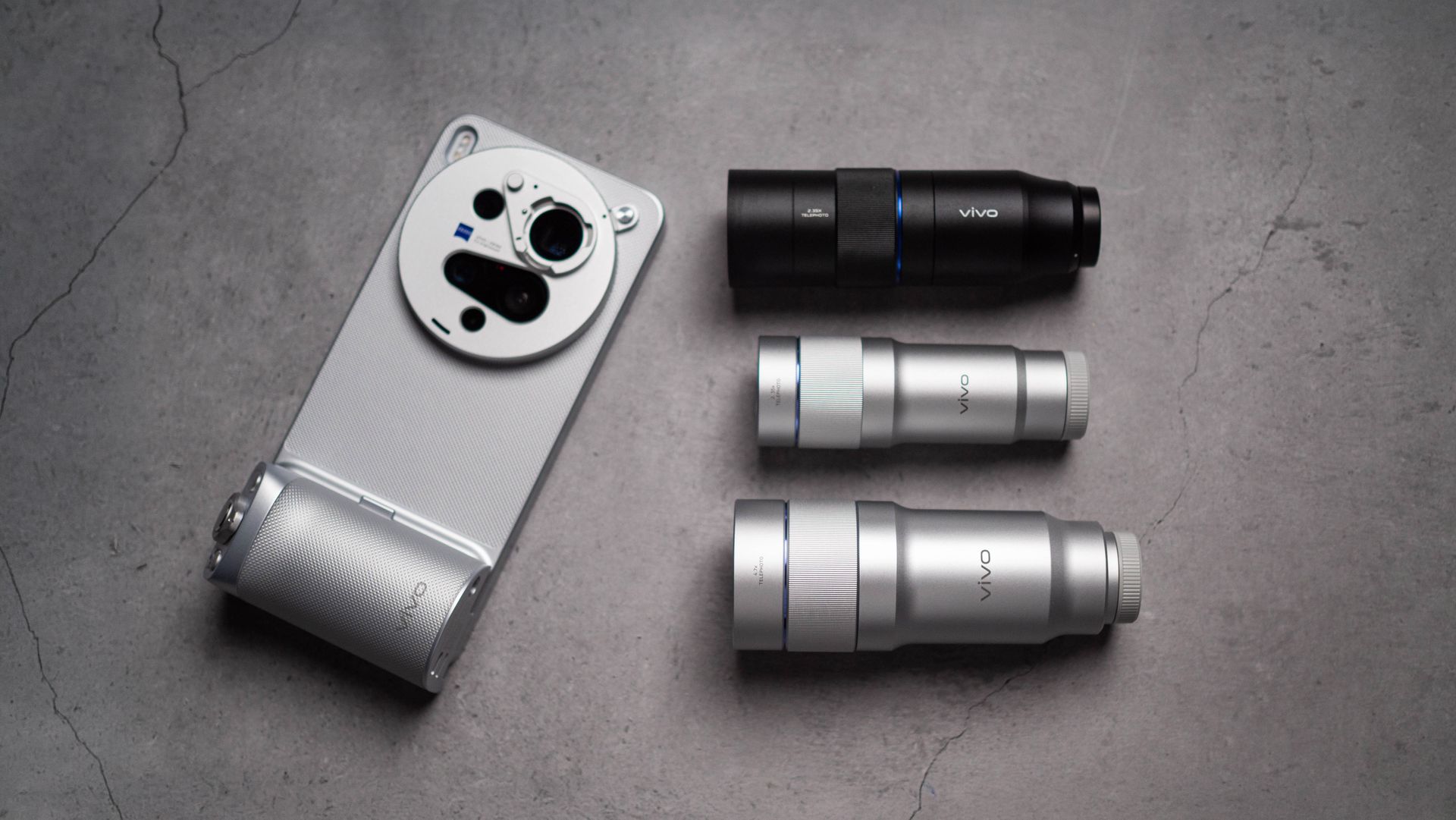
Not to be outdone, both Oppo and Vivo have turned to camera makers. Oppo’s partnership with Hasselblad started with OnePlus in 2021 and has yielded some of the best smartphone cameras over the past two years, including the new Oppo Find X10 Pro Max, the world’s first phone with three 200MP cameras.

Vivo X300 Ultra review on Android Central

(Image credit: Harish Jonnalagadda / Android Central)

Meanwhile, Vivo’s partnership with Zeiss began a year earlier, in 2020, but it comes with a key difference: the two companies launched the partnership with a joint Imaging Lab that has produced some of the most powerful smartphone cameras to date.

This leads to Honor and the company announced a partnership with the 109-year-old ARRI earlier this year. The first two phones have both proven unique for different reasons, but why did Honor choose ARRI, and is this just a marketing exercise? My tour of ARRI yielded answers that may surprise you in their refreshing candor.

Who is ARRI? Should you know them?

Behind the scenes photos from the ARRI testing lab in Burbank, California

ARRI's filmmaking pedigree dates back over 100 years (Image credit: Nirave Gondhia )

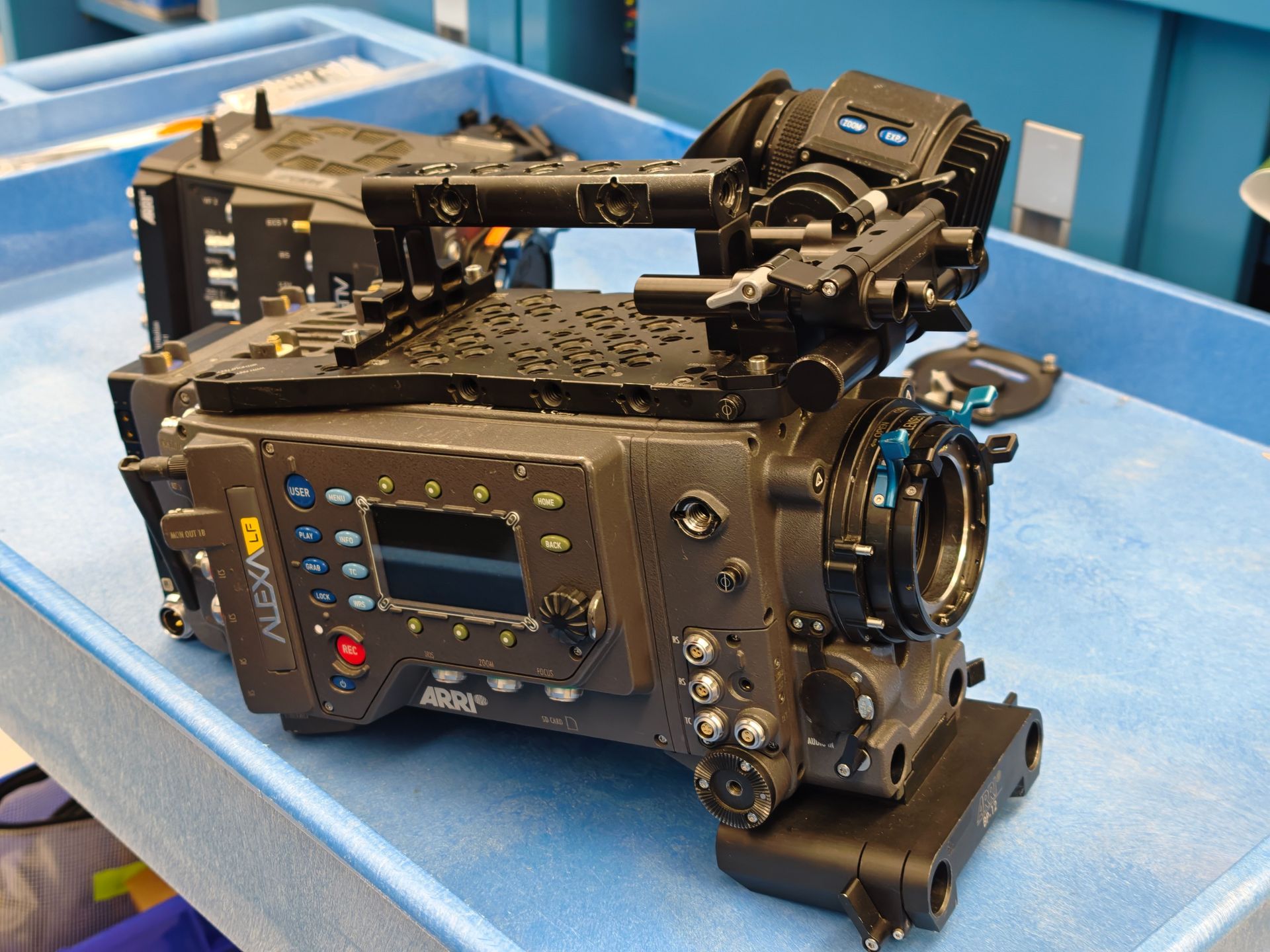
You probably haven't heard of ARRI, but you've felt the effects of their extremely expensive, extremely precise cameras. Founded in Munich in September 1917, the company has numerous cameras that have made incredible breakthroughs, without which we likely wouldn’t have the smartphone video recording capabilities that we do today.

The biggest impact has been on filmmaking: ARRI is the filmmaker’s camera of choice for many reasons, not least because each camera is individually tested and precisely made. Every company says this, but after seeing ARRI’s labs in LA, I can attest to their precision. Don’t take my word for it; just look at the awards the company has received:

  • 20 Academy Scientific and Technical Awards
  • 6 Engineering Emmy Awards
  • 35-40 Best Picture winners captured on ARRI cameras

The latter point is key, but it's even more pronounced over the past 20 years. Of the last 20 Best Picture winners, 17 were shot on ARRI cameras, and you’ve likely heard of many of them, including Oppenheimer, Everything Everywhere All at Once, CODA, Parasite, Argo, and Slumdog Millionaire.

With such pedigree, what prompted the move to smartphone cameras, and how does Honor fit into this?

A partnership that starts with video

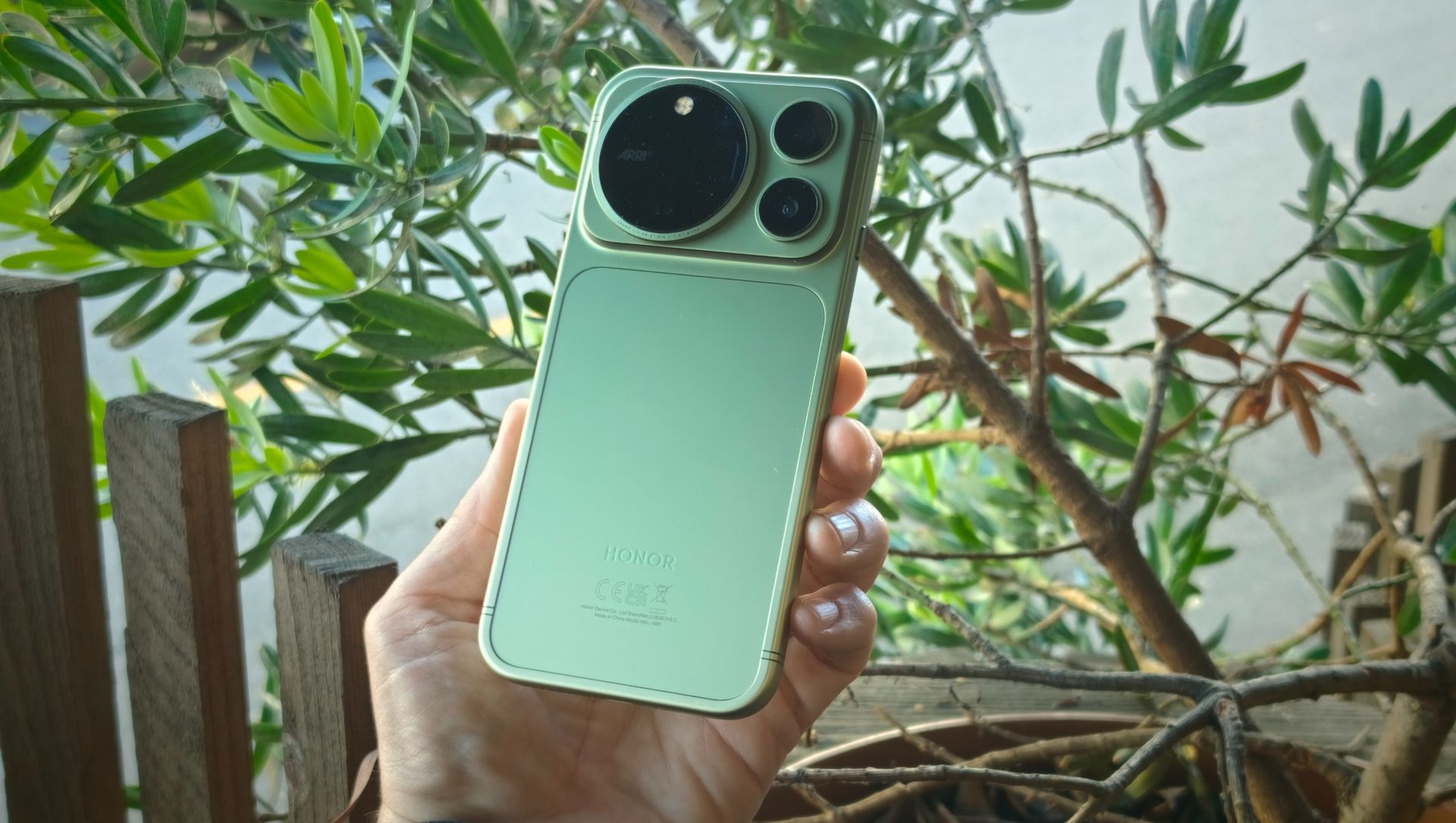
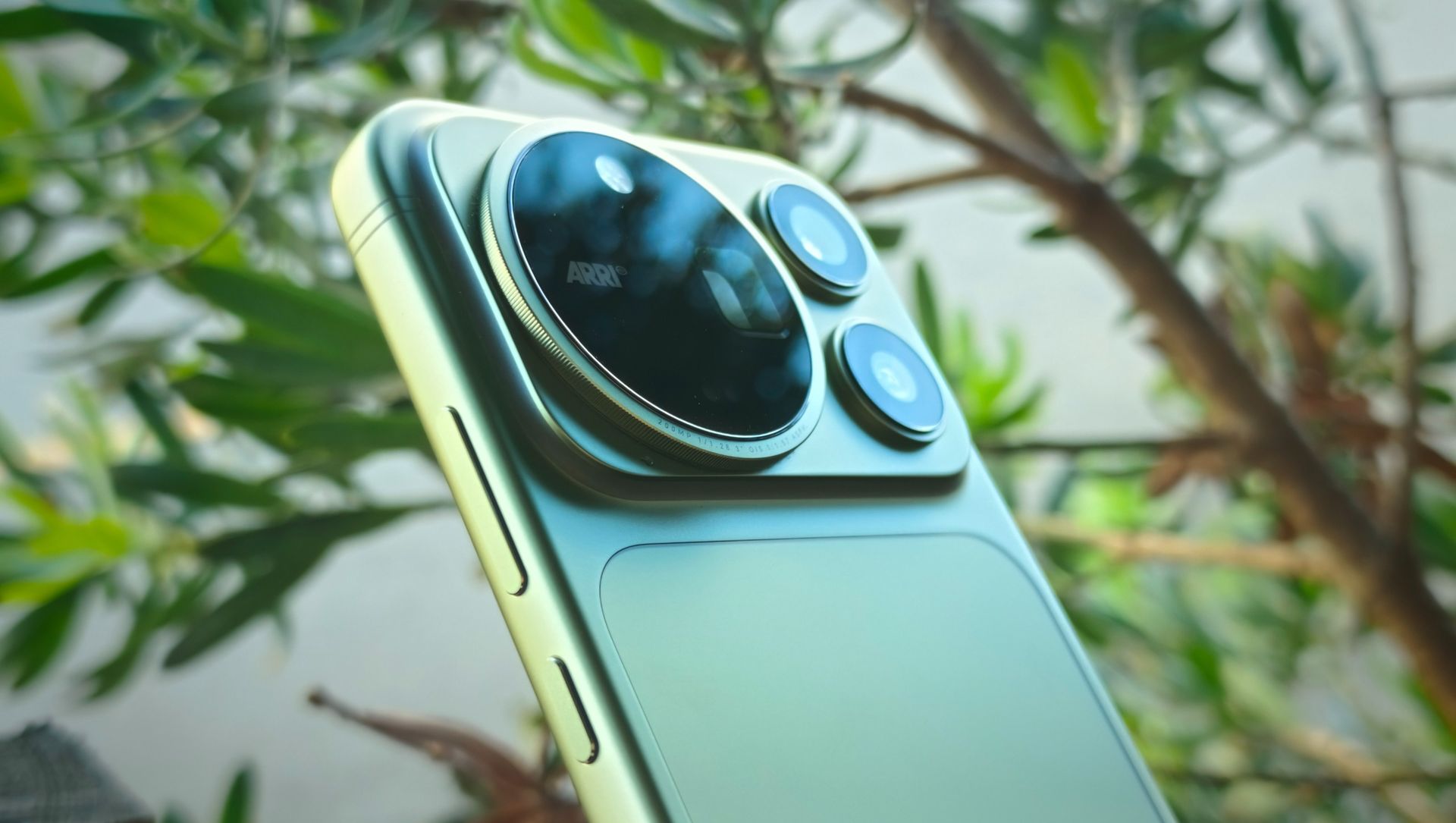
Honor Magic 9 Pro Max in green

(Image credit: Myriam Joire)

A lot has changed in ARRI’s 109-year history, but the biggest threat the company likely faces is the generational divide that has coincided with the smartphone. As traditional cameras have fallen by the wayside, the latest generation of consumers likely has no brand affinity for ARRI or other traditional camera makers.

The partnership between Honor and ARRI has the makings of something special. Before this partnership kicked off, Honor had already proven its imaging chops with the Honor Magic 8 Pro last year, but the two devices released with ARRI could yield the biggest jump yet, this time in video.

Honor Magic 9 Pro Max in green
Myriam Joire
Honor Magic 9 Pro Max in green
Myriam Joire
Honor Magic 9 Pro Max in green
Myriam Joire
Honor Magic 9 Pro Max in green
Myriam Joire
Honor Magic 9 Pro Max in green
Myriam Joire

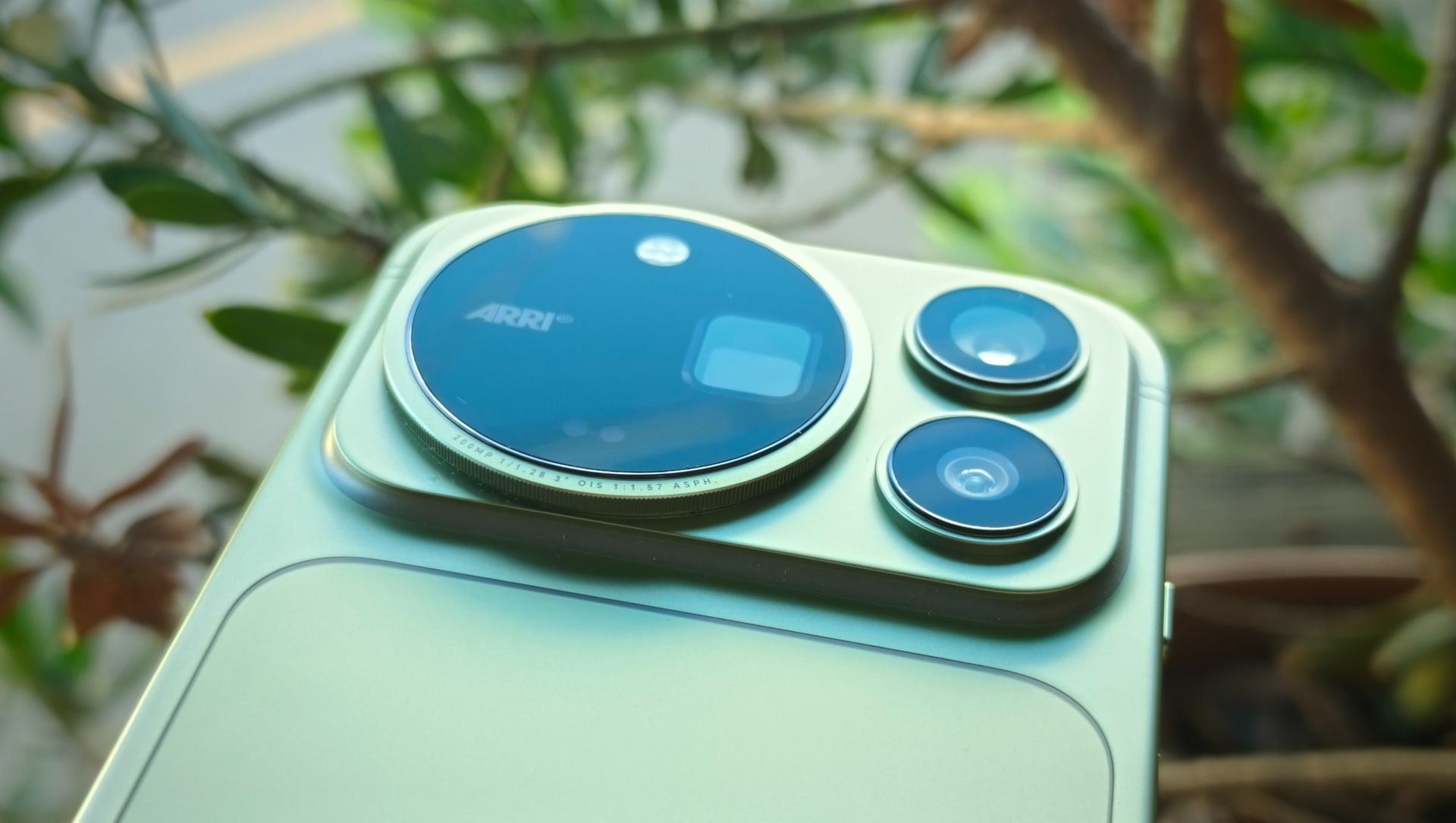
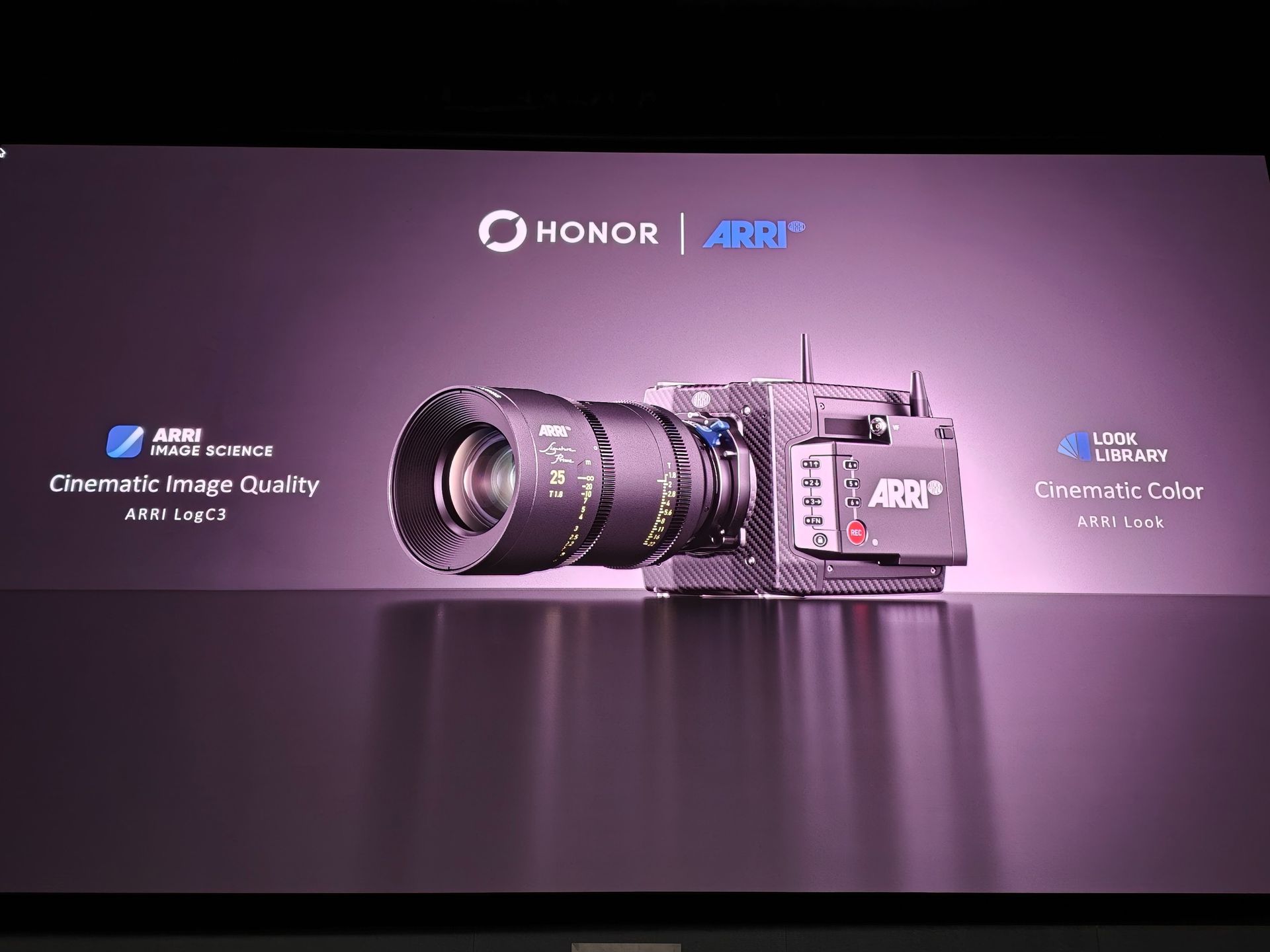
The partnership with ARRI focuses purely on video, and the new Magic 9 Pro Max has an ARRI-branded camera mode reminiscent of the company’s actual cameras. The partnership focuses on color science, accuracy, and quality in video recording, but crucially, ARRI does not make any of the hardware, at least not right now.

There’s a simple reason: although ARRI cameras have gotten considerably smaller over time, they are still much larger than you can conceivably fit into a smartphone. Further, the company insists on devices meeting the ARRI quality barometer that its customers have come to expect from its cameras. Instead, it turned to the devices customers use most and, in Honor, found what may be the perfect partner.

So... why did ARRI partner with Honor?

Honor Magic 9 Pro Max in green

(Image credit: Myriam Joire)

Flying to LA to meet ARRI, I had one key question: why Honor… and why ARRI?

To find out, I spoke with Stephan Ukas-Bradley, VP of Product Innovation, who has worked at ARRI for over 20 years, and he gave a surprisingly honest, transparent answer: ARRI’s goal is to introduce customers to its moviemaking magic, no matter what device they’re using.

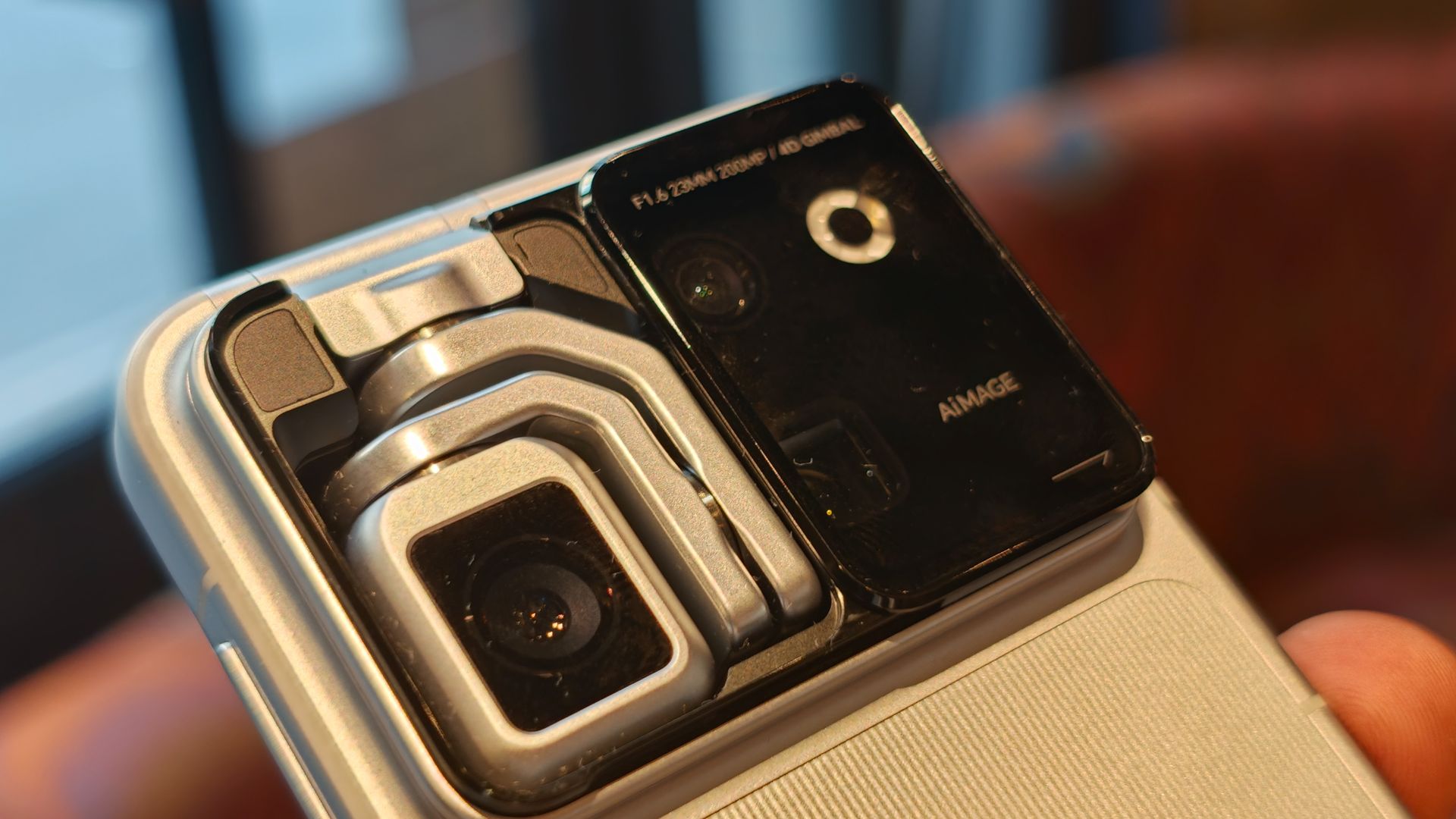
Hands on with the Honor Robot Phone with a 4DoF motorized retractable gimbal

(Image credit: Nirave Gondhia)

This shows up especially well in the first two phones in the partnership. As I discovered, the Honor Magic 9 Pro Max takes excellent photos and videos, but the first device in the partnership is the most unique: the Honor Robot Phone.

The world’s first smartphone equipped with a gimbal stabilizer, the Honor Robot Phone is a videographer’s dream… and a moviemaker’s dream, too. Both phones are videographers’ and moviemakers’ dreams, but the most interesting part is how ARRI’s color science is being used.

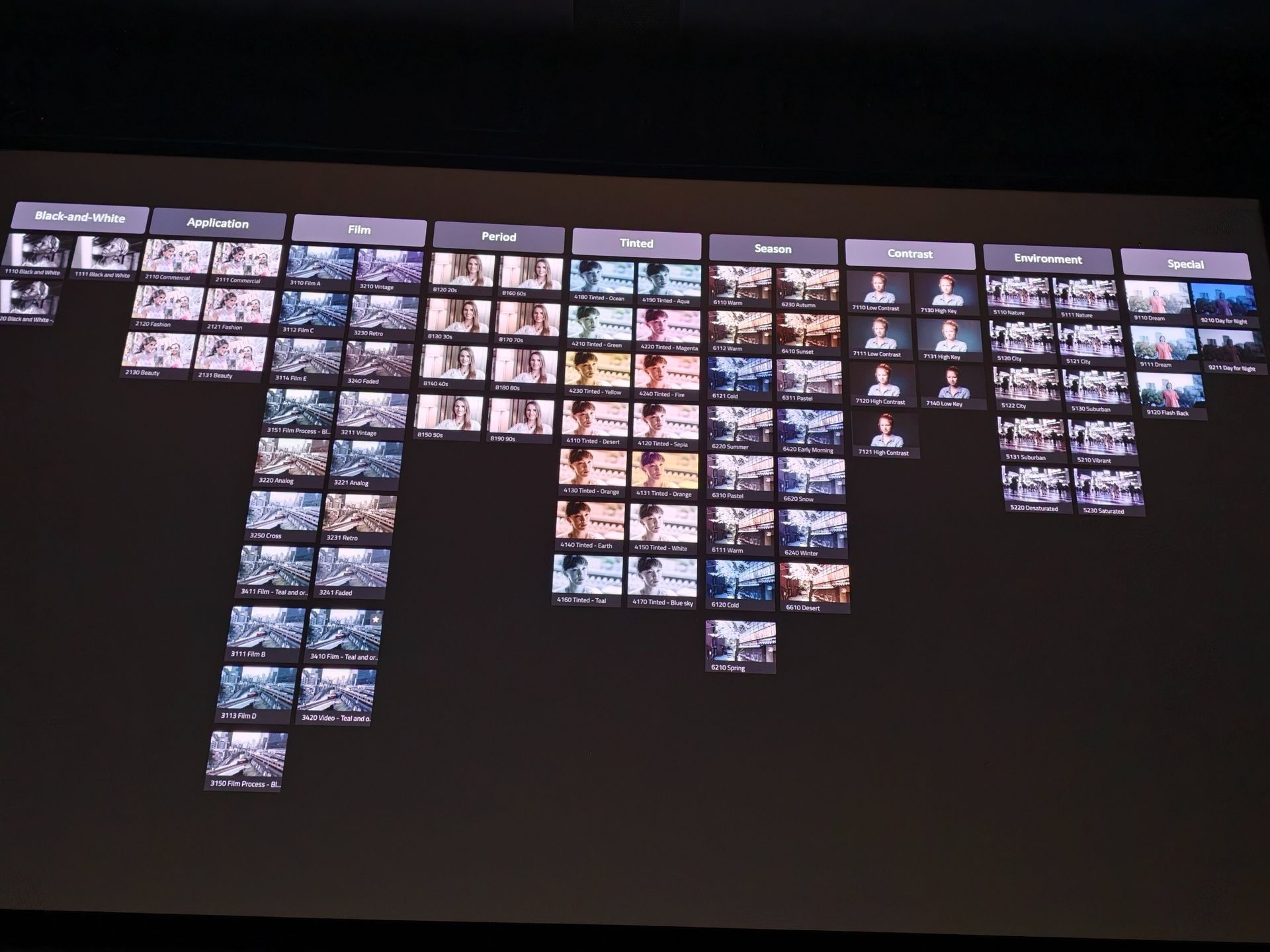
Both phones can shoot in LogC3, but what makes them unique is the ability to preview the effect of different LUT profiles directly in-camera, rather than waiting for post-production. Taking it further, ARRI has almost 90 different LUT profiles that can be downloaded from its website and installed on the Honor Magic 9 Pro Max, and these are the same LUT profiles used in its actual cameras.

Is this the future of moviemaking?

Behind the scenes photos from the ARRI testing lab in Burbank, California

The range of LUTs available on ARRI and Honor partnership phones (Image credit: Nirave Gondhia )

This also offers a unique ARRI benefit: the Magic 9 Pro Max and Robot Phone can dramatically change how you scout movie locations.

Traditionally, a filmmaker needs to hire a cameraman, several production assistants, and camera gear just to scout locations. ARRI’s best cameras can cost almost $100,000, but a smartphone can dramatically reduce these costs and complexities.

The ability to preview LUTs is the biggest unlock for moviemakers; walking around a shoot and filming on the Honor Magic 9 Pro Max with one of the LUTs – or a custom LUT – installed means you have a strong understanding of the final result while you're on site.

Behind the scenes photos from the ARRI testing lab in Burbank, California

(Image credit: Nirave Gondhia )

Beyond the current partnership, both companies see an opportunity to expand. For Honor, ARRI provides critical insight into color science, processing, and features, starting with video and possibly extending to photography. For ARRI, it lets it introduce the company to the next generation of moviemakers, especially those focused on social media content creation.

Whichever direction this partnership heads – and as history has taught us, not all partnerships last forever – one thing is clear: ARRI and Honor are a powerful partnership that has already yielded some of the most impressive video recording on a smartphone to date. I can’t wait to see what this leads to in the future. There's a strong chance that Honor and ARRI will make every best smartphone roundup if this partnership continues to bear fruit.

Motorola just leaked its own iPhone Duo rival ahead of its 2027 launch

What you need to know

  • Motorola's upcoming Razr Flex 2027 has appeared on its Australian support website, hinting at a launch next year.
  • The Razr Flex could be Motorola's first wide foldable smartphone, designed to compete with Apple's iPhone Duo.
  • Leaks suggest a 6.9-inch inner display, Snapdragon 8 Gen 5 chipset, 12GB of RAM, and a 5,000mAh battery.

Motorola has seemingly confirmed that it's working on a new wide foldable smartphone for 2027, which could take on Apple's iPhone Duo.

Apple's iPhone Duo seems to be the talk of the town right now, with several smartphone brands looking to jump on the wide foldable bandwagon. Samsung has already launched the Galaxy Z Fold 8, while Oppo is also rumored to be working on something similar. And now, it looks like Motorola is preparing to join the competition with its own wide foldable called the Razr Flex.

As spotted by Android Authority, Motorola has listed the upcoming Razr Flex 2027 on its Australian support website. The device appears alongside other Razr smartphones in the company's security update section, suggesting that Motorola is indeed working on a new smartphone under the Razr Flex branding.

Apple iPhone Duo hands-on testing at Android Central

(Image credit: Harish Jonnalagadda / Android Central)

Interestingly, the listing also includes 2027 in the device's name, which strongly suggests Motorola plans to launch the Razr Flex next year.

That said, apart from the name, Motorola's support website doesn't reveal much about the upcoming phone. There are no official images, specifications, or other details about what the Razr Flex will actually look like.

However, previous leaks have already given us a pretty good idea of what to expect. The Razr Flex will reportedly feature a relatively small 4.9-inch cover display alongside a larger 6.9-inch OLED inner screen with up to a 165Hz refresh rate.

Under the hood, the phone could be powered by Qualcomm's Snapdragon 8 Gen 5 chipset, paired with 12GB of RAM and a 5,000mAh battery. Similar to the iPhone Duo, Motorola is also expected to offer a dual-camera setup on the back.

For now, Motorola hasn't officially revealed the Razr Flex or even confirmed if the phone is coming or not. But with the phone already appearing on the company's support website, we should hopefully learn more about its plans in the coming months.

Older Android phones just lost Android Auto access for good

Google is drawing yet another line in the sand for Android Auto users with older phones. The company has officially bumped up the minimum Android version required for wired Android Auto connections to Android 11, so devices on Android 9 and Android 10 will no longer be supported.

If you visit the official Android Auto support page on Google, you’ll now see the update, which previously required Android 9 Pie at a minimum. That means Android 11 is the new baseline for anyone trying to connect their phone to a compatible car via USB. An active data plan is also required.

Not that this should be a complete surprise. Google has been slowly phasing out support for older versions of Android, removing Android 6 in 2022 and Android 8 in 2024. This latest change follows warnings that started appearing in October 2026, informing some Android 10 users their phones would soon stop working with Android Auto.

Some older phones are still running Android Auto just fine

Nevertheless, Android Auto 18.1, the latest version of the app, continues to support Android 10, according to 9to5Google. That means the transition is not necessarily being enforced across every device just yet. But the new Google documentation makes it clear that long-term, it’s not going to change.

Android Auto uses a phone’s software and services to bring navigation, calls, messaging, and media controls to a vehicle’s infotainment display. Raising minimum requirements keeps Google compatible, but it also means people with perfectly usable older phones are stuck with an unnecessary hardware expense.

The reaction from affected drivers suggests this change might be more of a nuisance than a normal software cutoff. On Reddit, one user who owns a Galaxy Note 9 said that they received Google's warning message every time they started the car, but Android Auto still worked fine in their 2023 Kia Rio. Others aren’t overly excited about swapping out their phones, particularly when their current hardware is still up to the task for their daily activities.

Android Auto display showing a warning notification that says, “Phone will no longer be supported. Android Auto will soon stop working on this phone.

(Image credit: u/BigJem81 / Reddit)

Some have even tried installing older versions of Android Auto to circumvent the restriction, but at least one Galaxy S9 owner reported that rolling back to releases as old as version 1.0.x didn't help. Others suspect that Google Play Services is enforcing the restriction regardless of which version of the app you have. And some drivers are looking to use cheap, newer phones just for Android Auto instead of replacing their main devices.

Some commenters point out that Google shouldn’t intentionally break functionality that still works. Others say that older versions of Android that no longer receive security patches can leave users exposed to vulnerabilities. In any case, if you're still using an older Galaxy or Sony phone in your car, your familiar dashboard experience could be on borrowed time.