Appnext

Senin, 05 Oktober 2026

I love the Fitbit Air, but Google's leaked Fitbit Edge might be even better

What you need to know

  • Google is reportedly preparing a new Fitbit Edge that could sit between the $99 Fitbit Air and the Pixel Watch.
  • Unlike the screenless Fitbit Air, the Fitbit Edge could feature a small display for health stats and basic controls.
  • The Fitbit Edge will reportedly offer 7-day battery life and support both Android phones and iPhones.
  • Google could launch the Fitbit Edge later this month, with pricing estimated to fall between $149 and $199.

Google might be preparing to launch a new wearable under the Fitbit branding called the Fitbit Edge.

Google has enjoyed quite a bit of success recently with the launch of the Fitbit Air. The $99 price tag, combined with a screenless design and daily health insights without necessarily requiring a subscription, has made it one of the more interesting wearables in its category. And now, it looks like Google is preparing to fill the gap between the Fitbit Air and Pixel Watch.

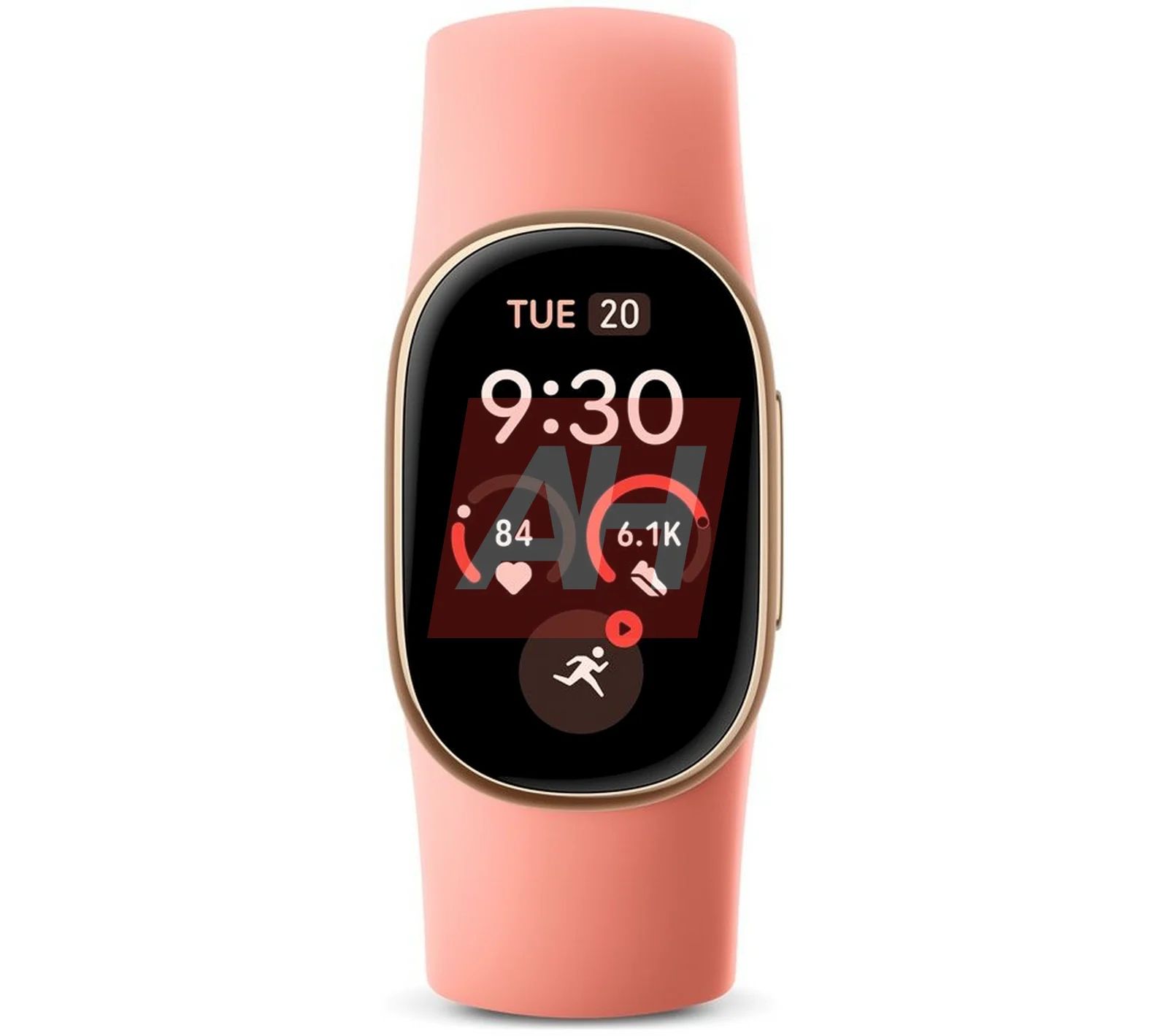
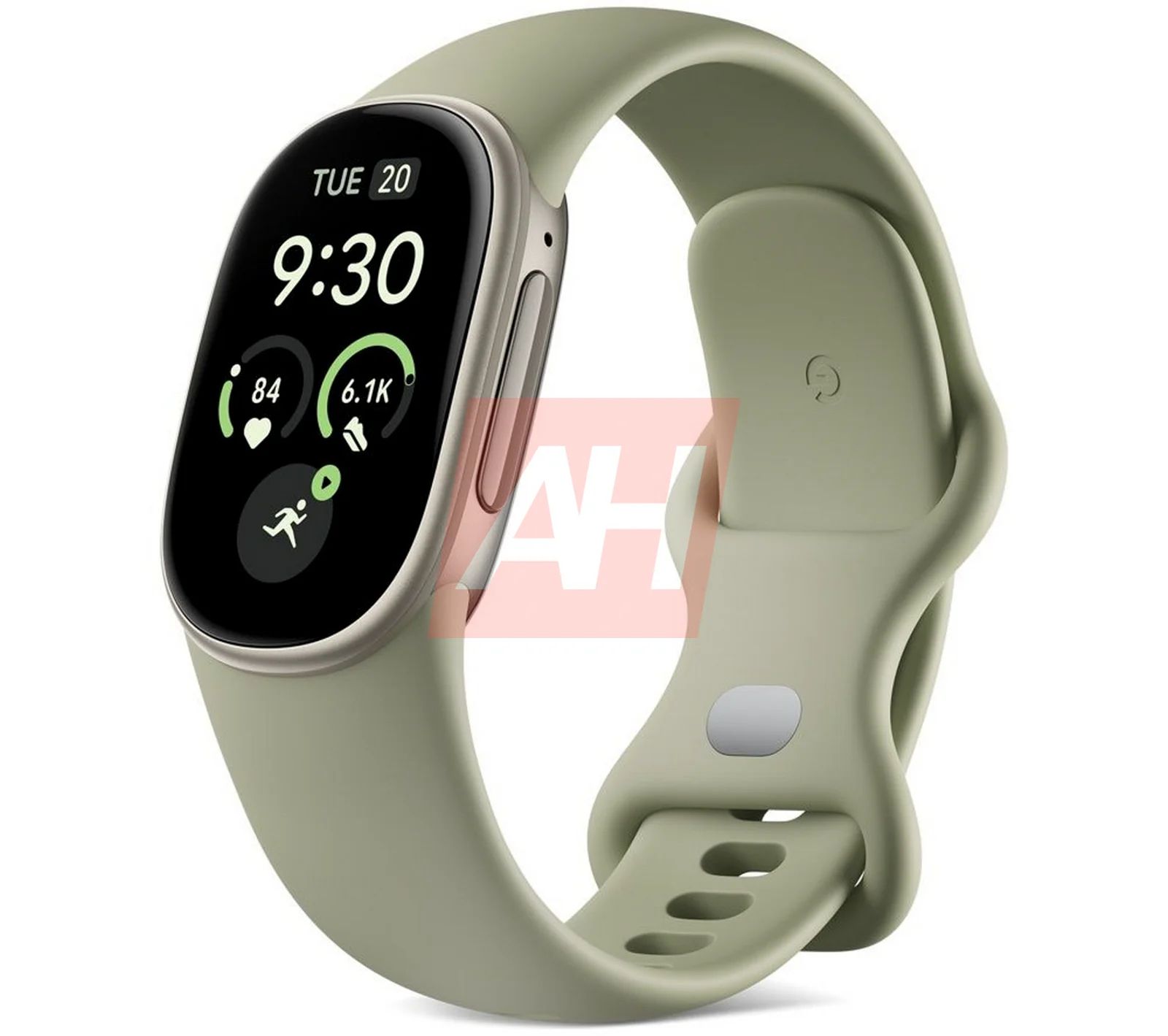
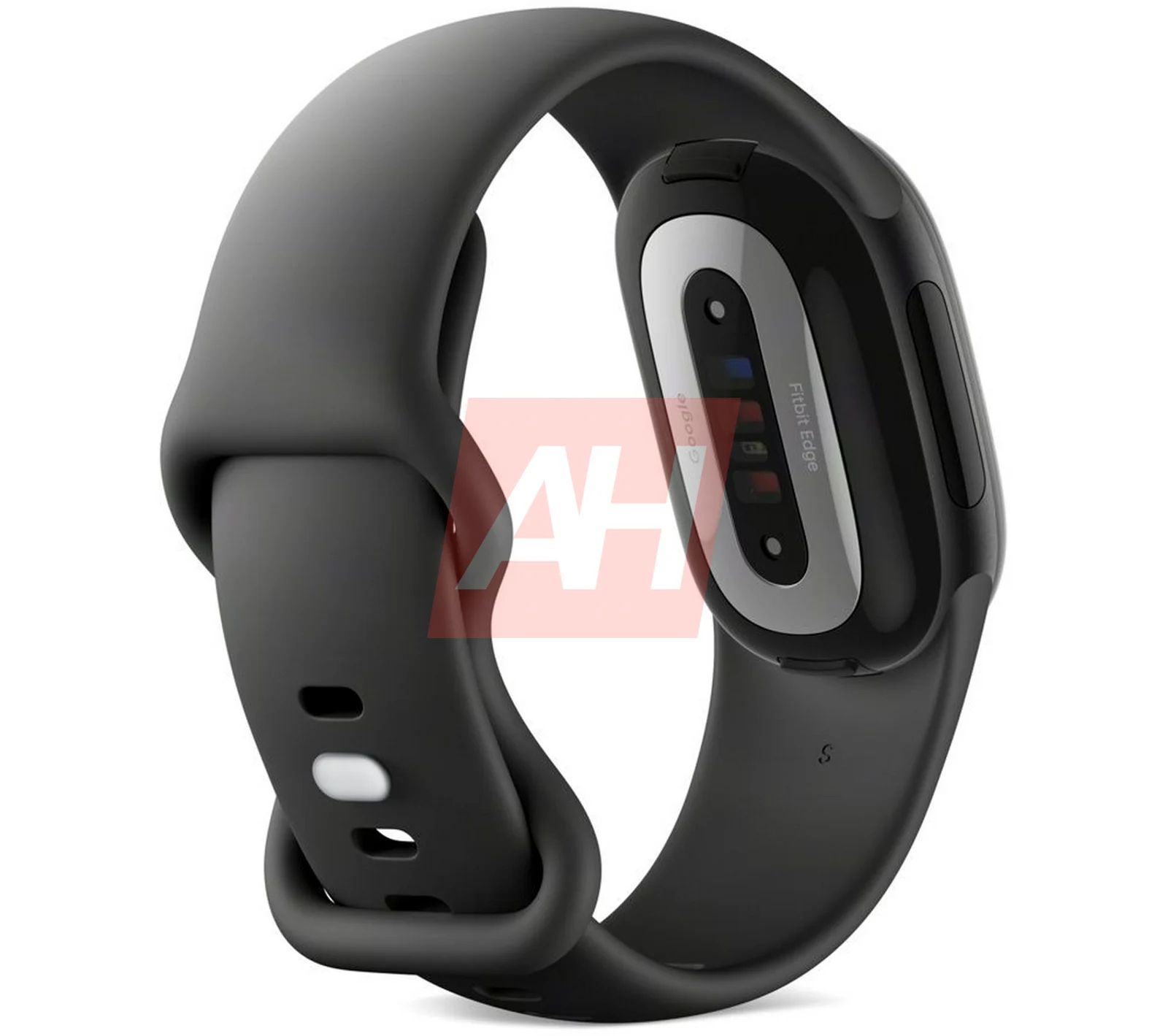
According to a leak from Android Headlines, Google is preparing a new wearable called the Fitbit Edge. The publication has shared what appear to be marketing renders of the device, giving us our first look at what Google's next Fitbit tracker could look like.
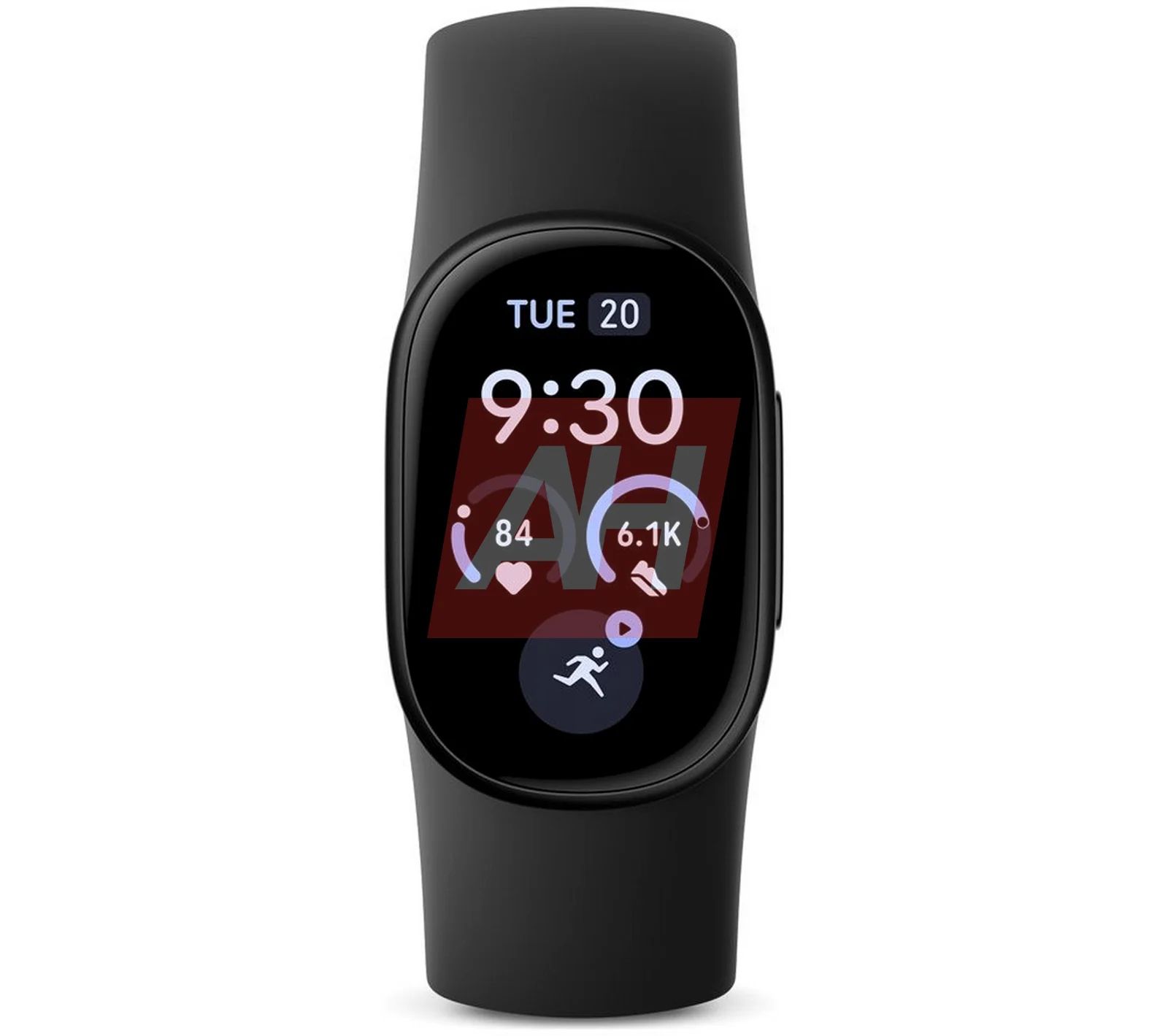
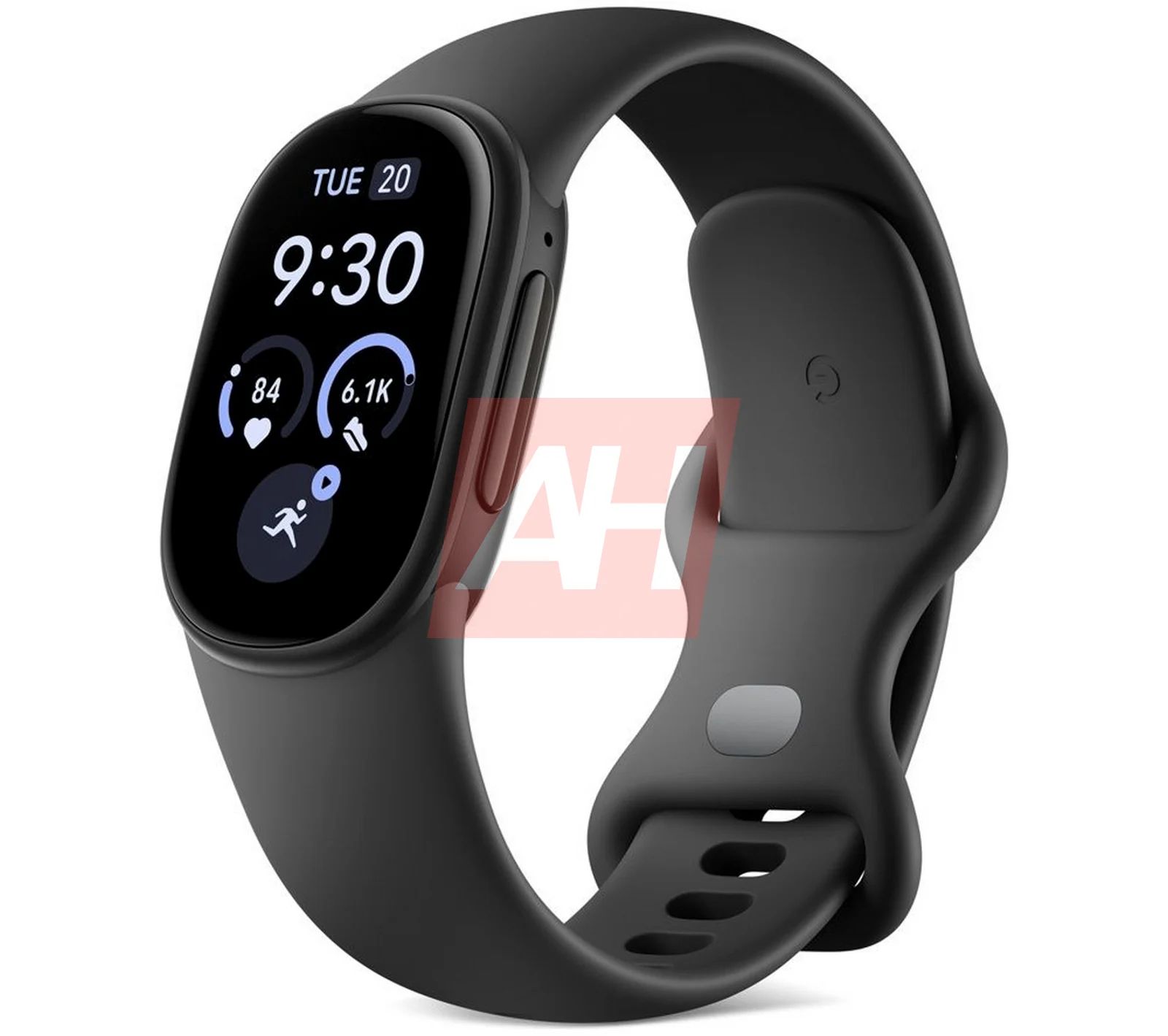
Leaked media renders of the Google Fitbit Edge.
Android Headlines
Leaked media renders of the Google Fitbit Edge.
Android Headlines
Leaked media renders of the Google Fitbit Edge.
Android Headlines
Leaked media renders of the Google Fitbit Edge.
Android Headlines
Leaked media renders of the Google Fitbit Edge.
Android Headlines

Unlike the Fitbit Air, the Fitbit Edge will reportedly feature a small oval-shaped display. It won't offer the full smartwatch experience you get from something like the Pixel Watch, but instead use the smaller screen to display essential information.

The leaked watch face shows things like the time and date, heart rate, step count, and a quick button to start a workout. Think of it more as a successor to the Fitbit Charge 6, which launched back in 2023, rather than a cheaper Pixel Watch.

The renders also show a button on either side of the tracker alongside a sensor array on the back. The sensor setup looks quite similar to what we have on the Fitbit Air, although there could be additional sensors for tracking more health metrics.

The Fitbit Edge is shown in three colors called Obsidian, Olive, and Canyon, which are similar to the finishes we've seen on the Pixel 11 Pro series.
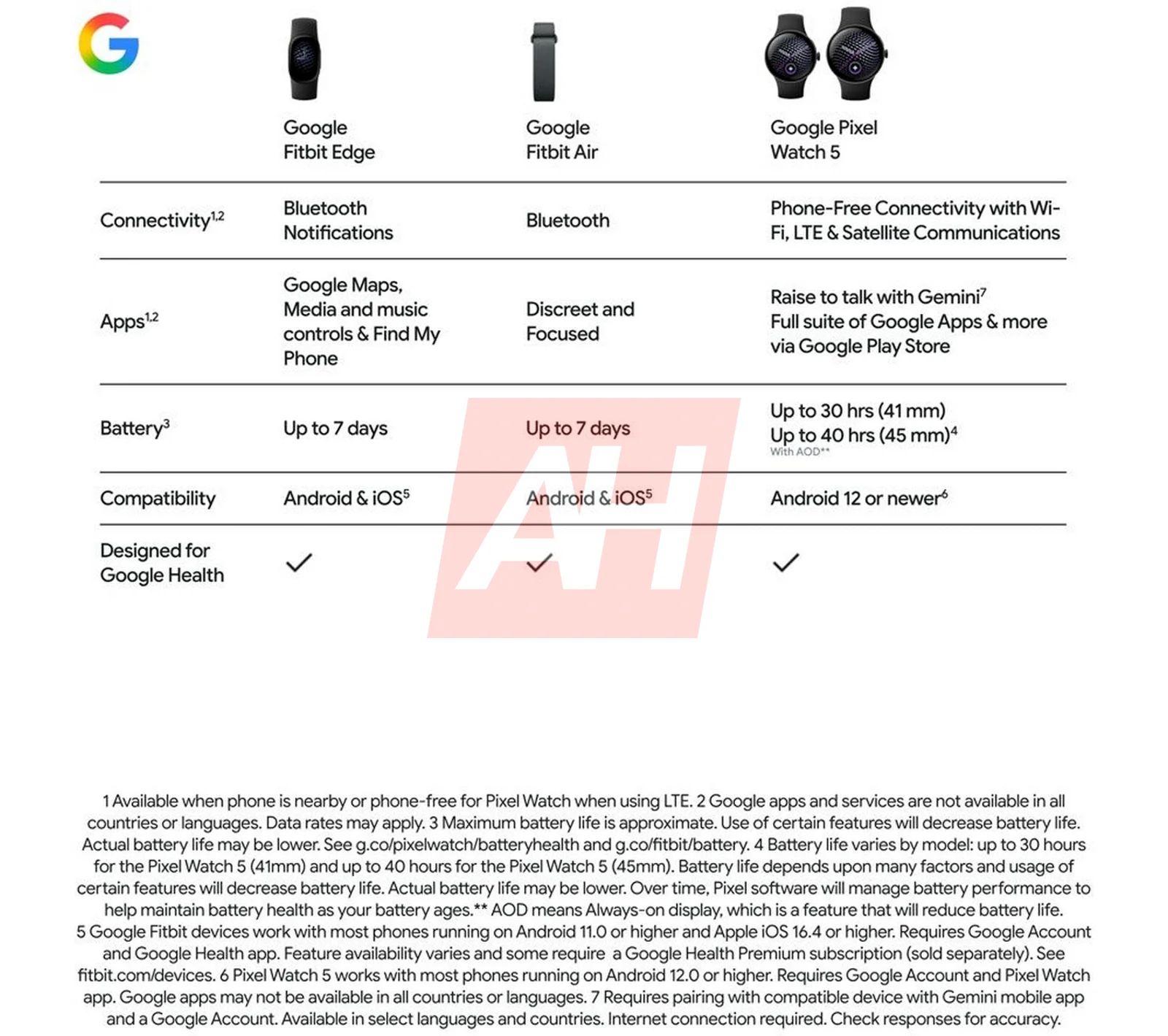
Leaked media renders of the Google Fitbit Edge.

(Image credit: Android Headlines)

As for the specs, the Fitbit Edge will reportedly offer up to seven days of battery life, matching the Fitbit Air. Unlike the Pixel Watch, which only works with Android phones, the Fitbit Edge will reportedly support both Android and iPhone, similar to other Fitbit trackers.

The display will also allow the Fitbit Edge to offer some smartwatch-like functionality. The tracker will reportedly support notifications and features from apps including Google Maps and YouTube Music, alongside Find My Phone. It's unclear whether you'll also be able to see notifications from third-party apps like WhatsApp or regular messages.

Google is expected to position the Fitbit Edge as the middle option between the $99 Fitbit Air and the more expensive Pixel Watch 5. Pricing hasn't leaked just yet, but the publication estimates that the Fitbit Edge could cost somewhere between $149 and $199.

The Fitbit Edge is reportedly set to launch later this month, so we shouldn't have to wait too long to learn more about Google's next wearable.

Jumat, 02 Oktober 2026

Exynos 2700 reportedly begins mass production, and Samsung has some decisions to make

What you need to know

  • Overseas rumors suggest Samsung's Exynos 2700 has entered the mass production stage.
  • The chip is reportedly going to be applied to the Galaxy S27, S27 Plus, and "S27 Pro;" however, decisions need to be made about the S27 Ultra.
  • Recent rumors about the chip suggest Samsung is working on improving its heat generation/dissipation, as well as allegations about its increased performance.

Samsung is reportedly moving ahead with its next-gen in-house chip, the Exynos 2700. As it enters mass production, there are a few lingering questions still left unsolved concerning its application.

A report by The Elec (Korean) suggests Samsung is moving forward with the Exynos 2700, entering its mass production stage (Via SamMobile). According to the publication's insiders, there are two decisions the company had to make. The first reportedly concerns its "increase in volume." Supposedly, Samsung has started crafting ~10% more Exynos 2700 chips.

Rumors claim this is done to accomodate the alleged "Galaxy S27 Pro" we've seen in rumors throughout 2026. However, there's uncertainty behind its Galaxy S27 Ultra application. Usually, Samsung integrates its Exynos chip in its flagship series in various overseas markets. Korean and (at times) Europe have received this version over Qualcomm.

However, the publication claims it "has not yet been decided" how widespread Exynos 2700 will be for the S27 Ultra. It's under current speculation that the S27 series would recieve the latest Snapdragon chips in the U.S., but beyond that, the report is uncertain.

Rumors so far

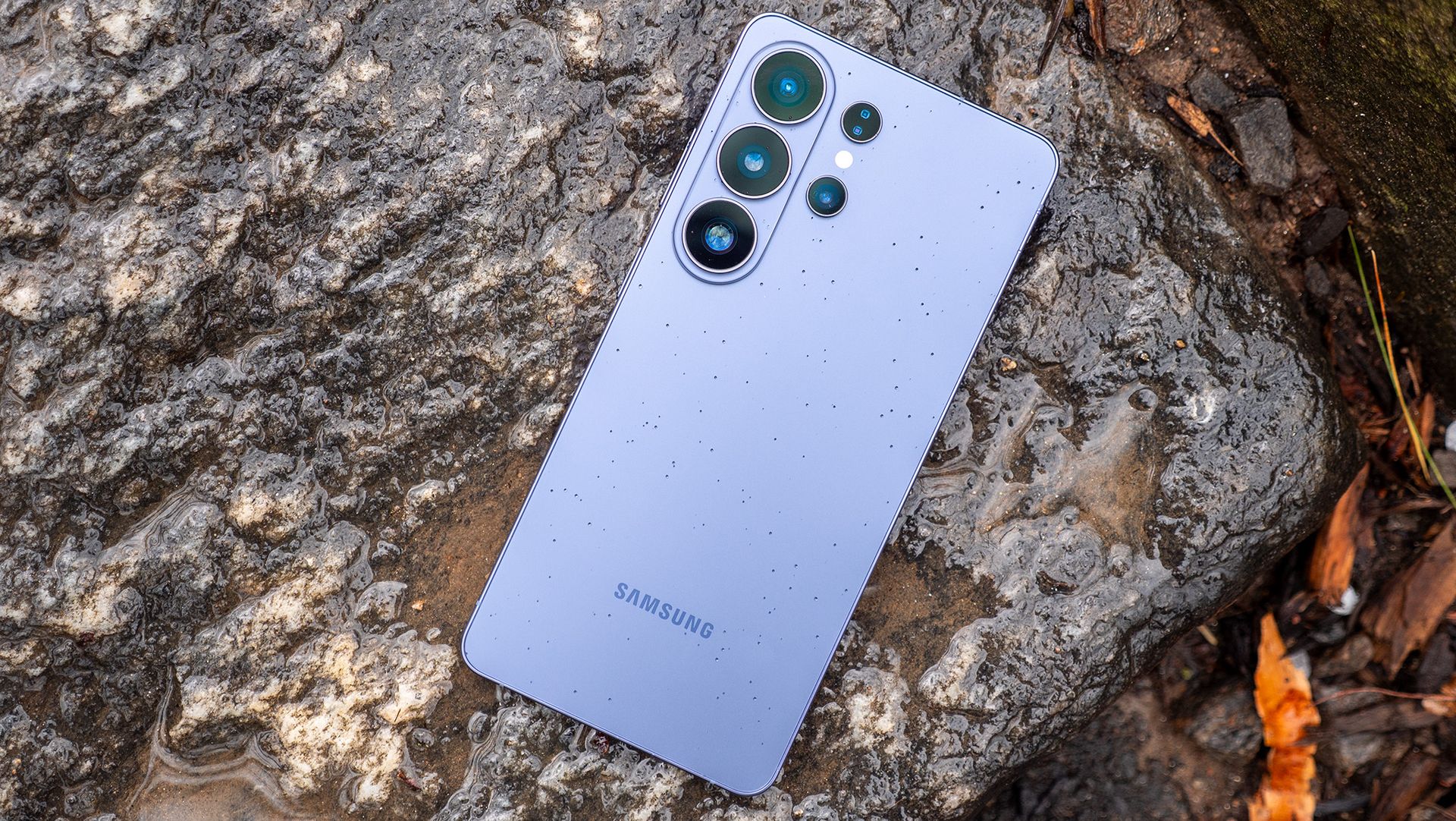
The back of the blue Samsung Galaxy S26 Ultra

(Image credit: Nicholas Sutrich / Android Central)

Samsung was reportedly fast-tracking its Exynos 2700 development. Supposedly, the company's major focus involved the chip's HPB (Heat Path Block) technology. This enables the chip to throw off heat, reducing its temperature and remaining cooler overall. No one wants a hot phone all the time, and that was precisely an issue Samsung's Exynos often suffered from.

There were also rumors that Samsung's application of the Exynos 2700 in the Galaxy S27 series could help "reduce costs" for consumers. Elsewhere, we have some performance rumors. Rumors from the spring suggest the chip could feature a 10-core structure, and its fastest core could clock in at ~2.88GHz. What's more, the Xclipse 970 GPU was spotted for the chip, with reports purporting a ~12% performance boost.

Similar rumors continued, with some boldly claiming the Exynos 2700 could top Qualcomm's flagship chips.

Android Central's Take

I don't think Samsung is too far out of its depth with the Exynos. I think it needs to buckle down, lock in, and make a good chip. Its 2600 wasn't terrible. It was a decent step in the right direction. But we all know what I'm going to talk about, right? How is it graphically? Can it hold up well for games? Think about: if a chip can do that, you'd figure it can handle everything else without fail. It should be smooth, cool. We expect Samsung's next phones next year, and that's likely when we'll know everything for sure.

Google just raised the Pixel 10a price by $100, and it's a hard pill to swallow

What you need to know

  • Google has increased the Pixel 10a's U.S. price by $100, taking the base 128GB model from $499 to $599.
  • The 256GB Pixel 10a now costs $699, with the new pricing already live at Google, Amazon, and Best Buy.
  • Google hasn't explained the increase, but rising memory and RAM costs could be contributing to the higher price.

Google has officially increased the price of the Pixel 10a by $100, meaning the mid-range smartphone now starts at $599 in the U.S.

It's apparently the season of price increases. Just a day after Samsung raised the prices of some Galaxy S26 variants, Google has now increased the price of its mid-range Pixel 10a by $100 (via 9to5Google). The Pixel 10a, which originally launched for $499 in the U.S., is now officially available for $599.

Google hasn't said anything about the reason behind the price increase. But with component costs, particularly memory and RAM, continuing to rise, we presume that's playing a major role here.

When Google launched the Pixel 11 series earlier this year, the company also increased prices by $100 compared to the previous generation. At the time, though, the Pixel A-series remained unaffected. It looks like that's no longer the case, with Google now raising the Pixel 10a's price as well.

This means the base 128GB Pixel 10a now starts at $599 in the U.S., while the 256GB model comes in at $699. The new prices have already kicked in at the Google Store, as well as retailers including Amazon and Best Buy.

The Google Pixel 10a in the Lavender colorway.

(Image credit: Brady Snyder / Android Central)

What makes the price increase particularly difficult to swallow is that the Pixel 10a itself didn't change much compared to last year's Pixel 9a. In fact, it uses the same Tensor G4 processor that first debuted with the Pixel 9 series back in 2024.

Google did make a few improvements, including upgraded wireless charging and satellite connectivity. But paying $100 more for the exact same phone that cost $499 until recently is still a pretty hard pill to swallow.

Unfortunately, that's the smartphone market we're in right now. We expected mid-range and budget phones to be among the devices hit hardest by rising component costs, and with the Pixel 10a's new price, we're now starting to see that play out.

'Samsung Sound' is no more: app prepares for shutdown and future integration

What you need to know

  • Samsung is reportedly informing users that the Sound app will shut down on March 31, 2027.
  • While early, Samsung is already encouraging users to shift their devices to SmartThings, which is where the Sound app's features will live on next year.
  • Samsung has a history of app closures in 2026: Messages, Quick Measure, and AR Doodle apps.

Samsung's streak of app shutdowns continues this week. The company is rolling out a new alert for users regarding an app for managing its speakers.

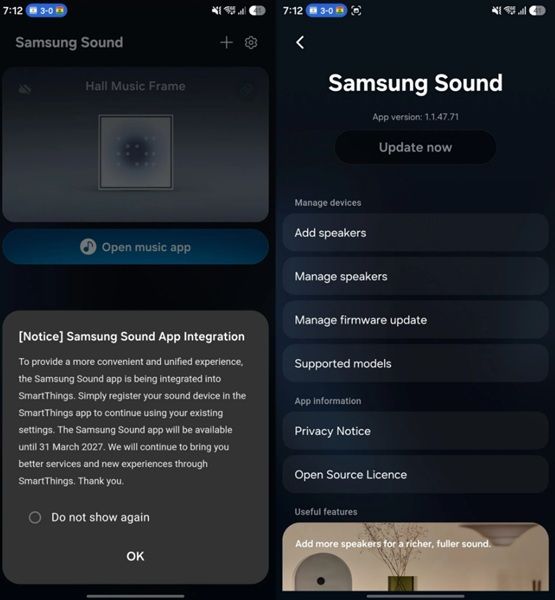
Samsung is preparing to shut down an app it launched earlier this year, SamMobile reports: Samsung Sound. A warning has started appearing in the app stating that it will remain available "until March 31, 2027." Samsung states this shutdown is to produce a "more convenient and unified experience." And here's the important part: Samsung says the Sound app's features are moving into SmartThings.

During its brief life, the Sound app helped users control Samsung's soundbars and other speakers. Considering the impact this shutdown will have, Samsung detailed how users can migrate over. The in-app alert is as follows: "Simply register your sound device in the SmartThings app to continue using your existing settings."

We're still several months away from this happening, but it doesn't hurt to get a head start. But this latest app closure is another dot on a string of recent shutdowns from Samsung.

Shut down history

Samsung prepares to shut down its wireless speaker control app: Samsung Sound in March 2027.

An alert within the Samsung Sound app warns that the company will shut down its wireless speaker control app in March 2027. (Image credit: SamMobile)

One of the bigger shutdowns this year happened in July when Samsung Messages disappeared. July 2026 was the cutoff for the app, although it didn't affect everyone: Samsung said that users on Android 11 or earlier won't have to worry about it. Everyone else will be moved to Google Messages. Samsung made it relatively easy for users to switch, which we also detailed.

But fast-forward to September, when Samsung started shutting down even more apps. The company announced its plans to get rid of the Quick Measure and AR Doodle apps. While "inconvenient," Samsung said it was committed to returning those apps "with improved services." There's a good chance we can see features from both appear in other places, similar to the Sound app in SmartThings.

Android Central's Take

All of this sounds like house cleaning to me. There's usually big moments for that in a real home. Typically, we're always cleaning up, but there are times when the deep cleaning tools come out—spring, fall, yadda-yadda. Samsung right now is cutting off some fat. These apps probably don't have a ton of traffic, but there are features users enjoy. Moving them or vowing to "improve" their services, is a good move. It keeps them around, but gives them new life.

Kamis, 01 Oktober 2026

UGREEN's local AI NAS rolls out huge price drops ahead of its Kickstarter launch

What you need to know

  • UGREEN announced a series of price drops for its upcoming HomeAgent AI NAS products as a thank-you to consumer support.
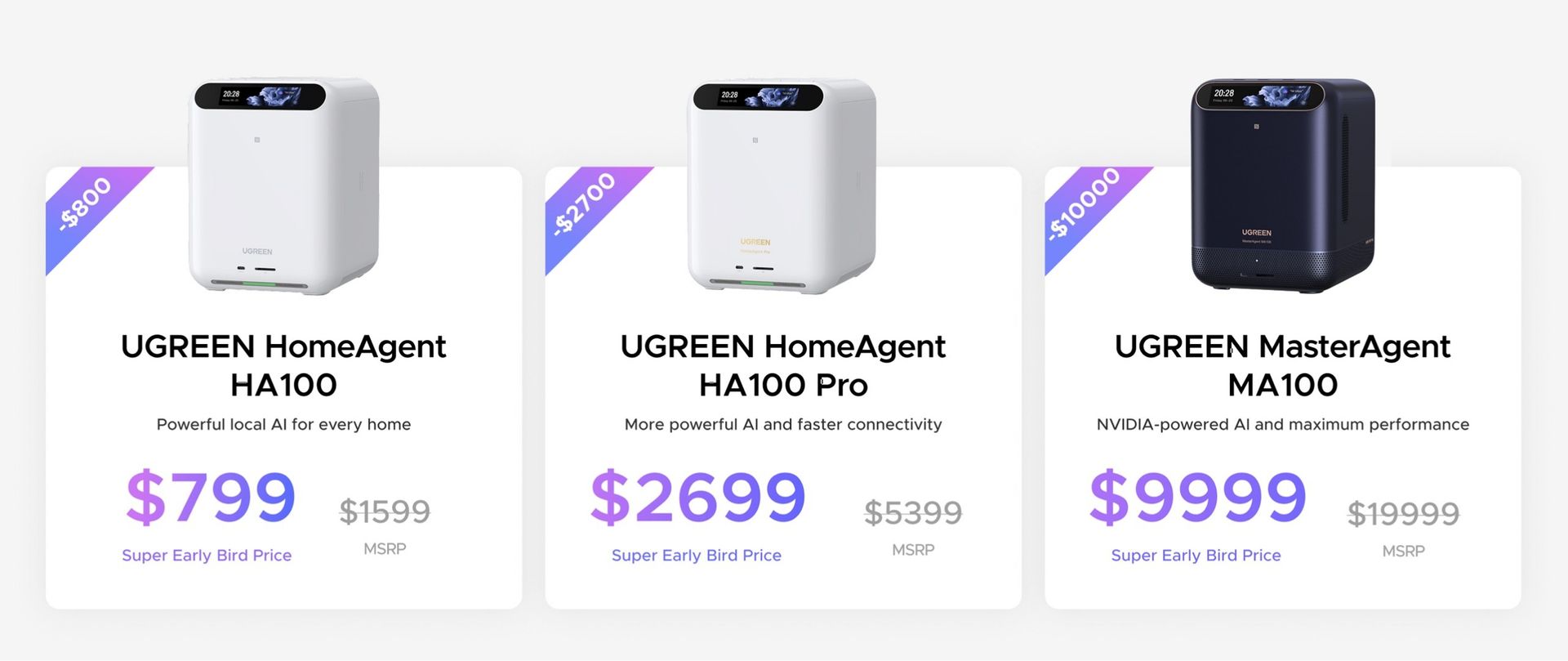
  • For the HA100, UGREEN is reducing its MSRP from $1,799 to $1,599, while the HA100 Pro drops from $5,999 to $5,399.
  • There are several more price changes for the Super Early Bird and Early Bird deposit consumers, as well as gifts.
  • UGREEN has moved its Kickstarter launch from October 27 to November 17.

UGREEN recently announced its local AI NAS alongside its first smart home series. However, it states, "This wouldn't have been possible" without consumers' support, so UGREEN is saying thanks.

This morning (Sept. 30), UGREEN detailed a series of price drops for its upcoming local AI NAS products. The company's statement reads, "To make HomeAgent accessible to more households and show our appreciation for the trust of our early supporters, we have decided to lower the manufacturer's suggested retail price..." Previously, UGREEN listed its HomeAgent HA100 at $1,799. That's now been reduced by $200 to $1,599.

Elsewhere, the company says it's reducing the MSRP of its HomeAgent HA100 Pro by $600, going from $5,999 to $5,399.

UGREEN also listed its Super Early Bird and Early Bird discounts in this announcement. The percentage off remains unchanged; however, since the MSRP is different, the final price has decreased. You can view the updated prices below:

  • 50% Super Early Bird price (HomeAgent HA100): $899 to $799; 40% Early Bird price: $1,079 to $959
  • 50% Super Early Bird price (HomeAgent HA100 Pro): $2,999 to $2,699; 40% Early Bird price: $3,599 to $3,239

If you've been gearing up for UGREEN's Kickstarter launch and you've already made your deposit, there's more in store. The company says consumers who've made a deposit for the HomeAgent HA100 and HA100 Pro are eligible for one ID500 Pro camera gift.

On the other hand, UGREEN says there are several other products not receiving a price drop, such as the MasterAgent MA100. However, you won't miss out on gifts. If you've already put a deposit down for the MA100, you are eligible to receive four) 8TB Digital hard drives.

Stay local

UGREEN has altered the prices of its upcoming HomeAgent AI NAS products as a thank you to consumers for all of their support.

(Image credit: UGREEN)

UGREEN states it's also pushed back its Kickstarter launch date for its HomeAgents. Launch has moved from October 27 to November 17.

We were able to get our hands on the HomeAgent HA100, and we were pretty impressed. Android Central's Nicholas Sutrich has 15 years of professional IT experience, and UGREEN's HA100 was as "self-explanatory and user-friendly as you can imagine." Sutrich didn't read the instructions to see if he could figure everything out on his own. In short, he got the HA100 going in about five minutes.

At one point in our hands-on, Sutrich said, "To say I'm extremely excited about these products is an understatement. From the looks of things so far, this does everything I've wanted a smart home to do and then some. Local control and storage are particularly attractive to me, especially since I stopped using Eufy years ago after all those old scandals."

Closed foldables cause Android Auto calls to fail: Moto and Google are investigating

What you need to know

  • Users with Android Auto in their cars report that, if their foldable is closed, the system will fail to place a call unless they open it.
  • Several reports involve Motorola's Razr series, but Gemini has also been mentioned heavily in a series of online reports.
  • Motorola and Google are aware and are reaching out to users for information.

Drivers beware: A fresh Android Auto bug seems to be unfolding. The issue has drawn increased attention this week regarding a call failure bug — and user reports on social media and official OEM forums claim that the state of their foldable is the cause.

Reports are spread across Reddit, Google's Forums, and Motorola's (via Android Authority). A user reported this issue on Reddit a few months back, stating they're unable to make a call through Android Auto when their Moto Razr Ultra 2025 is closed. They must open it before their call can be placed. They questioned whether this is the result of Android 16, but that doesn't appear to be the case.

Others chimed in, reiterating the same issue as the OP. A report on the Google forums sheds more light: It states that "ever since Gemini became active," attempting to place a call while the user's foldable is closed will result in an Android Auto failure. The post adds, "it pulls up the person and phone number, but doesn't process the call."

These reports share something in common: closed foldable results in failure and Gemini's wider rollout. The timing is far too close for comfort, and it seems some users clocked this, too. Back on Reddit, one user discovered that if they disabled Gemini and reverted to the old Google Assistant, their calls would go through, regardless of whether their foldable was opened or closed.

While concerning, the publication noticed that Motorola and Google have been active and watching these reports. It looks like both companies are aware of what's going on with Gemini and with the Razr foldables. All we have to do now is wait for a fix.

Android Auto woes continue

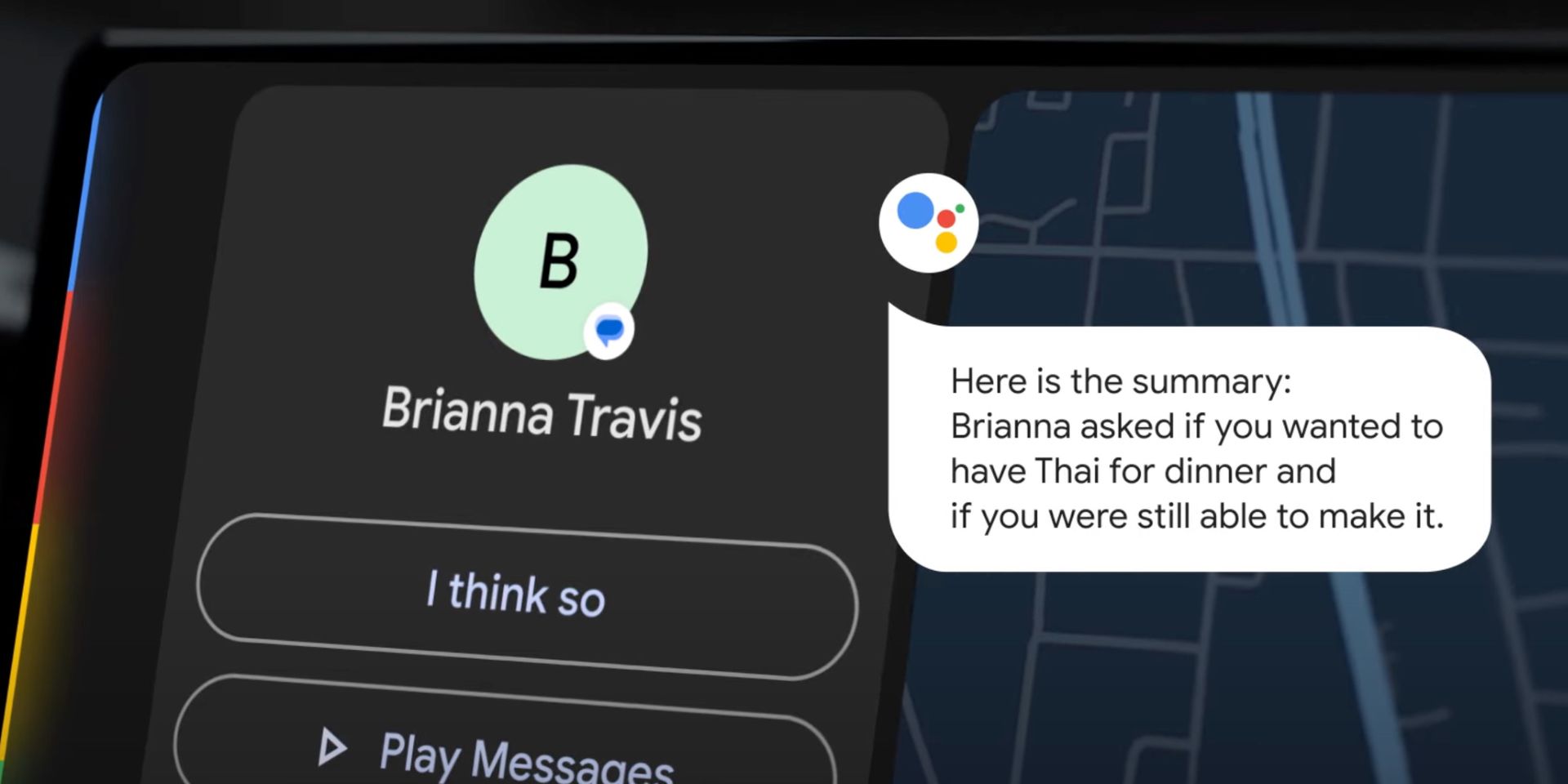
Message summaries in Android Auto.

(Image credit: Google)
Android Central's Take

This is such a weird problem to have that it's almost funny. It's not like we have to keep our foldables open for calls outside of the car. Could you imagine that though? It would be like holding a tablet up to your ear. My jokes aside, let's hope Motorola and Google can figure out where the issue lies and fix it for good.

Android Auto has its issues (no one's denying that). There was a problem with the Pixel 10 that users encountered when connecting the device. According to user reports, a gray screen would appear when their phone was connected to Android Auto. What's more, there was a freezing issue that didn't get fixed when Google rolled out a patch. Elsewhere, Android Auto users had a problem in March with the signal icon.

This wasn't as terrible as what some are facing today. The signal icon for cellular connectivity was disappearing on the car's display. In short, it was a UI bug. Users reported that everything else worked perfectly fine: connectivity, calls, data, and navigation. The problem was linked back to Android Auto version 16.5. Users found relief by reverting to an older version.

Anyone know why I cant make a phone call with Android Auto without flipping my Razr Ultra 2025 open? Did Android 16 change something?
 from r/razr

Rabu, 30 September 2026

Amazon just refreshed its Fire TV Stick 4K — here's what's new

What you need to know

  • Amazon's new Fire TV Stick 4K promises 35% faster app launches and up to 20% faster content playback.
  • The new model supports Wi-Fi 6, 4K 60fps video and ships with Amazon's Vega OS out of the box.
  • Amazon has redesigned the Fire TV remote with a new shape and tactile buttons that are easier to find by touch.

Amazon today announced the next generation of its Fire TV Stick 4K.

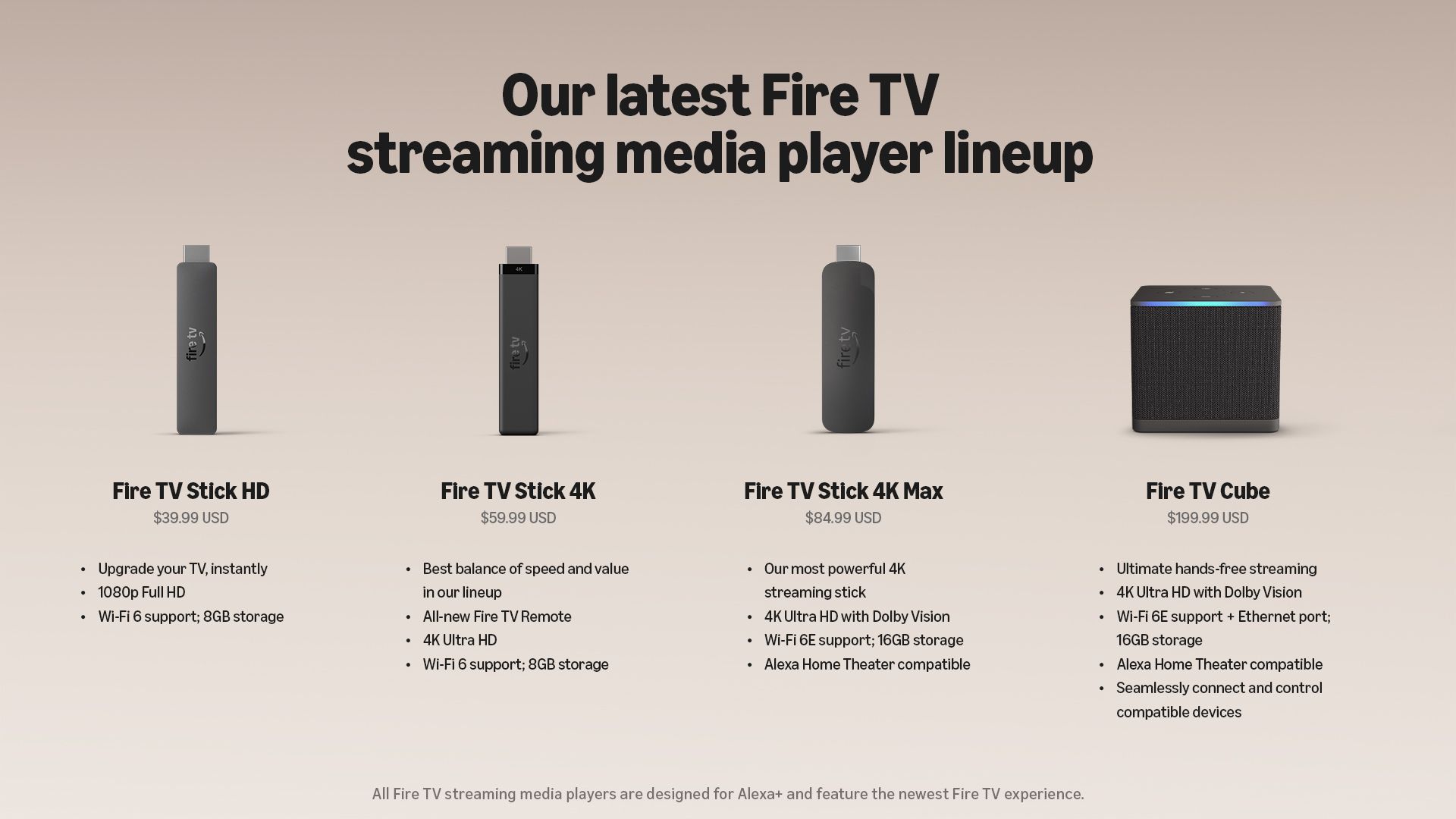
While there are plenty of great Android TV and Google TV streaming devices out there, Amazon's Fire TV Stick remains one of the most popular streaming options. And today, the company updated its lineup with the new Fire TV Stick 4K (2026). Amazon says the new model brings faster performance, ships with the new Vega OS, and comes with a redesigned Fire TV remote.

The new Fire TV Stick 4K is powered by a quad-core 1.7GHz processor and supports Wi-Fi 6, Bluetooth 5.3, and 8GB of internal storage. For video output, it supports HDR10, HDR10+, HLG, H.265, H.264, VP9, and AV1 at up to 4K 60fps.

Amazon says the new Fire TV Stick 4K should also feel noticeably faster in everyday use. According to the company, apps can now launch over 35% faster, while content starts playing up to 20% faster than before.

Amazon's Fire TV Stick 4K with the new remote that launched in 2026

(Image credit: Amazon)

The Fire TV Stick 4K also supports Direct Power, which allows you to power the streaming stick directly through your TV's USB port instead of requiring a separate power adapter. It also ships with Amazon's new Vega OS out of the box.

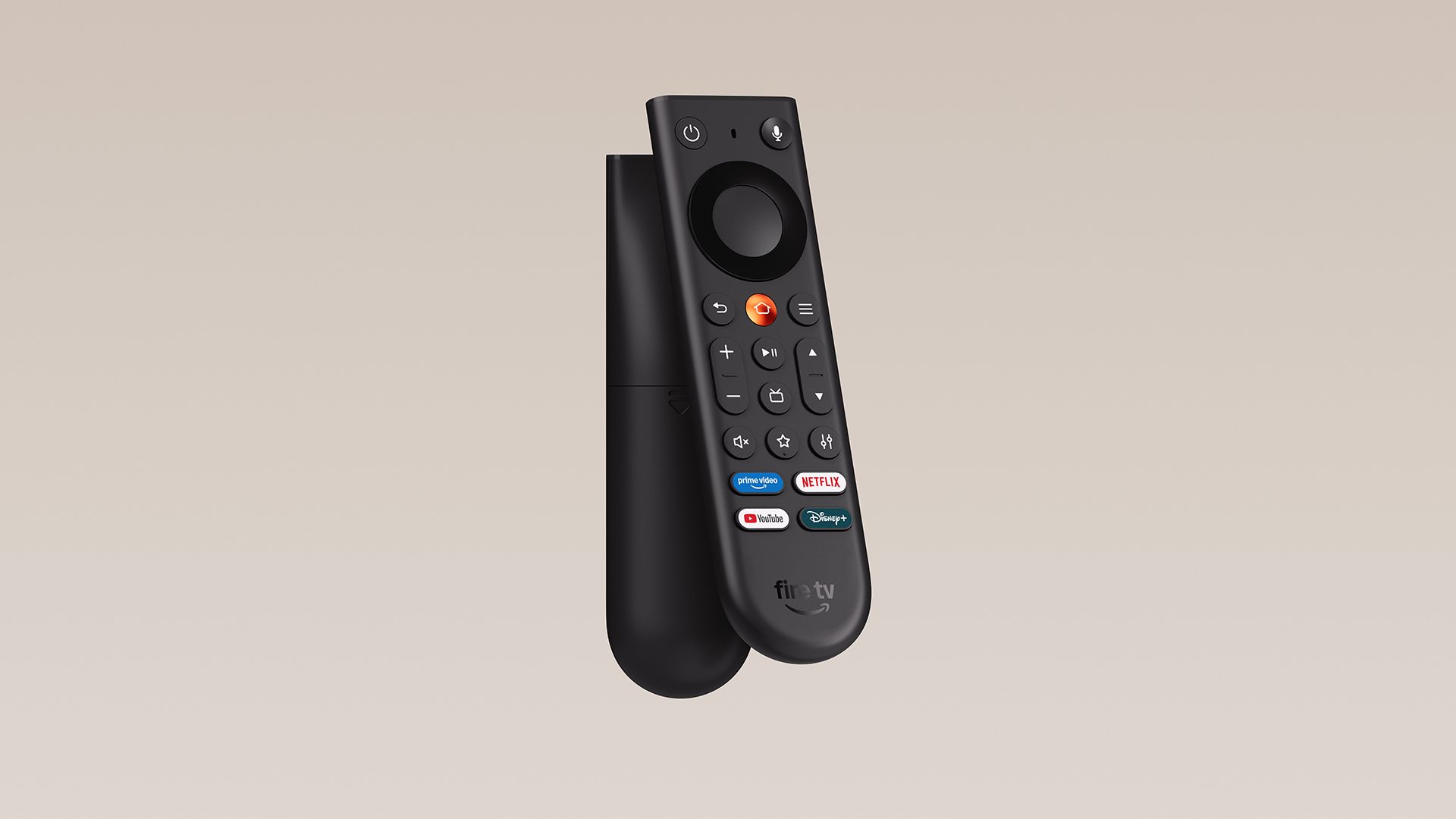
Alongside the new Fire TV Stick 4K, Amazon has debuted a redesigned Fire TV remote. The company says the new design focuses on making the remote easier to hold and navigate without constantly looking down at the buttons.

The remote now has an asymmetrical shape with a flat top and a curved, weighted bottom, making it easier to tell which way you're holding it. The Home button gets a distinct metallic finish, while the other buttons are indented and differently shaped so they're easier to identify by touch alone.

Amazon's Fire TV Stick 4K with the new remote that launched in 2026

(Image credit: Amazon)

You still get the usual playback and navigation controls alongside quick-access buttons for apps including Prime Video, Netflix, YouTube, and Disney Plus.

Amazon has also teased a new Fire TV Remote Plus coming next year. The more premium remote will feature an aluminum housing and backlit buttons, alongside a built-in Find My Remote feature. You'll simply be able to say, "Alexa, find my remote," and the remote will play a sound to help you locate it.

The new Fire TV Stick 4K is priced at $60 and starts shipping today in the U.S., Canada, Japan, Mexico, U.K., Ireland, Germany, France, Italy, Spain, Switzerland, Australia, and New Zealand, with more countries joining next month.

For a limited time, though, Amazon is offering the new Fire TV Stick 4K for just $30 in the U.S., and you'll get the redesigned Fire TV remote in the box as well.