Appnext

Selasa, 06 Oktober 2026

Samsung's Galaxy S26 FE is a decent phone, but it makes too many compromises to be worth your money

To get the cheapest Samsung or Google flagship in 2026, you'll need to choose a smaller phone. The Samsung Galaxy S26, for instance, is a 6.3-inch smartphone. If you want to splurge for a 6.7-inch display, you'll need to pay $1,200 for the Galaxy S26 Plus. That's $200 more than than the Galaxy S25 Plus went for, and $100 more than the Galaxy S26 Plus originally cost when it launched in March.

Phones with large screens are expensive, in other words — but the Samsung Galaxy S26 FE is an outlier. It offers the same 6.7-inch screen size as the Galaxy S26 Plus for $500 less, and it's worth your attention for that reason alone. I've used the Galaxy S26 FE for weeks, and it's closer to flagship territory than you may think.

But it also makes a handful of cost-cutting measures to hit that attractive $700 price point, and other phones provide a better value.

The price hike is hard to ignore
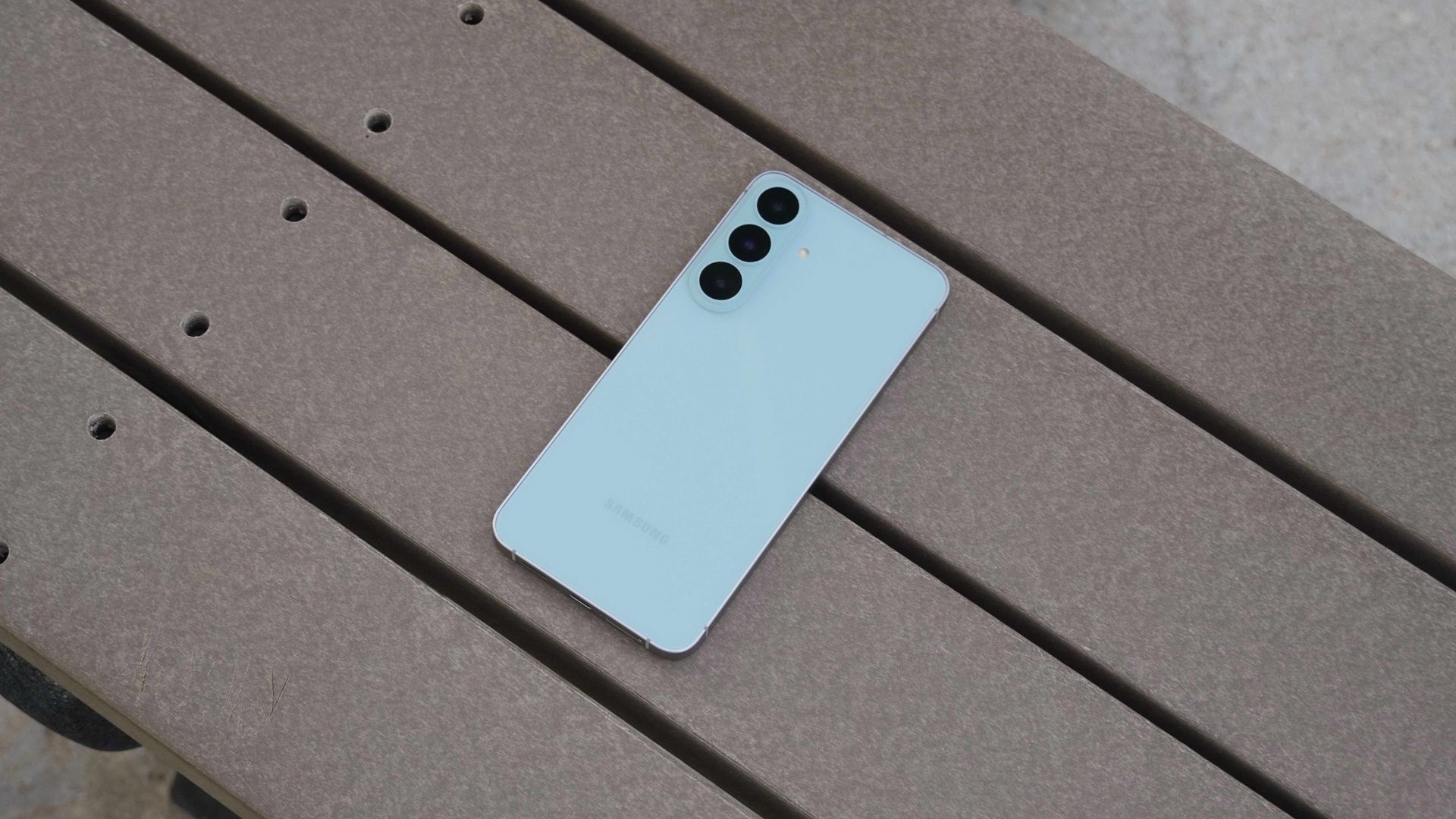
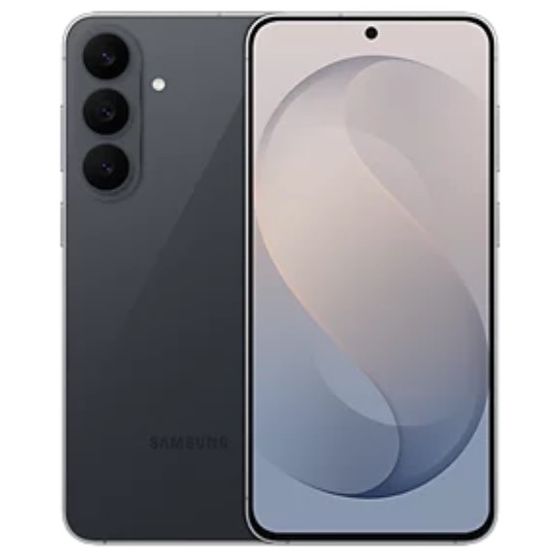
The Samsung Galaxy S26 FE in the Pistachio colorway.

(Image credit: Brady Snyder / Android Central)

Samsung's "Fan Edition" phones have always been in a tough spot in terms your wallet will understand. They're typically priced well above Google's midrange A-series models, as well as Samsung's own A-series phones. They're cheaper than Galaxy S series phones, but not by a whole lot. Further complicating matters is that the Galaxy FE phones have a screen size matching the Plus model of the Galaxy S lineup, making them attractive to people who want a larger display.

This year, the Galaxy S26 FE ships with a $50 price hike. That might not raise alarm bells considering the rising prices around the industry, but it should. The Google Pixel 11 and Samsung Galaxy S26 each saw a $100 price increase this year, and buyers get double the base storage in exchange. The Galaxy S26 FE, by comparison, still comes with the same 128GB of storage as standard.

If you want to match the 256GB storage of the rest of the Galaxy S26 series, get ready to pay $100 more for a Galaxy S26 FE. The 128GB model costs $699.99 and the 256GB version costs $799.99. This creates a puzzling lineup where the midrange Galaxy S26 FE and the flagship Galaxy S26 both launched at the exact same price, provided you got 256GB of storage for both.

Samsung retroactively raised Galaxy S26 and Galaxy S26 Plus prices, and the base model now costs $999.99. That does give the Galaxy S26 FE a better value proposition, but only slightly.

I'm starting off with pricing because it's the most important thing about the Galaxy S26 FE. As you'll learn throughout this review, Samsung's new midranger is as solid as ever, and it beats the Galaxy S25 FE in performance. However, it has the base Galaxy S26 and cheaper Android midrangers like the Google Pixel 10a and the OnePlus 13R breathing down its neck.

Samsung Galaxy S26 FE specs

Category

Galaxy S26 FE

Processor

Samsung Exynos 2500

Memory

8GB RAM

Operating System

One UI 9, Android 17

Display

6.7-inch AMOLED, 120Hz, 1,900 nits peak brightness

Battery

4,900mAh

Charging

45W wired, 15W wireless

Dimensions

161.6 x 76.9 x 7.4 mm

Weight

193g 

Rear cameras

50MP wide, 8MP telephoto, 12MP ultrawide

Front camera

12MP wide

The Galaxy S26 FE is a plus-sized midranger
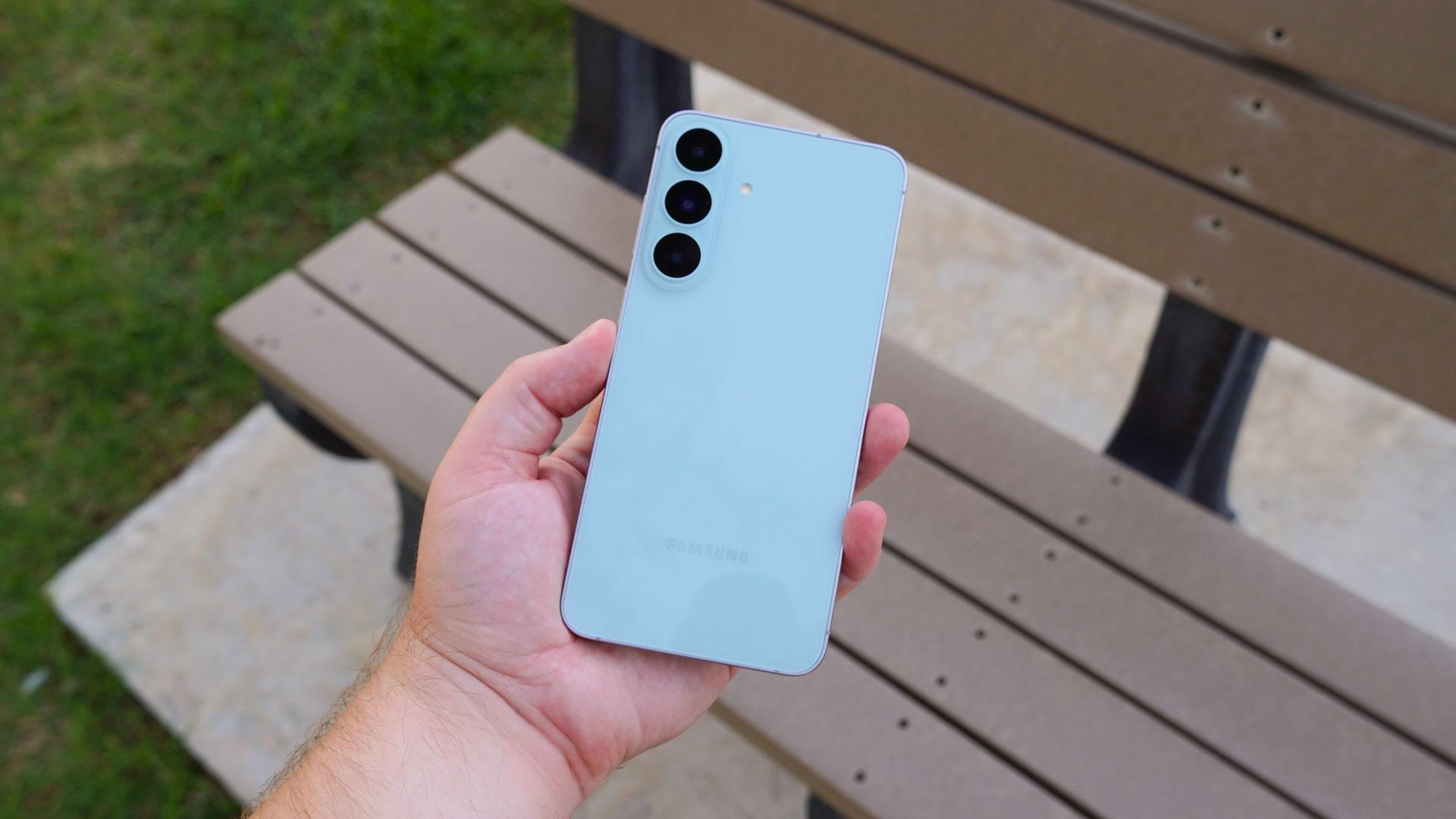
The Samsung Galaxy S26 FE in the Pistachio colorway.
Brady Snyder / Android Central
The Samsung Galaxy S26 FE in the Pistachio colorway.
Brady Snyder / Android Central
The Samsung Galaxy S26 FE in the Pistachio colorway.
Brady Snyder / Android Central

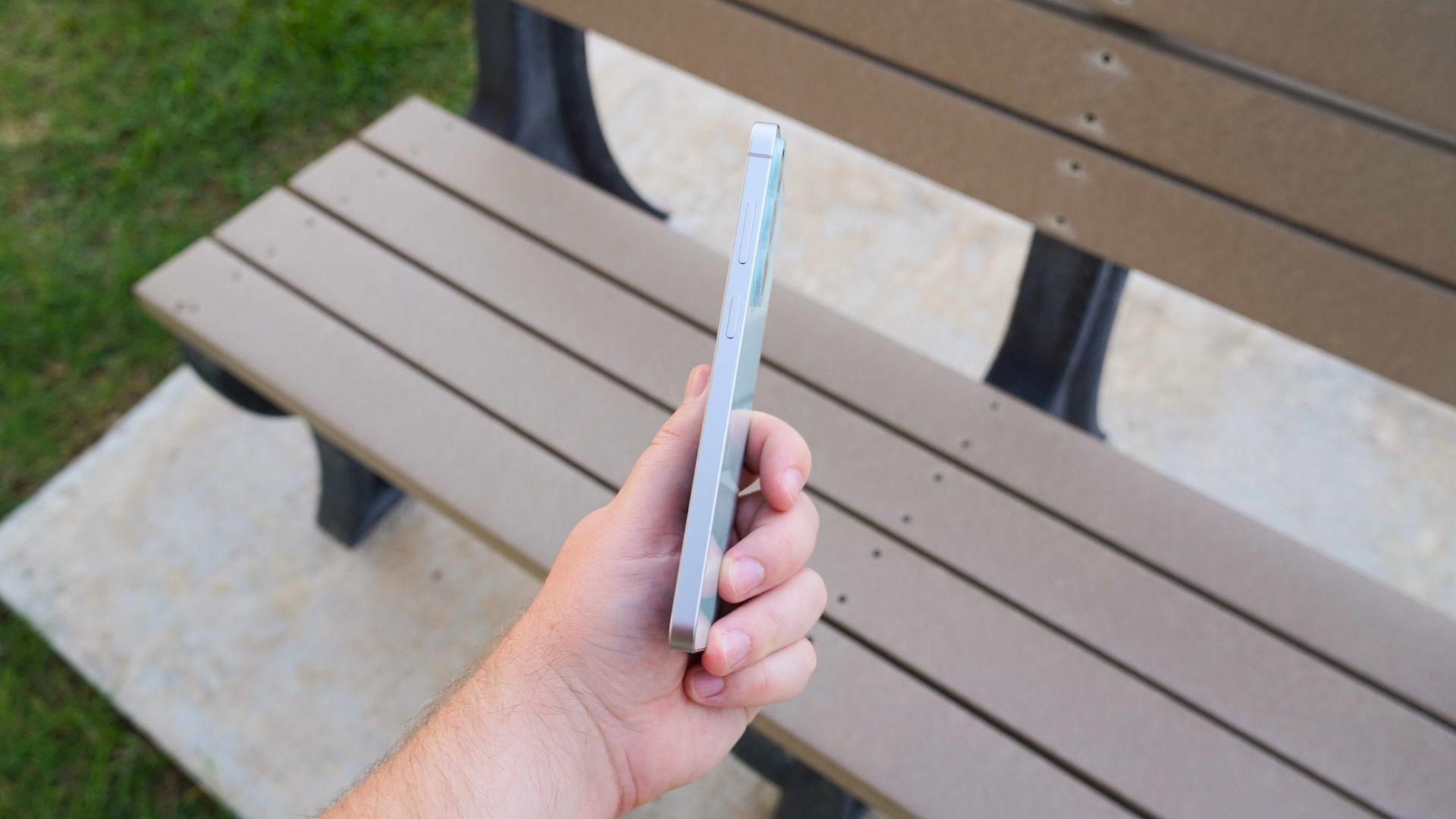
From a design perspective, the Galaxy S26 FE shares a few similarities with the Galaxy S26 Plus; it's only a millimeter thicker and three grams heavier. Due to the larger bezels, the Galaxy S26 FE has a bigger overall footprint. Reachability is a bit of an issue due to the form factor, as it's both wider and taller than the Galaxy S26 Plus.

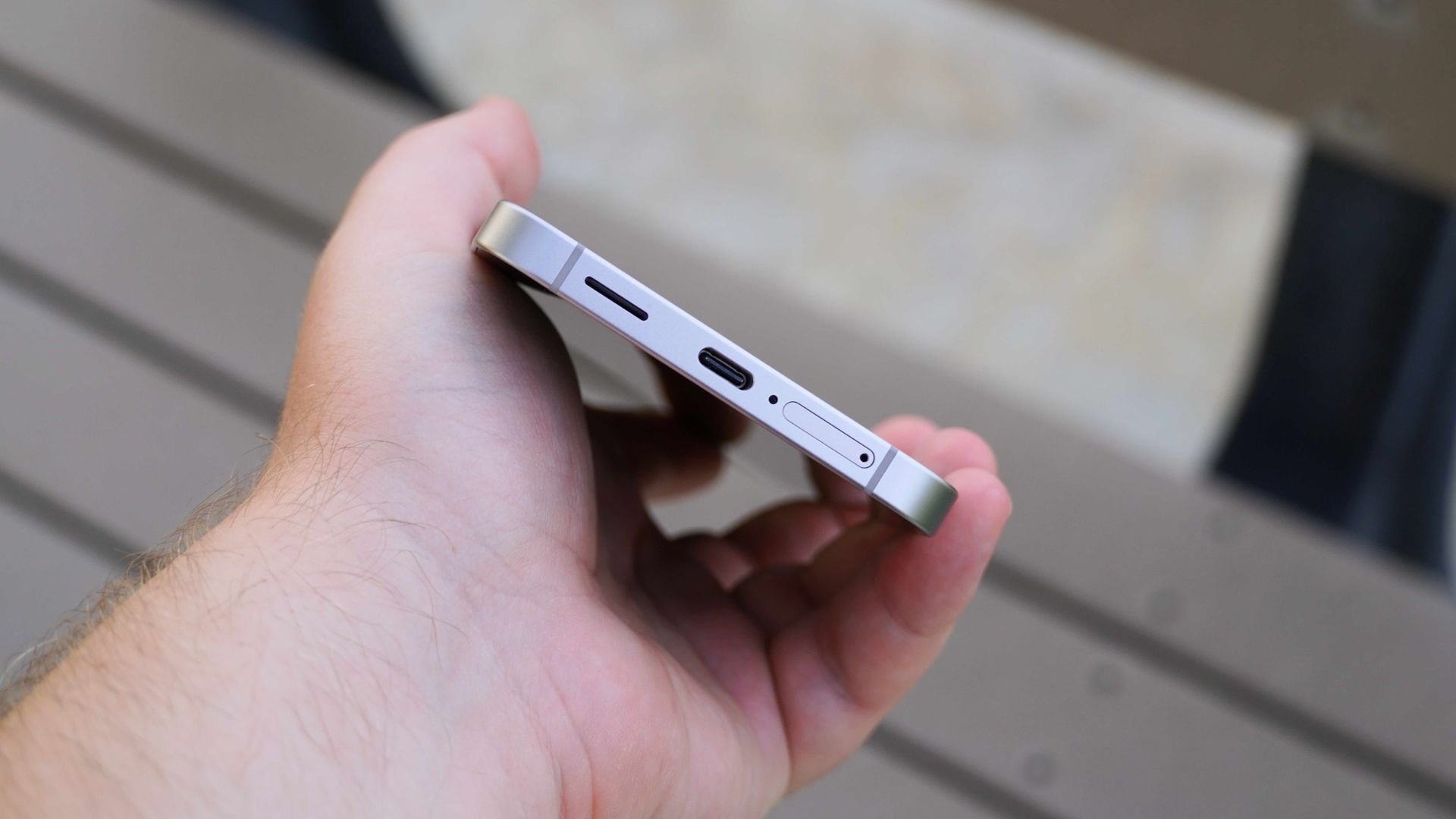
On the back, the key difference is the glossy Gorilla Glass Victus Plus. I prefer the matte look and feel of the Galaxy S26 Plus back, and that phone has newer Gorilla Glass Victus 2. But the colors for the Galaxy S26 FE are gorgeous. I reviewed the subtle Pistachio model, but you can also get the phone in Blueberry or Graphite colorways.

The Galaxy S26 FE uses a mix of glass and aluminum for materials, and it's IP68 certified against dust and water ingress. I had no problems with durability, and you shouldn't either. The device feels more premium compared to midrange phones with plastic backs, like the Pixel 10a.
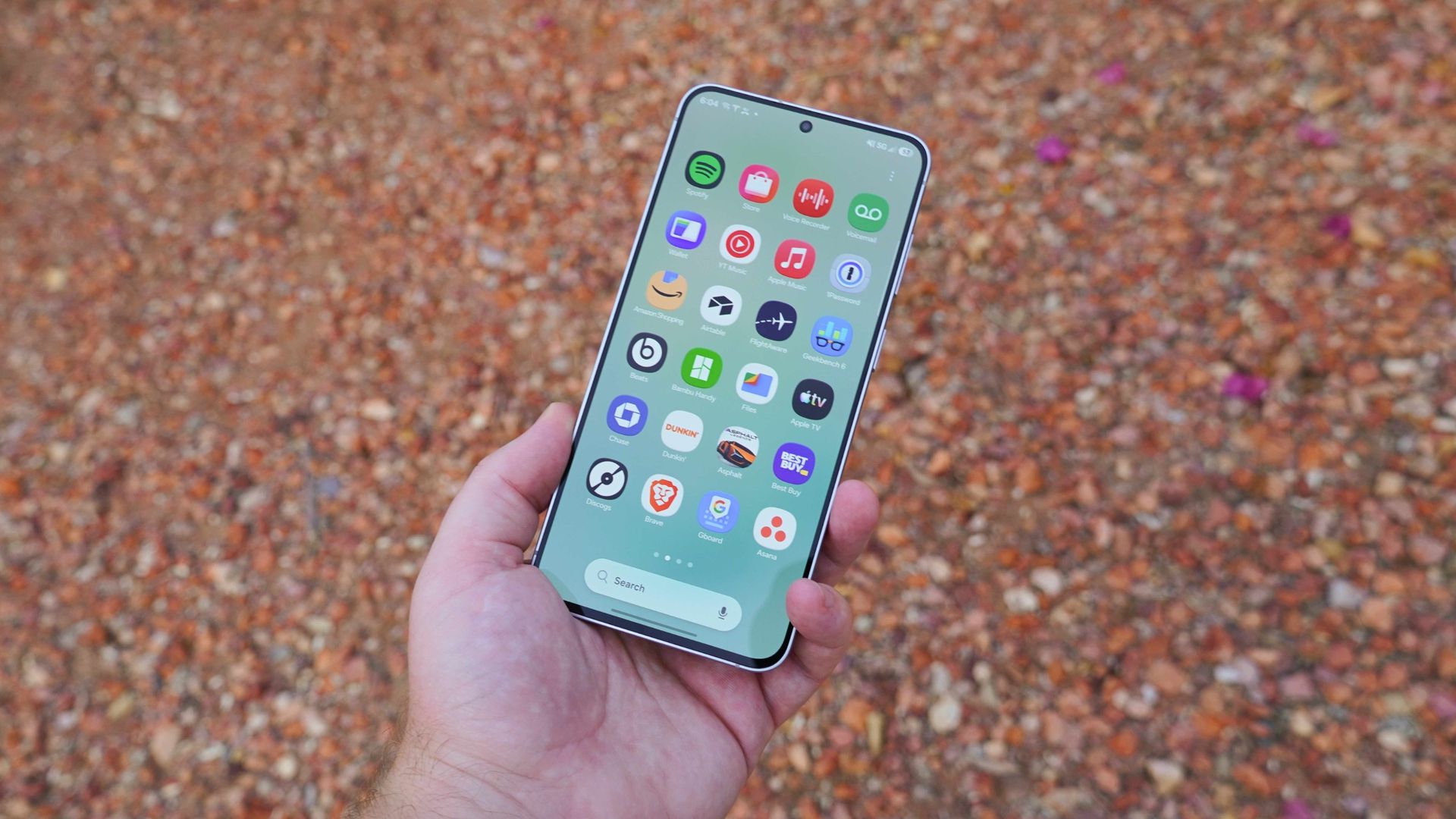
The Samsung Galaxy S26 FE in the Pistachio colorway.

(Image credit: Brady Snyder / Android Central)

The Galaxy S26 FE finds a niche thanks to its 6.7-inch display. It's the same size as the one on the Galaxy S26 Plus, albeit with a lower 1080p resolution. The screen isn't perfect — it has larger bezels, and more importantly, they aren't uniform. The Galaxy S26 FE has a "chin," and the lack of a consistent bezel size is unsightly to my eyes.

The chin has long been a sign you're looking at a Samsung budget or midrange phone compared to a flagship, and I think Samsung could've changed this by now. Google's midrange phone, the Pixel 10a, is cheaper and has uniform bezels.
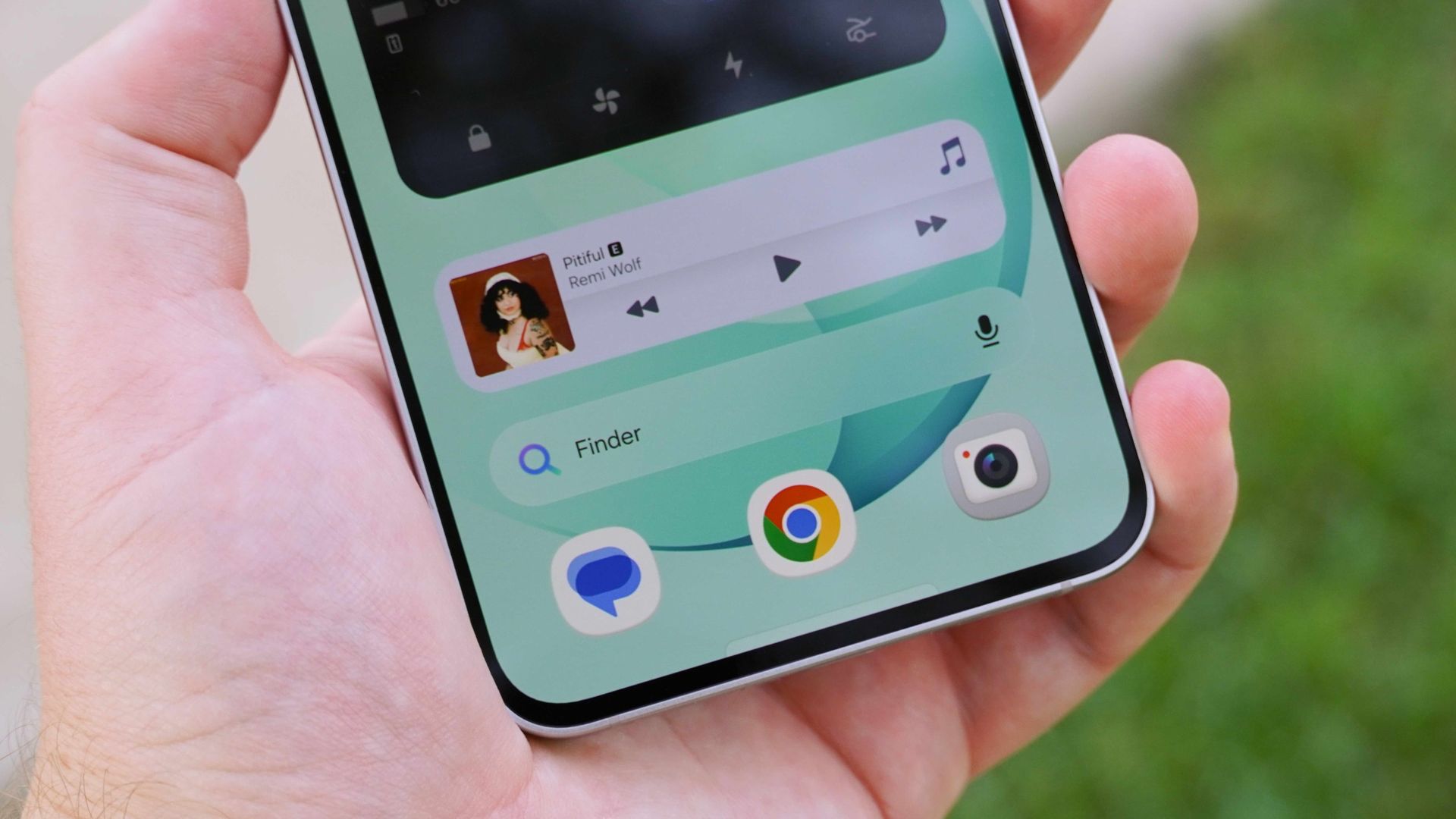
The Samsung Galaxy S26 FE in the Pistachio colorway.

(Image credit: Brady Snyder / Android Central)

Bezel talk aside, the Galaxy S26 FE isn't nearly as bright as its flagship counterparts. The phone has a peak brightness of 1,900 nits, whereas the Galaxy S26 and Galaxy S26 Plus top out at 2,600 nits. In practice, this means the Galaxy S26 FE won't be as easy to see outdoors. Without an anti-reflective coating, something becoming more popular on flagships, this phone is tricky to view in direct sunlight.

Otherwise, the display feels responsive with a 120Hz refresh rate. It's a fine panel for the price, even if there is clear room for improvement here. This is the exact same display we saw on the Galaxy S25 FE, and the Galaxy S24 FE for that matter. If you have one of these older phones, the Galaxy S26 FE's screen isn't a reason to upgrade.

A fresh chip, but the same slow charging
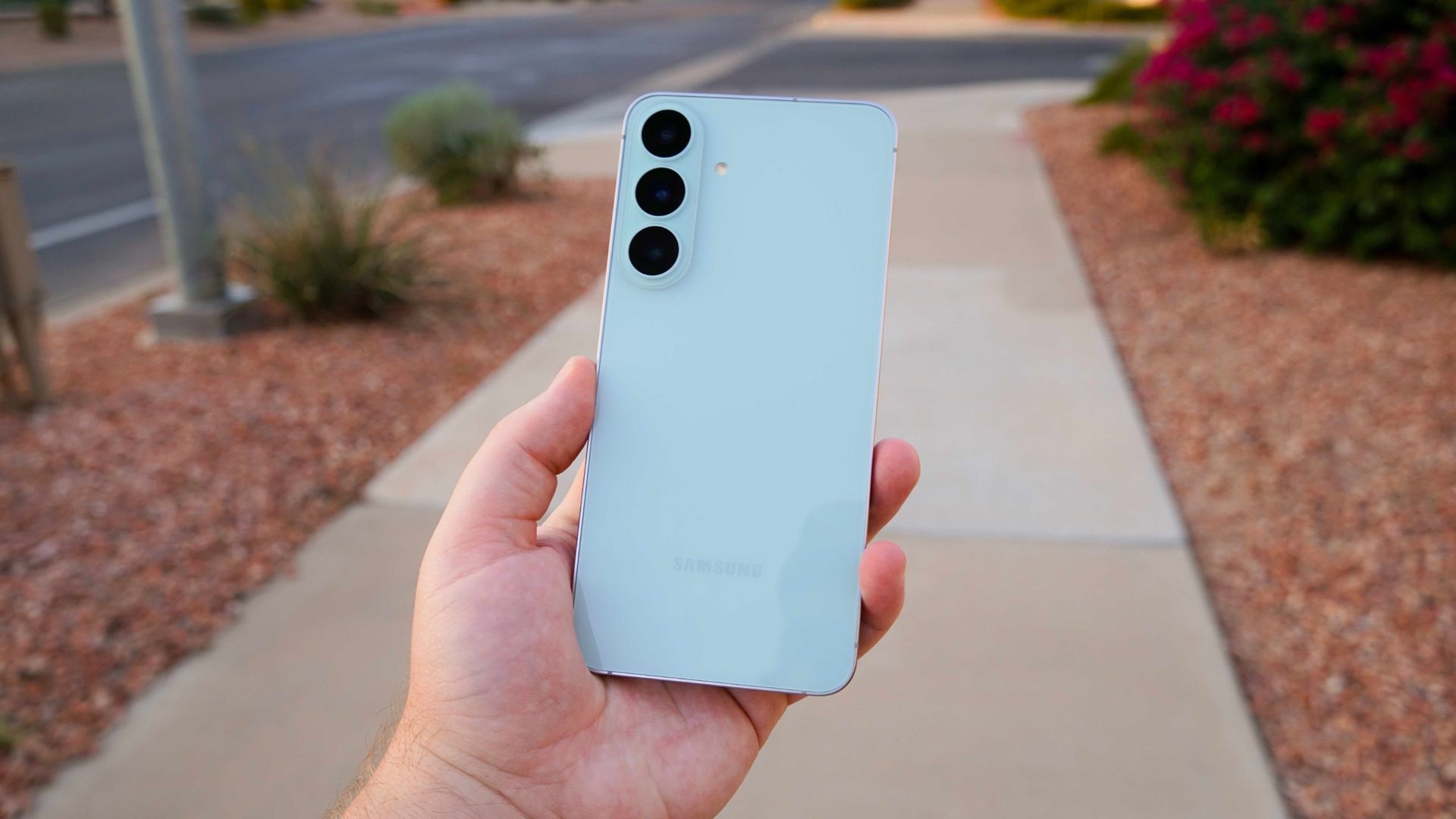
The Samsung Galaxy S26 FE in the Pistachio colorway.

(Image credit: Brady Snyder / Android Central)

Samsung's midrange phones have come a long way in a few short years in terms of performance. As a refresher, the Galaxy S24 FE had an Exynos 2400e chip and the Galaxy S25 FE got the boost to the regular Exynos 2400 chip. This year, the Galaxy S26 FE runs on the Exynos 2500. It's a mobile processor built on a 3nm process (a major improvement over the 4nm Exynos 2400) that recently powered flagships like the Galaxy Z Flip 7 worldwide.

I tested the Galaxy Z Flip 7 firsthand, so I expected the Galaxy S26 FE to be a strong performer. I didn't expect for Samsung to pull so much extra power out of the Exynos 2500 for the Galaxy S26 FE. In the benchmark results below, you'll see the Galaxy S26 FE not only handily beat the Galaxy Z Flip 7, but also crush Google's Tensor G4-powered Pixel 10a.

Samsung Galaxy S26 FE benchmark results

Geekbench 6 (single-core / multi-core)

Geekbench AI (quantized score)

3DMark Wild Life Extreme (score / fps)

Samsung Galaxy S26 FE (Exynos 2500)

2,362 / 7,848

4,643

5,253 / 31.46

Samsung Galaxy Z Flip 7 (Exynos 2500)

1,849 / 6,822

3,581

4,400 / 26.35

Google Pixel 10a (Tensor G4)

1,707 / 4,512

3,109

2,667 / 15.97

I'm surprised that Samsung is doing that with only 8GB memory onboard the Galaxy S26 FE. The Galaxy S26 FE ships with Android 17 and will get seven years of full Android OS support. Despite the RAM limitations, this phone will be a strong performer for a very long time.

The battery life is rock solid, too. It has the same 4,900mAh capacity as the Galaxy S26 Plus, but the Galaxy S26 FE's lower-resolution display and weaker chip combine to hep you squeeze a longer runtime out of it. The charging, unfortunately, is still too slow. The 45W wired speeds are fine, but 15W wireless charging is disappointing when the Qi2.2 25W standard exists.
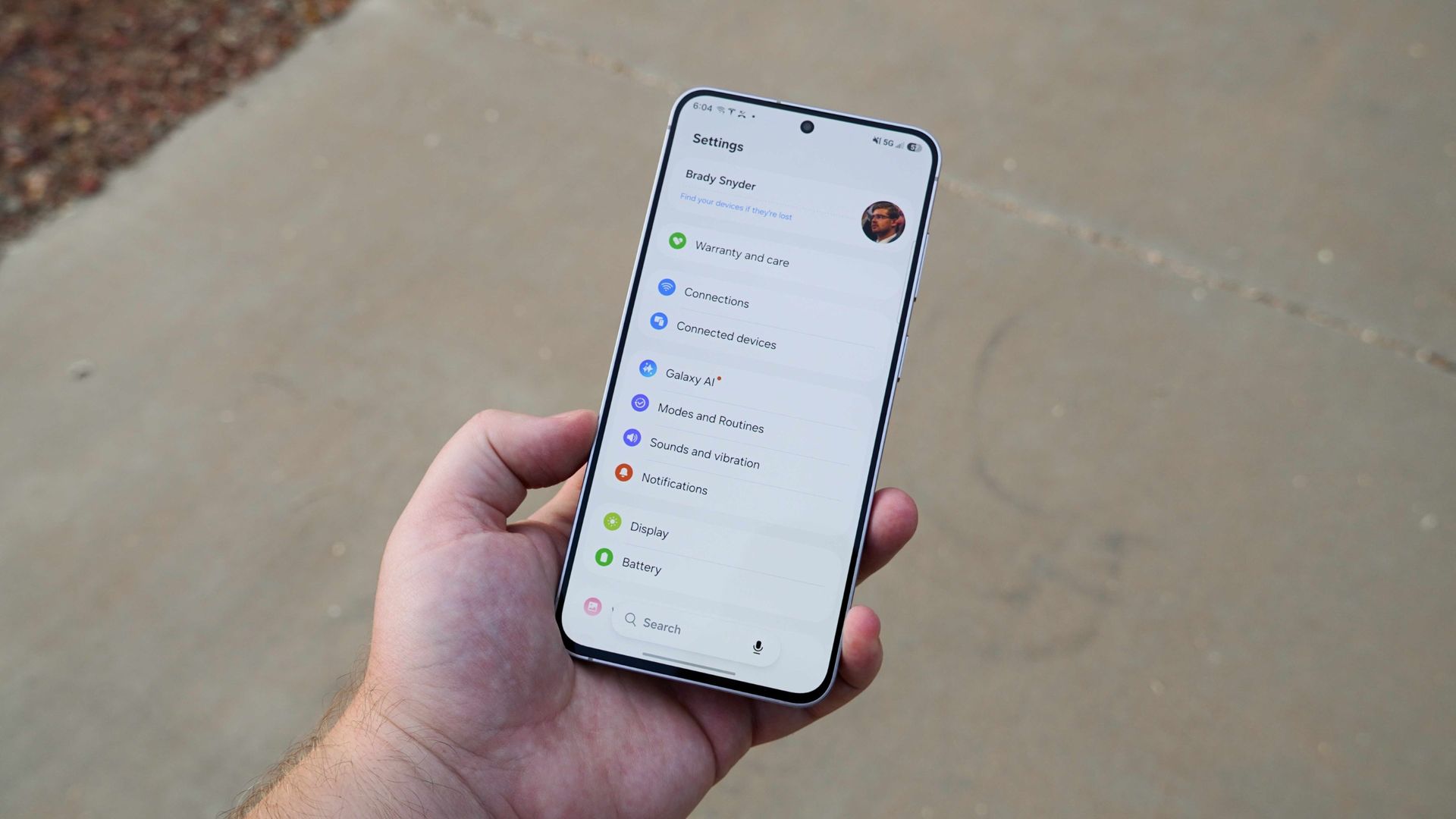
The Samsung Galaxy S26 FE in the Pistachio colorway.

(Image credit: Brady Snyder / Android Central)

It's worth revisiting the storage options. The Galaxy S26 FE ships with 128GB of storage by default, and you can upgrade it to 256GB or 512GB at the time of purchase. I think 128GB of storage is starting to stretch users thin because of growing app and operating system sizes. But if you upgrade the Galaxy S26 FE to 256GB or 512GB storage, you end up paying flagship prices for a midrange phone.

It's quite the dilemma, and one Samsung could've avoided by making 256GB standard, like the Galaxy S26 series. If you're fine with a 128GB phone, the Galaxy A57 is lurking in the corner at $599.99, but it does come with additional compromises.

The cameras are underwhelming for the price
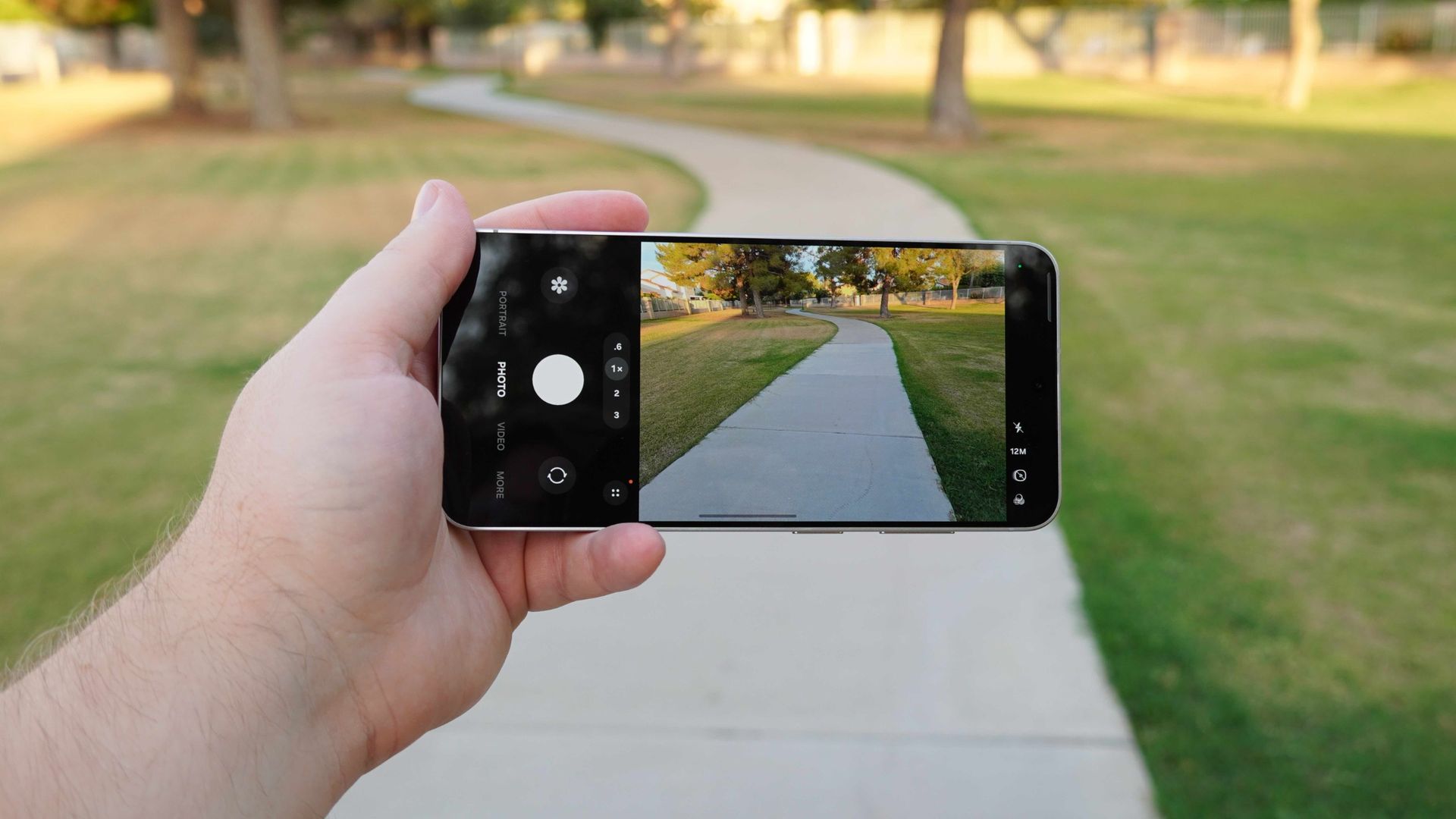
The Samsung Galaxy S26 FE in the Pistachio colorway.

(Image credit: Brady Snyder / Android Central)

Samsung isn't one to upgrade its phone cameras often, and the Galaxy S26 FE is no exception. It's using the same 50MP primary shooter, 8MP telephoto, and 12MP ultrawide lens we've seen on prior generations of Galaxy FE phones. The selfie camera is a 12MP, f/2.2 lens.

The telephoto only goes up to 3x optical zoom, but you may find digital zoom to produce passable results beyond that. Here's how the Galaxy S26 FE telephoto camera looks at 2x, 3x, and 10x zoom:


Camera samples captured with the Samsung Galaxy S26 FE.
Brady Snyder / Android Central
Camera samples captured with the Samsung Galaxy S26 FE.
Brady Snyder / Android Central
Camera samples captured with the Samsung Galaxy S26 FE.
Brady Snyder / Android Central

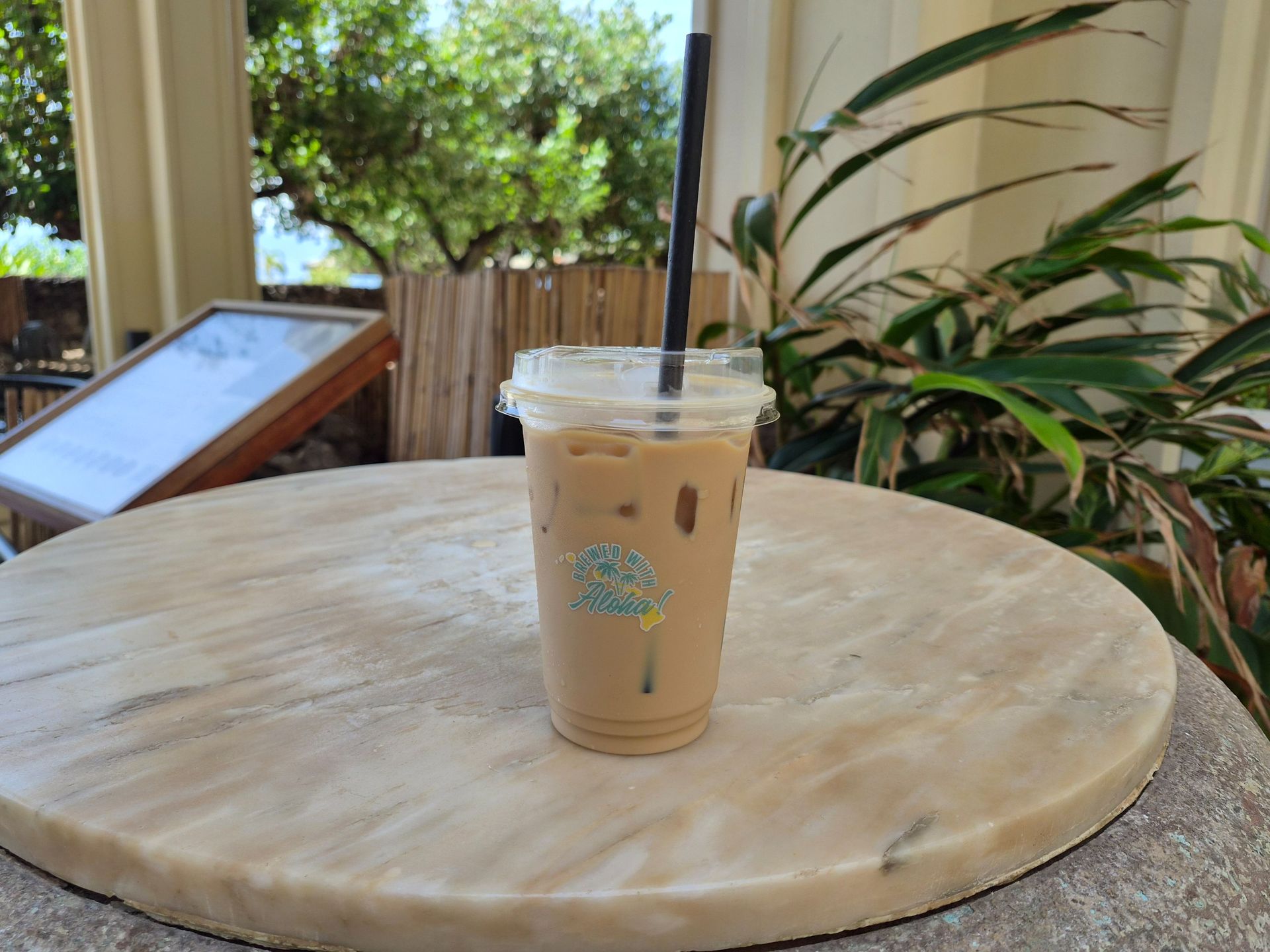
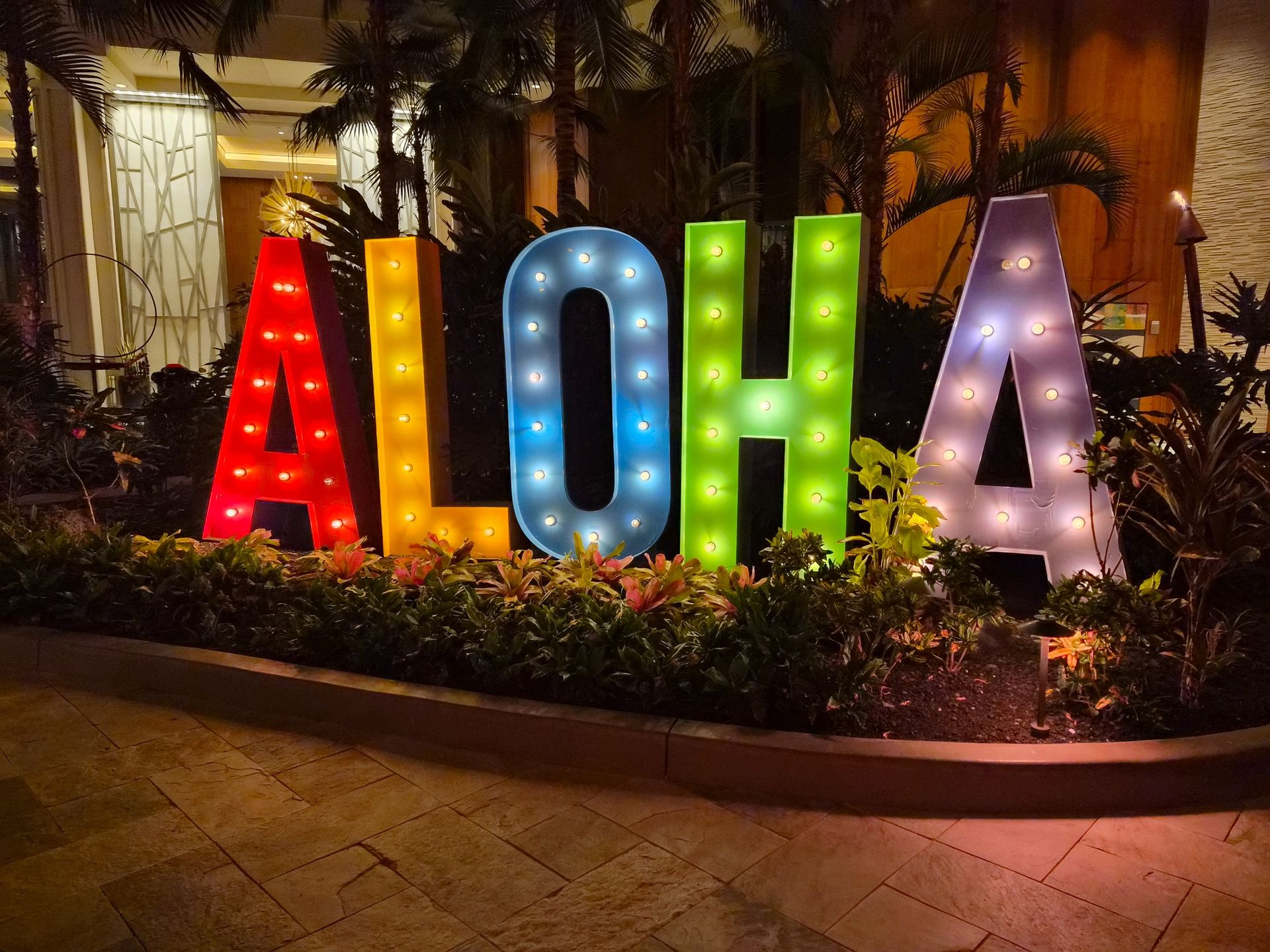
As for the main camera and ultrawide, it's a mixed bag. The 50MP sensor at the heart of the Galaxy S26 FE's rear camera system packs enough detail, and low-light performance is impressive. The photo of the "Aloha" sign in the gallery of camera samples below is as good of a night shot as I've taken recently. And for context, I've been using phones like the iPhone 18 Pro, Google Pixel 11, and Samsung Galaxy Z Fold 8 Ultra.
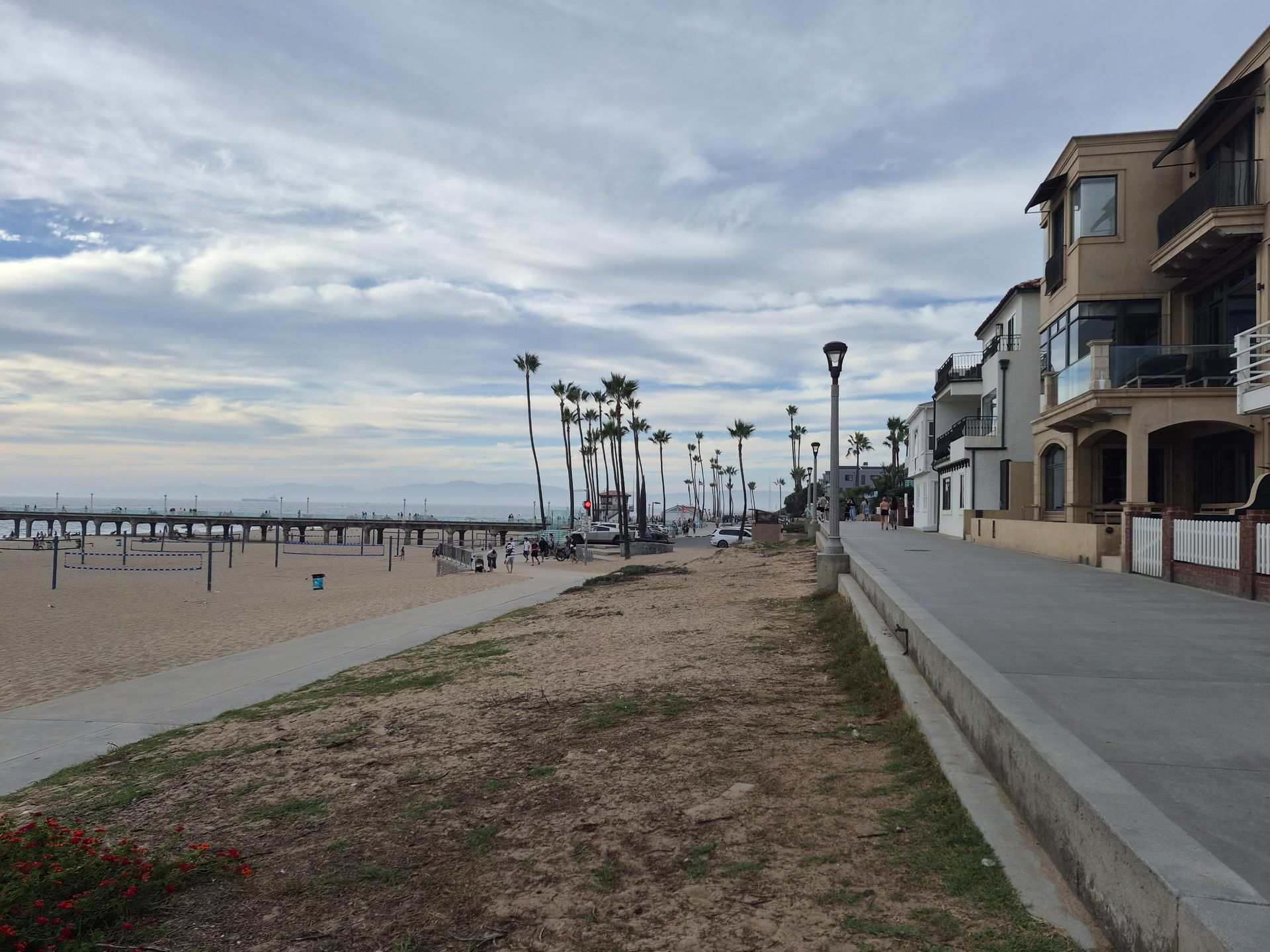

Camera samples captured with the Samsung Galaxy S26 FE.
Brady Snyder / Android Central
Camera samples captured with the Samsung Galaxy S26 FE.
Brady Snyder / Android Central
Camera samples captured with the Samsung Galaxy S26 FE.
Brady Snyder / Android Central
Camera samples captured with the Samsung Galaxy S26 FE.
Brady Snyder / Android Central
Camera samples captured with the Samsung Galaxy S26 FE.
Brady Snyder / Android Central
Camera samples captured with the Samsung Galaxy S26 FE.
Brady Snyder / Android Central

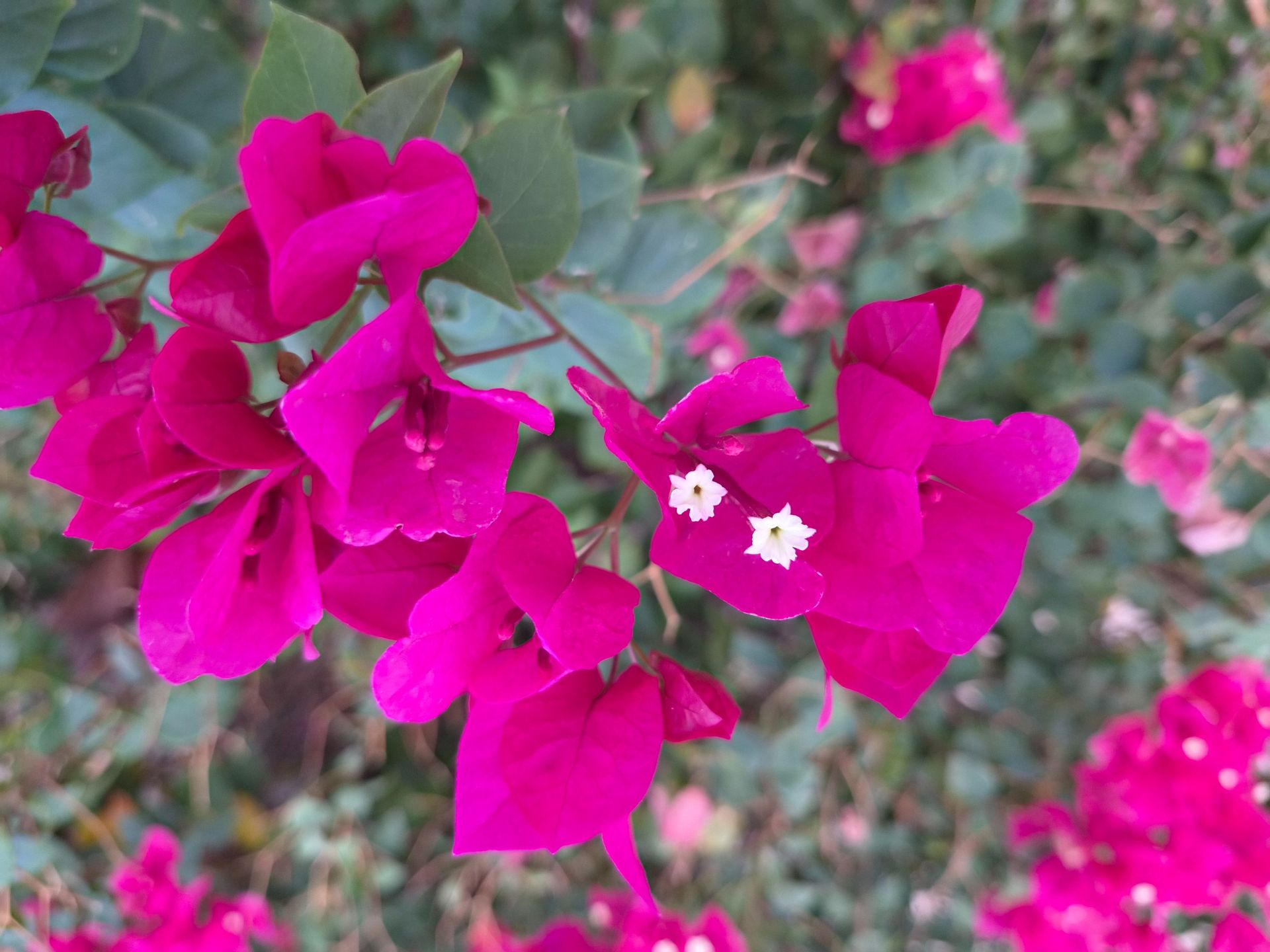
However, the phone's color science in daylight shots leaves a lot to be desired. Often, there's one part of the image that's brighter and color-saturated, by the overall scene is dark. The beach shots in particular stand out as looking darker as captured by the Galaxy S26 FE than the setting looked in real life.

I don't think the Galaxy S26 FE camera system is terrible, but I do think budget phones like the Pixel 10a and iPhone 17e will produce more desirable photos.

Should you buy the Samsung Galaxy S26 FE?
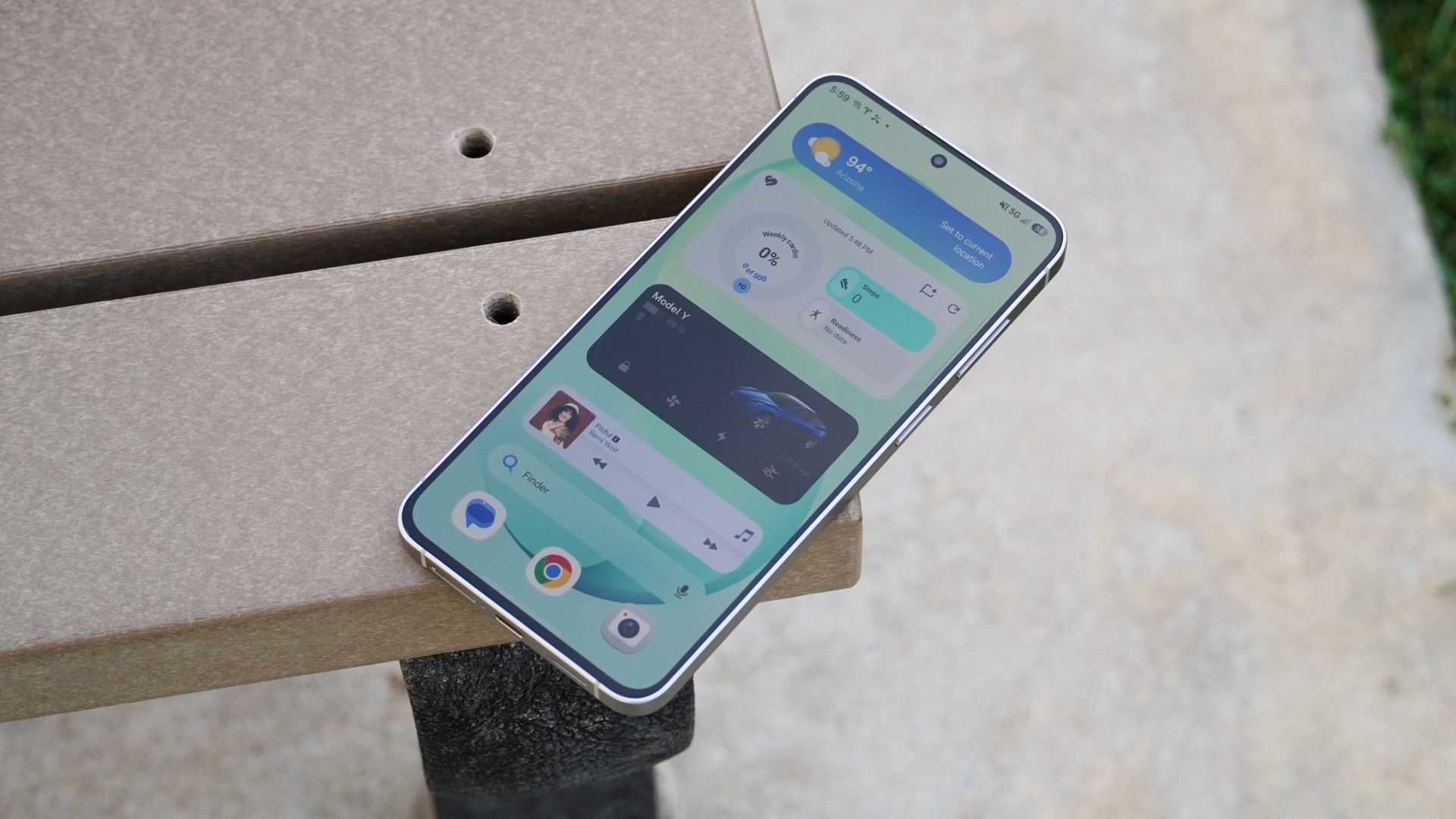
The Samsung Galaxy S26 FE in the Pistachio colorway.

(Image credit: Brady Snyder / Android Central)

The Galaxy S26 FE only looks competitive on the surface of a smartphone market riddled with price hikes over the past year. Samsung's new $1,000 and $1,200 prices for the Galaxy S26 and Galaxy S26 Plus, respectively, make the Galaxy S26 FE at $700 seem like a discount. I want to emphasize that the Galaxy S26 FE is a great phone that I could absolutely use as my daily driver, despite its compromises.

That said, I still think you can do better. For example, last year's Galaxy S25 is available at the same $700 price as the Galaxy S26 FE at Target and Amazon. It has a smaller screen and battery, but it's a bona-fide flagship with a better camera and chip. If you're willing to compromise on screen size but want a cheaper phone, Google's Pixel 10a stands out. But it just got a price hike as well, and it's only $100 cheaper than the Galaxy S26 FE.

Looking at the Galaxy S26 FE in isolation, it's a solid phone. With OnePlus on its way out in the U.S., the Galaxy S26 FE represents one of your only options to get a plus-sized Android midranger. If it's important that you get a 6.7-inch Android phone for under a grand, I can recommend the Galaxy S26 FE — just be aware of the drawbacks, and consider your other options.
Senin, 05 Oktober 2026

The Pixel 11's HiLight feature is too limited, but I fixed it with this free app

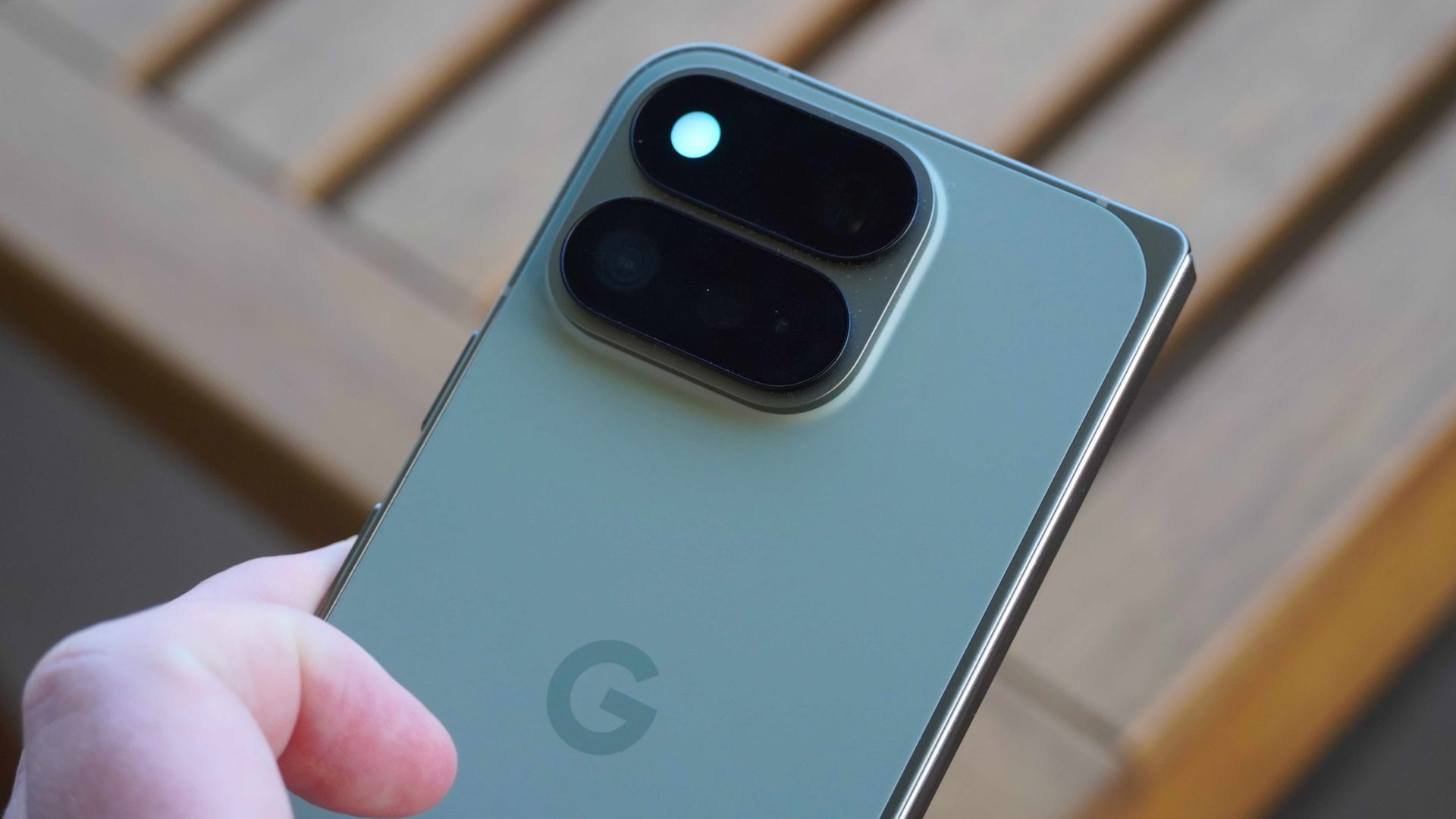
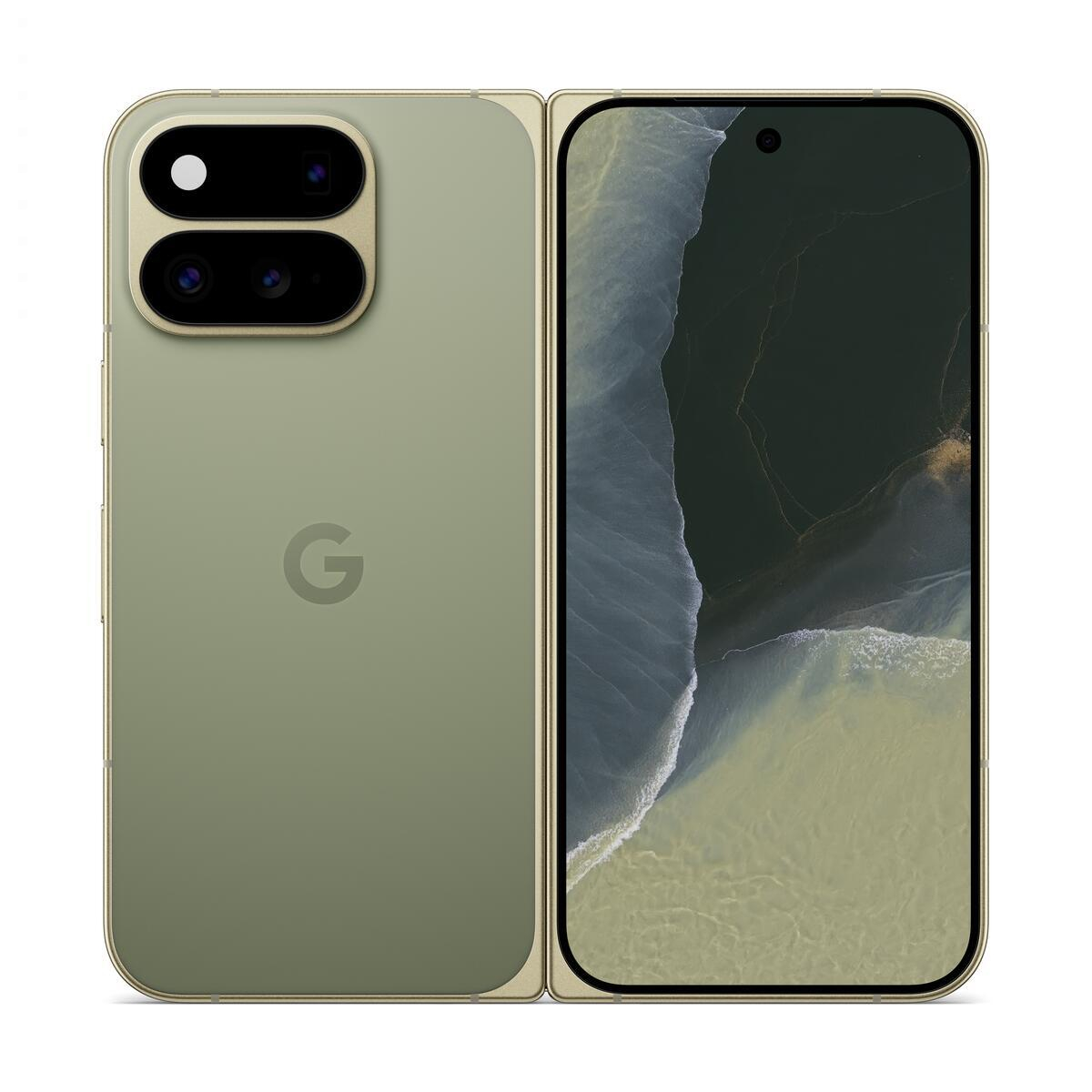
One of the truly new features onboard the Google Pixel 11 series is HiLight — a collection of eight multicolor LEDs on the back of the Pixel 11 Pro, Pixel 11 Pro XL, and Pixel 11 Pro Fold. It's quite limited at launch, however. HiLight serves two main purposes out of the box: It glows one of five colors when a favorite contact calls, and it glows when the Gemini voice assistant is active.

In other words, HiLight doesn't do a lot. Even if you like the idea of using HiLight to know when your contacts are calling, you can set it up for just five people before the colors get confusing. Luckily, there's a free and open-source app called HiLight Studio that aims to give you more control over the lights.

It takes a bit of work to set up, but after that's done, HiLight Studio delivers what your Pixel 11 Pro, Pixel 11 Pro XL, or Pixel 11 Pro Fold should've been able to do out of the box. Here's the step-by-step guide to getting started with HiLight Studio.

What HiLight Studio does, and how to download it

The Pixel 11 Pro Fold running an open-source HiLight Studio app.

(Image credit: Brady Snyder / Android Central)

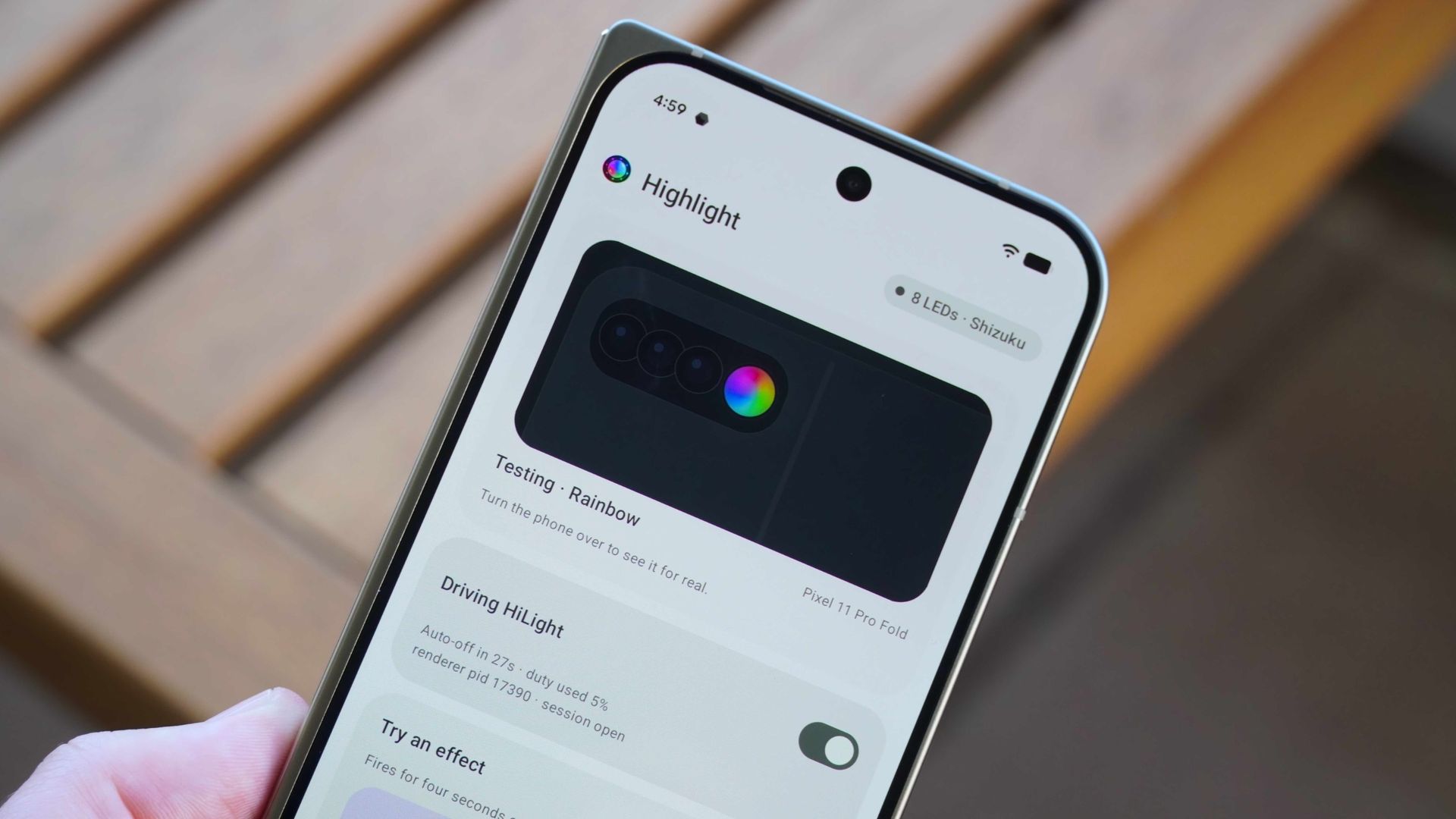
Put simply, HiLight Studio gives you full control over the eight individual LEDs that make up the HiLight module on the back of your phone. It can do solid colors and animated patterns, and it's customizable. You can control it from the app or a Quick Settings tile.

HiLight Studio is the brainchild of Dhananjay Bhosale on GitHub, and you can sideload it from there. Crucially, the app is now on the Google Play Store for open testing. So you can download it for free from a trusted source with no sign-up required.

I thought HiLight Studio setup would be tricky — it wasn't

The Pixel 11 Pro Fold running an open-source HiLight Studio app.

(Image credit: Brady Snyder / Android Central)

HiLight Studio isn't an app you can simply download and start using, because it requires privileged access to the Android lights service, according to the app's developer. You can achieve this by rooting your phone, using Android Debug Bridge (ADB), or Shizuku — an app that allows other apps to access privileged APIs without the risks of rooting your Android device. Even as an Android expert, the process sounded intimidating, but it wasn't.

Shizuku is available on the Google Play Store, meaning you can set up HiLight Studio without sideloading a single app. To get started, install Shizuku from the Play Store and enable developer options in the Settings app. Here's how to do it:

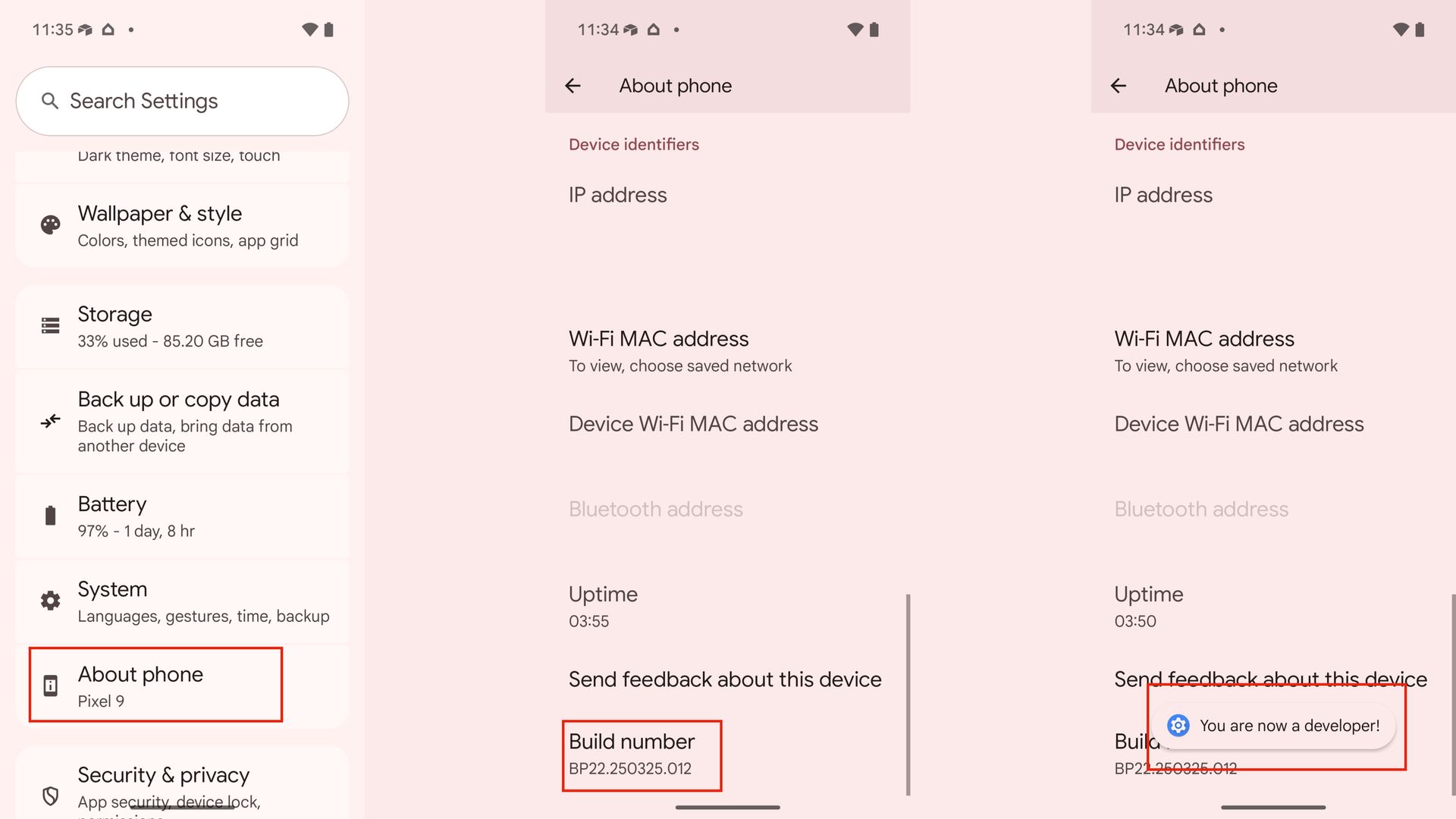
1. Open the Settings app on your Pixel 11 Pro, Pixel 11 Pro XL, or Pixel 11 Pro Fold.

2. Scroll down to the About phone section, and tap it.

3. Find the Build number and tap it seven times to enable developer options. You will need to enter your device passcode to confirm the change.

(Image credit: Future)

After you've enabled developer options, you can use wireless debugging to start Shizuku. Here's how to do it:

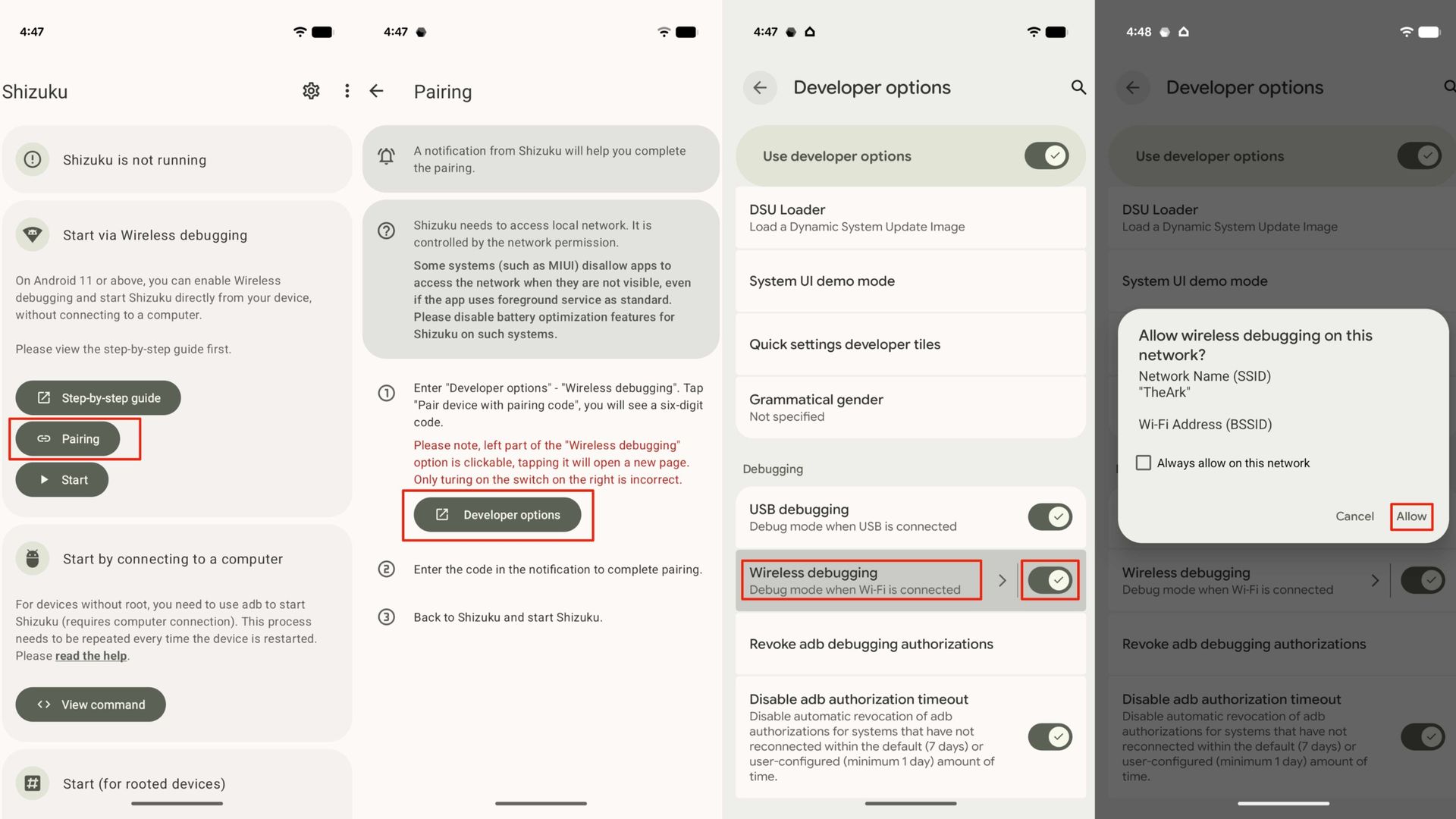
1. Open Shizuku and tap the Pairing button.

2. Open the Settings app and navigate to System -> Developer options. Alternatively, you can tap the Developer options shortcut in Shizuku.

3. Flip on the Wireless debugging toggle in Shizuku, and tap the Wireless debugging menu.

(Image credit: Future)

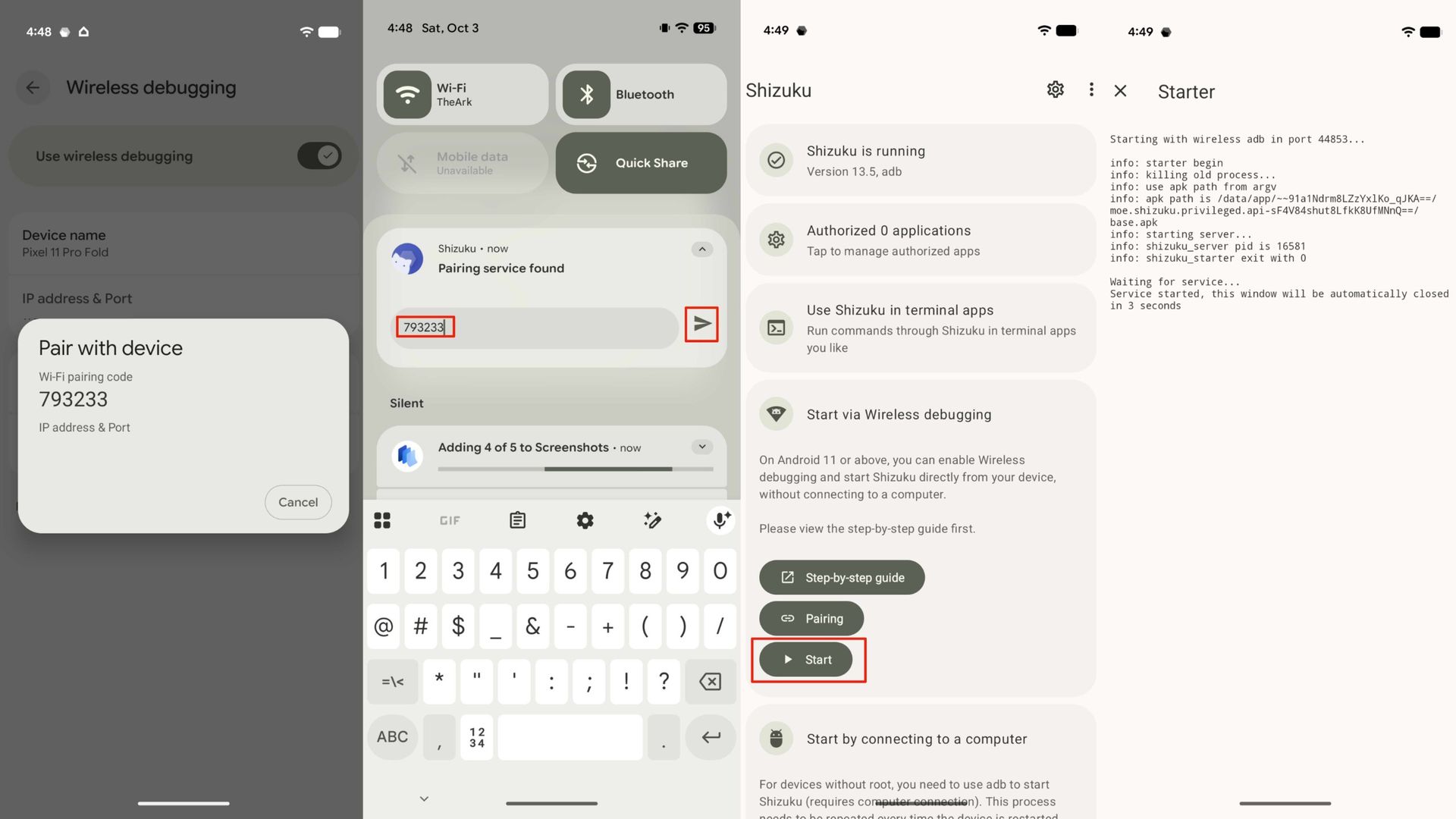
4. Press Pair device with pairing code. Hit Allow to confirm your choice to allow wireless debugging on your network.

5. A pairing code will appear. When the notification from Shizuku appears, enter the pairing code in the notification and press Send.

6. Now, Shizuku is paired. Press Start in the Shizuku app to finish setup.

(Image credit: Future)

To put the finishing touches on setup, you need to link HiLight Studio to Shizuku. Don't worry, this one is quick and easy:

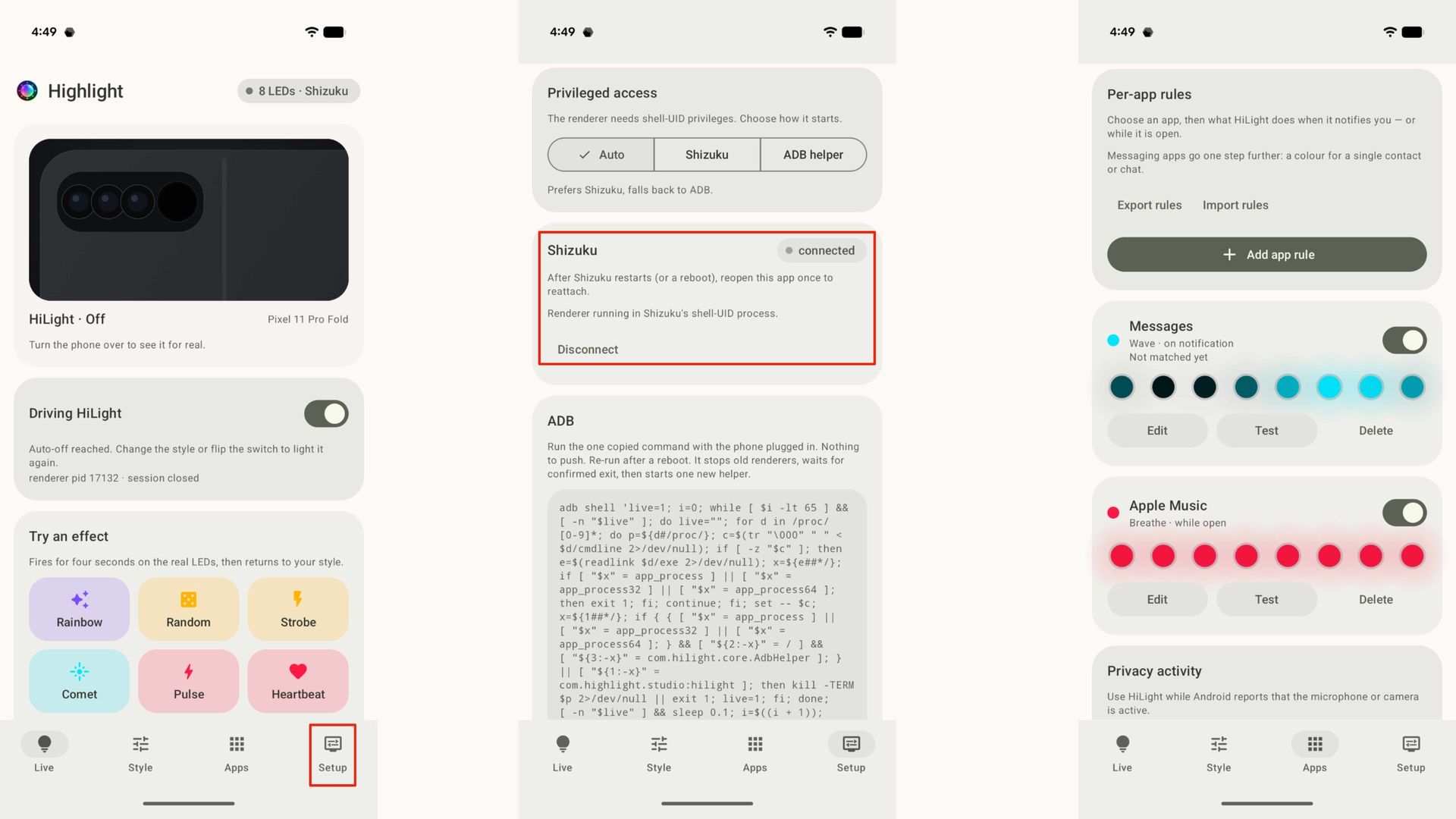
1. Open the HiLight Studio app.

2. Switch to the Setup page.

3. Look for Shizuku and tap Request access. Finally, approve the request.

(Image credit: Future)

That's it — you've now granted HiLight Studio access to the Android lights service. Now, you can enjoy the fun part, which is customizing the lights on the back of your phone. While there are a lot of steps in this process, they're pretty painless, and I didn't run into a single issue during setup.

You'll need to restart the HiLight Studio render and Shizuku every time your device reboots. Unless you reboot your Pixel often, this shouldn't be too much of an inconvenience.

HiLight is finally as customizable as it was meant to be

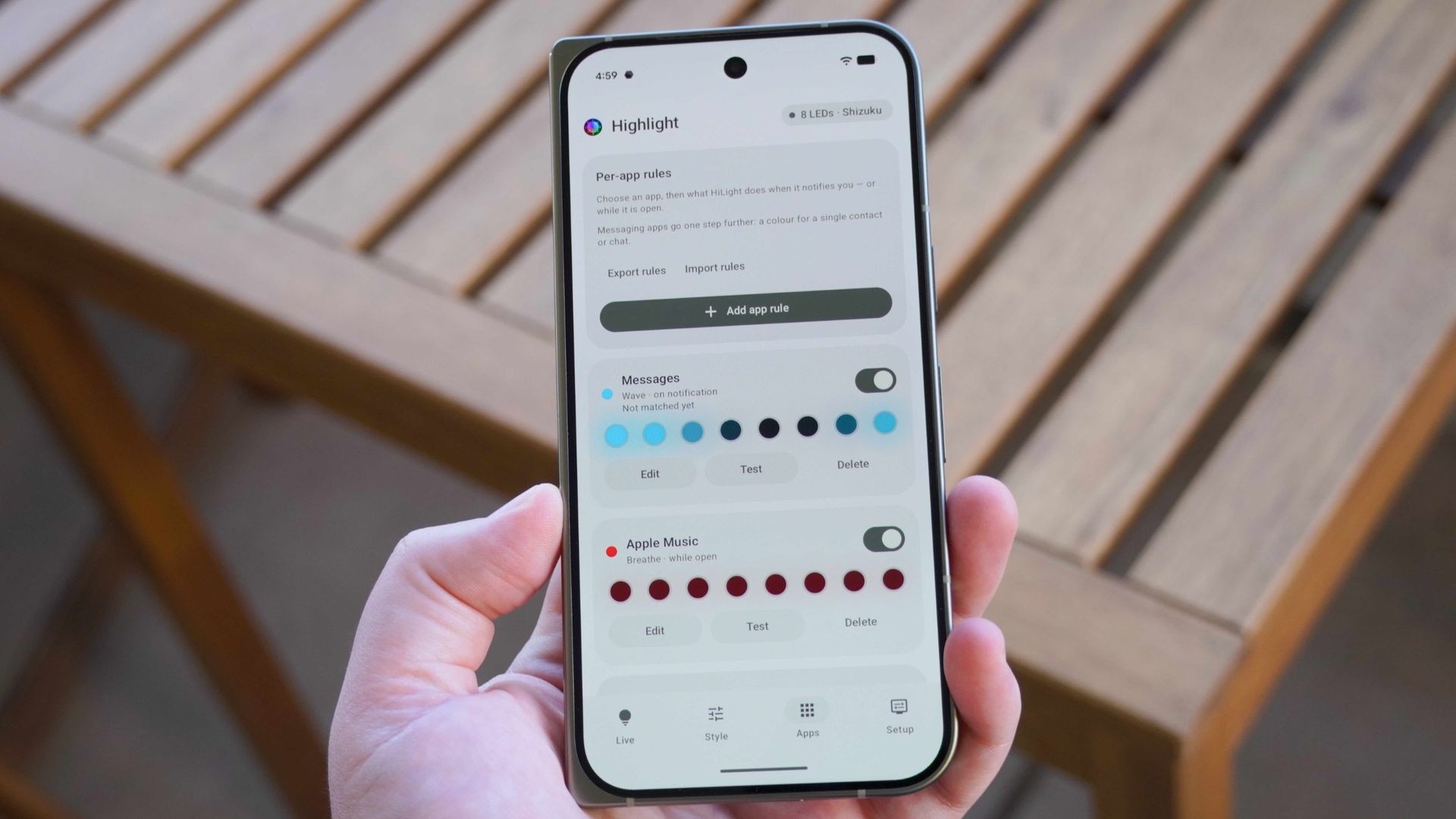
The Pixel 11 Pro Fold running an open-source HiLight Studio app.

(Image credit: Brady Snyder / Android Central)

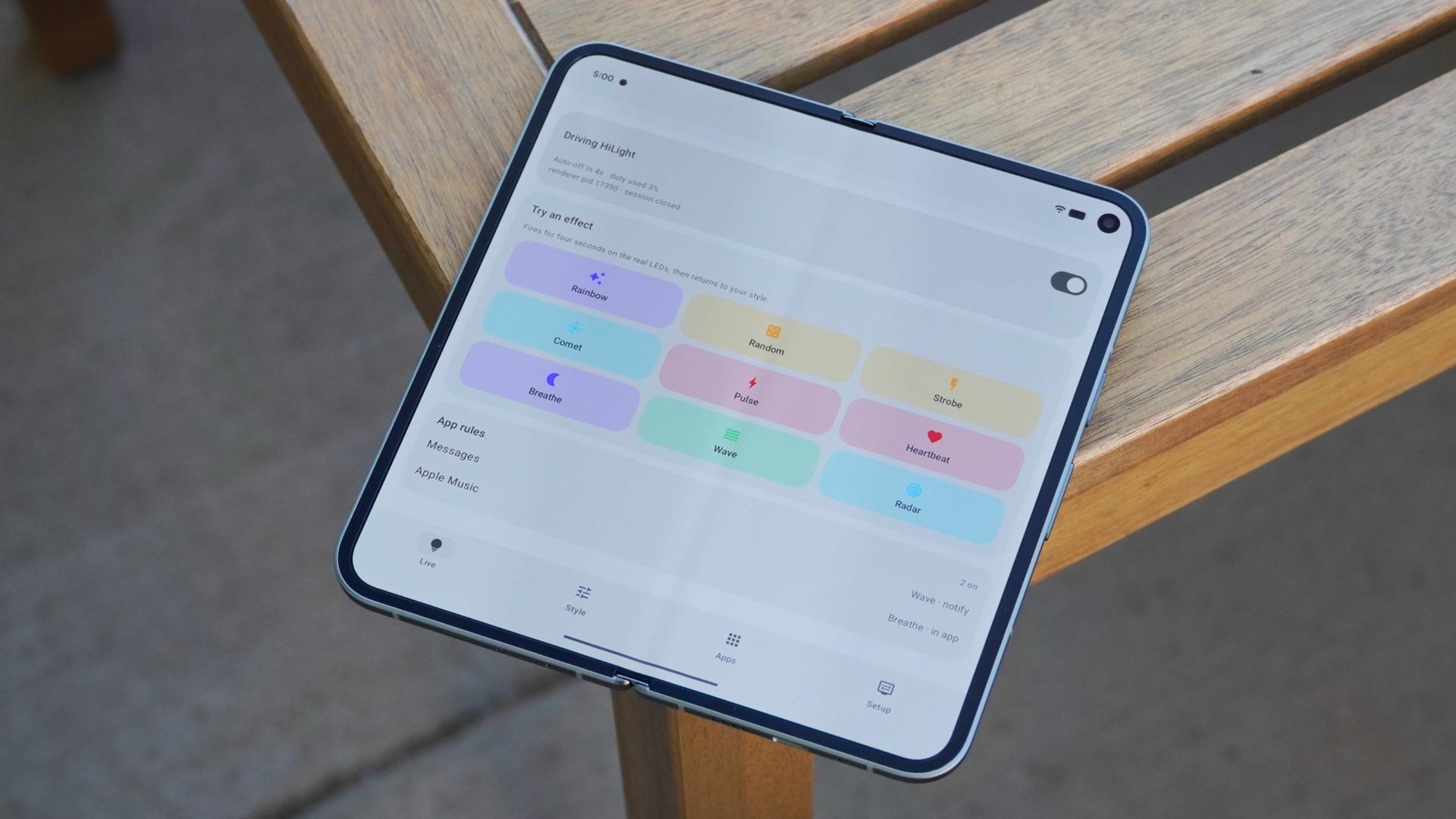
After setup, opening HiLight presents you with a Live screen that shows you what the HiLight Studio renderer is doing right now. You can test out a lighting effect on this screen. This allows you to get a feel for the nine LED effects supported by the app: Rainbow, Random, Strobe, Comet, Pulse, Heartbeat, Breathe, Wave, and Radar. As you demo each effect, it'll run for four seconds before returning to your default.

Near the bottom of this page, you'll see the App rules you have enabled. If this is your first time trying out HiLight Studio, you won't see anything here. Instead, you'll need to tap the Apps tab. This is where the real magic begins — you can set up exactly what HiLight does for a particular app. Here are a few examples of what HiLight Studio can do:

  • Show a color or animation when an app receives a notification.
  • Show a color or animation when an app receives a notification from a specific contact.
  • Show a color or animation while an app is opened.
  • Show a color or animation while Android reports the microphone or camera is active.

There's a ton of room for customization here, and these app rules only scratch the surface of what HiLight Studio can do. In the Setup page, you can specify how long HiLight Studio can keep the LEDs active before they automatically shut off. These lights aren't designed to be active for long periods of time, which is why these limits are in place.

You can override the auto-off defaults and allow up to five minutes of continued use. However, hardware protection is a built-in feature that lowers the brightness after 10 seconds of continuous use. Additionally, the eight-LED array will turn off if it has been lit for more than half of the last 10 minutes.

Why you should try HiLight Studio on your Pixel 11

The Pixel 11 Pro Fold running an open-source HiLight Studio app.

(Image credit: Brady Snyder / Android Central)

When you unbox your Pixel 11 Pro, Pixel 11 Pro XL, or Pixel 11 Pro Fold and try HiLight for the first time, you'll immediately realize it has tons of potential. Unfortunately, Google hasn't realized that potential in HiLight's current implementation. The two use cases officially supported by the Pixel 11 series won't meaningfully change how you use your phone.

HiLight Studio will, which is why it's worth giving the app a shot on your new Pixel phone. Hopefully, Google adds similar functionality to HiLight natively in the future.

Samsung Galaxy S27 Ultra leak reveals four rumored color options

What you need to know

  • The Galaxy S27 Ultra will reportedly launch in Black, White, Blue, and Light Pink.
  • These initial options are designated as "base" colors, meaning they should be available through general carrier and retail channels rather than locked to Samsung’s website.
  • Following Samsung's typical playbook, additional store-exclusive finishes will likely follow at launch beyond the core four.

The rumor mill is already buzzing with Samsung's next high-end flagship, and the latest details are about the color options. According to a new leak, the upcoming Galaxy S27 Ultra will be available in four standard colors: black, white, blue, and light pink.

These colors, as per leaker Ice Universe, are said to be the four “base” colors of the phone. That language may suggest that they're meant for broader retail distribution rather than being exclusive to Samsung's online store.

The exact shades, however, are still unknown, so there’s still no confirmation whether the blue will be like the Galaxy S26 Ultra’s Sky Blue or if the pink will be anything like its Pink Gold finish.

Samsung could have even more colors in store. The Galaxy S26 Ultra came in four standard colors: Black, Cobalt Violet, Sky Blue, and White, plus Pink Gold and Silver Shadow, which are only available on Samsung's online store. That said, more S27 Ultra color options are a real possibility.

What’s particularly interesting here is the rumor that Pink Gold might be moving from an online-exclusive finish to Light Pink possibly being one of the S27 Ultra’s main colors. If Samsung does release it widely, pink could be a much more prominent color in its Ultra lineup than in recent years.

The color leak also arrives as Samsung is reportedly gearing up for a bigger visual overhaul for the S27 Ultra, including a horizontal camera bar instead of the current camera setup.

Samsung hasn’t officially confirmed the colors or the phone yet. More leaks are expected before the Galaxy S27 Ultra arrives in early 2027.

Google Maps can now turn your boring driving icon into a McLaren F1 car

What you need to know

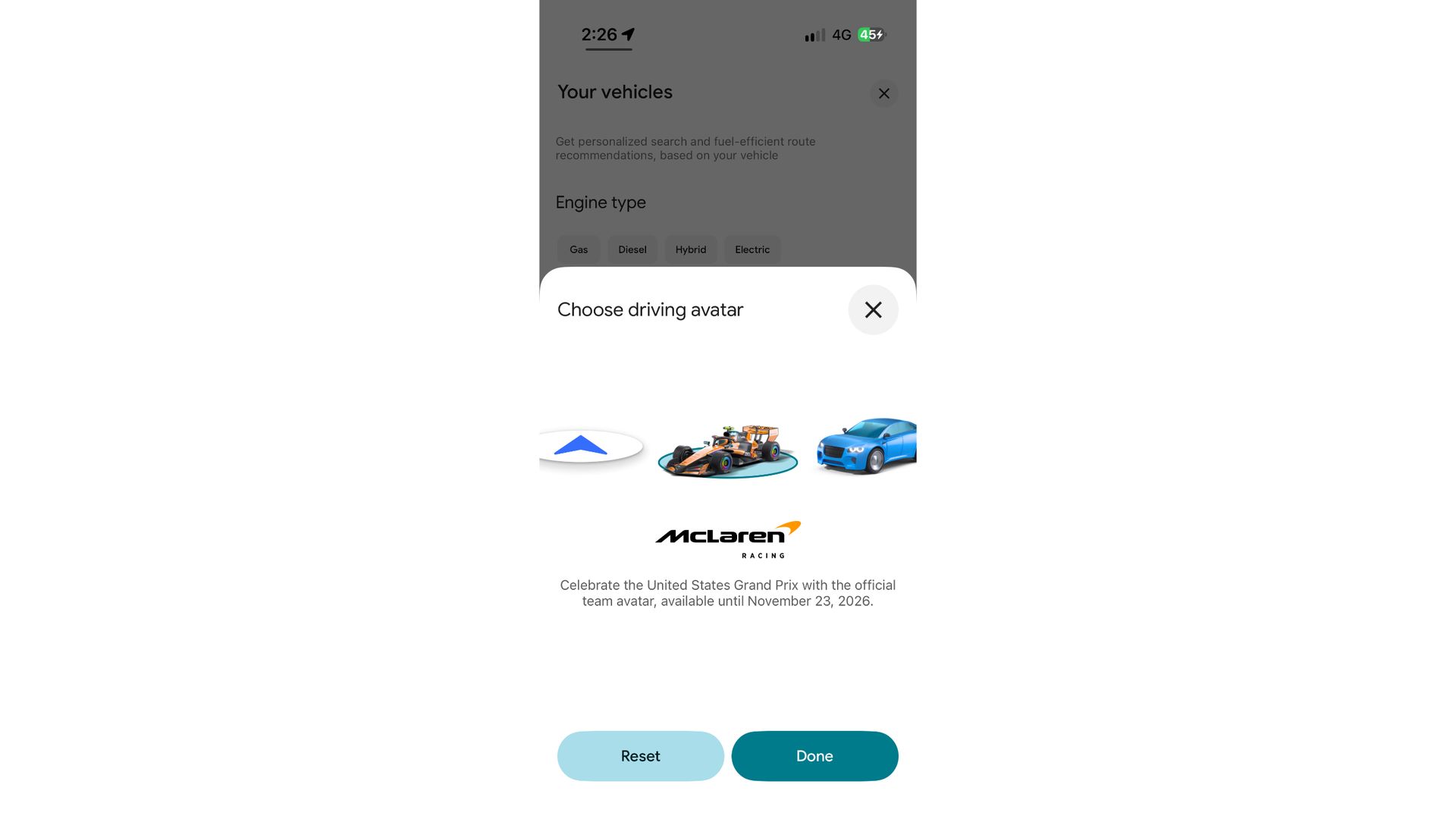
  • Google Maps has added a new McLaren F1 car that you can select as your driving avatar during navigation.
  • The new avatar celebrates the United States Grand Prix and will only be available to select until November 23.
  • You can find the McLaren F1 car under Settings > Your vehicles > Driving avatar in the Google Maps app.

Google Maps has added a new McLaren F1 car vehicle icon for users.

Google has allowed users to customize the vehicle icon in Maps for quite a while. The icon that appears during navigation used to be the standard blue arrow, but you can now customize its color or replace it with different vehicle types, including trucks and sports cars. And now, Google has added another option in collaboration with McLaren.

In the Google Maps app, if you head to your profile icon > Settings > Your vehicles > Driving avatar, you'll now see a new McLaren F1 car among the available options.

McLaren driving avatar in the Google Maps app

(Image credit: Future)

The icon looks quite close to the actual McLaren F1 car, and once selected, you can use it as your driving avatar in Google Maps. So, the next time you start turn-by-turn navigation, the usual vehicle icon will be replaced by the F1 car as you move around the map.

Google says the new avatar has been added to celebrate the United States Grand Prix and is only available for a limited time. You'll be able to select the McLaren F1 avatar until November 23, 2026, after which the option will presumably disappear.

I'm currently seeing the feature live in Google Maps on my iPhone Air, but it hasn't appeared on my Pixel 11 Pro just yet. Both devices are running the latest version of Google Maps, so this appears to be a server-side rollout rather than something tied to a particular app update.

If you don't see the McLaren F1 car on your Android phone yet, it may simply be worth checking again later as Google expands the rollout.

I love the Fitbit Air, but Google's leaked Fitbit Edge might be even better

What you need to know

  • Google is reportedly preparing a new Fitbit Edge that could sit between the $99 Fitbit Air and the Pixel Watch.
  • Unlike the screenless Fitbit Air, the Fitbit Edge could feature a small display for health stats and basic controls.
  • The Fitbit Edge will reportedly offer 7-day battery life and support both Android phones and iPhones.
  • Google could launch the Fitbit Edge later this month, with pricing estimated to fall between $149 and $199.

Google might be preparing to launch a new wearable under the Fitbit branding called the Fitbit Edge.

Google has enjoyed quite a bit of success recently with the launch of the Fitbit Air. The $99 price tag, combined with a screenless design and daily health insights without necessarily requiring a subscription, has made it one of the more interesting wearables in its category. And now, it looks like Google is preparing to fill the gap between the Fitbit Air and Pixel Watch.

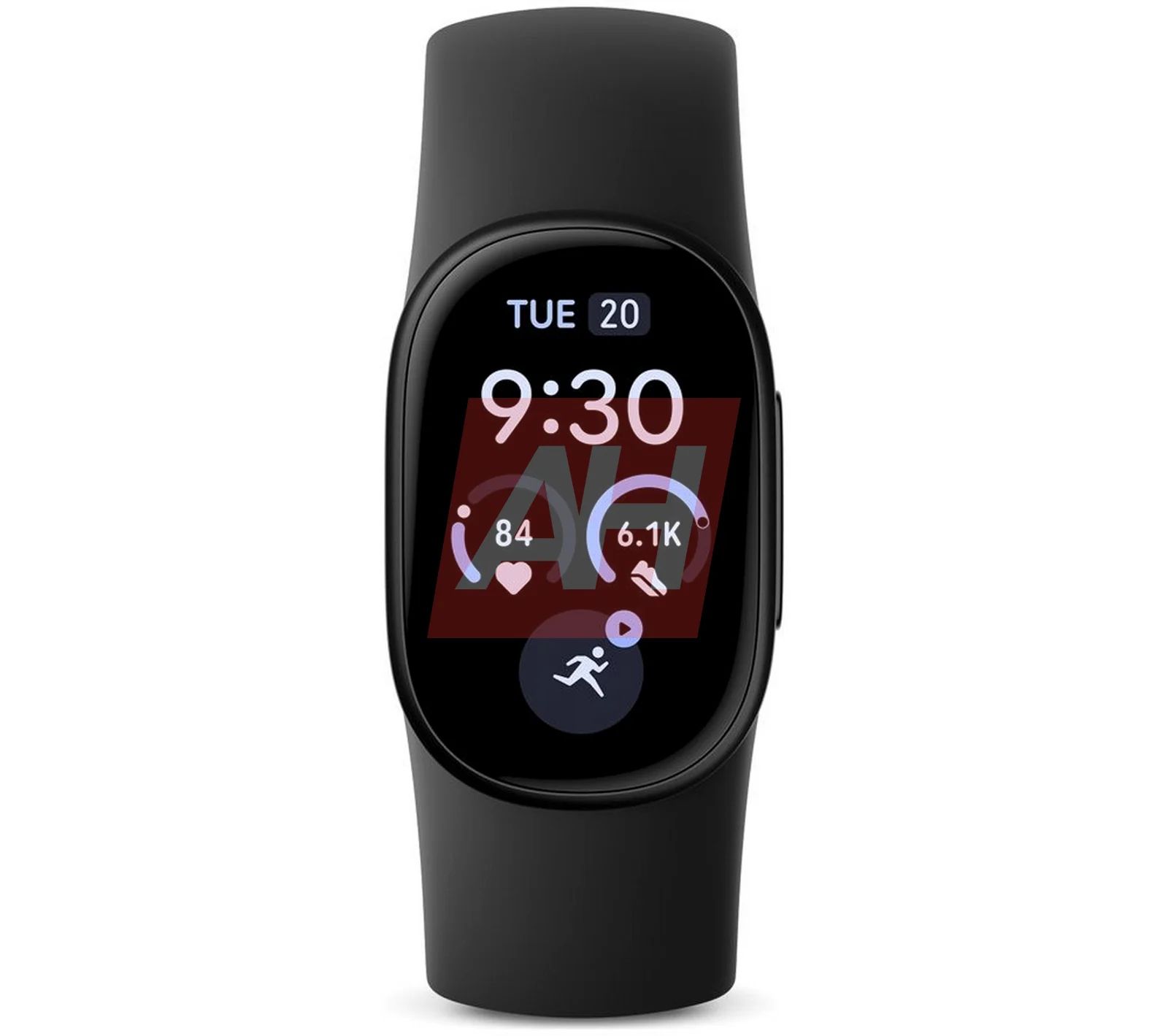
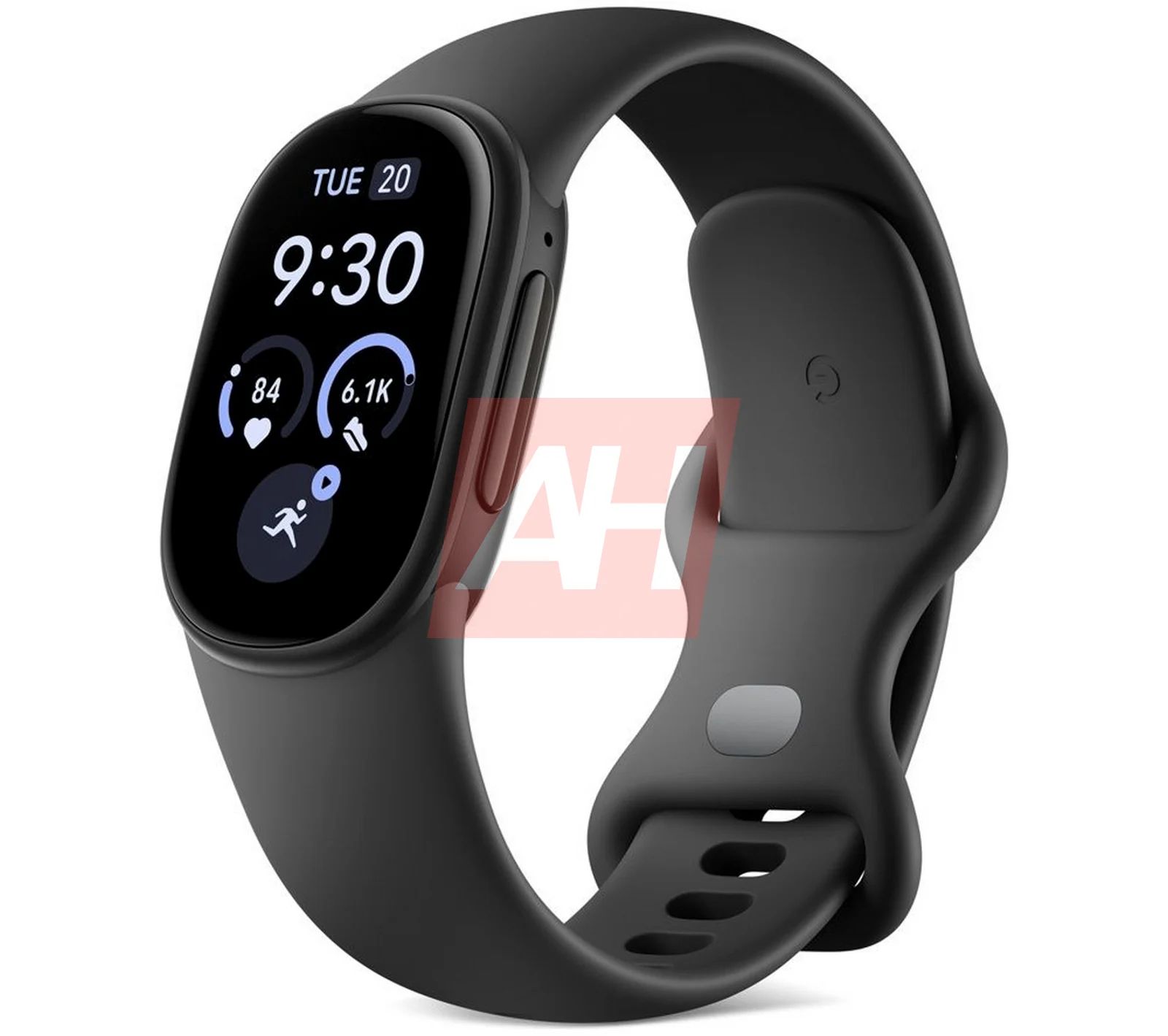
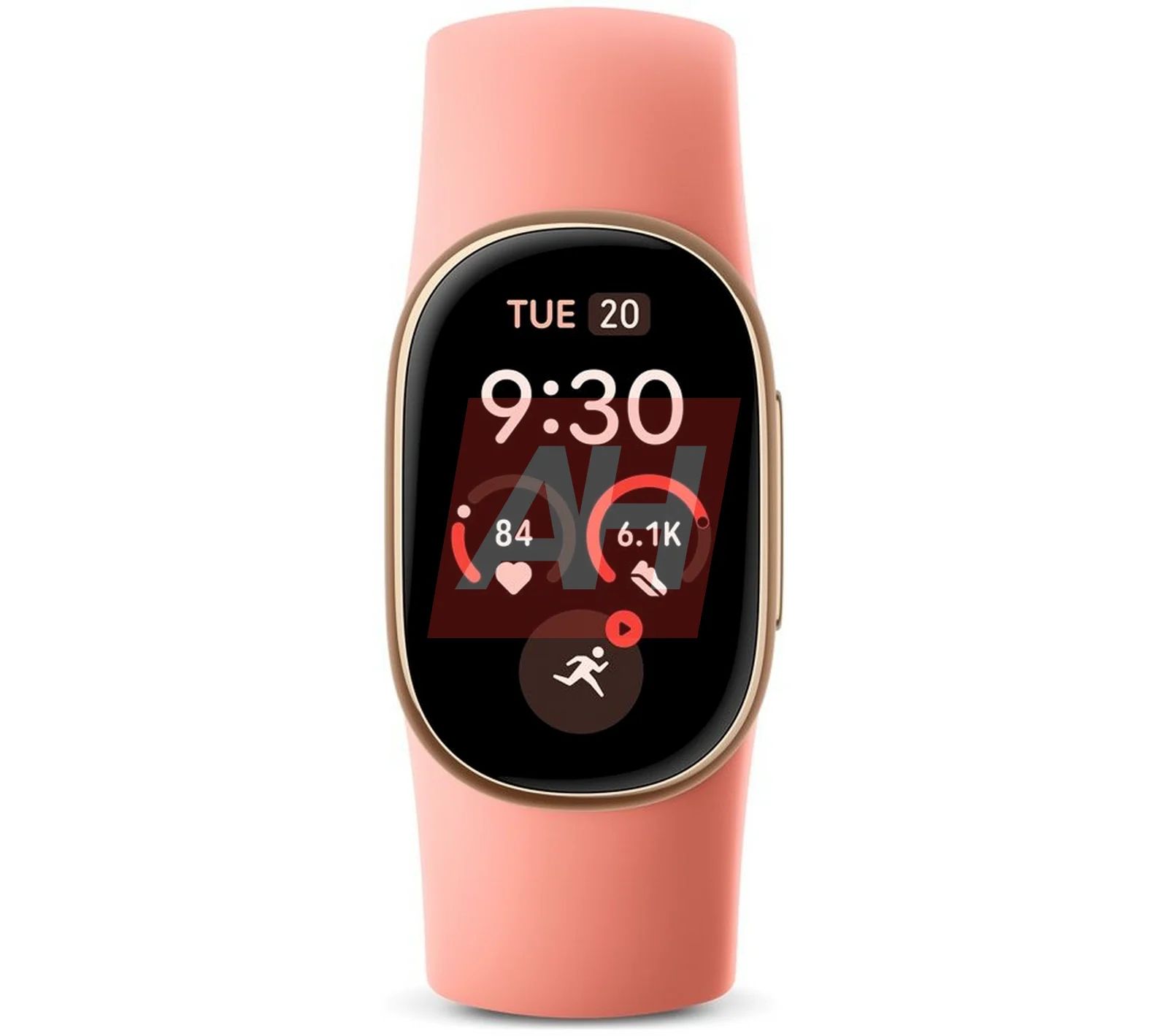
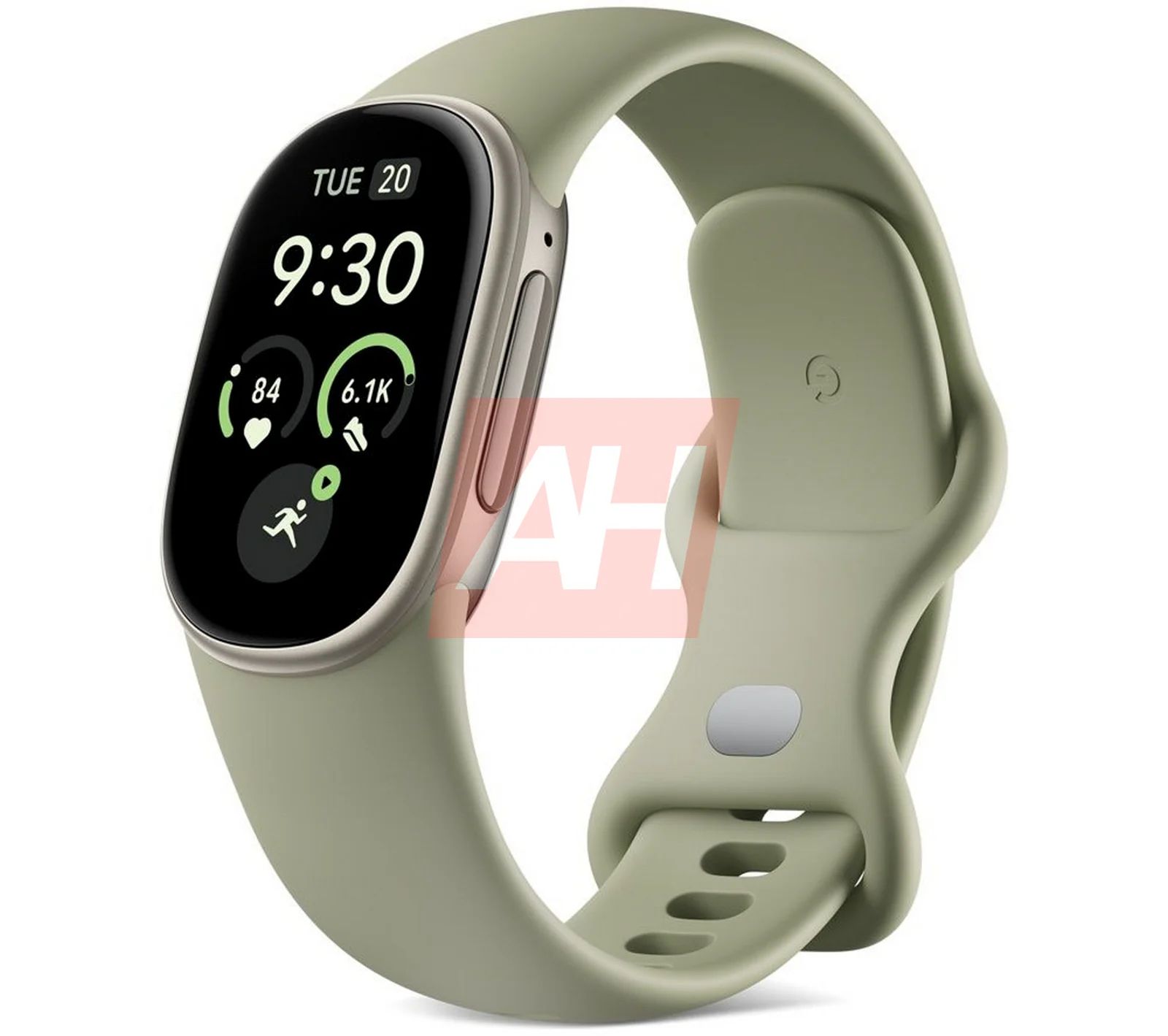
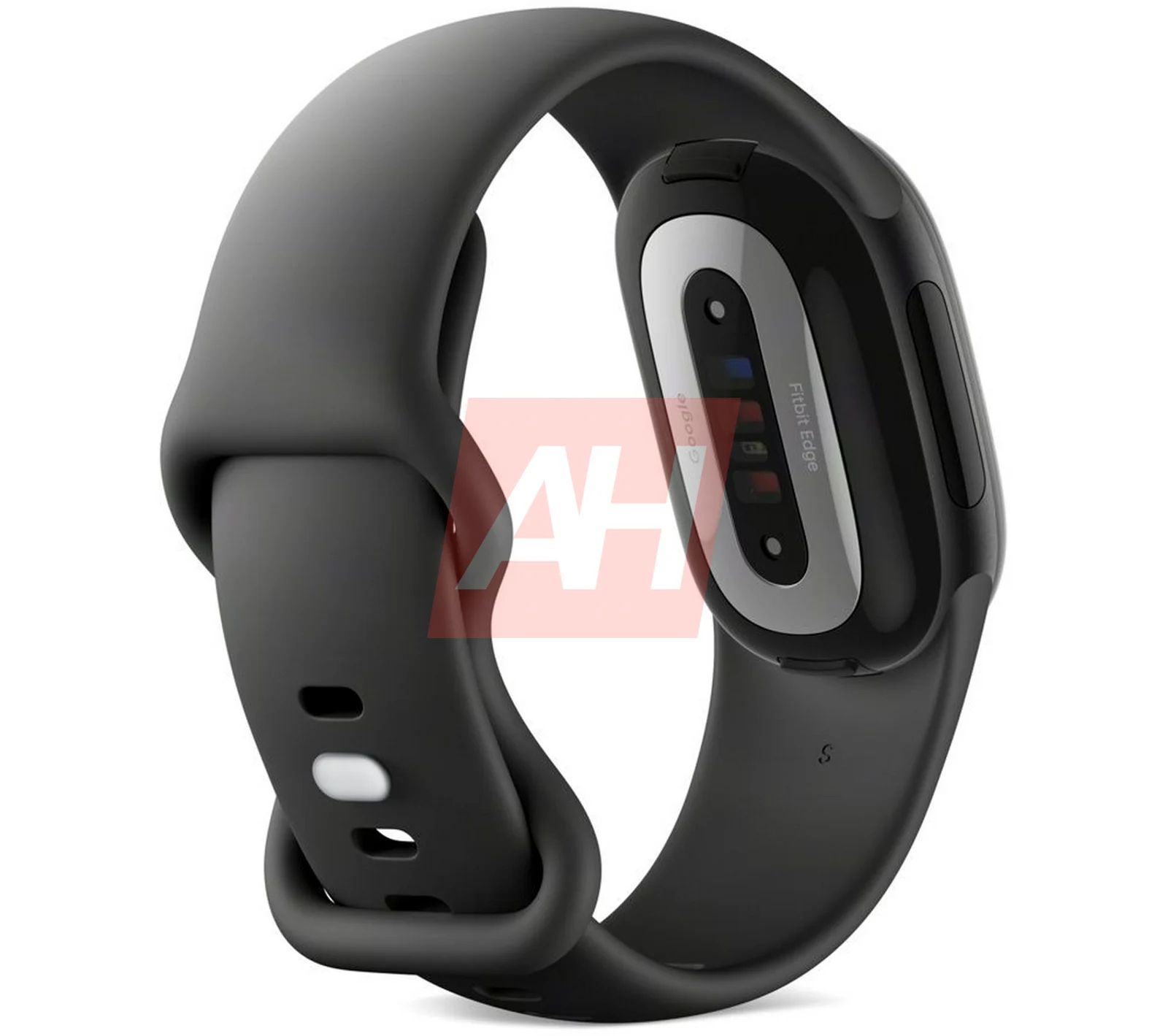
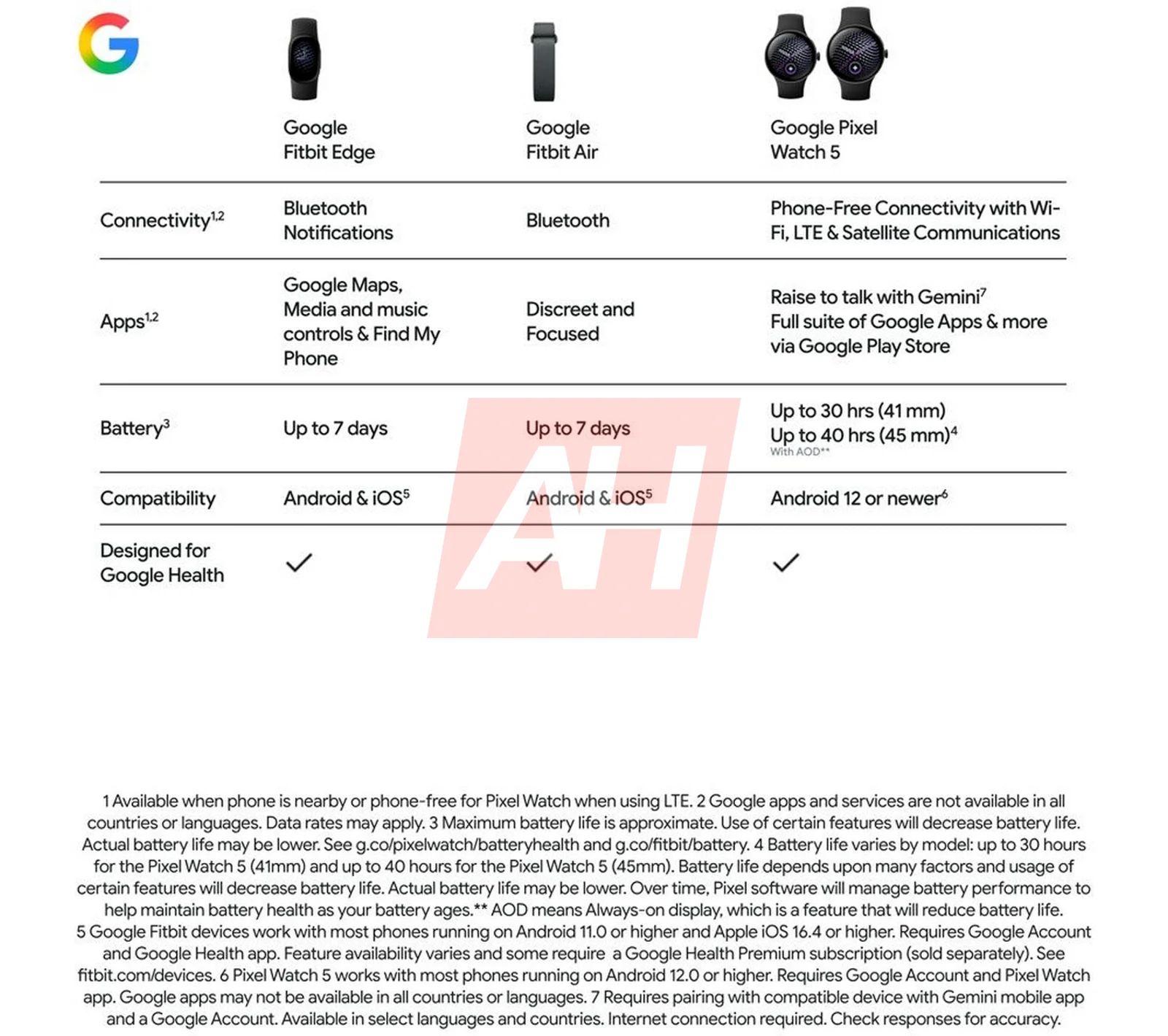
According to a leak from Android Headlines, Google is preparing a new wearable called the Fitbit Edge. The publication has shared what appear to be marketing renders of the device, giving us our first look at what Google's next Fitbit tracker could look like.

Leaked media renders of the Google Fitbit Edge.
Android Headlines
Leaked media renders of the Google Fitbit Edge.
Android Headlines
Leaked media renders of the Google Fitbit Edge.
Android Headlines
Leaked media renders of the Google Fitbit Edge.
Android Headlines
Leaked media renders of the Google Fitbit Edge.
Android Headlines

Unlike the Fitbit Air, the Fitbit Edge will reportedly feature a small oval-shaped display. It won't offer the full smartwatch experience you get from something like the Pixel Watch, but instead use the smaller screen to display essential information.

The leaked watch face shows things like the time and date, heart rate, step count, and a quick button to start a workout. Think of it more as a successor to the Fitbit Charge 6, which launched back in 2023, rather than a cheaper Pixel Watch.

The renders also show a button on either side of the tracker alongside a sensor array on the back. The sensor setup looks quite similar to what we have on the Fitbit Air, although there could be additional sensors for tracking more health metrics.

The Fitbit Edge is shown in three colors called Obsidian, Olive, and Canyon, which are similar to the finishes we've seen on the Pixel 11 Pro series.

Leaked media renders of the Google Fitbit Edge.

(Image credit: Android Headlines)

As for the specs, the Fitbit Edge will reportedly offer up to seven days of battery life, matching the Fitbit Air. Unlike the Pixel Watch, which only works with Android phones, the Fitbit Edge will reportedly support both Android and iPhone, similar to other Fitbit trackers.

The display will also allow the Fitbit Edge to offer some smartwatch-like functionality. The tracker will reportedly support notifications and features from apps including Google Maps and YouTube Music, alongside Find My Phone. It's unclear whether you'll also be able to see notifications from third-party apps like WhatsApp or regular messages.

Google is expected to position the Fitbit Edge as the middle option between the $99 Fitbit Air and the more expensive Pixel Watch 5. Pricing hasn't leaked just yet, but the publication estimates that the Fitbit Edge could cost somewhere between $149 and $199.

The Fitbit Edge is reportedly set to launch later this month, so we shouldn't have to wait too long to learn more about Google's next wearable.

Jumat, 02 Oktober 2026

Exynos 2700 reportedly begins mass production, and Samsung has some decisions to make

What you need to know

  • Overseas rumors suggest Samsung's Exynos 2700 has entered the mass production stage.
  • The chip is reportedly going to be applied to the Galaxy S27, S27 Plus, and "S27 Pro;" however, decisions need to be made about the S27 Ultra.
  • Recent rumors about the chip suggest Samsung is working on improving its heat generation/dissipation, as well as allegations about its increased performance.

Samsung is reportedly moving ahead with its next-gen in-house chip, the Exynos 2700. As it enters mass production, there are a few lingering questions still left unsolved concerning its application.

A report by The Elec (Korean) suggests Samsung is moving forward with the Exynos 2700, entering its mass production stage (Via SamMobile). According to the publication's insiders, there are two decisions the company had to make. The first reportedly concerns its "increase in volume." Supposedly, Samsung has started crafting ~10% more Exynos 2700 chips.

Rumors claim this is done to accomodate the alleged "Galaxy S27 Pro" we've seen in rumors throughout 2026. However, there's uncertainty behind its Galaxy S27 Ultra application. Usually, Samsung integrates its Exynos chip in its flagship series in various overseas markets. Korean and (at times) Europe have received this version over Qualcomm.

However, the publication claims it "has not yet been decided" how widespread Exynos 2700 will be for the S27 Ultra. It's under current speculation that the S27 series would recieve the latest Snapdragon chips in the U.S., but beyond that, the report is uncertain.

Rumors so far

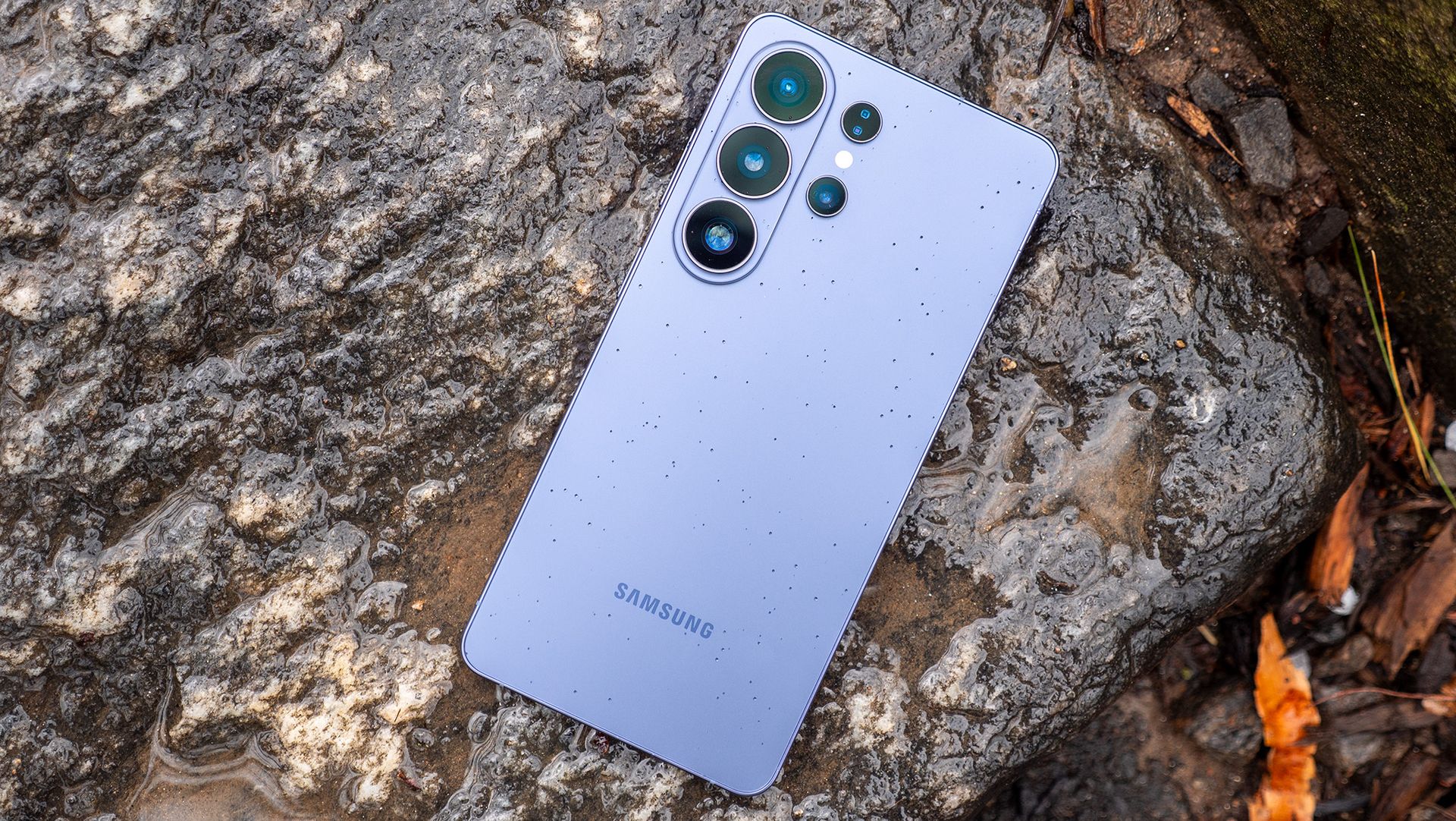
The back of the blue Samsung Galaxy S26 Ultra

(Image credit: Nicholas Sutrich / Android Central)

Samsung was reportedly fast-tracking its Exynos 2700 development. Supposedly, the company's major focus involved the chip's HPB (Heat Path Block) technology. This enables the chip to throw off heat, reducing its temperature and remaining cooler overall. No one wants a hot phone all the time, and that was precisely an issue Samsung's Exynos often suffered from.

There were also rumors that Samsung's application of the Exynos 2700 in the Galaxy S27 series could help "reduce costs" for consumers. Elsewhere, we have some performance rumors. Rumors from the spring suggest the chip could feature a 10-core structure, and its fastest core could clock in at ~2.88GHz. What's more, the Xclipse 970 GPU was spotted for the chip, with reports purporting a ~12% performance boost.

Similar rumors continued, with some boldly claiming the Exynos 2700 could top Qualcomm's flagship chips.

Android Central's Take

I don't think Samsung is too far out of its depth with the Exynos. I think it needs to buckle down, lock in, and make a good chip. Its 2600 wasn't terrible. It was a decent step in the right direction. But we all know what I'm going to talk about, right? How is it graphically? Can it hold up well for games? Think about: if a chip can do that, you'd figure it can handle everything else without fail. It should be smooth, cool. We expect Samsung's next phones next year, and that's likely when we'll know everything for sure.

Google just raised the Pixel 10a price by $100, and it's a hard pill to swallow

What you need to know

  • Google has increased the Pixel 10a's U.S. price by $100, taking the base 128GB model from $499 to $599.
  • The 256GB Pixel 10a now costs $699, with the new pricing already live at Google, Amazon, and Best Buy.
  • Google hasn't explained the increase, but rising memory and RAM costs could be contributing to the higher price.

Google has officially increased the price of the Pixel 10a by $100, meaning the mid-range smartphone now starts at $599 in the U.S.

It's apparently the season of price increases. Just a day after Samsung raised the prices of some Galaxy S26 variants, Google has now increased the price of its mid-range Pixel 10a by $100 (via 9to5Google). The Pixel 10a, which originally launched for $499 in the U.S., is now officially available for $599.

Google hasn't said anything about the reason behind the price increase. But with component costs, particularly memory and RAM, continuing to rise, we presume that's playing a major role here.

When Google launched the Pixel 11 series earlier this year, the company also increased prices by $100 compared to the previous generation. At the time, though, the Pixel A-series remained unaffected. It looks like that's no longer the case, with Google now raising the Pixel 10a's price as well.

This means the base 128GB Pixel 10a now starts at $599 in the U.S., while the 256GB model comes in at $699. The new prices have already kicked in at the Google Store, as well as retailers including Amazon and Best Buy.

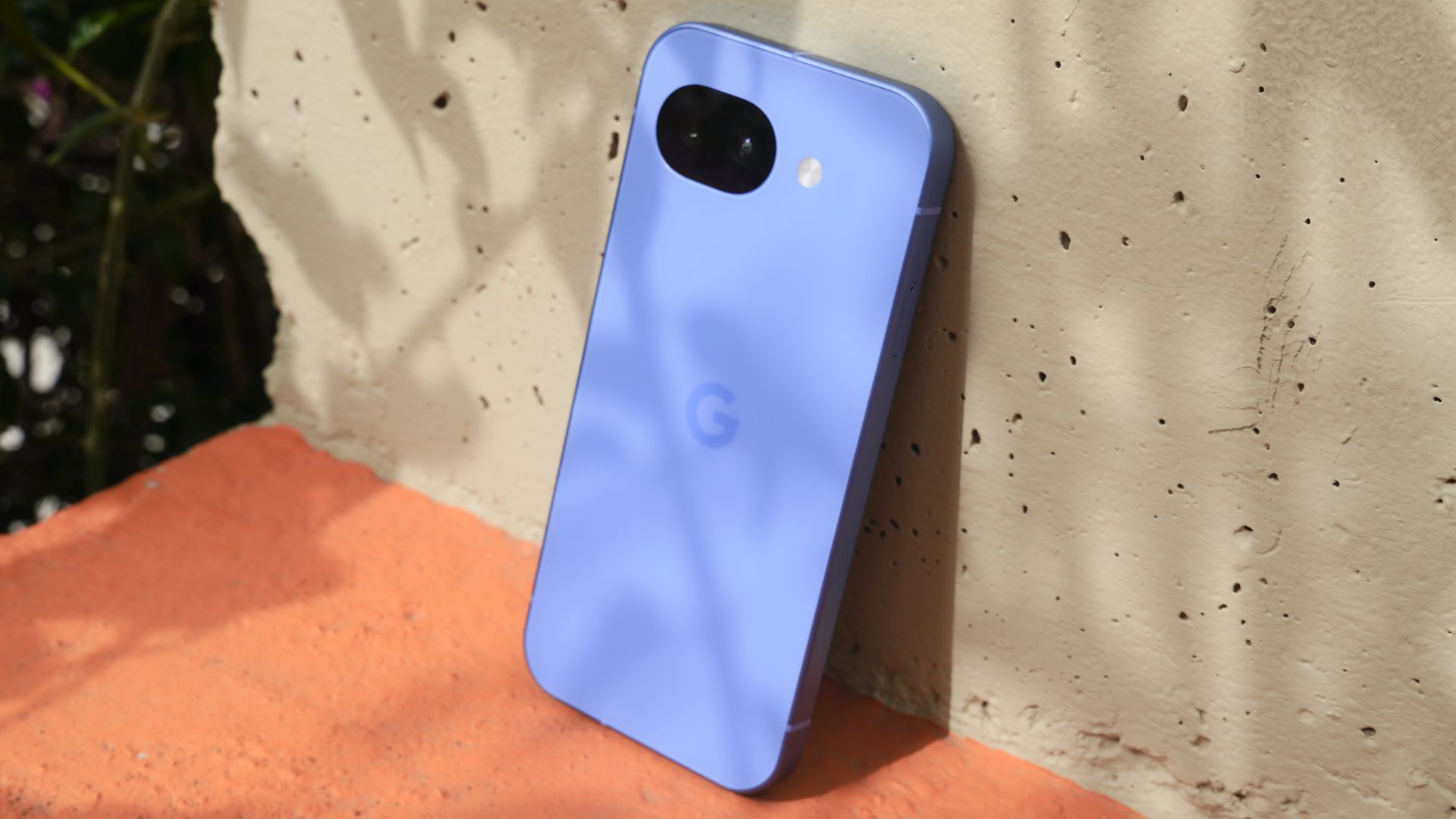
The Google Pixel 10a in the Lavender colorway.

(Image credit: Brady Snyder / Android Central)

What makes the price increase particularly difficult to swallow is that the Pixel 10a itself didn't change much compared to last year's Pixel 9a. In fact, it uses the same Tensor G4 processor that first debuted with the Pixel 9 series back in 2024.

Google did make a few improvements, including upgraded wireless charging and satellite connectivity. But paying $100 more for the exact same phone that cost $499 until recently is still a pretty hard pill to swallow.

Unfortunately, that's the smartphone market we're in right now. We expected mid-range and budget phones to be among the devices hit hardest by rising component costs, and with the Pixel 10a's new price, we're now starting to see that play out.