Appnext

Selasa, 01 September 2020

August Wi-Fi Smart Lock review: Biometrically safe, geometrically perfect

Fourth time's still a charm.
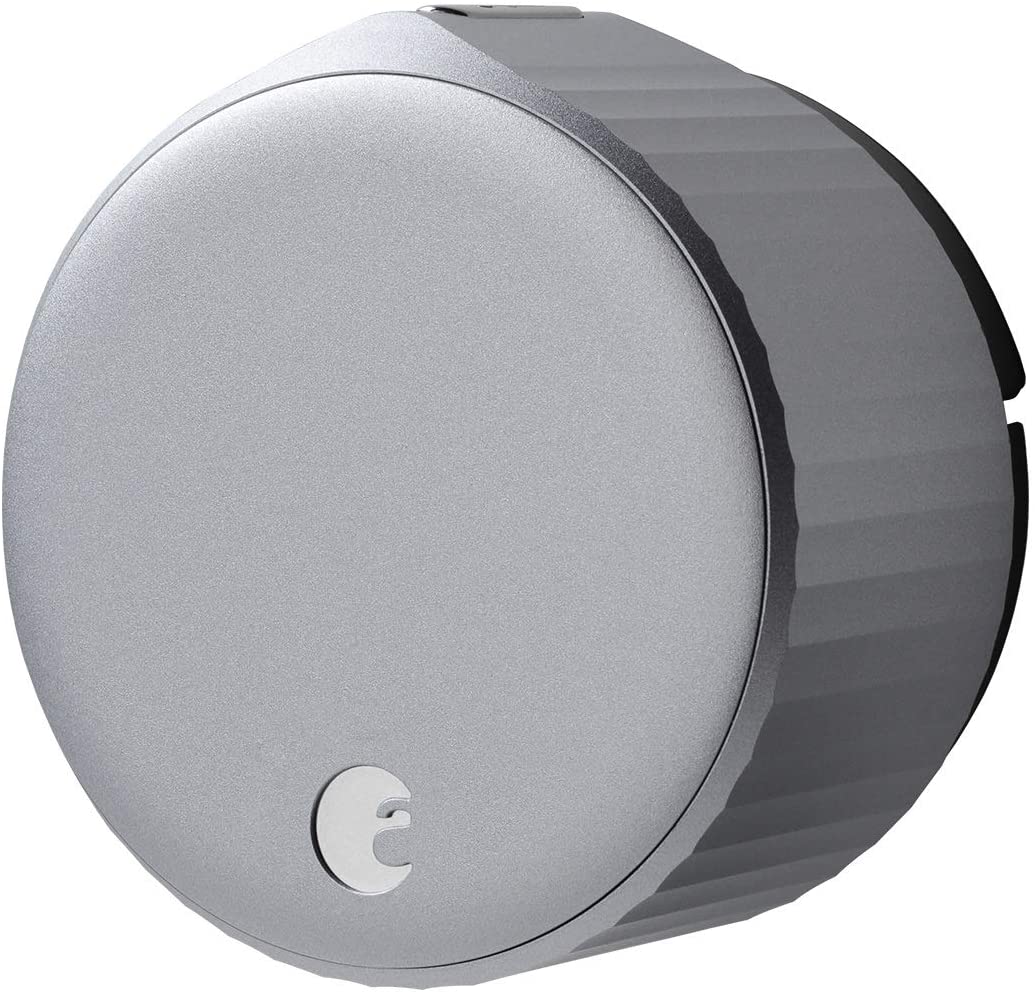
The promise of a "smart" lock is, of course, to help make getting in and out of your home easier. August has taken this definition to heart with the design of the August Wi-Fi Smart Lock, a fourth-generation product that's chock full of convenience features that actually make this lock feel smart.

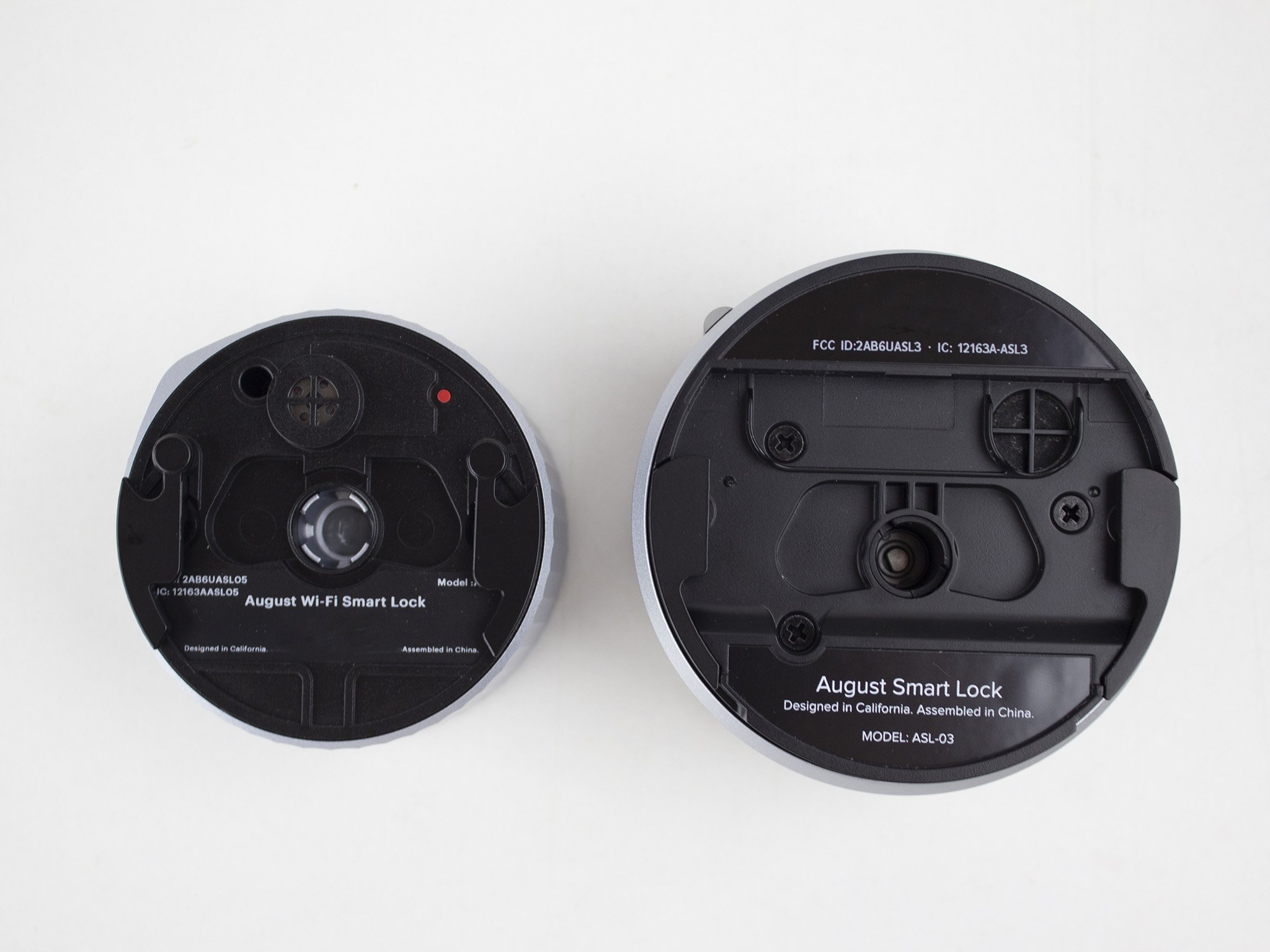
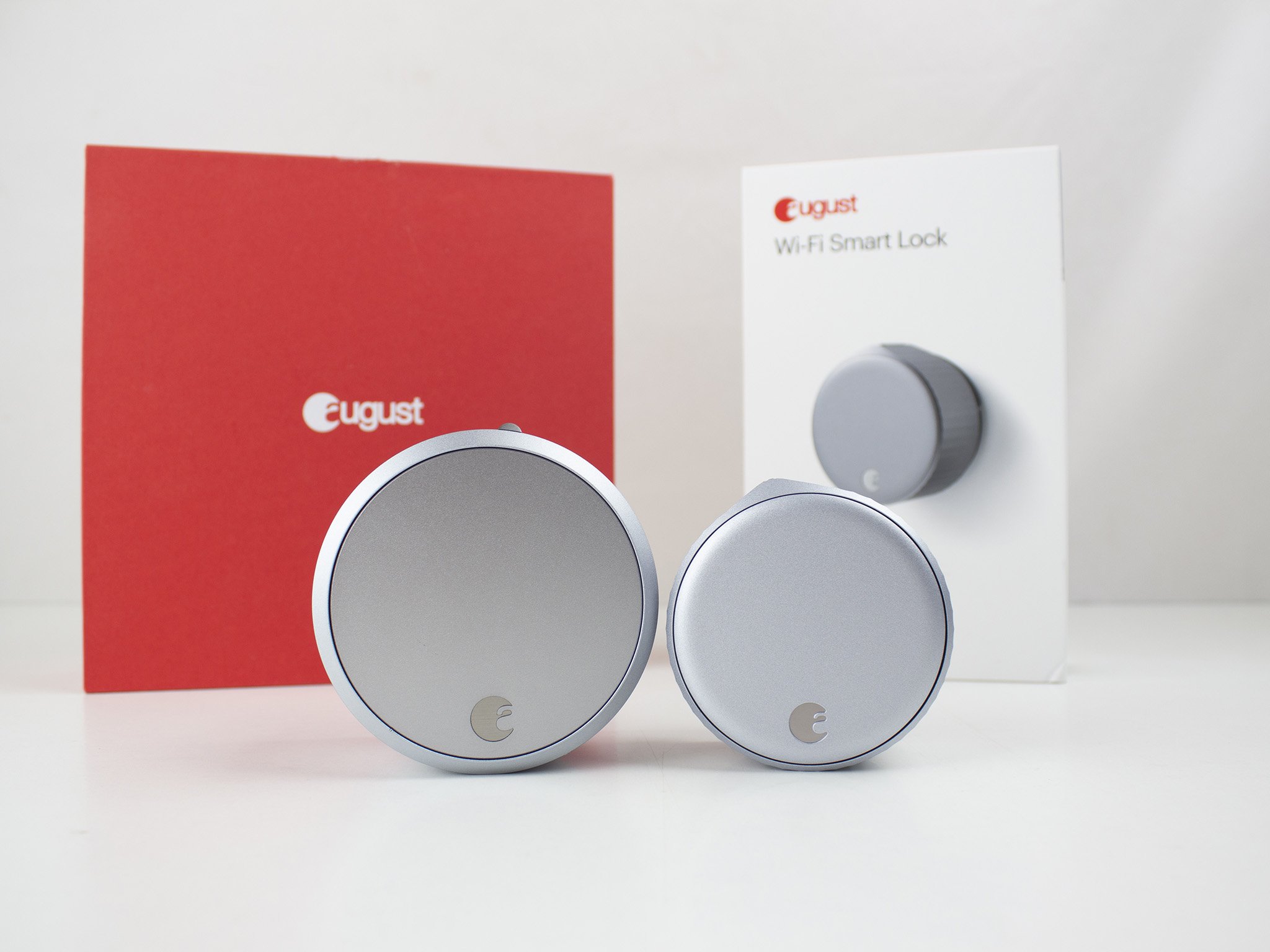
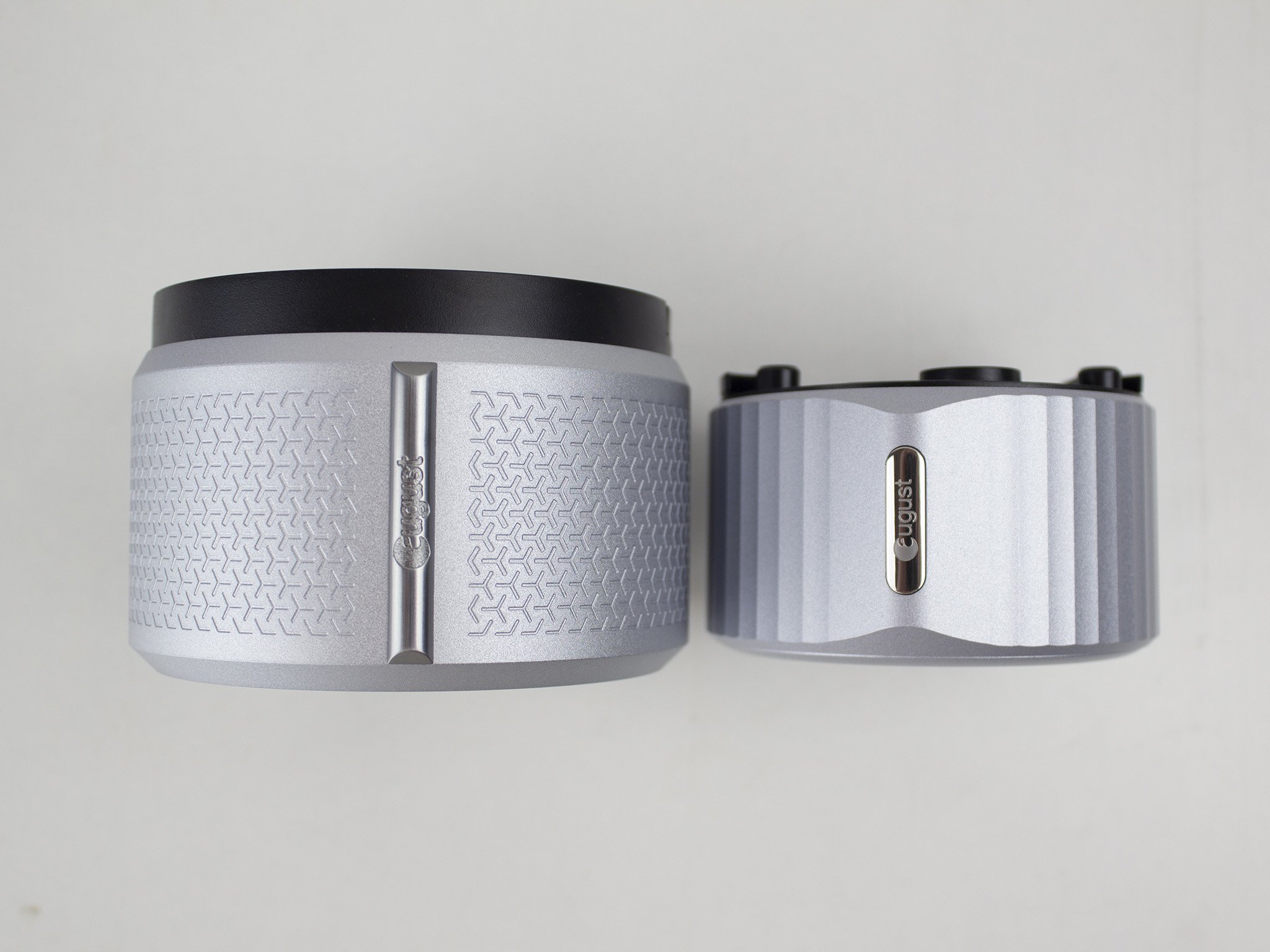
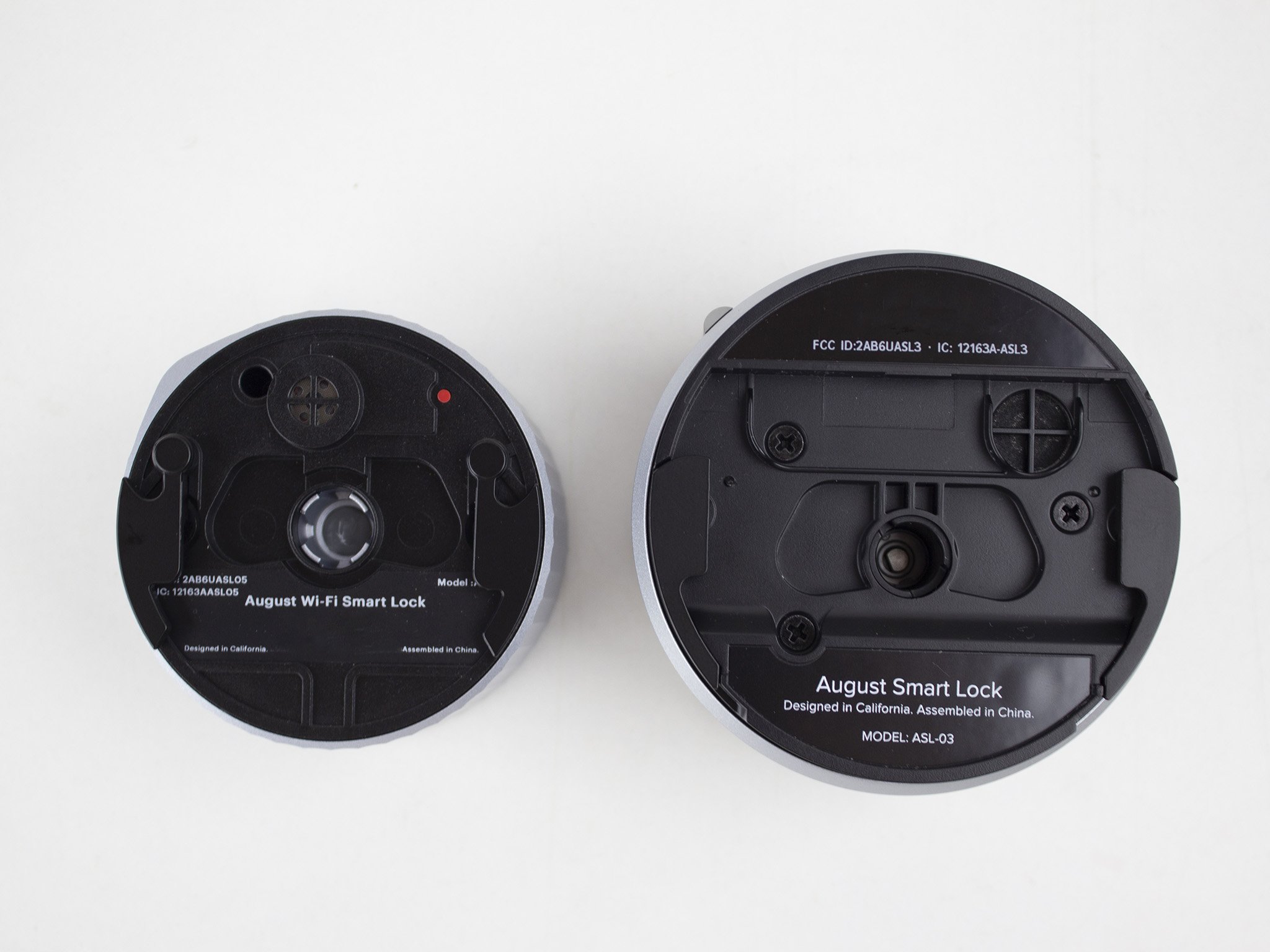
The significant changes this time around include a considerable reduction in size when compared to previous generation August Smart locks, approximately 45% to be exact. On top of that, August has finally included the Wi-Fi chipset inside the lock itself. That means that, unlike previous-generation August smart locks, you won't need a Z-Wave hub to connect it to the Internet.

As has been the case for all August Smart Locks, the August Wi-Fi Smart Lock doesn't replace your entire deadbolt. Instead, the August Wi-Fi Smart Lock replaces your interior deadbolt thumbturn only. The auto-locking and unlocking features are a godsend in many regards and make this lock feel simply brilliant in most circumstances. It's just a shame that Google Pixel owners likely won't find this feature very useful, as it doesn't work reliably with those phones.

Bottom line: The August Wi-Fi Smart Lock is the perfect solution if you want to keep your existing keys but just want to add some smarts to your door. It's significantly smaller than previous generations and offers the same great features, all without requiring a Wi-Fi bridge to connect to the Internet.

The Good

  • Wi-Fi connectivity built-in (no hub required)
  • Smaller, sleeker design is easy to use
  • Can be installed over your existing deadbolt
  • Door Sense knows when the door is open or closed
  • Automatic locking/unlocking
  • Biometric remote unlocking security

The Bad

  • No local protocol support (Z-Wave, etc.)
  • Auto-locking/unlocking can be finicky with some phones

$234 at Amazon $240 at Best Buy $300 at Walmart

Reface, don't replace

August Wi-Fi Smart Lock: What I like
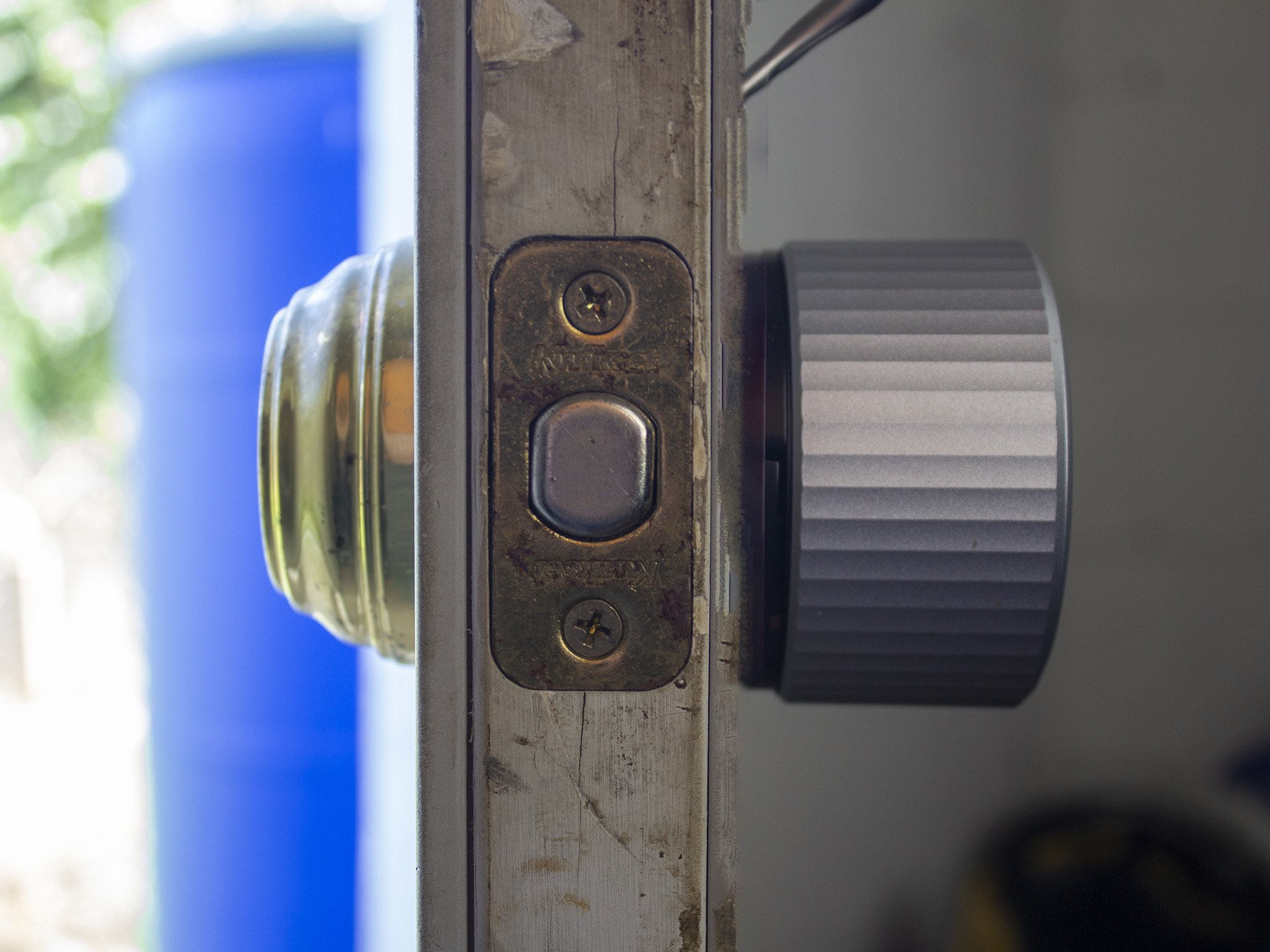
One of the biggest selling points of August smart locks for generations has been the ability to add intelligence to your existing deadbolt without replacing it. While it's not quite as simple as slapping the new hardware onto the old lock, August's included hardware adapters make it easy to pop off the old screws, drop the August Wi-Fi Smart Lock into place, and screw it right back in the same place the old thumbturn was.

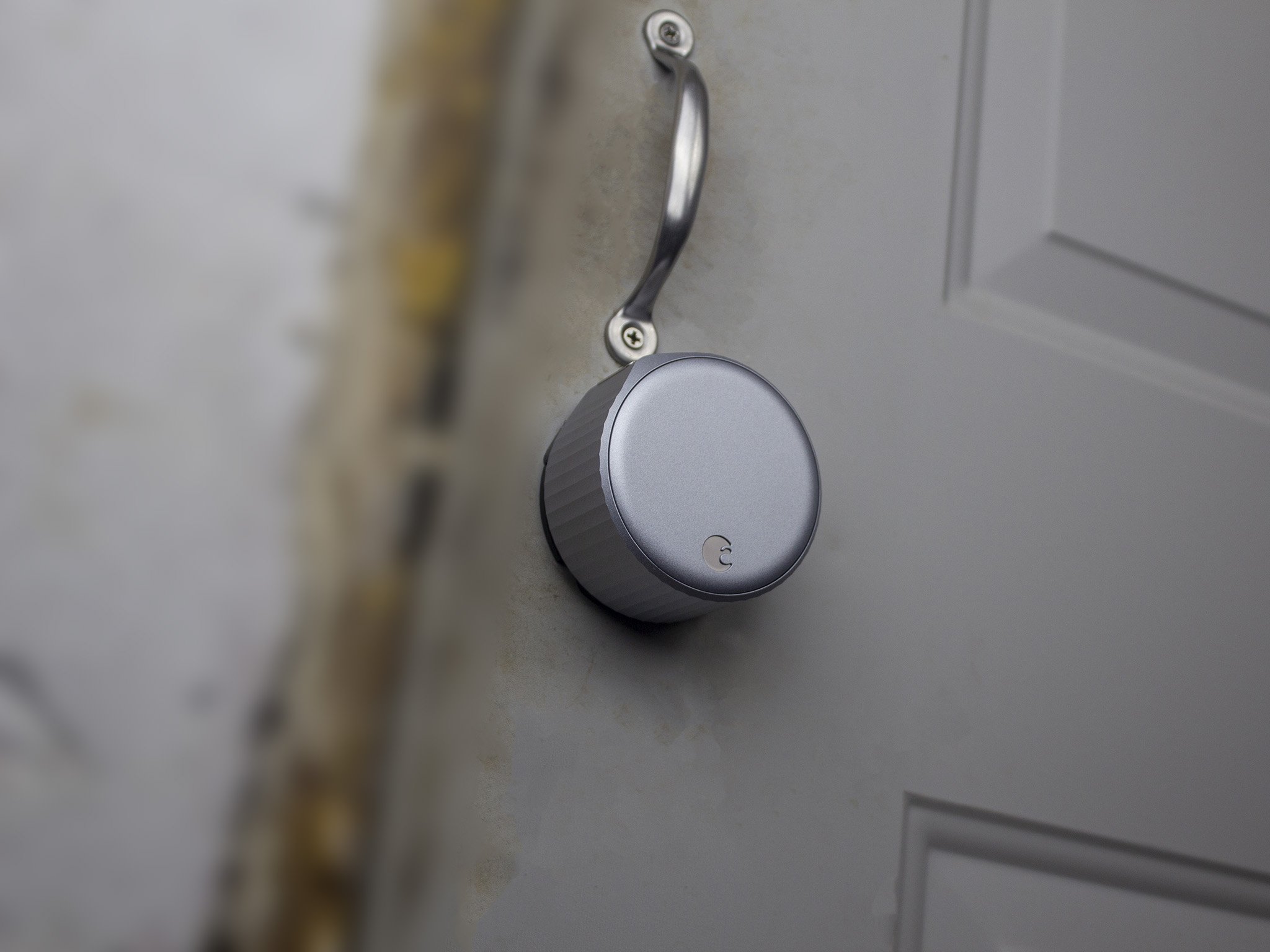
It turned my scrappy old basement door into a thing of beauty.

It's a seemingly non-intrusive way to upgrade your lock without going through all the hassle of replacing the entire thing. It's also a great way to add intelligence to a rental home or apartment, as it leaves the keyed deadbolt outside while improving on what's used on the other side of the door. On top of that, the design of the August Wi-Fi Smart Lock is super sleek and a further improvement upon the more industrial looks of the first three generations, but more on that later.

Another brilliant feature is Door Sense, which allows the August Wi-Fi Smart Lock to understand when the door has been completely closed and when it's open (or just ajar). Door Sense can be installed inside of the door frame or attached to the outside of the frame with included adhesive tape. This seemingly small but immensely important feature will give you peace of mind that other smart locks simply cannot. That's because it guarantees that you know that the door isn't just locked; it's also fully closed.

Now, these two big selling points aren't new to the August Smart Lock family. What is new, however, is the inclusion of a Wi-Fi chip right inside of the August Wi-Fi Smart Lock. That's a stark contrast to the first three generations of August Smart Lock, which only featured a Z-Wave radio inside and needed an external hub to connect to the Internet. That Wi-Fi chip inside means that the only thing you'll need to install in your home is the August Wi-Fi Smart Lock. No extra hub, no additional configuration, and no extra power port or Ethernet cable that needs to be set up.

August Wi-Fi Smart Lock Get a grip on great design
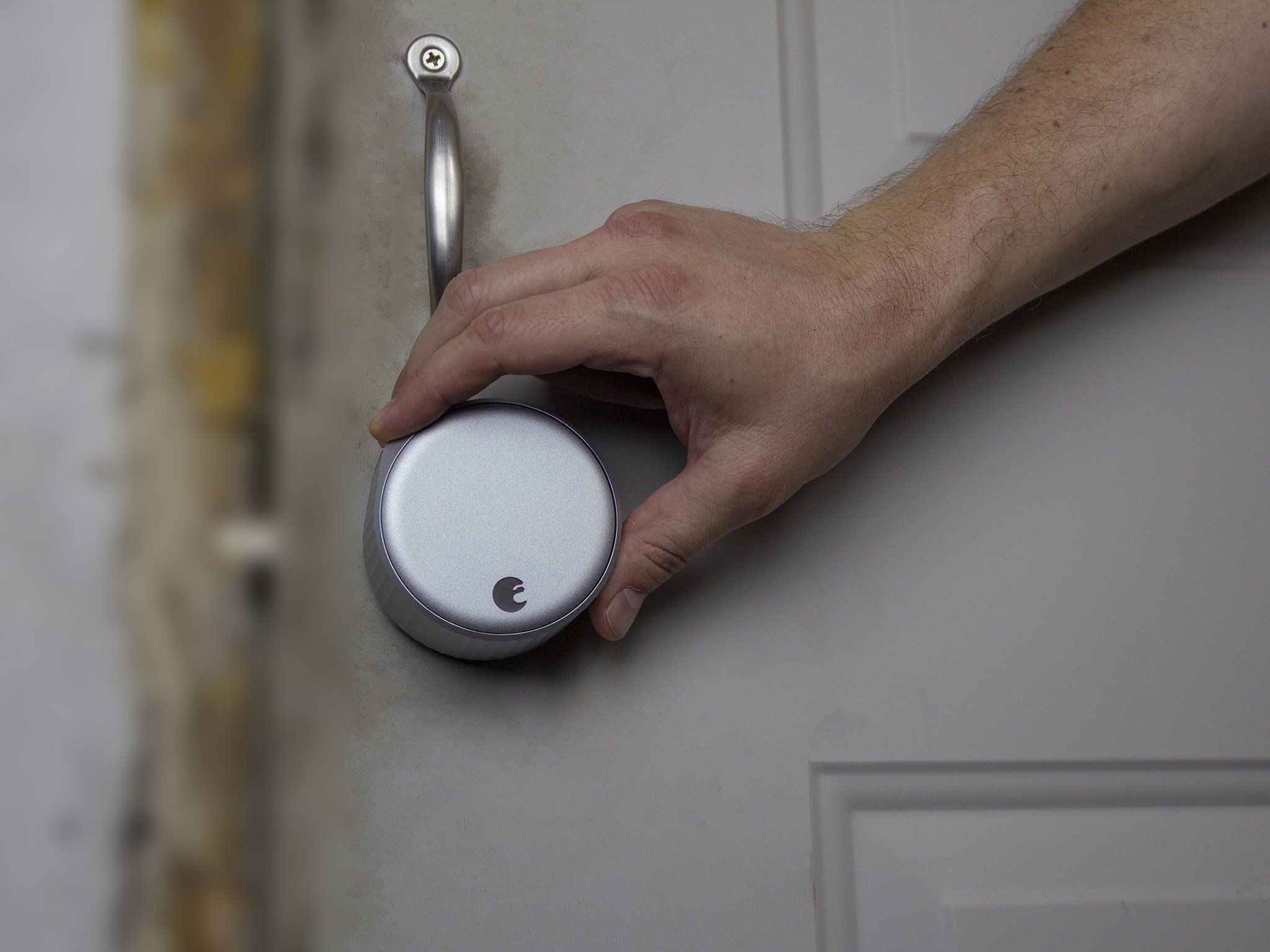
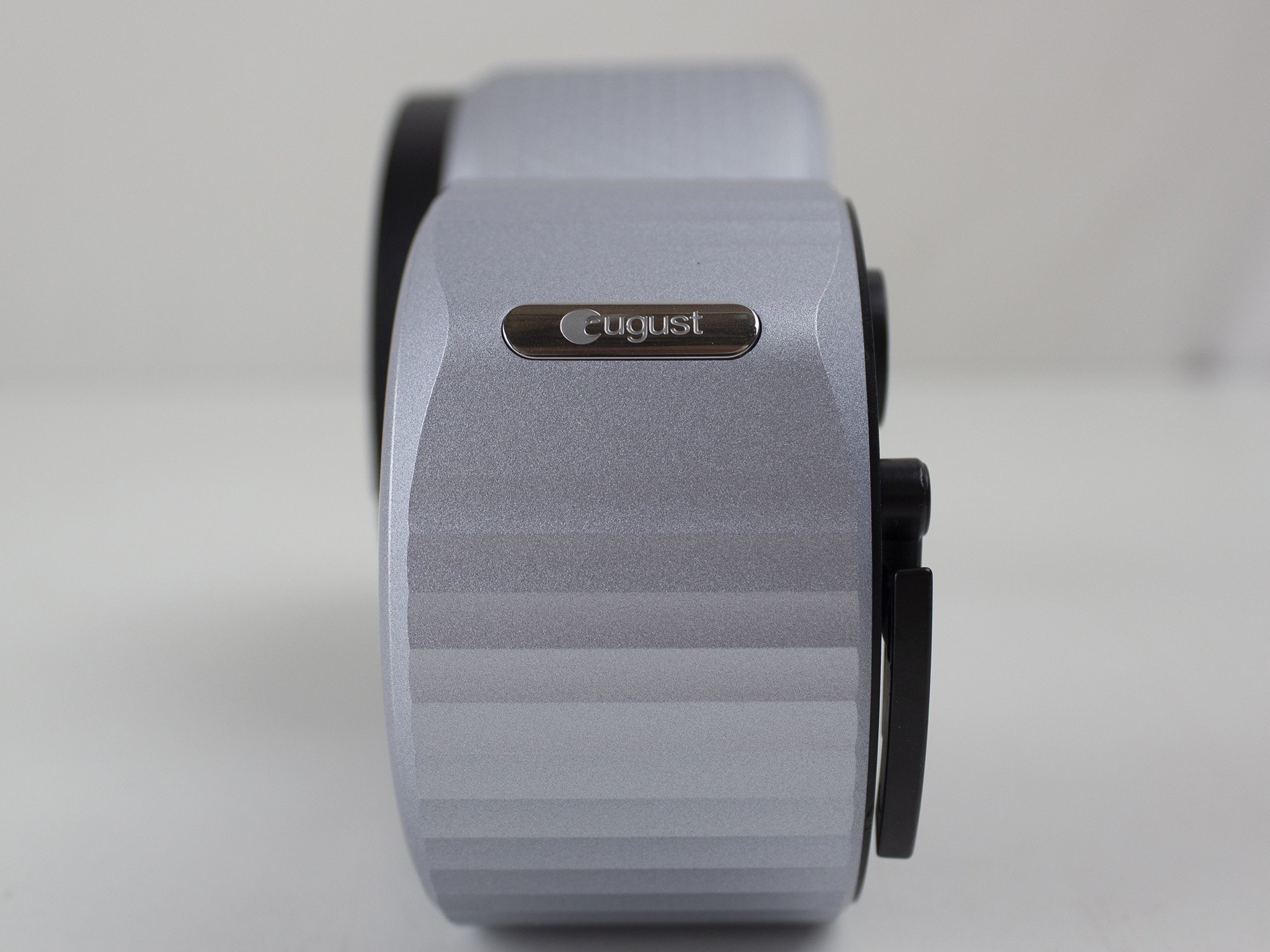
If you already own one August Smart Lock, you'll immediately notice just how much smaller the new August Wi-Fi Smart Lock is. At 45% smaller than the first three-generation products, the August Wi-Fi Smart Lock is a gorgeous device that will look great on your exterior doors. Designed by world-renowned Swiss designer Yves Béhar, the August Wi-Fi Smart Lock looks similar enough to the original to be immediately recognizable as an August Smart Lock but different enough to be a noticeable improvement upon the original design.

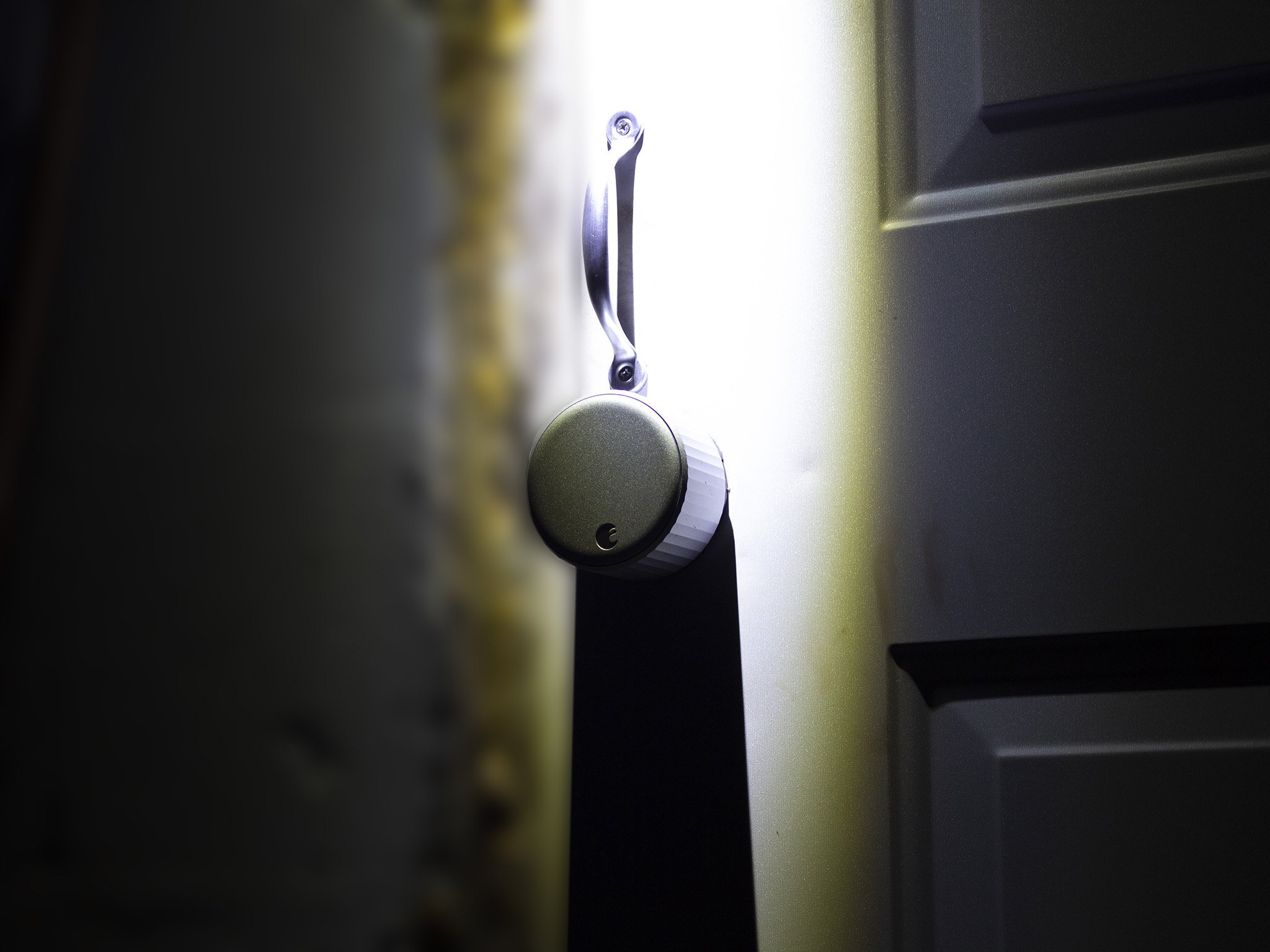
If it weren't for the new smaller size, I wouldn't be able to use it on this door.

A new ribbed grip adorns the entire circular facade of the August Wi-Fi Smart Lock, which, in conjunction with the massive size decrease, makes the lock significantly easier to use than previous generations. In fact, thanks to these two important design changes, the August Wi-Fi Smart Lock was more pleasant to use on my door than the deadbolt thumbturn that it replaced. It's kind of weird to think about locking or unlocking a door as a pleasing experience, but the August Wi-Fi Smart Lock made every operation an enjoyable one.
Physical operation is only a small part of the experience, and, if you're using the lock in conjunction with your favorite virtual assistant or smart home service, you may not even physically turn the lock most of the time. If you're using the auto-lock and unlock functions, you may not ever even have to touch your phone at all. The August Home app can utilize your phone's location to automatically lock your door when you drive away and unlock your door when you arrive home. It works brilliantly with most phones and is probably the most convincing use of the term "smart" I've seen in a smart home product.

The August Home app is as pleasant and simple as ever to use.

The August Home app is as pleasant and simple as ever to use, and it makes managing an August-filled smart home an easy task. The lock is front and center the moment you open the app, and you'll be able to clearly identify the door and lock's status in a single glance. A filled red circle means the door is shut and locked, while a hollow green circle indicates the door is closed and unlocked. Tapping the circle in the app will change the lock's status in an instant and, thanks to the new biometric authentication support, can even be required to make sure that you are actually you before the remote operation takes place.

That's a vitally important role to play in smart home security, as it provides a genuinely secure biometric-level of 2-factor authentication for your home's most important security tool: the door locks. You can even link it to Google Assistant and lock or unlock the door, making it simple to open your door without scrounging around for keys. When unlocking via Google Assistant, you'll be required to give Google a security PIN, ensuring that even if someone were to somehow get into your Google account, they couldn't unlock your door without the secondary PIN code.

A snag in the setup

August Wi-Fi Smart Lock: What I don't like

The setup process, as a result of the simplified hardware, is easier than ever. Once you've physically installed the lock on your door, you'll open the August Home app and run through the setup steps. Setup is literally as easy as removing the battery tab on the lock, opening the app, and selecting the lock it finds. It'll be automatically added to your August account, and, from there, you can configure any additional features you want.

Now here's the deal, and it's going to be quite a raw deal for some people: the August Wi-Fi Smart Lock doesn't play nice with Google Pixel phones. August has had this issue for some time now, and it's a result of some sort of incompatibility between the Bluetooth chips Google uses and the ones August uses. I have several phones in my possession, and I can confirm that none of the Google Pixel phones (Pixel 1, 3, and 4) could finish setting up the August Wi-Fi Smart Lock.

The August Wi-Fi Smart Lock doesn't play nice with Google Pixel phones.

Summarily, every other phone I tested had no issues getting the August Wi-Fi Smart Lock set up the first time. iPhone, Samsung, LG, you name it, they all worked just fine. The Pixels also couldn't set up the automatic unlocking feature either, and it's because of the same issue. After speaking with an August representative, it was made clear that the problem here resides on Google's end and is entirely out of August's control.

Once the lock is set up, manually locking and unlocking the lock from your Pixel phone will work perfectly through the app. If you want to test out the automatic unlocking and locking features, just expect some wildly inconsistent results if you've got a Pixel phone. Regardless of who is at fault, the fact of the matter is that Pixel owners are going to have a tough time using this lock to its full potential.

Lastly, if you're already invested in an August Smart Lock ecosystem, it's worth noting that this unit doesn't have any support for the Z-Wave protocol. While this likely won't affect many buyers in any way, folks who have deeply invested in smart homes up to this point might find that the newest lock doesn't function as quickly or reliably with their existing hub setups, simply because it requires a Wi-Fi connection to operate.

The competition
If you're looking to keep your existing deadbolt key and just add some smarts to it, Open Sesame is the most straightforward way to do it. Unlike August Smart Locks, Open Sesame actually does sit right over the top of your existing deadbolt's thumbturn and requires zero tools for the installation. It's also quite a bit cheaper at $150, but its more limited range of compatibility with locks might reduce the chances of it working in your home.

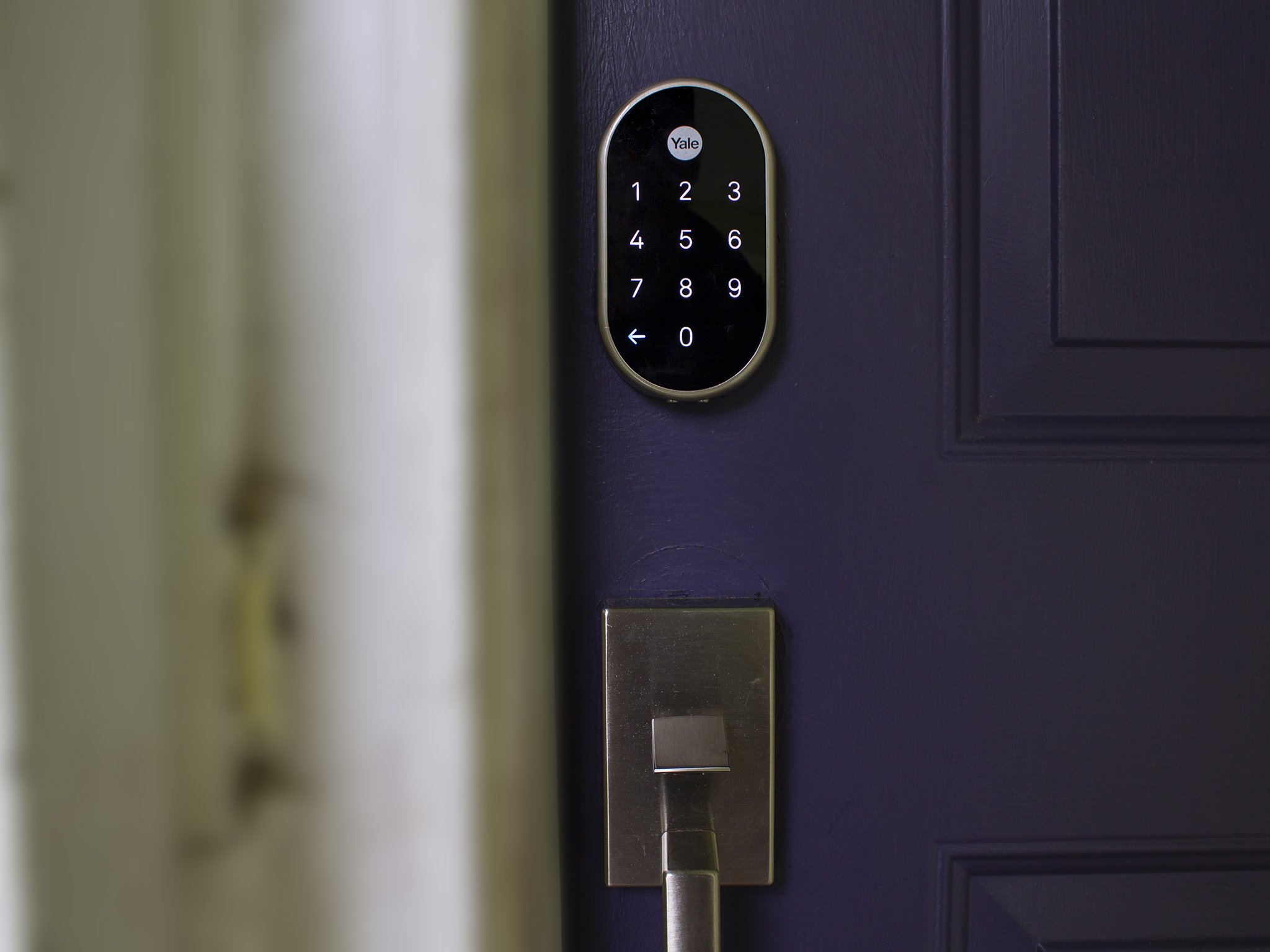
If you're looking to ditch the keys all together, the Nest x Yale Smart Lock is the best way to go. For the same price as the August Wi-Fi Smart Lock, you'll be getting an entire deadbolt replacement that completely changes the look and functionality on the inside and outside of your door. The keyless entry system can be activated through the app or with the keypad on the outside. The biggest downside, other than the more complicated installation, is that it only works with Google Assistant.

August Wi-Fi Smart Lock: Should you buy
You should buy this if ...

You're not ready or able to ditch the keys

While it does require some installation, the August Wi-Fi Smart Lock is designed to be installed over your existing deadbolt hardware instead of replacing it. The only part of the deadbolt that gets replaced is the thumbturn, which is generally held in place by one or two screws. Unscrew those, pop the August Wi-Fi Smart Lock on in its place, and screw it in. You'll still have your keys as a backup, or if there's a need for the maintenance crew to head into your dwelling.

You don't want to deal with annoying smart home hubs

The August Wi-Fi Smart Lock has Wi-Fi built right into the lock, as the name suggests. Unlike previous generations of August Smart Locks, you won't need a hub to connect this one to the Internet. That's great for anyone wanting a simpler setup and fewer gadgets to have plugged in around the home.

You want a smart lock that actually feels smart

Automatic locking and unlocking is a game-changer that truly makes the August Wi-Fi Smart Lock feel more than just smart; it feels brilliant. The August Home app also packs in some of the most intelligent security features I've ever seen in a smart home gadget, including the ability to restrict remote unlocking to biometric authentication. That means that even if someone steals your phone and tries to use it to unlock your house, they won't be able to because the phone can't authenticate against their face or fingerprint.

You should not buy this if ...

You have a Google Pixel phone

We're a Google Pixel household, and, while I love the August Wi-Fi Smart Lock's many intelligent features, it's operation is super unreliable with Google's own brand of phones. Even if you manage to get the lock setup with another phone or device, you won't be able to use one of the absolute best features reliably. If auto-locking or unlocking doesn't interest you, this is much less of a negative point.

You want to stop using keys completely

August designed its locks to augment the traditional deadbolt. That's evidenced by the fact that August also sells replacement deadbolts that perfectly fit the styling of the August Wi-Fi Smart Lock. At the end of the day, however, the physical key is still the backup of choice for August. If that's not something you want, this isn't the lock for you.

You have a bunch of Z-Wave devices

While building in Wi-Fi connectivity is a huge plus for many people, some folks are deeply invested in Z-Wave smart home ecosystems and have lots of automation built around that technology. If this is you and you absolutely need all of your automations to work even if there's an Internet or Wi-Fi outage in your home, you should check out one of the other August Smart Locks.

4.5 out of 5

The August Wi-Fi Smart Lock is the ideal evolution of the quality experience we've come to know and love from August. It lets you keep your existing deadbolt and keys yet, somehow, blows other smart locks out of the water with its advanced functionality. But it's not just great features like automatic locking and unlocking that are sure to impress you regularly; it's also excellent app design and biometric security that totally seals the deal. The only downside is if you've got a Google Pixel phone where the experience is, unfortunately, an unreliable one.

Bottom line: The August Wi-Fi Smart Lock is a joy to use every day, and, thanks to the automatic locking and unlocking, you may never even have to operate the lock again manually. That new, smaller size also means it's going to fit better on many doors, and it's a lot easier to use because of that, too.

$234 at Amazon $240 at Best Buy $300 at Walmart

Facebook is changing its Terms of Service, and users are not happy

"These terms will be effective 01 October 2020."

What you need to know

  • Facebook is changing its Terms of Service.
  • A new clause will let it remove content or restrict user access to avoid lawsuits or regulatory impacts.
  • It will come into effect on October 1, and users aren't happy.

Facebook has announced changes to its Terms of Service that will allow it to remove content or restrict access if the company thinks it is necessary to avoid legal or regulatory impact.

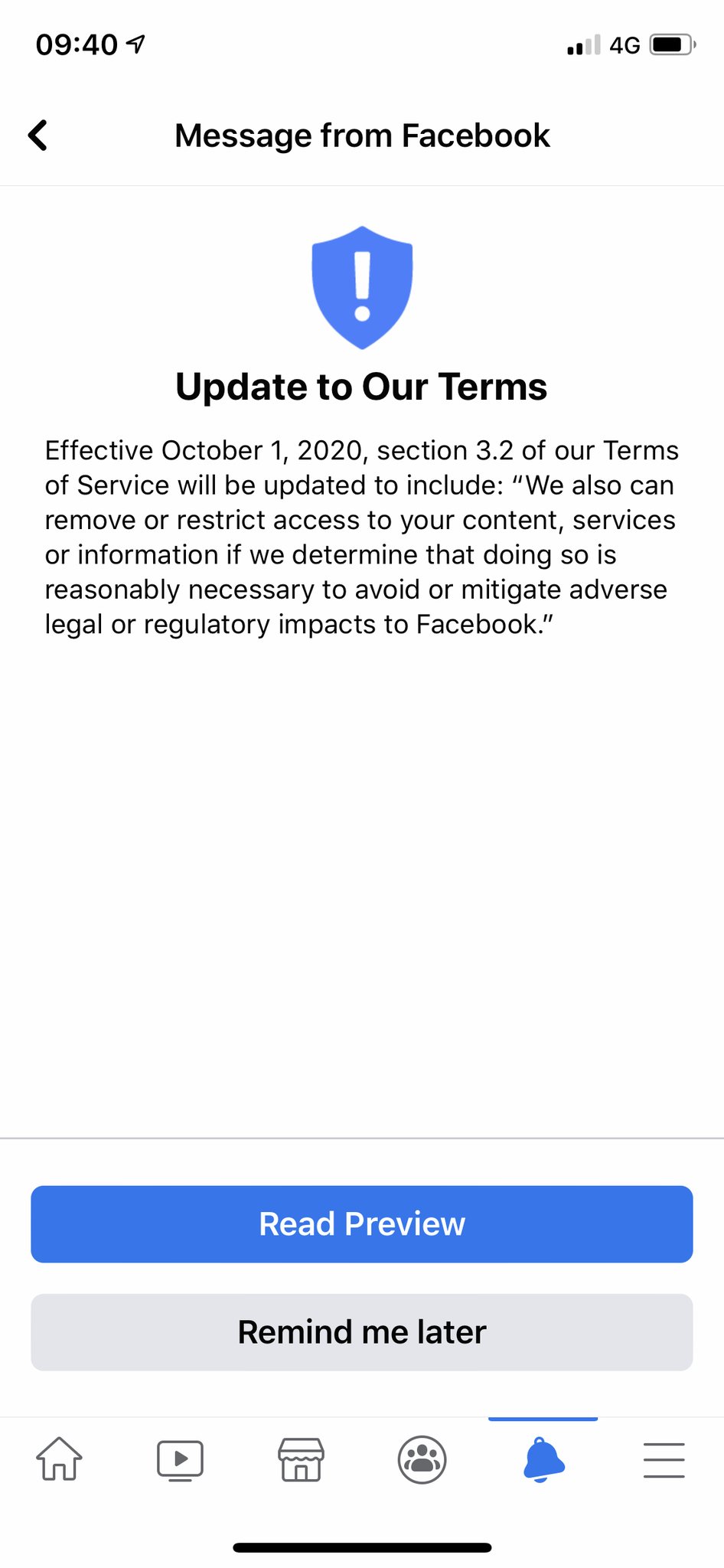
Users of Facebook's app have started receiving notifications regarding a change to its Terms of Service which states:

Effective October 1, 2020, section 3.2 of our Terms of Service will be updated to include: "We also can remove or restrict access to your content, services or information if we determine that doing so is reasonably necessary to avoid or mitigate adverse legal or regulatory impacts to Facebook."

This particular section of the Facebook TOS includes agreements about who can and can't use Facebook and the things that you are and aren't allowed to do on the platform.

The reaction on social media, in particular on Twitter has been mixed to say the least. One user commenting: "Facebook's terms of service update translated to plain English: "We will remove content not because it is incorrect, misleading, illegal, or spreads dangerous misinformation, but because removing it might help prevent us from getting caught allowing it." One user said the update was "absolutely terrifying."

Another commented "smells like Election interference and censorship to me!" and a human rights commenter further noted:

Disturbing new addition to #Facebook terms of service that could be used to justify online censorship, particularly with govts using restrictive national laws to order social media platforms to censor information critical of the govt or monarchy in violation of #OnlineFreedom

The new clause in the TOS is quite wide and vague, but it seems reasonable to think that it could indeed be used to justify removing content at the behest of a government or nation if Facebook thought it was being threatened by some kind of legal action or regulatory scrutiny.

Some users were much more upbeat about the change, suggesting it could lead to more false news and misinformation being removed.

The move could be linked to recent changes in Australia, where the Australian Competition and Consumer Commission is preparing a bill that would require both Facebook and Google to compensate news outlets when stories are published on their respective platforms.

As noted, the changes to Facebook's terms of service take effect from October 1, 2020.

New leak suggests Google’s 'Sabrina' Android TV dongle will cost around $60

The device had passed through the FCC last week.

What you need to know

  • Google's upcoming Android TV dongle could be priced under $60 in the U.S.
  • Retail listings for the upcoming dongle also suggest it will be released on September 30.
  • It is expected to be available in three colors: Rock Candy, Como Blue, and Summer Melon.

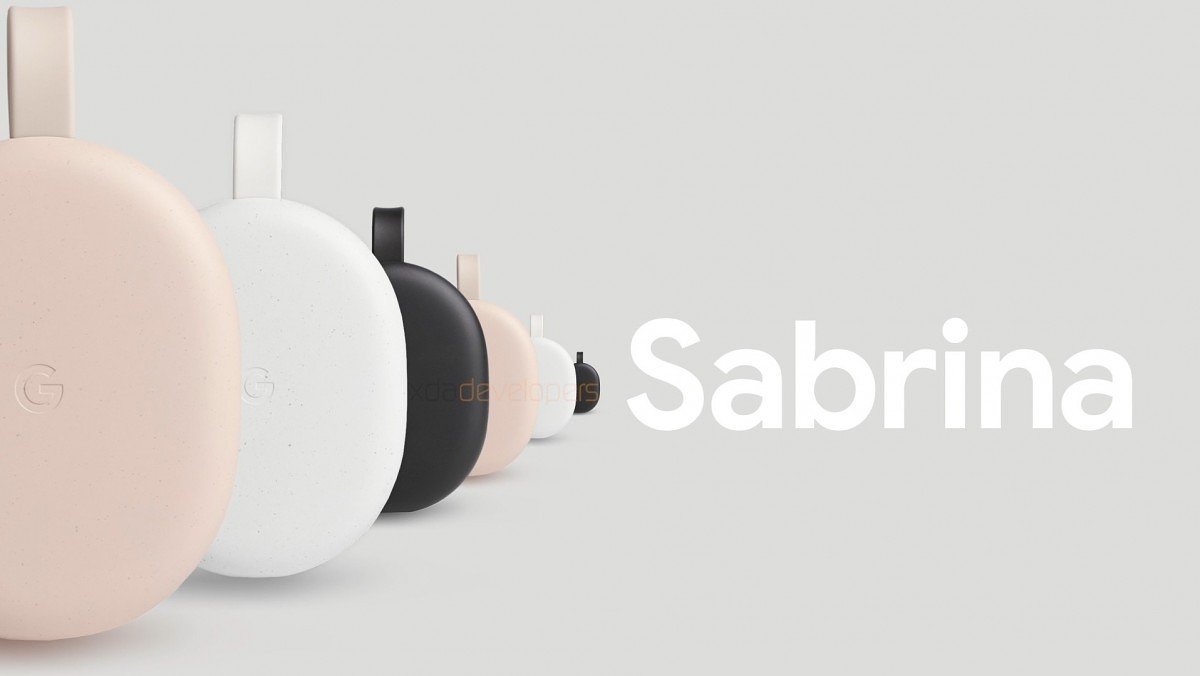
Google's upcoming Android TV dongle, codenamed "Sabrina," could be more affordable than expected. Multiple retail listings for the upcoming device have been uncovered, which suggest it could be priced around $60 in the U.S.

As reported by 9to5Google, Google's "Sabrina" has been listed on Home Depot's internal systems at $50, matching the Amazon Fire TV Stick and Roku's Streaming Stick+. In addition to revealing the price of the Android TV dongle, the listing also mentions three color options: Rock Candy, Como Blue, and Summer Melon.

Home Depot isn't the only retailer that has listed "Sabrina" ahead of its formal unveiling later this month. The folks at Droid-Life spotted the Android TV device at Walmart with a $60 price tag, while Android Police's Artem Russakovskii has revealed that Target has listed the upcoming device internally at $60 with a September 30 release date. Since the Pixel 4a 5G and Pixel 5 are also tipped to be released on September 30, it appears highly likely that "Sabrina" will be unveiled alongside the new Pixel phones sometime later this month.

Google's "Sabrina" will have support for up to 4K videos with HDR10, HLG, and Dolby Vision compliance. It is expected to have Stadia support as well.

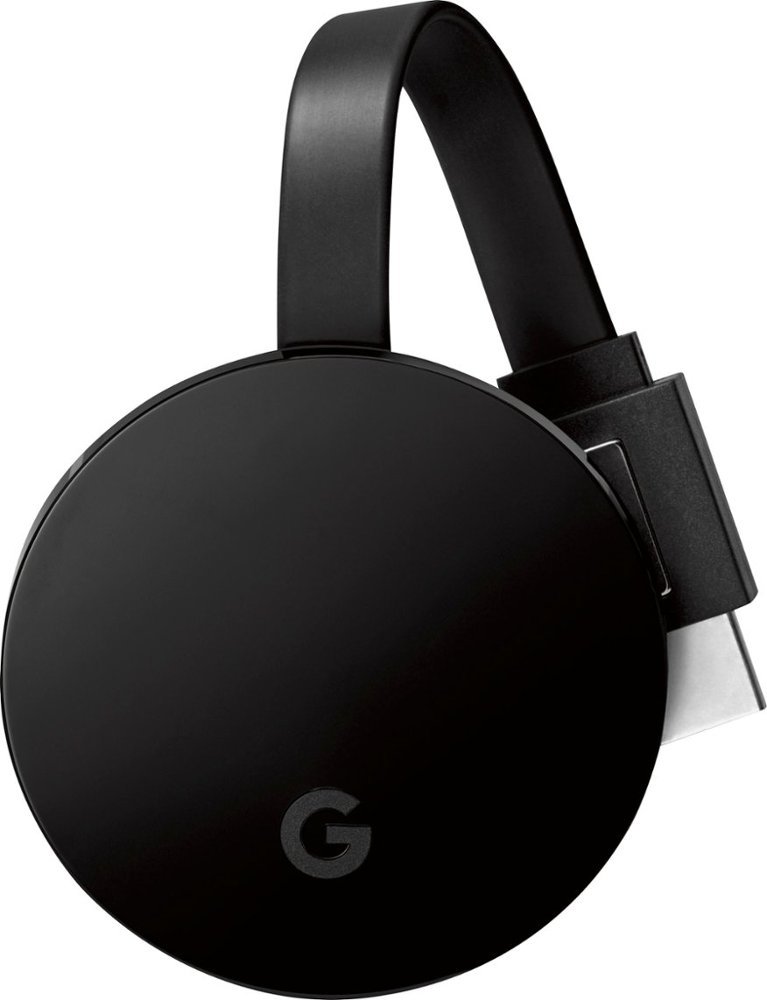
Chromecast Ultra

$70 at Amazon $70 at Best Buy

With 4K HDR support and support for Google Stadia, the Chromecast Ultra is among the best affordable streaming devices currently available. It also comes with an Ethernet adapter and offers faster performance compared to the standard Chromecast.

ASUS ZenFone 7 Pro review: The best selfies on Android

ASUS's second-gen flip camera makes for a great all-rounder — and the best selfie shooter you can buy.

If you're cynically-mined like me, it was pretty easy to dismiss last year's ASUS ZenFone 6 as a gimmick. A motorized, flippable camera module might seem over-engineered and unnecessary next to rivals that adopted a more conventional approach to selfies. Plus, the cameras themselves were a step behind some of the best Android phones under $800, missing features like OIS (optical image stabilization) and telephoto zoom.

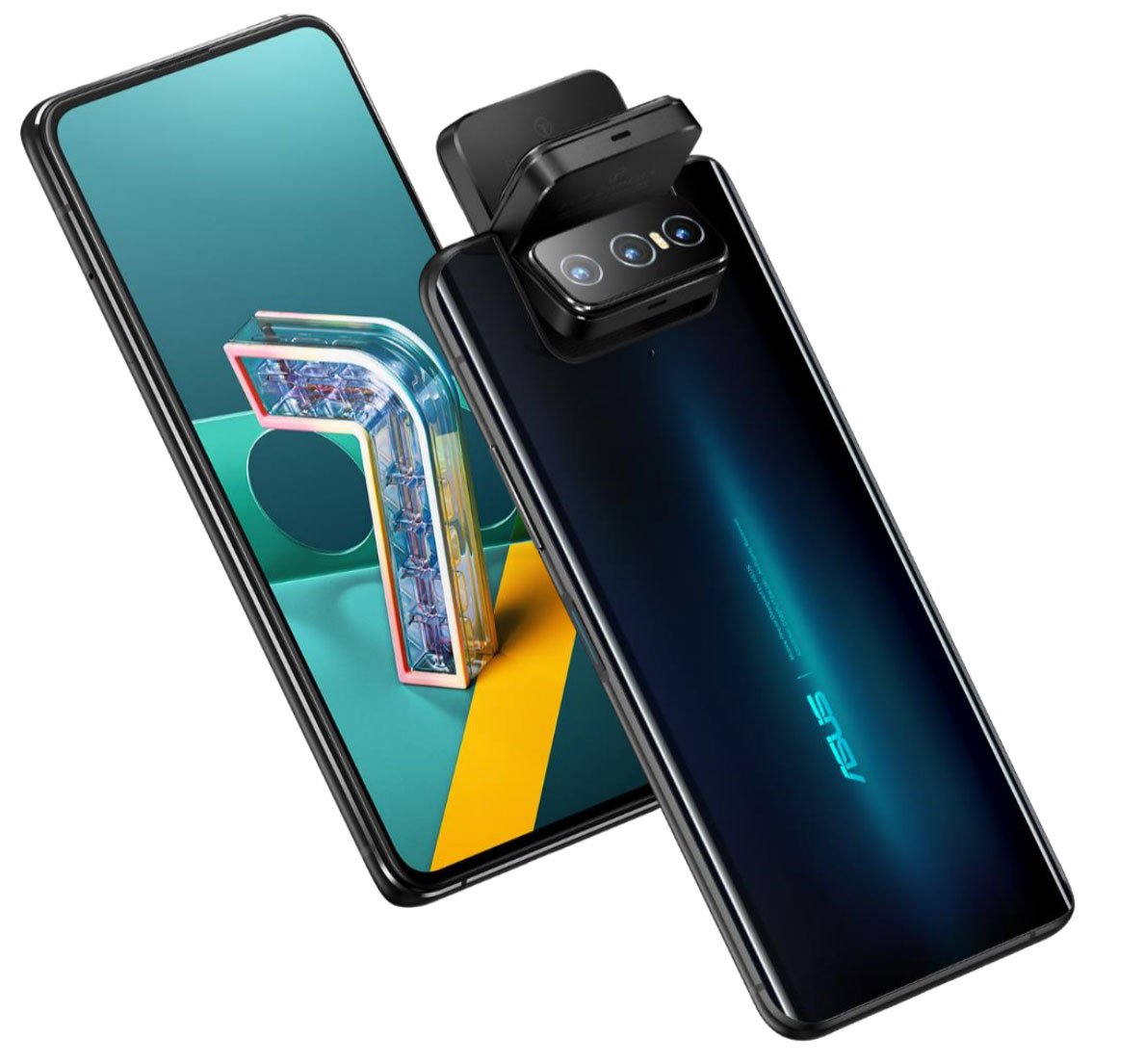
Its successor, the ZenFone 7 Pro, is just as different as its predecessor was, with the same tentpole feature in the form of rear cameras that rotate to pull double-duty as a selfie shooter. It's the execution of the things that makes the ZenFone unique that's improved so much this time around.

In addition to offering a big battery, clean Android software, and a unique take on smartphone photography, the cameras themselves are dramatically improved. And with these improvements, the central idea of the ZenFone 7 Pro makes a whole lot more sense. Combine all this with a price point that brings some heat to the likes of OnePlus, and you've got one of the most interesting Android phones of the year.

Bottom line: If you want to take epic photos on your phone and appreciate having the most versatile selfie shooter at your disposal, you'll find the ZenFone 7 Pro hard to beat. But there's more to this phone than just an excellent photo-taking experience: ASUS's software is attractive and lightweight, and the ZenFone also excels in battery longevity. Just be careful with it around water.

The Good

  • Versatile triple camera setup
  • The flip camera is game-changing for selfies
  • Slick 90Hz display with fast performance
  • Clean Android software with useful additions
  • Strong battery life

The Bad

  • No water resistance
  • No wireless charging
  • Chunky, heavy design

See at ASUS

ASUS ZenFone 7 Pro Hardware and design

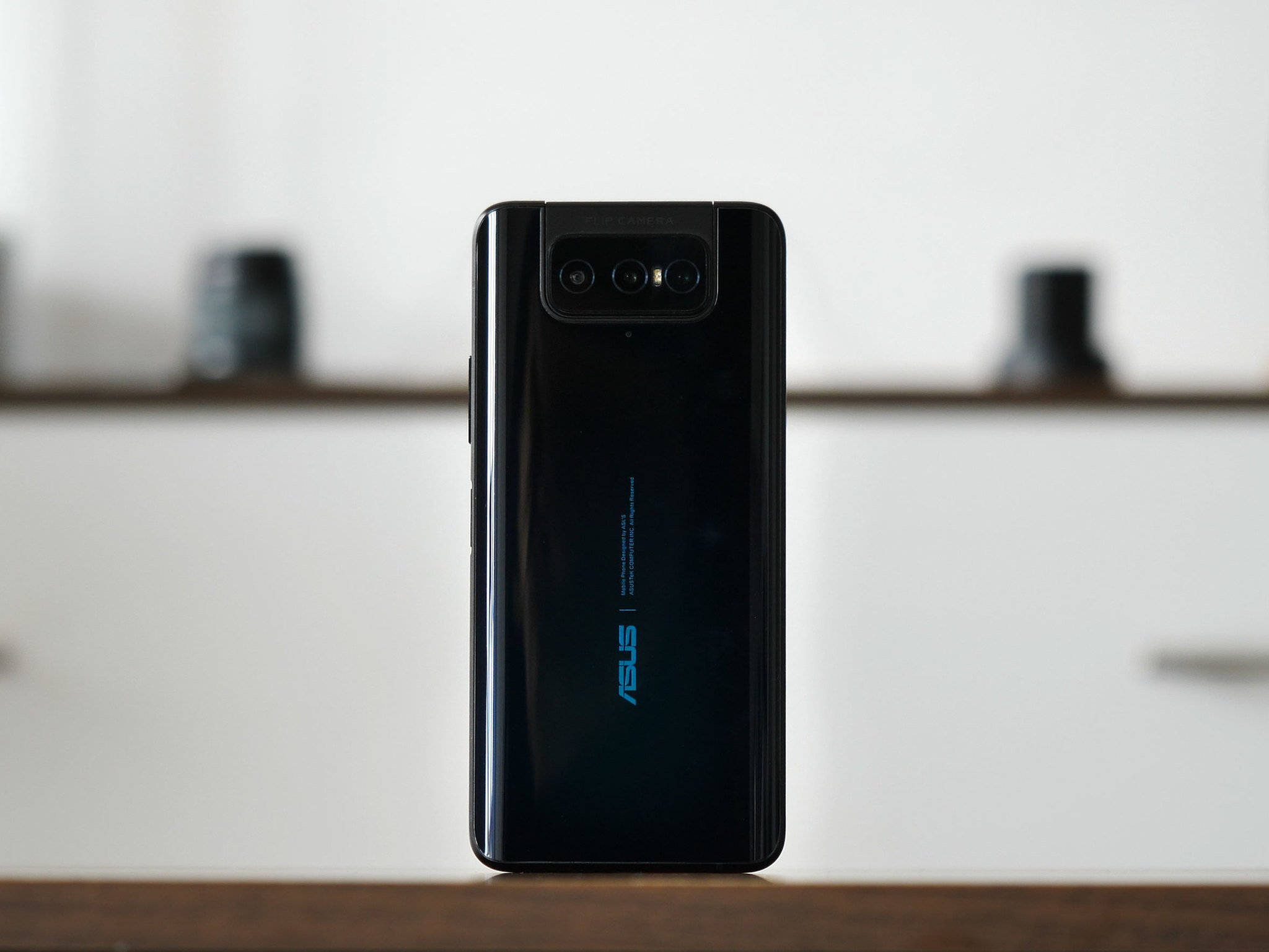
Externally, the ASUS ZenFone 7 Pro is a refinement of last year's ZenFone 6 — the major design characteristics of that phone haven't changed a whole lot. This remains a big, chunky, and fairly heavy phone that makes some rivals feel almost insubstantial. The metal sidewalls, curved back, and chamfered borders channel the design language of the ROG Phone 3 — one of the few handsets that make the ZenFone seem diminutive by comparison.

The phone comes in either black or white, each of which has a slight pearlescent effect to its glossy glass rear, which, in my black model, makes it feel a little less monolithic.

The ZenFone 7 Pro is big and chunky, but necessarily so.

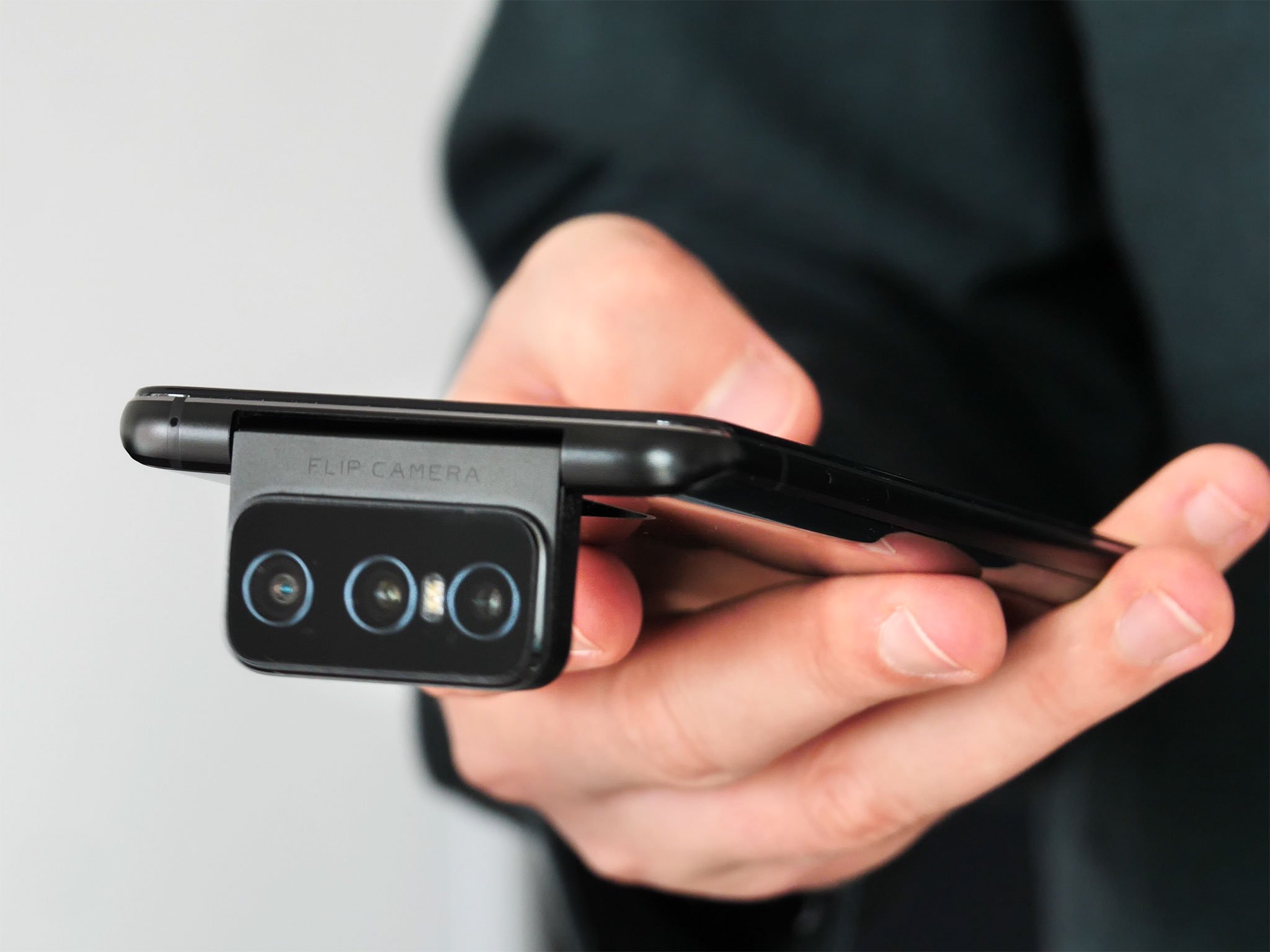
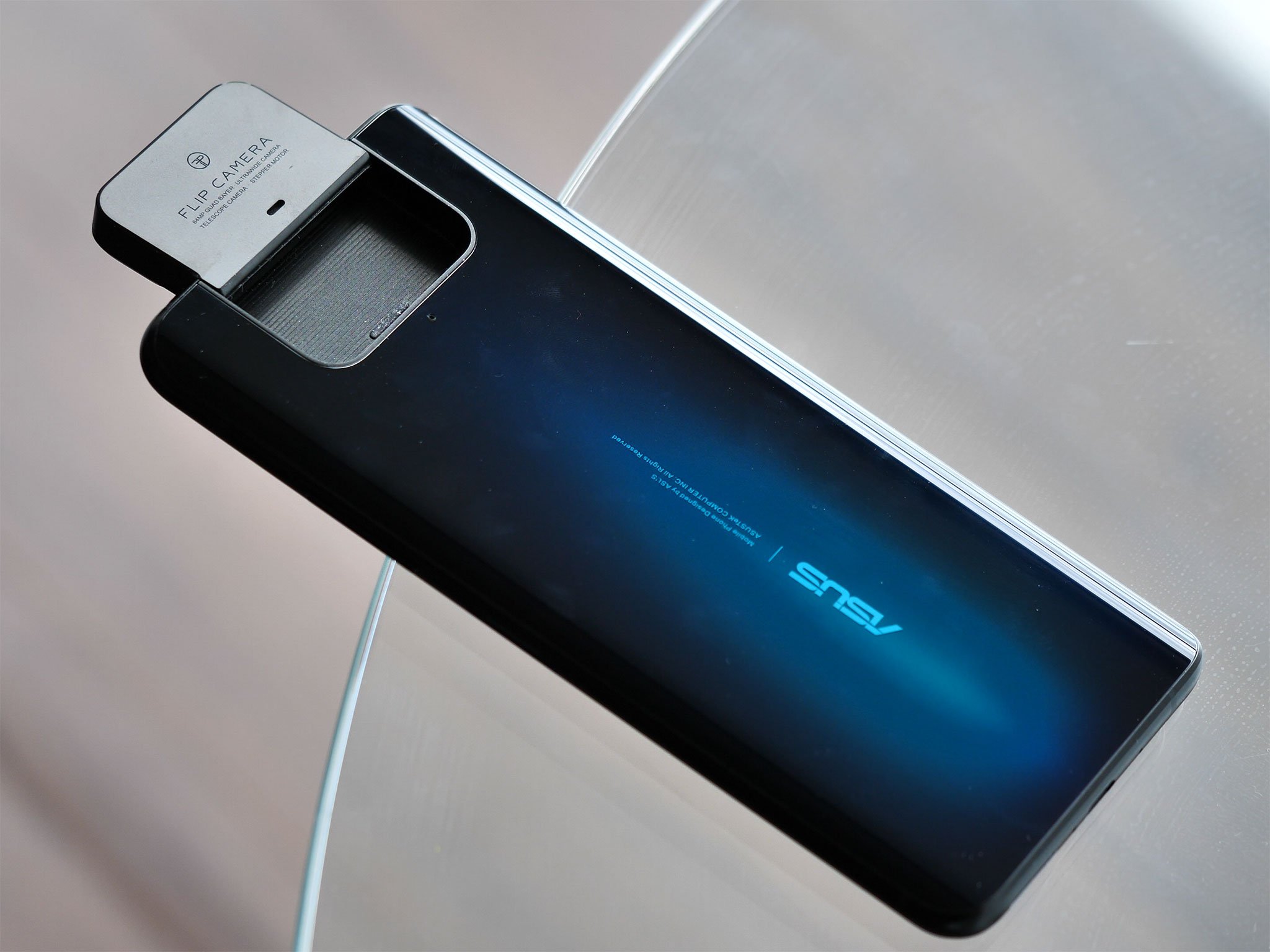
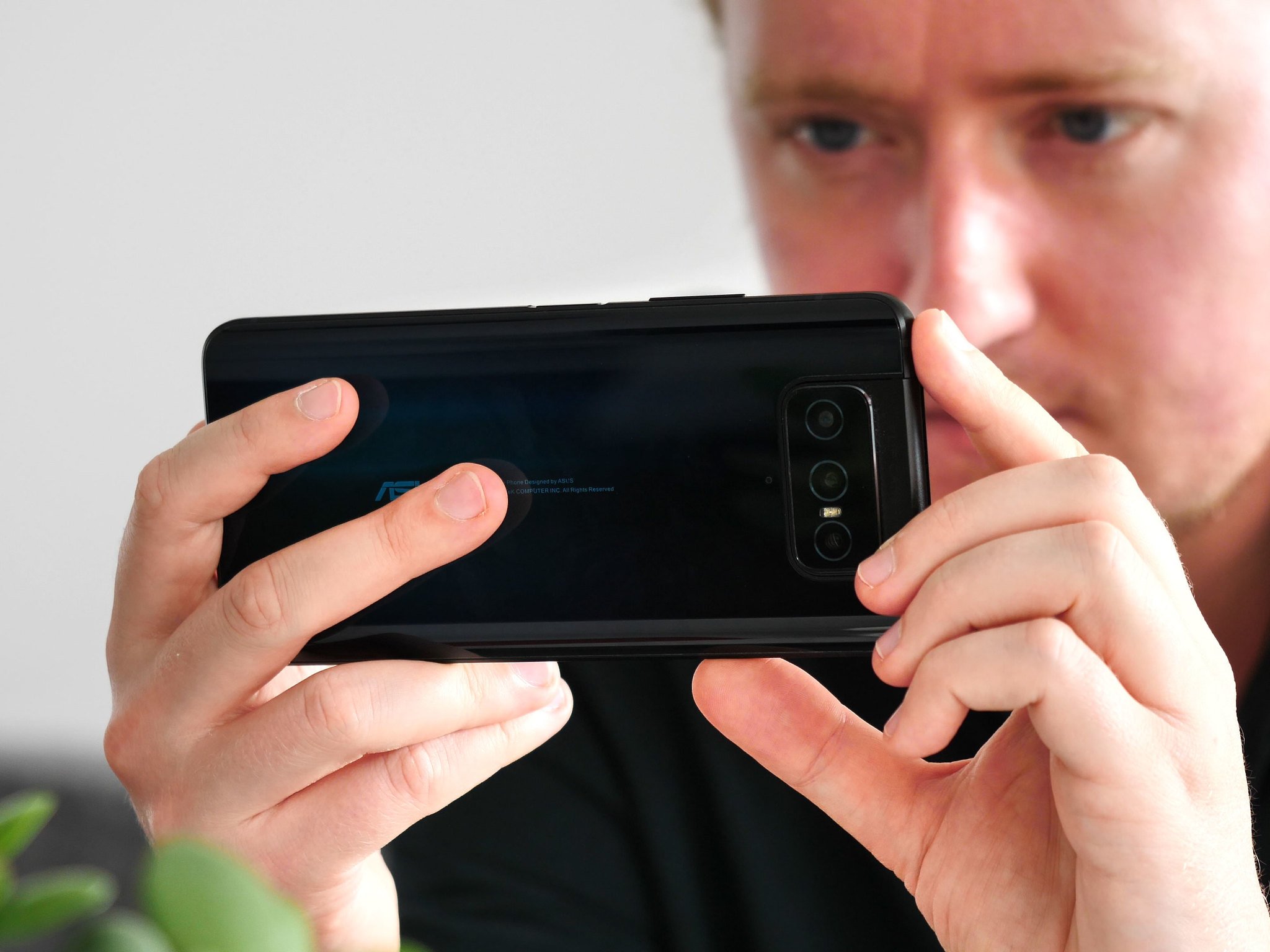
A big reason for the ZenFone's hefty proportions is the flip camera module that you'll usually find tucked into the back of the chassis. When docked, it's able to masquerade as a regular triple-camera module. But when it springs to life, the motor flips all three around to point at your face. Ideal for selfies, but a little goofy looking if you're recording an Instagram story or sitting in on a Zoom call. (I'll take occasional goofiness over a hole-punch or notch, for what it's worth.)

In fact, my biggest pet peeve with the flip camera is how much dust and lint it tends to attract — an inevitable consequence of the way it's built. The dust it attracts never got in the way of photos but did end up looking a little unsightly when first removed from a pocket.

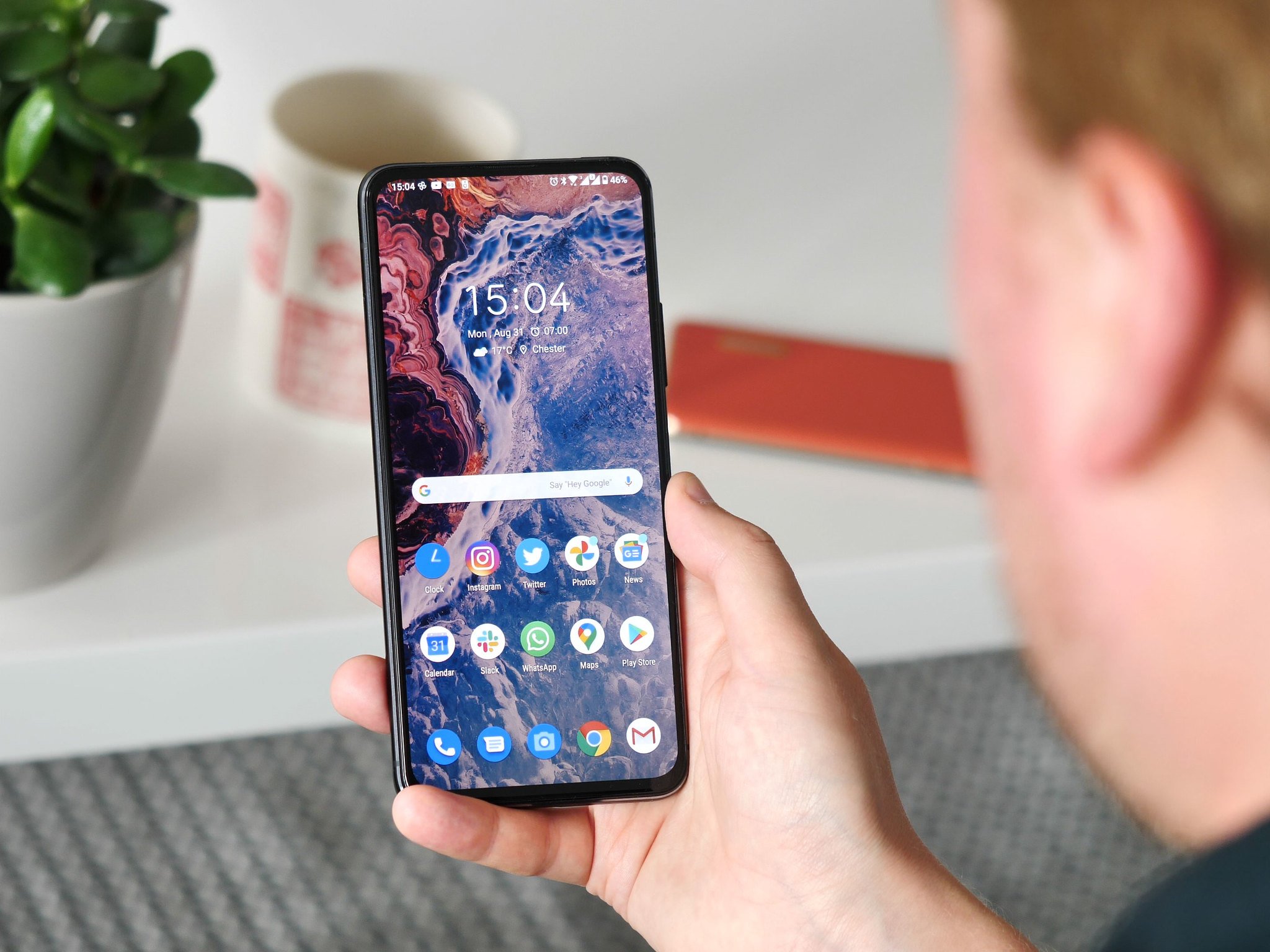
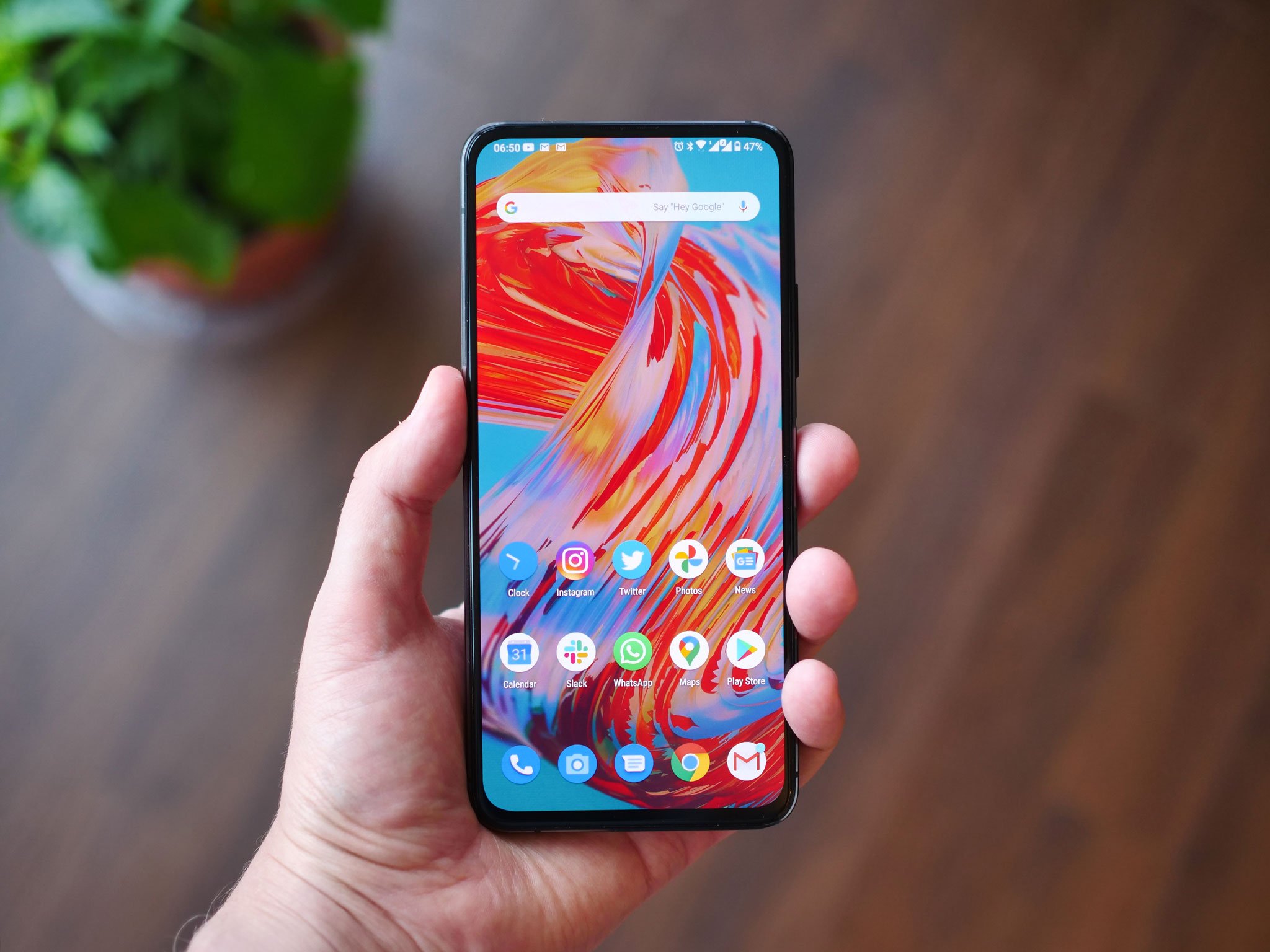
Around the front, you'll immediately notice one of the major benefits of the flip camera, even when you're not taking photos. The 6.67-inch 90Hz Full HD+ display is unblemished by neither hole-punch nor notch, with the symmetry of the display broken only by a slight "chin" area down below. Like the ZenFone 6, the new model packs an impressive 92% screen-to-body ratio, though with a larger display diagonal.

The screen itself is also much improved compared to last year. For starters, it's an AMOLED panel, which enables features like Ambient Display, and reduces power consumption with darker colors. Daylight visibility is also much improved, and the bump up to a 90Hz refresh rate is a welcome upgrade. It's not as fast (on paper) as the many 120Hz flagships out there, but in day-to-day use, you're not going to notice the difference.

I'm not sure if I'd rank it as highly as the Oppo Find X2 Pro or Galaxy Note 20 Ultra, but I've had no complaints in day-to-day use — and after all, this isn't a €1000 phone.

Although you might expect one in a phone at this price point, there's no in-screen fingerprint sensor in the new ZenFone. Instead, the capacitive fingerprint scanner is now built into the power button on the side of the device. That was a source of concern for me at first, but I've found it works far more reliably than the frustrating side-mounted sensor of the Sony Xperia 1 II. Although the sensor is slim, neither speed nor accuracy have been a problem.

ASUS ZenFone 7 Pro Specs

Category Features
Display 6.67-inch Full HD+ AMOLED all-screen display, 92% screen-to-body ratio, 20:9 aspect ratio, 90Hz refresh rate, 1ms response time, 200Hz touch sampling rate, 110% DCI-P3 color space, Delta E<1 color accuracy
CPU Qualcomm Snapdragon 865+ 5G Mobile Platform
GPU Qualcomm Adreno 650
RAM/ROM LPDDR5 8GB RAM, UFS 3.1 256GB
Wide Camera 64MP Sony IMX686 flagship sensor, Quad Bayer Technology, F1.8, 0.8/1.6-micron effective pixel size, 1/1.73" 2x1 OCL PDAF, OIS, Dual LED Flash
Ultrawide Camera 12MP Sony IMX363 flagship sensor, 113-degree ultrawide F2.2 DualPDAF front, and rear real-time distortion correction.
Telephoto Camera 3X optical zoom, up to 12X total zoom, OIS, supports seamless transitions between cameras while recording
Video recording Up to 8K@30fps with EIS for main camera
Up to 4K@60fps for secondary camera
Battery 5,000mAh, Quick Charge 4.0
Wireless WiFi 6, Bluetooth 5.1, Qualcomm aptX Adaptive, Wi-Fi Direct, NFC
SIM/SD slots Triple slots, 5G+4G or 4G dual-SIM / dual-standby support
Slot 1: 5G/4G/3G/2G Nano SIM Card
Slot 2: 5G/4G/3G/2G Nano SIM Card
Slot 3: Supports up to 2TB microSD card
OS Android 10
NFC Available
Audio Dual speakers with dual smart amplifiers
NXP TFA9874 smart amplifier
Triple microphones with ASUS noise reduction technology
Color Aurora Black, Pastel White
Dimensions 165 x 77.28 x 9.9 mm
Weight 230g

On the inside, it's standard 2020 Android flagship fare, with a Snapdragon 865+ processor paired with 8GB of RAM and 256GB of storage. That storage is expandable via microSD, and thanks to ASUS's use of a dual SIM + SD slot, you can use a microSD even when two SIMs are also inserted. Being a Snapdragon 865+ device, 5G support is included and works in dual-SIM mode (though only one SIM can have a 5G connection at any one time — you're limited to 4G on the secondary slot.)

What's more, as you'd expect from such a generously proportioned handset, there's an appropriately capacious 5,000mAh battery lurking within, backed up by 30W wired charging. More on that later.

A generous loadout of specs, capped off by a capacious battery.

With that said, let's move onto a couple of significant hardware compromises: First, there no 3.5mm headphone jack — not exactly uncommon but noteworthy. And, because of the unique flip camera, the ZenFone 7 Pro isn't water-resistant and has no IP rating. And there's no gasket around the SIM tray either, so you'll want to be careful around sinks, pools, and other sources of water with this phone.

That's not to say the ZenFone 7 Pro is fragile, though. Its flip camera has a new and redesigned motor, which in addition to being smoother, is rated at up to 200,000 rotations, or more than 100 flips per day for five and a half years. (That's double the 100,000 rotation rating of the ZenFone 6.)

ASUS ZenFone 7 Pro Software and battery life

ASUS's ZenUI underwent a major overhaul last year, pivoting hard towards stock Android and away from the general goofiness and iOS clonery of previous versions. That stock look and feel hasn't gone anywhere in version 7, but ASUS has added more helpful tweaks to its software loadout with this latest release. The quick settings panel, for instance, is easier to use with one hand, and extra functionality has been added to the volume menu.

Plus, the power key can now be programmed to launch apps or perform other functions with a long press or double-tap; I've had them set to launch Google Pay and the Camera, respectively. (If you set a shortcut for long press, you can access the power menu through a shortcut in the notification shade.)

Meanwhile, the move to an AMOLED display brings with it an Always On Display feature, which works just the same as stock Android, with incoming notifications flashing up. Google's Android Messages app is the bundled text messenger, and the phone also supports the Google Phone app if downloaded from Google Play — useful if you want Google's caller ID and spam detection features.

Mostly, ASUS's software just gets out of the way, feels fast, looks pleasant, and is a delight to use as a result.

The only software caveat is that this phone has the misfortune of launching on Android 10 just days before the expected Android 11 stable release. ASUS isn't committing to any firm date for stable Android 11, though it's currently starting a beta program for ZenFone 6 owners.

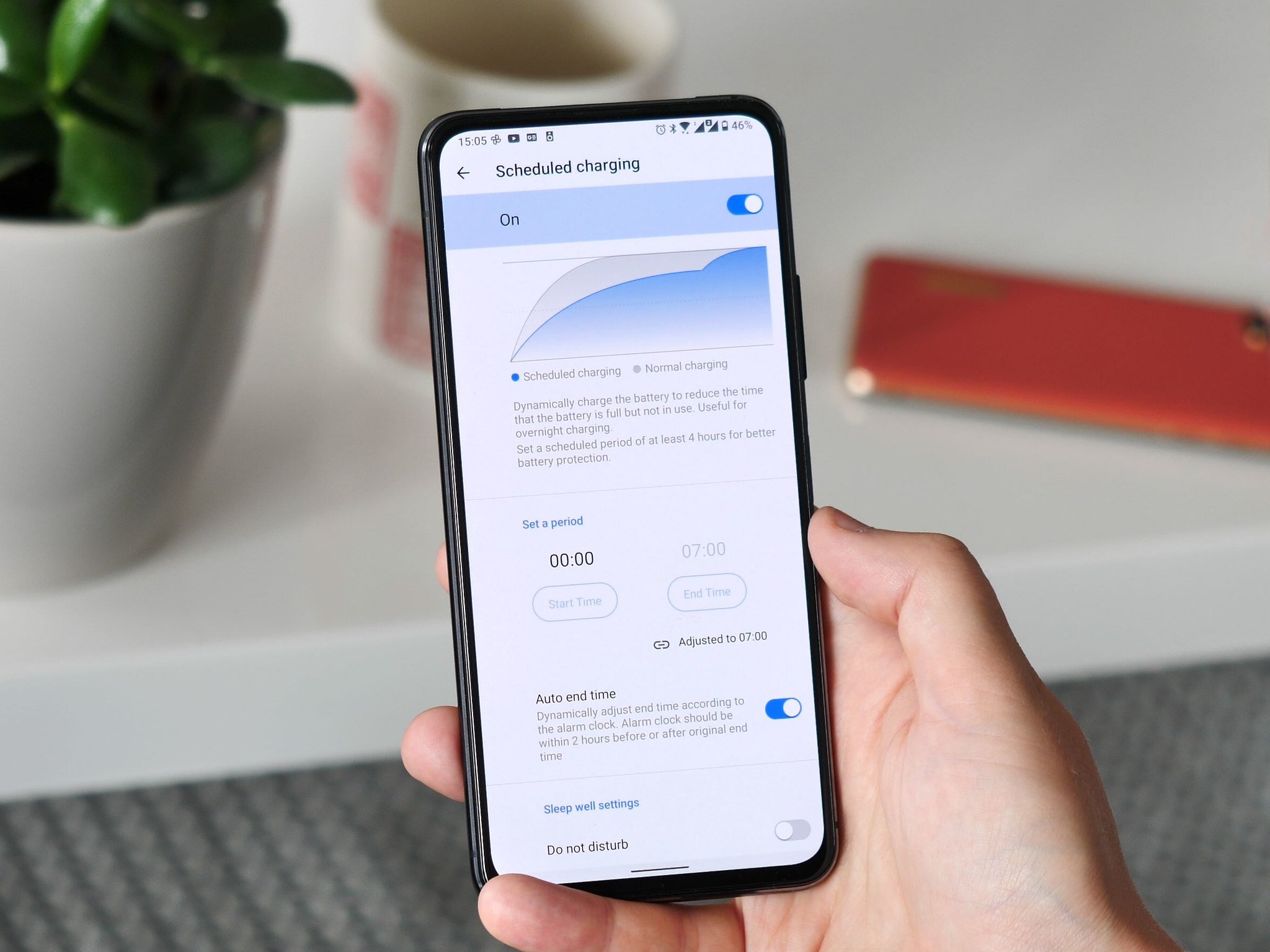
All the battery health software features we first saw on the ROG Phone 3 are present, including the ability to schedule slower charging times overnight to improve long-term battery health. Better charging habits can help dramatically improve your battery's longevity over time, so it's great to see software features designed to nudge us in the right direction.

A 5,000mAh battery delivers expectedly reliable all-day longevity.

Fresh out of the box, I've been pretty impressed with the ZenFone's battery life. On the pre-release firmware I've been using, I've been easily getting through a full day with up to six hours of screen-on time if I push the phone hard. Most days, I'd have between 50 and 25 percent left in the tank at bedtime, and the only way I was able to kill it off in less than a day was with constant photo and video and LTE data usage. On one particularly photo-heavy day, when I ended up shooting more than 300 pics, I was reaching for the charging cable by around 8 pm.

A note on battery life

Around 24 hours before this review was due to go live, ASUS dropped a software update designed to address a bug with standby battery life. My standby time has been perfectly fine even on the old firmware, but we'll update this review if we notice significantly improved longevity on the new firmware.

ASUS ZenFone 7 Pro Cameras

Before we get stuck into the nitty-gritty camera hardware details, let's catch up on the central premise of the ZenFone 7 Pro. You've got three cameras on the back and zero on the front — because when you need a front-facing camera, the three main cameras just flip around to point at your face.

That's the genius of the flip camera: There's no need for an unsightly notch or cutout to fit in extra selfie cameras. And as a bonus, you get better quality selfies than just about any other phone because you're using the same high-quality cameras you use for regular photography. Selfie cameras typically don't perform anywhere near as well as your phone's rear cameras, especially in darker or more challenging lighting conditions.

With upgraded sensors and lenses, the ZenFone's flip camera makes its predecessor look like amateur hour.

This year ASUS has made some pretty considerable upgrades to its Flip Camera. There's a 3X telephoto, notably missing from the ZenFone 6, with optical stabilization. OIS has also been added to the main camera, which now uses Sony's beefy new 64-megapixel IMX686 sensor. And the ultrawide gets an upgrade to the 12-megapixel IMX363, a.k.a. the main sensor from the Google Pixel 4, though without OIS.

The new, large sensor performs excellently across just the board, whether in low light using the ASUS Night Mode or in high-contrast situations with a lot of backlighting. This is every bit a flagship-tier main camera — extremely versatile, with that 64MP sensor taking 16-megapixel photos by default, with an equivalent pixel size of 1.6 microns. That means, compared to something like the OnePlus 8 Pro or Galaxy S20, you're trading a little extra low-light performance for a little extra resolution. The sensor's also large enough that in close-ups, you'll get a nice bit of natural bokeh.

Having a sensor like this, backed up by flagship-level photo processing, is a revelation for front-facing photography. Low-light performance is the obvious benefit of taking selfies with your main sensor. Optical stabilization is still rare in selfie cameras, after all. But also things like autofocus — no need to worry about awkward fixed-focus selfie cameras that make you look just a little bit out of focus.

The nature of the Flip Camera also means you can take advantage of ASUS's improved video capabilities, whether you're shooting from the front, rear, or anywhere in between. The main sensor supports up to 8K recording with EIS 30fps, while the others cap out at 4K60.

The ZenFone 7 Pro has probably the best and certainly most versatile selfie setup of any smartphone.

The ultrawide camera not only gives you more space for scenery or friends but does so without compromising image quality. Once again, it delivers luxuries like autofocus, which are rare even in primary selfie cameras.

The ultrawide also performs well across the board, with minimal distortion around the edge of the frame, and a 113-degree field of view that's great at capturing a wider view of what's in front of you. The lack of OIS means low-light performance is weaker, but the relatively large 1.4-micron pixels and ASUS's software processing go a way towards compensating for this.

I wasn't expecting much from the 8MP 3X telephoto, but I came away pleasantly surprised. Obviously, this is no periscope telephoto camera, so diminishing returns are going to kick in after around 5X. But you can still make out plenty of fine detail on these wine bottles in this shot taken at around 6-7X.

By the way, yes, you can absolutely use the telephoto for selfies too, but I'm not sure why you'd want to unless you really like your face filling the entire frame.

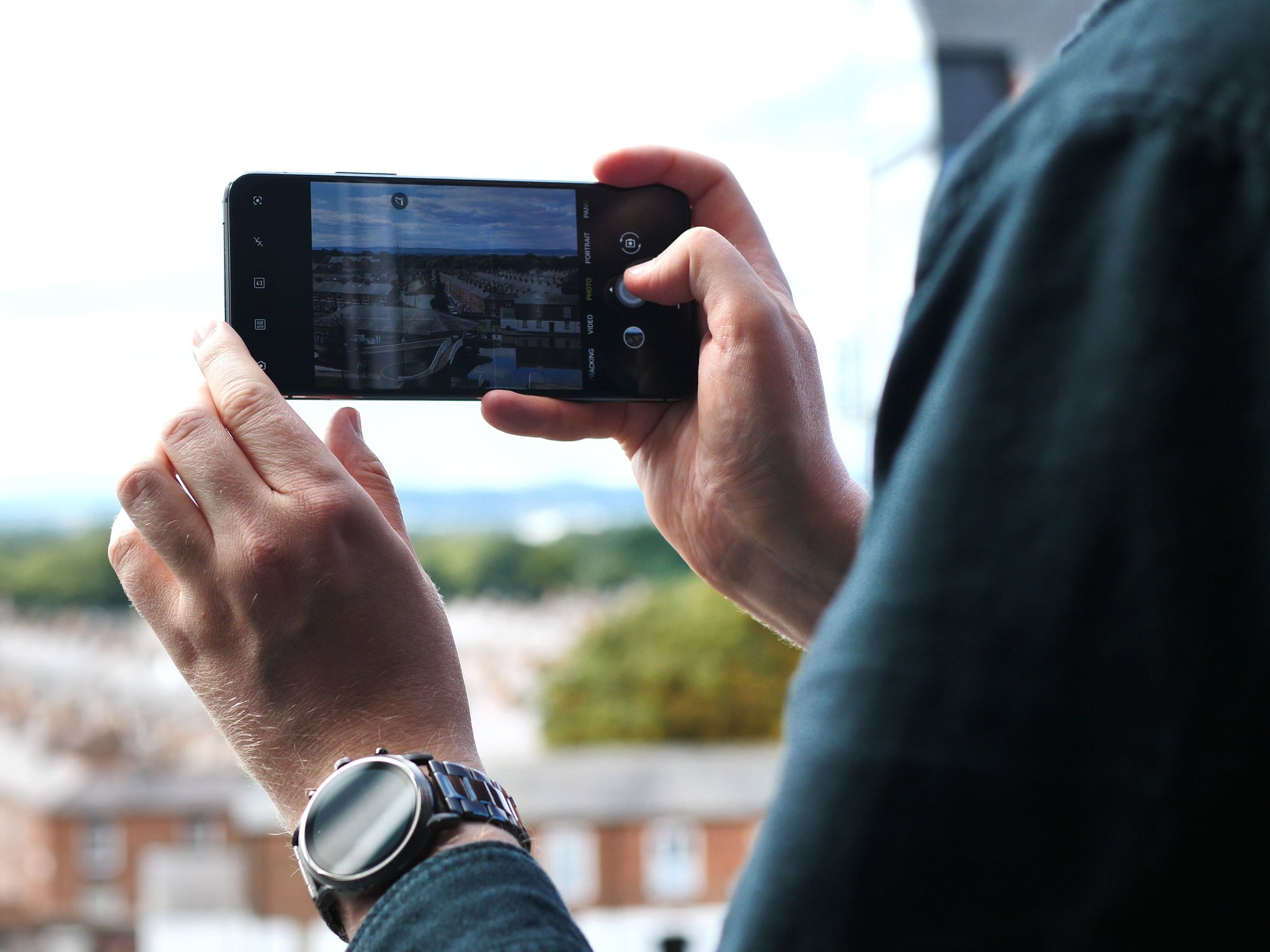
The flip camera isn't just useful for front or rear-facing shots. You can stop the camera at any angle in between the two, and even save three presets within the camera app for quick access. So if you want to quickly switch to a 90-degree angle to frame up pets without spooking them, that's really easy to do and extremely super useful if you want a low perspective of a scene without getting down on your hands and knees.

What's more, because of ASUS's floating control panel feature, you can also use this in third-party camera apps and social network apps too.

All of which makes for a fun and versatile camera setup that's going to be especially appealing to anyone who takes a lot of selfies.

ASUS ZenFone 7 Pro: The competition

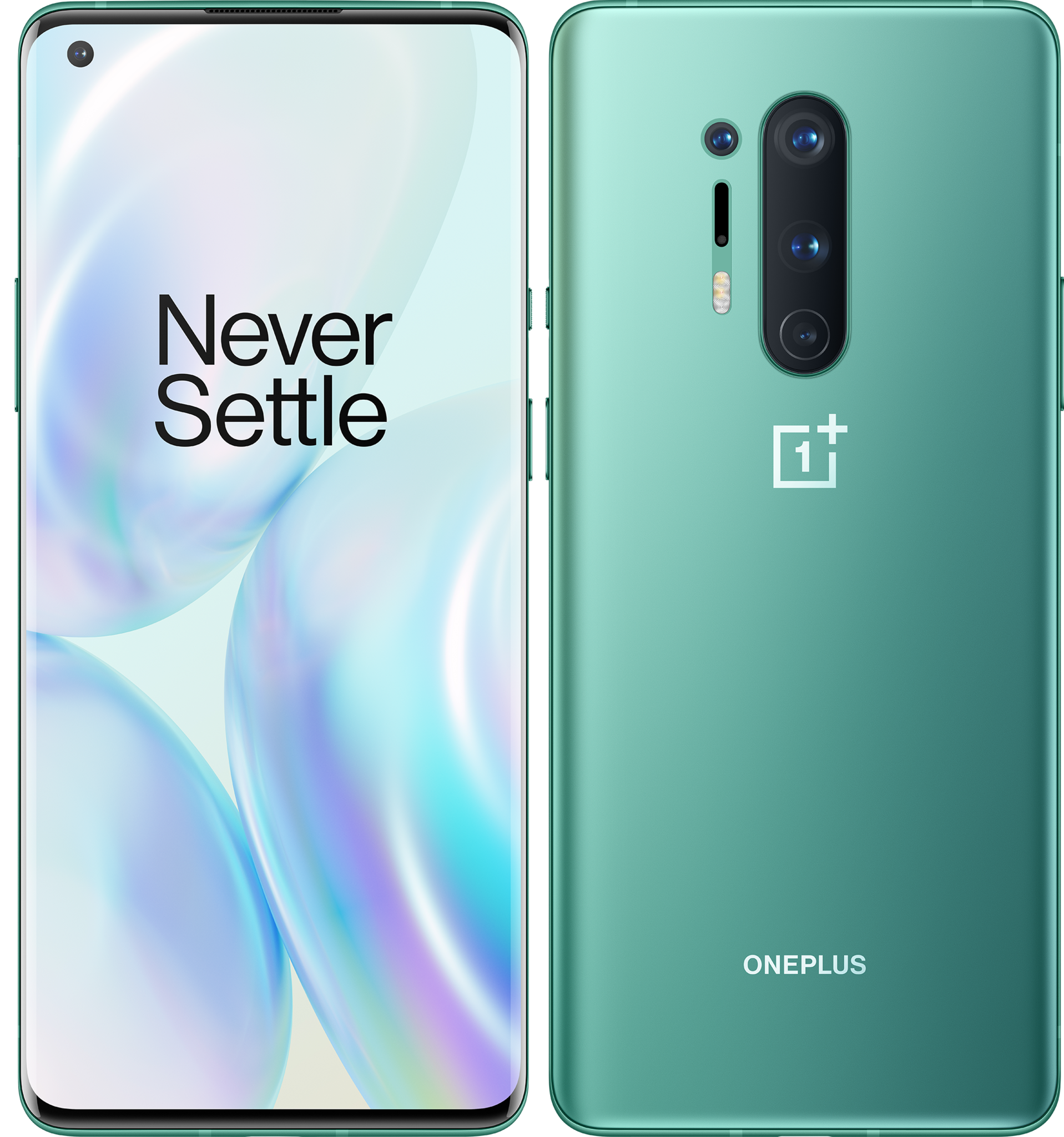
With an enthusiast focus and a €899 price in Europe, the ZenFone 7 Pro's major rivals is the OnePlus 8 Pro. OnePlus's flagship has a similar-sized screen but with smaller bezels, a curved panel, a higher resolution, and a 120Hz refresh rate. OnePlus is also famed for its lightweight Android software, though that's about to change soon with a radical redesign in OxygenOS 11. While the 8 Pro's camera can outperform ASUS in low light, the front-facing shooter can't match the performance of the ZenFone's flip camera. On the other hand, OnePlus's phone might be a safer bet for buyers wanting features like wireless charging and water resistance.


Two safer options: the OnePlus 8 Pro or Galaxy S20+

Looking further afield, Samsung's Galaxy S20+ can also be found discounted to around this price and shares a lot in common with the OnePlus 8 Pro. Samsung has traditionally been a safer bet, and with the S20+, you'll get a faster 120Hz display and a more attractive, lightweight chassis and table-stakes features like wireless charging and IP68 water and dust resistance. Camera performance should be close between the two models, but obviously, you also can't flip around Samsung's cameras and point them at your face. Plus, the Galaxy S20+ has a smaller battery and weaker battery life, especially in territories where the phone uses Samsung's own Exynos processor.

Both can be seen as safer options than the ZenFone 7 Pro, but neither can offer its unique camera setup nor match its battery life.

ASUS ZenFone 7 Pro Should you buy it?

Who it's for

  • Big selfie-takers (and anyone who appreciates great photos in general)
  • Someone who needs long battery life
  • Fans of fast, clean stock Android software

Who it's not for

  • Anyone who needs water resistance
  • Anyone who finds big phones unwieldy

The ZenFone 7 Pro has far fewer compromises than its predecessor, making it easier to enjoy the things that make it stand out: The borderless display, great battery life, and versatile photo experience that the flip camera enables. But there are a few bumps in the road that may give pause to would-be buyers.

4 out of 5

First, the phone is big, slippery, and heavy, and that's going to be a deal-breaker for some people. And weighing in at 230 grams, it's not far from true behemoth phones like the Galaxy S20 Ultra. Likewise, the nature of the flip camera's hardware means water resistance is out of reach — for now. If your job means you're frequently around water, or you just don't want to chance an expensive smartphone without the security of an IP rating, this could be a hard sell.

Fun selfies and creative camera tricks will cost you wireless charging and water resistance.

Plus, if you've already invested in a lot of wireless chargers, they're not going to be of much use here.

But for me personally, those are trade-offs I can live with in exchange for ASUS's great software, the ZenFone's solid battery life, and the versatility and quality of the new flip camera.

Overall, the ASUS ZenFone 7 Pro is a substantial upgrade to the ZenFone 6. It isn't dramatically different — and some necessary hardware compromises remain — but the execution of all the ideas that made the ZenFone 6 unique has been much improved. The upgrades are mainly incremental but targeted in the areas that make the most sense — particularly the cameras, which are the star attraction of this phone. Other improvements like the 90Hz display, 5G connectivity, and faster charging, make the ZenFone more competitive in the very crowded Android flagship space.

And with a Western price point that's breathing right down OnePlus's neck, the ZenFone 7 Pro is 100 percent worth your consideration and your cash — especially if you value great battery life and the best selfie-taking experience around.

Bottom line: If you can get over the ZenFone 7 Pro's lack of a couple of hardware features — like water resistance and wireless charging — you'll find an excellent, highly capable mobile photography machine backed up by reliable longevity and pleasant software. The value proposition is different compared to rivals like the OnePlus 8 Pro, but the ZenFone 7 Pro is no less compelling.

See at ASUS

This could be our first look at the OnePlus 8T

The phone's tech specs, however, still remain a mystery.

What you need to know

  • A render of OnePlus' next flagship phone has been found in the latest Android 11 Developer Preview for the OnePlus 8 series.
  • The render suggests the OnePlus 8T will look just like the current OnePlus 8, at least from the front.
  • The OnePlus 8T is rumored to come with Qualcomm's latest Snapdragon 865+ chipset and a 64MP primary camera.

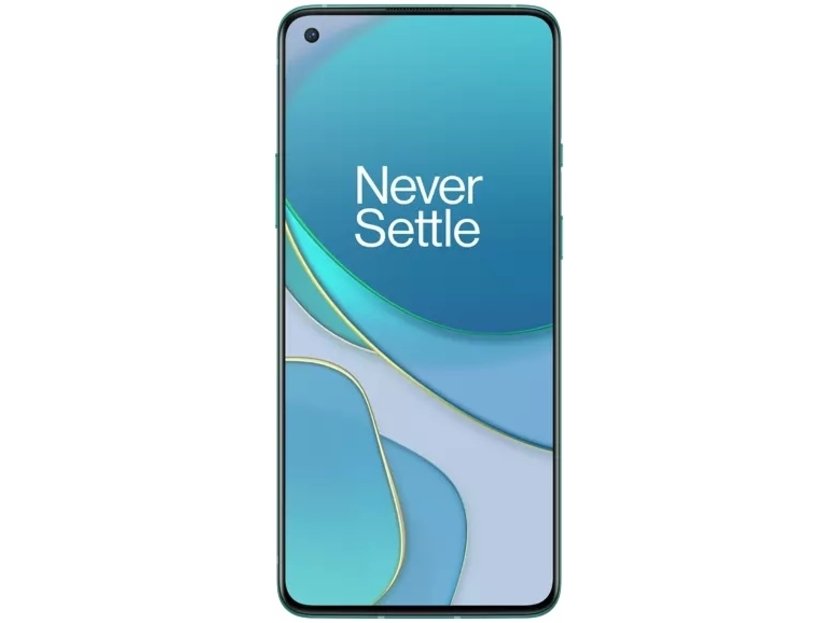
OnePlus' next flagship phones may not look very different from the company's current OnePlus 8 and 8 Pro models. A render of the upcoming OnePlus 8T has been found in the fourth Android 11 Developer Preview for the OnePlus 8 series.

The leaked render reveals the design of the upcoming OnePlus 8T from the front, which appears to be nearly identical to the current OnePlus 8. It features a tiny hole-punch cutout in the top-left corner of the display with slim bezels all around. OnePlus doesn't usually introduce major design changes with its T series flagships, so it isn't surprising that the OnePlus 8T looks fairly similar to its predecessor.

OnePlus' 8T series phones are expected to feature Qualcomm's latest Snapdragon 865+ processor, paired with at least 8GB of RAM and 128GB storage. In the camera department, the OnePlus 8T and 8T Pro phones are rumored to come equipped with 64MP primary sensors.

While there is no word yet on exactly when the OnePlus 8T series will be announced, we expect the duo to arrive sometime in the fourth quarter of the year. The OnePlus 7T series was launched in October last year, while the 6T and 5T series made their debut in November.

Get More OnePlus 8

OnePlus 8 & 8 Pro

OnePlus 8 from $699 OnePlus 8 Pro from $899

Senin, 31 Agustus 2020

How to watch Red Rocks Unpaused: Stream Visible's virtual festival anywhere

Virtual concerts are on the rise to becoming the next big thing. With traditional concerts cancelled around the globe for the time being, virtual events are giving fans the chance to see their favorite artists perform live like never before. The technology presenting these shows is improving rapidly, and Visible's Red Rocks Unpaused festival is sure to be one of the coolest virtual concerts so far.

Held at the gorgeous Red Rocks ampitheater in Colorado, audiences will be treated to three nights of live performances under the starry night sky. Rather than just giving you a front row, Visible's Red Rocks Unpaused is bringing virtual festivals to the next level with features that let you control the show from home! And did we mention it's entirely free?

Visible is improving the virtual concert experience with several new features. For instance, audience members can help set off pyrotechnics, switch their camera view, affect the show's lighting with their voice, and even vote on the final encore song the performer plays. You'll also be able to leave chat messages which will be displayed on the faces of the Red Rocks for the musicians to see as they perform.

Not only is the event free, but Visible is also sending out free merch to those who RSVP for the event. Along with a free shirt and hat, you could receive a promo code for 50% off Visible's affordable phone plans and a free 1-week trial of the service.

Red Rocks Unpaused by Visible: When and where

Red Rocks Unpaused begins on Tuesday, September 1 at 8PM MT / 10PM ET and will feature three nights of performances running through Thursday, September 3. To watch the show live, head to VisibleXRedRocks.com on your mobile device or computer; set times can be found below.

September 1

  • Phoebe Bridgers: 8PM MT
  • Nathaniel Rateliff & The Night Sweats: 9:30PM MT

September 2

  • Lil Baby: 8PM MT
  • Megan Thee Stallion: 9:30PM MT

September 3

  • Brett Young: 8PM MT
  • Sam Hunt: 9:30PM MT

How to watch Red Rocks Unpaused by Visible live stream

Visible is making it easy (and free) to watch the Red Rocks Unpaused virtual festival by simply heading to the Red Rocks Unpaused website once the show begins on September 1. However, if you have any trouble accessing the livestream due to your current location, you may need to sign up for a VPN service. This will help you bypass location restrictions on different websites to make it appear as if you're viewing that content from a country you've selected.

VPN services can be used on all of your devices, which means once you're a member you can unblock access to watch the event on your phone, tablet, or computer. ExpressVPN is one of our favorites if you're not sure which to choose.

ExpressVPN

See latest price at ExpressVPN

No matter where in the world you may be, a VPN is one of the easiest ways to watch Red Rocks Unpaused as it airs live. Get in on this deal now!