Appnext

Jumat, 31 Januari 2020

The Galaxy S20 might be my next phone if Samsung can fix its cameras

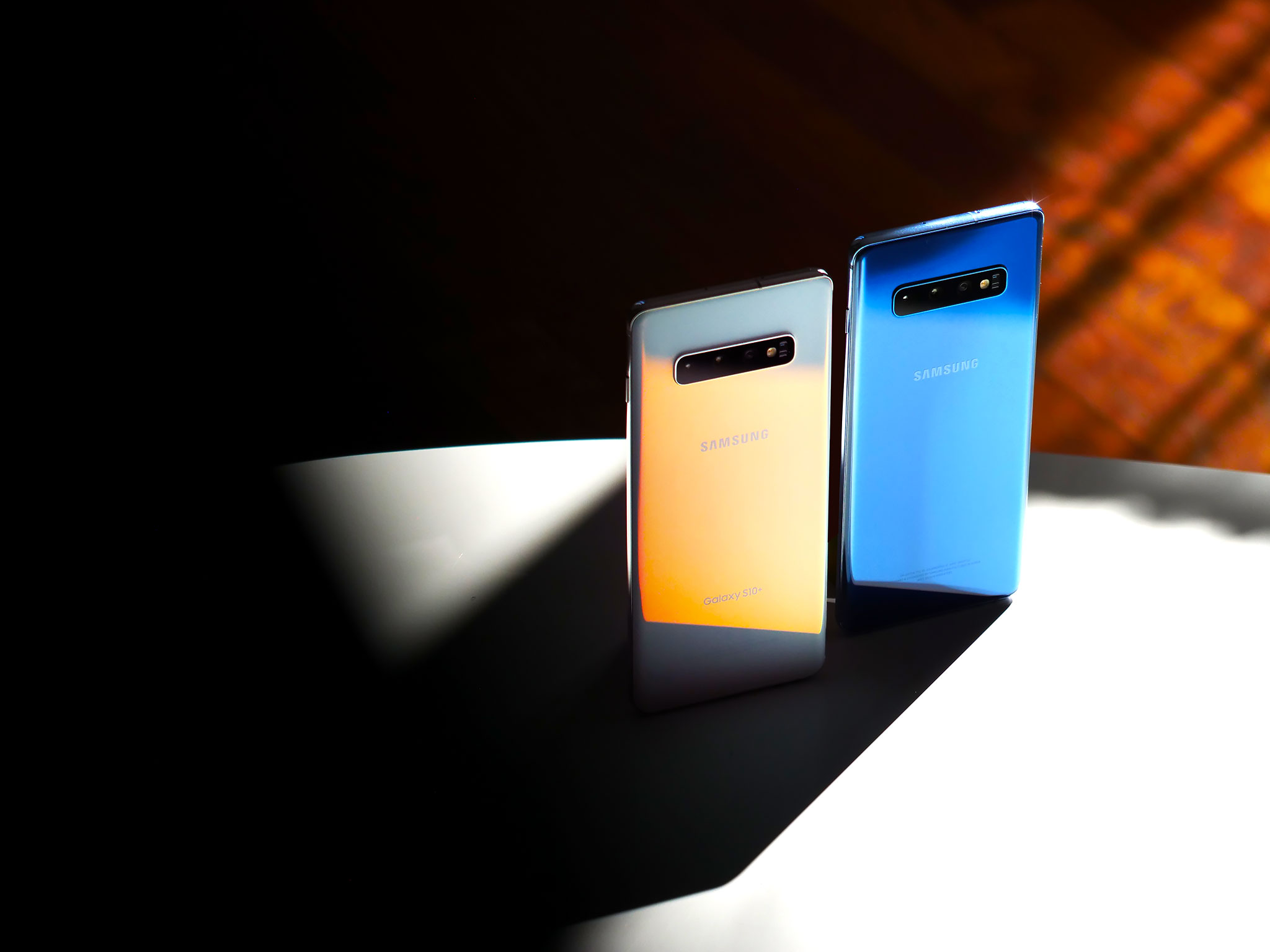
We're less than two weeks away from the official launch of the Galaxy S20, and if Samsung's previous flagships like the S10 and Note 10 are any indicator, it's going to be an absolutely phenomenal device — even if it isn't as unique and exciting as the Galaxy Z Flip that's launching alongside it.

Few other companies are able to consistently deliver in nearly every department that makes a phone great; hardware design, build quality, performance, battery life, software, and so on. The Galaxy Note 10 is still one of my favorite phones of 2019 for all of those reasons, but there's one thing I just don't at all enjoy about it.

It's the cameras. Samsung does a lot of things right, but its imaging hasn't changed much at all since the Galaxy S7, and it's fallen far behind the competition as a result.

I love the versatility of the triple-lens array on the S10 and Note 10 series, offering both ultrawide and telephoto cameras in addition to the primary sensor, and Samsung offers one of the most extensive manual shooting modes around. But the resulting images always end up far too saturated for my liking, and Samsung loves to up the shadows to the point where you start to lose contrast in your shot.

When we pitted the iPhone 11's cameras against those of Android flagships back in autumn, the Note 10 also performed terribly in low light compared to the iPhone 11 and Pixel 3. Samsung's low light shooting mode is essentially just a long exposure mode that produces messy, blurry handheld photos without any sort of progress indicator while you're shooting. Some people may prefer Samsung's over-processed look for daytime photos (and that's totally fine!), but its low light performance is objectively behind the competition.

The image processing will be a lot more important than the hardware.

That's not even mentioning the further strides other companies have made with their cameras, like Apple's Deep Fusion technology or Google's similar Semantic Segmentation, both of which analyze individual details in your shots and process different objects within a single photo differently.

If the rumors are true, Samsung is going to be updating its camera sensors pretty significantly with the Galaxy S20, bumping up to a 108MP primary sensor on the Ultra variant, backed up by a 48MP optical 10X telephoto and a 12MP ultrawide. You'll also be able to capture 8K video, which is more than even my professional camera can do, and Samsung should finally be including a manual video mode to give you more control over your shot.
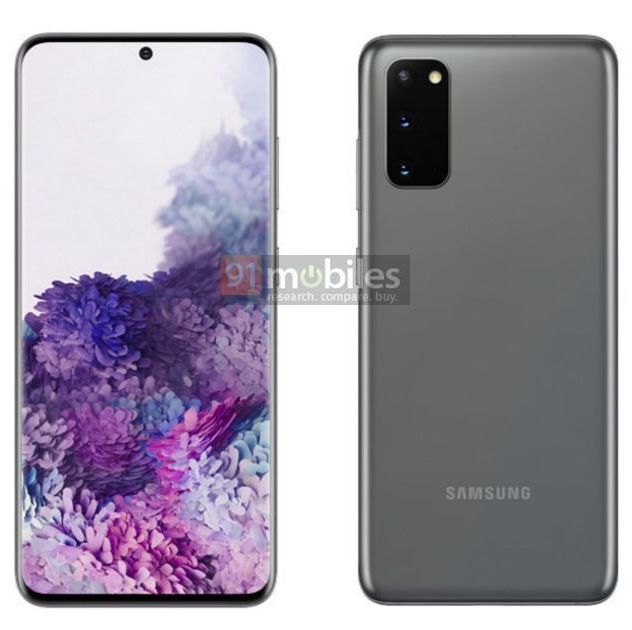
That's all exciting news, and I'm very interested in trying those cameras out for myself. Android, in general, has typically struggled with video more than anything, and this could potentially be the first phone to rival the iPhone in that regard (my Pixel 4 certainly doesn't). But I shoot a lot more photos with my phone than video, and I'm curious if this new hardware will yield better results — and more importantly, if the accompanying image processing will have improved along with it.

If that ends up being the case, the S20 could very well end up being my next phone (that is, assuming the Galaxy Z Flip doesn't win me over). Samsung's hardware is second to none at this point, and having everything from triple cameras to reverse wireless charging, a Snapdragon 865, and a 5000mAh battery that absolutely trounces the pitiful cell in the Pixel 4 I've been using.

The good news is, we don't have to wait much longer to figure all of this out for ourselves. The Galaxy S20 is launching at Samsung Unpacked on February 11, less than two weeks away. We'll be there, of course, and we'll be providing as much coverage as we can on everything Samsung announces.

Yesteryear's flagship today

Samsung Galaxy S10+

$798 at Amazon $800 at Best Buy

Still a fantastic phone

A year later, the Galaxy S10+ is still one of the best phones you can buy, with an incredible display, stunning hardware, and nearly every feature under the sun. The triple camera array gives you plenty of options while shooting, and the battery is big enough to last you through the day and more.

The PS5 desperately needs digital game gifting when it launches

PlayStation already made it harder to "gift" digital games by removing digital codes off of every storefront beside itself. Now it needs to enable digital game gifting natively through the PS5.

When the PlayStation 5 launches, it really needs to release with native digital game gifting through the PlayStation Store right out of the gate. Sony shouldn't live in Microsoft's shadow when it comes to features like this.

Sony has Microsoft easily beat when it comes to exclusive games, but Microsoft beats Sony in... just about everything else. Xbox has a better game subscription service (Xbox Game Pass), better online play (Xbox Live), better game streaming (xCloud), and it's ahead of the curve when it comes to digital game gifting. In contrast, the PS4 has no form of digital game gifting to speak of.

I'm not going to argue that game gifting on Xbox is perfect, because it's not. For whatever reason, games are still region-locked, so you can't gift a game to a person in another region from you. If you try to, they simply won't be able to play it. But some form of game gifting is still better than nothing.

Sony shouldn't live in Microsoft's shadow when it comes to features like this.

I've said it time and time again, but the future is more digital than ever. This is just common knowledge. It's the way things have been progressing for years, and will continue to do so. Physical media is on its way out, though I wouldn't necessarily say it's dying. It's not gone entirely — the world doesn't quite have the infrastructure for that just yet, as much as Google would like to think otherwise — it's just become increasingly less important. Its share of the revenue pie only gets smaller and smaller.

Sony's first-quarter financial results for 2019 proved this. Digital downloads accounted for 53% of full game sales on the platform. Personally, I can't remember the last time I bought a physical game on either Xbox or PlayStation. Out of the hundreds that I own, maybe a handful are physical. And I almost never play them.

If I had a physical disc sitting on my desk somewhere or under the television, I just didn't want to go and put it in my console. Yeah, you can chalk it up to laziness — and you wouldn't necessarily be wrong — but this is something I found a lot of people deal with. I'm much more inclined to sit on my couch and scroll through my digital library to find a game I want to play. In fact, this only made me play games more than before.
I used to be someone who loathed the idea of digital games. It's not that I thought they made me better, like some physical purist, but I liked the idea of having a tangible object in my hands. A digital library felt temporary. Unstable. Like Microsoft or Sony could wave their hands and it'd disappear at a moment's notice. I'm not nearly as paranoid as that now, and I realize that even if I have a physical disc, I don't technically own the game. I'm renting a license to use it, essentially. And with games now frequently needing to be connected to the internet in some form, there is never a guarantee that a physical disc will always work in the future.
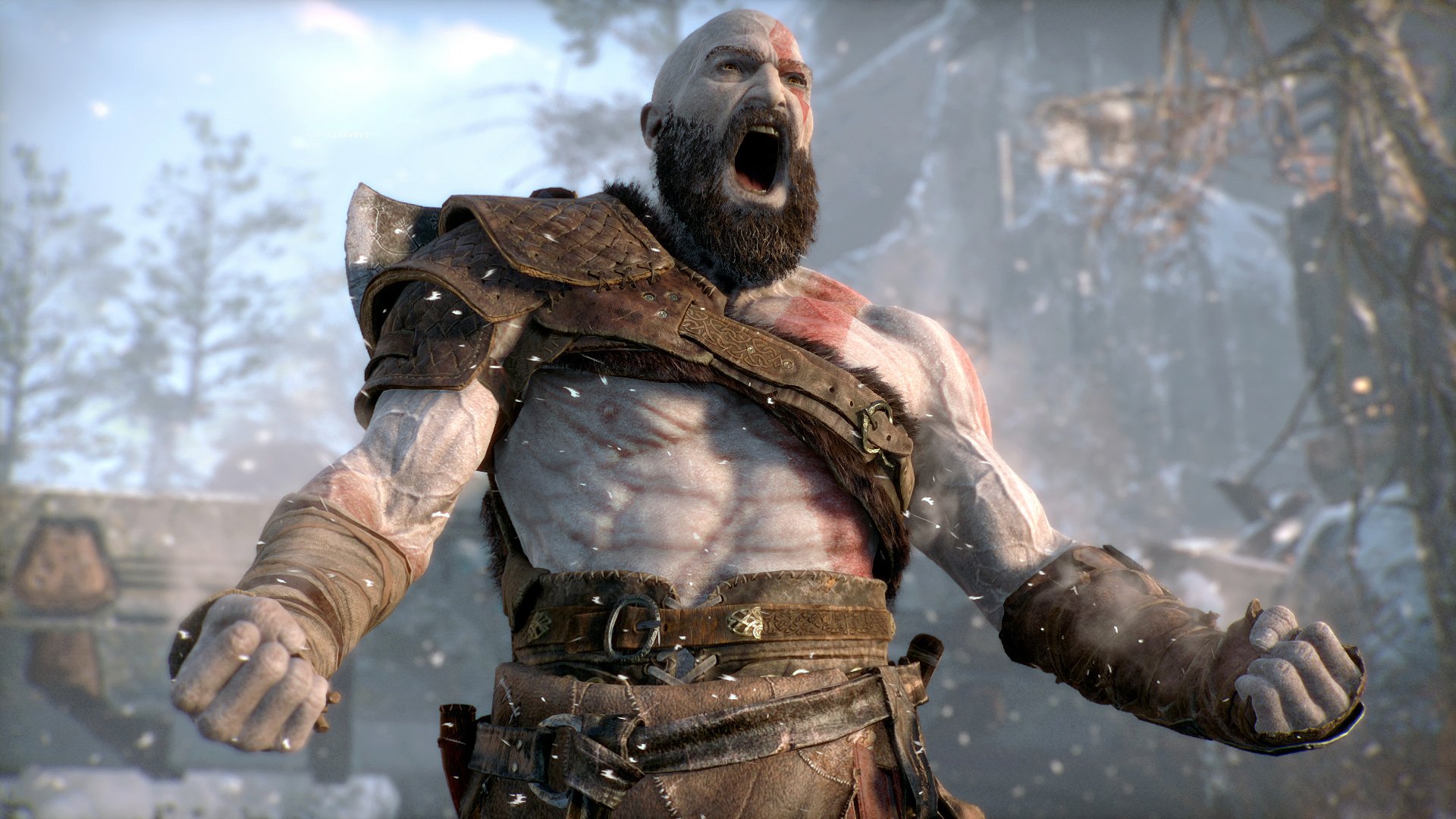
Getting back to digital game gifting, you can see why receiving a physical game would be an inconvenience for myself. I was given a physical copy of God of War for my PlayStation 4 in 2018 as a Christmas gift, and though it's one of my favorite games of all time, I can't help but wish I had gotten the digital version instead.

Another byproduct of us living in a digital age is that we're also more connected to the rest of the world. I know plenty of people living in other countries, including several coworkers. I can't as easily send them a gift if I wanted to ship a physical game, not to mention any import fees. Digital game gifting would be the perfect solution.

Sony, please make it happen. Digital game gifting needs to be a thing when the PS5 launches.

Get More PlayStation

Sony PlayStation

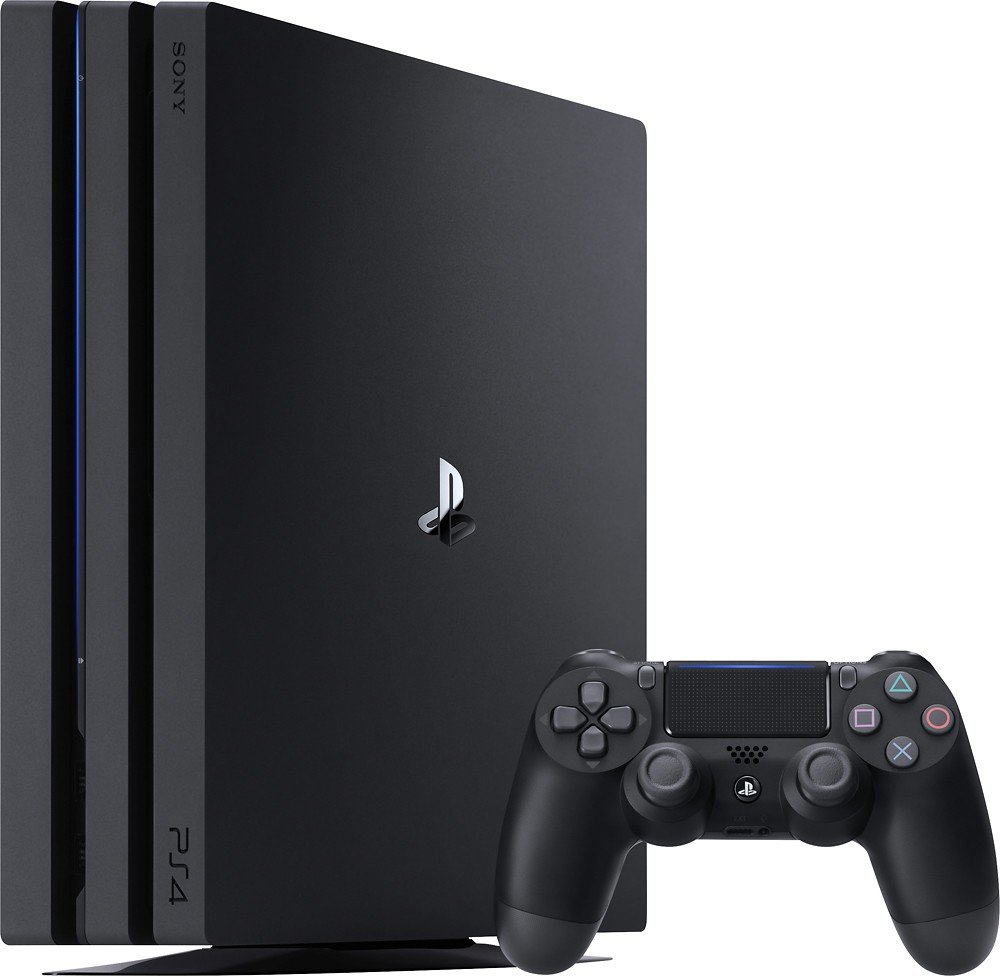
Playstation 4 Pro From $400 at Amazon Playstation 4 Slim From $300 at Amazon

How to see your downloaded music on Spotify

One of Spotify's best features for Premium members is the ability to save local copies of albums and playlists for offline playback. This is a great way to cut back on your monthly data usage, and of course, it lets you listen to your favorite songs without a data connection, which is particularly useful for frequent travelers. Unfortunately, Spotify doesn't make it immediately obvious how to find your locally stored music, so we're here to help.

Products used in this guide

How to find your downloaded music

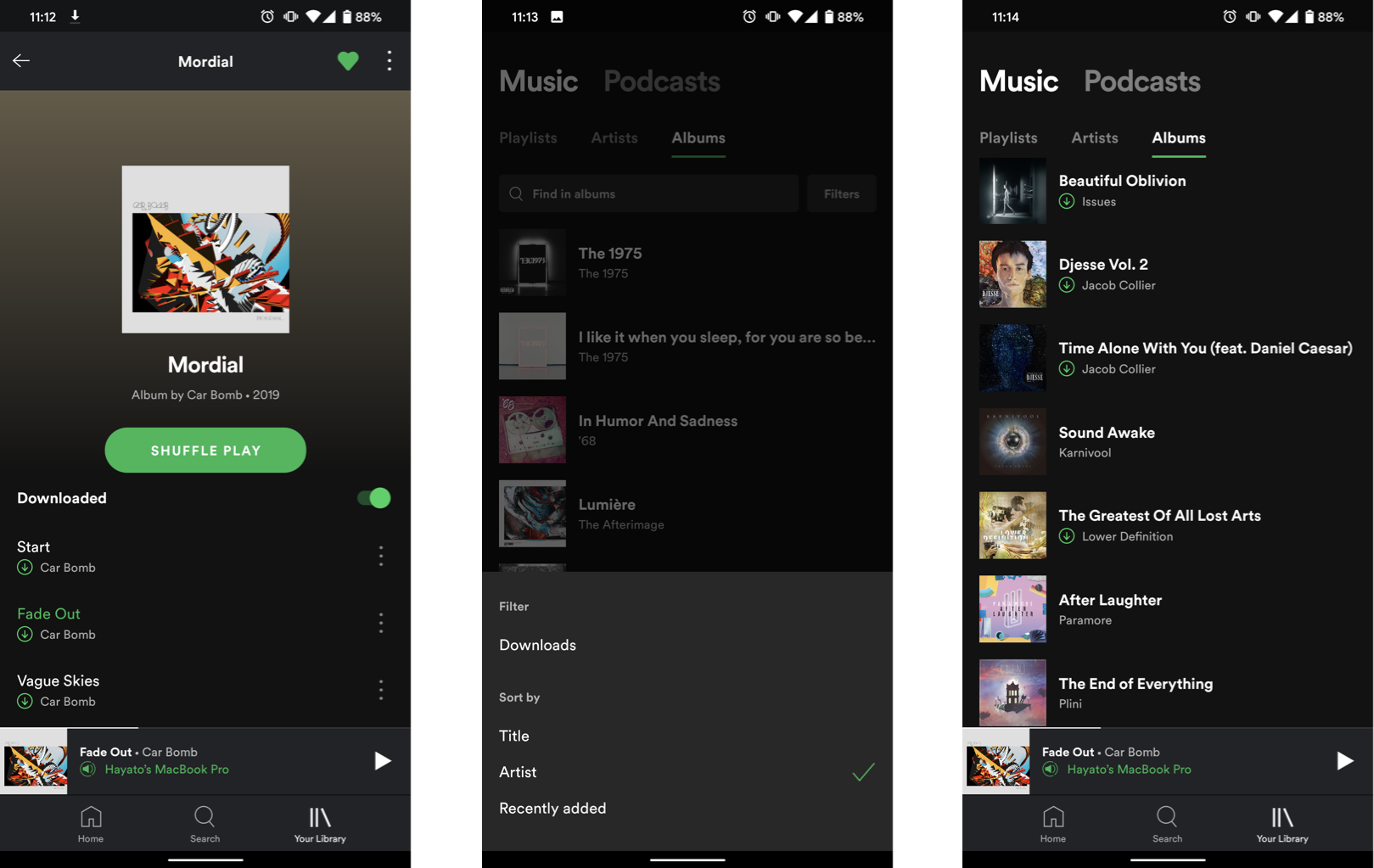
Downloading music for offline playback is easy; all you have to do is tap the Download button at the top of any album or playlist. Finding it is the hard part, since the default layouts just show your offline music interspersed between the rest of your Spotify library. The simple fix is to use filters to sort your library by downloads-only.

  1. Open Spotify.
  2. In the Your Library tab, open an album or playlist you want to save for offline playback.
  3. At the top of the track list, toggle the switch next to Download.

  4. Exit back out to the main Playlists or Albums view, then scroll down to reveal the search and filter tools.
  5. Tap Filters.
  6. Under Filter, tap Downloads.

That's it! From here on out, your Playlists and/or Albums view will only show tracks that you've saved for offline playback. You can use different filters in each view to make for a more streamlined process, i.e. setting Albums to only show Downloads but leaving Artists unfiltered so you can still find the rest of your library just as easily. Play around with the layout that works best for you, and don't forget to set your music to download in high quality if you have the storage space for it!
Products used in this guide

Pure Google

Pixel 4

$635 at Amazon $699 at Walmart

The best of Google's software and stereo speakers

The Pixel 4 has great-sounding speakers, making use of both its earpiece and bottom-firing loudspeaker to achieve a stereo effect. It doesn't have a headphone jack, but it works great with either Bluetooth or USB-C headphones.

Top streaming platform

Spotify Premium

$10/month at Spotify

Stream unlimited songs and podcasts ad-free

You can get access to Spotify's massive library of music and podcasts for free, but a Premium membership lets you download music for offline playback. It also allows you to listen without ads, and to skip as many tracks as you like.

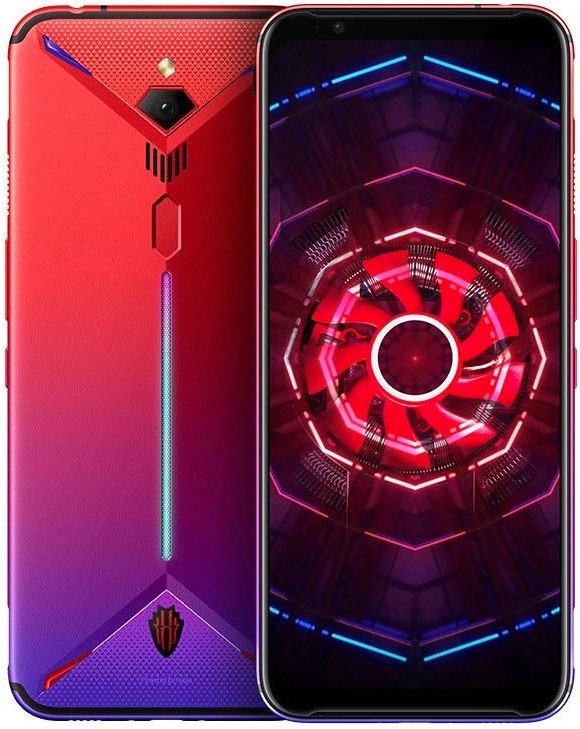
Nubia’s next flagship gaming phone will support 80W wired fast charging

It is also expected to be among the first phones to feature a 144Hz display.

What you need to know

  • Nubia president Ni Fei has hinted that the company's upcoming gaming smartphone will support 80W fast charging.
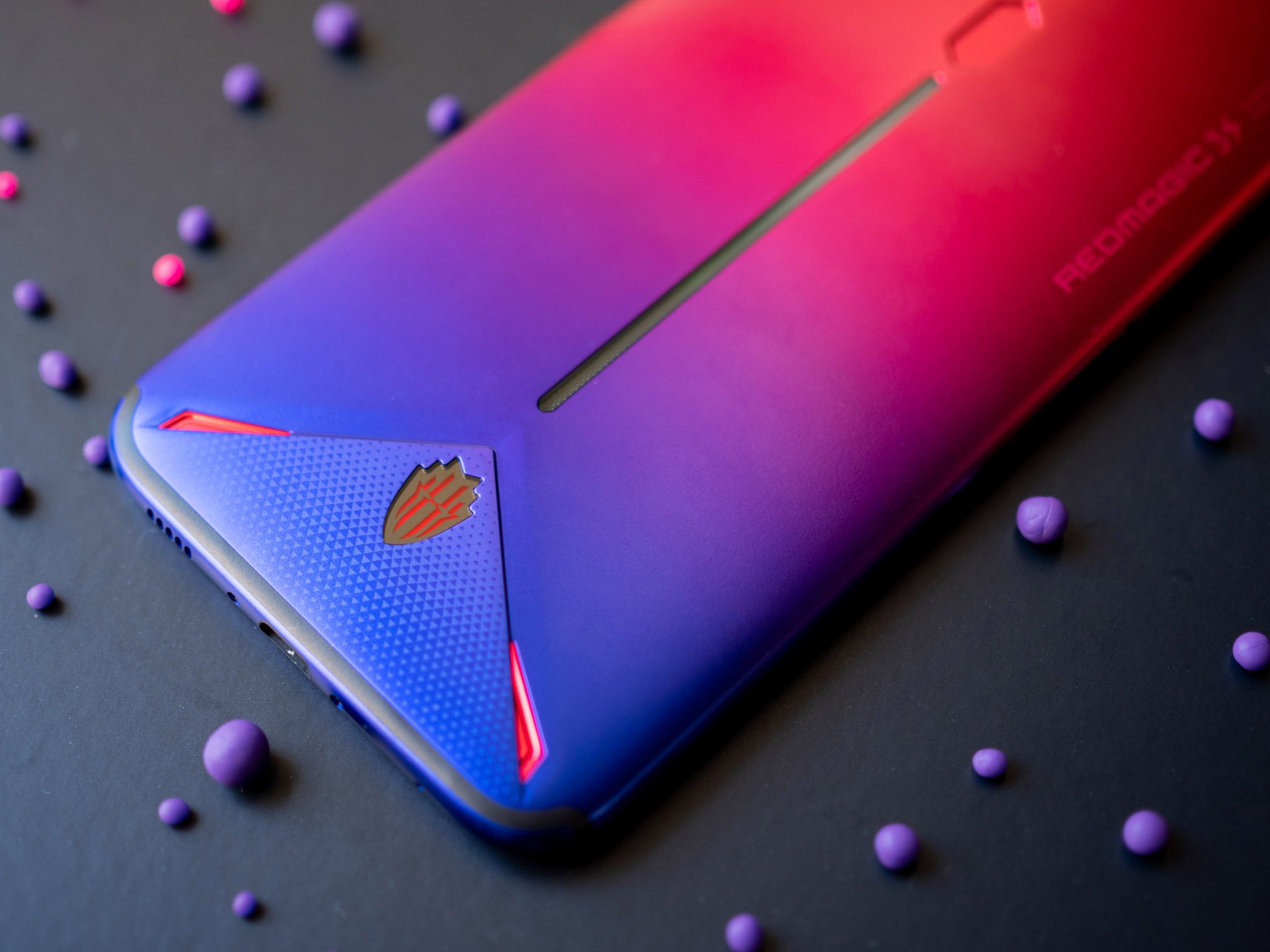
  • Expected to be called the Nubia Red Magic 5G, the upcoming phone will come with a 144Hz screen and Qualcomm's Snapdragon 865 chipset.
  • The current fast charging champion is OPPO's Reno Ace, which supports 65W charging speeds.

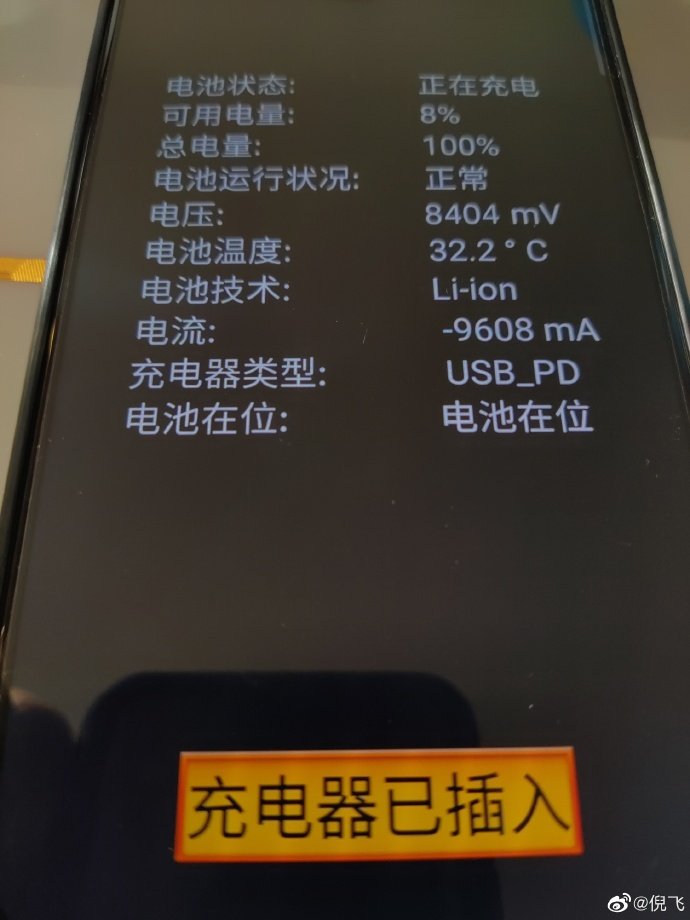
Nubia President and co-founder Ni Fei had revealed earlier this month that the company's next flagship gaming smartphone will come equipped with a 144Hz refresh rate screen. Fei today shared a new post on Weibo, revealing yet another key feature of the upcoming flagship.

The photo posted by Fei on Weibo shows an upcoming Nubia phone supporting 9.6A of charging current at 8.4 volts. This means the phone will offer 80W fast charging using the USB PD protocol. The phone shown in the photo is expected to debut as the Nubia Red Magic 5G sometime later this year.

OPPO's Reno Ace is currently the world's fastest charging smartphone, although Xiaomi's upcoming Mi 10 Pro is expected to soon snatch that title from it. The upcoming Xiaomi flagship will support up to 66W charging speeds. OPPO's upcoming flagship phone, the Find X2 is also likely to support the same 65W Super VOOC fast charging technology as the Reno Ace.

The Nubia Red Magic 5G will be powered by a Snapdragon 865 processor and sport a 144Hz display. Like the Nubia Red Magic 3S, the upcoming flagship is also likely to pack a massive battery.

Nubia Red Magic 3S

$479 at Nubia

The Red Magic 3S is a surprisingly good gaming smartphone that is powered by a fast Snapdragon 855+ processor and boasts an ultra-smooth 90Hz AMOLED display. Thanks to its massive 5,000mAh battery with 18W fast charging, you won't have to worry about running out of juice while playing games. You also get customizable Pro Triggers and an innovative cooling solution that combines liquid cooling with an internal fan.

The best action-packed games for Android!

There are so many awesome action games in the Google Play Store, it can be hard to sort the wheat from the chaff. But we've done the heavy lifting for you and after hundreds of hours of playing, we've rounded up the best action-packed games for Android that are worth checking out. Many of the games on this list are paid apps, which might give you pause, so you'll need to trust us when we say these games are well worth the initial investment. Plus, it's always good to support those teams developing great games for Android!

An epic RPG adventure

Death Road to Canada

Staff Pick

When you're going to be dropping money on a game, you're going to want to be sure it has good replay value. In that regard, Death Road To Canada is an outstanding choice. Facing a zombie apocalypse, you must lead a scrappy squad of somewhat interesting characters on a deadly mission to the relative safety of Canada. Along the way, you'll need to explore and loot places for supplies, while also managing your team's health and morale. Everything in Death Road to Canada is randomly generated, making every playthrough a unique experience in this road trip action-RPG.

$10 at Google Play Store

One-handed action

Fowlst

In Fowlst, you play as a loot-seeking owl that has somehow gotten itself stuck in Hell's underground labyrinth. Every time you play is its unique challenge because each chamber is randomly generated and filled with demons and other deadly traps to dodge deftly. With simple controls and near-endless gameplay, this is a tremendous retro-styled action game you can play with one hand.

$1 at Google Play Store

Carnival of Death

Penarium

Penarium is a tough-as-nails platformer created by Team 17, who you probably remember best from the Worms franchise. Whereas Worms was a slow-paced strategy game, Penarium is on the opposite end of the spectrum, featuring fast-paced action and requiring quick reflexes to survive. It tells the tale of a Willy, a portly farm boy who's always longed for adventure. One day, a circus show rolls into town and Willy decides to run away for a bit of fun and excitement. Unfortunately, this is no ordinary circus — it's Penarium, the sadistic circus extravaganza!

$2.50 at Google Play Store

Top-notch action platfomer

Suzy Cube

Suzy Cube is a game that's been in the works for many years. Developed by an indie game developer, this action-packed platformer is a must-play game on mobile with touch controls that have no right being as good as they are. It's easiest to compare the graphics and gameplay to Super Mario 3D Land for the Nintendo 3DS and is far superior to Mario's mobile debut, Super Mario Run.

$4 at Google Play Store

More than meets the eye

ICEY

At its core, ICEY is a 2D side-scrolling action game where you play as the titular character, a mysterious cybernetic warrior that kicks serious ass. The game plays flawlessly, with tight controls and new skills to be unlocked and upgraded as you progress through the game. If that's all ICEY was — a kick-ass side-scrolling action game — it would still find a spot on this list. But that's just the beginning; there's also an entire meta-narrative at play here exploring the relationship between the player and the narrator.

$3 at Google Play Store

Falling with style!

Downwell

Downwell is a retro-styles rogue-like game where the goal is fairly simple — you jump down the well and see how far you can fall. Easy, right? Well, not quite — the well is filled with enemies. But don't worry, you're able to shoot down as you go, which also helps you kind of float. Story? Who needs a story when all you're looking for is action, baby! From the cool graphics and simple controls, this is a game that's easy to jump into but hard to master. Each time you play is unique, with new weapon upgrades popping up randomly. At the end of each stage, you also get to choose an additional power-up to help you along.

$3 at Google Play Store

Outlast to win

Battlelands Royale

Battlelands Royale is a made-for-mobile battle royale game that combines cartoony graphics and a top-down perspective with a simple last-man-standing gameplay format that works well. This game offers a fairly unique take on the battle royale formula that is absolutely for casual gaming sessions as a match takes only a few minutes to complete. Just like PUBG or Fortnite, you parachute down onto a map with a bunch of other players — 29 opponents in this case — and must scavenge for weapons, ammo, and armor while staying in the safety circle and eliminating your enemies.

Free w/IAPs at Google Play Store

Top-down rogue-like

JYDGE

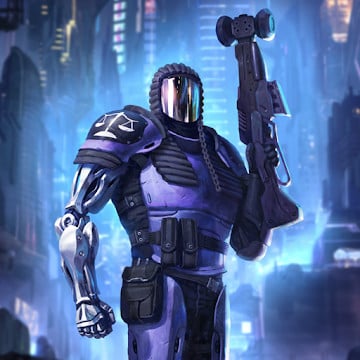
JYDGE is a gritty and violent top-down twin-stick shooter that is an absolute blast to play. You are the JYDGE, a cybernetic enforcement officer who uses his Gavel (see: BIG freaking gun) to dole out RoboCop-style justice. Each level features different challenges that are required to progress, but it never feels like a slogging chore. Confiscating illegal cash along the way, you're able to upgrade JYDGE and his gavel with a deep selection of accessories.

$10 at Google Play Store

Endless waves of monsters

Tesla vs Lovecraft

Tesla vs Lovecraft is the latest game from Finnish developers 10tons Ltd and it's a real treat. The game pits Nikola Tesla and his hi-tech inventions against a vengeful H.P. Lovecraft who has unleashed endless waves of nightmarish monsters. This is an incredibly polished game that uses twin-stick controls for moving and shooting. The campaign gradually increases in difficulty with well over 200 enemies capable of spawning on screen at one time so you must be fast with your trigger finger. Fortunately, there are power-ups and perks aplenty, which are accessible in rogue-like fashion.

$10 at Google Play Store

Break on through to the Other Side

Stranger Things: The Game

Set in the town of Hawkins, Indiana, Stranger Things: The Game starts you out playing as Police Chief Jim Hopper as he heads out to search for a missing kid, but soon discovers much more than he bargained for. The gameplay has a classic Zelda vibe to it, and the mix of puzzles and action sections keep things feeling fresh. As you explore the town, you'll find other characters from the show who join your party and have special abilities which allow you to reach new areas of the world. What was essentially a playable ad for Season 2 of the show still manages to be one of the best free-to-play games for Android.

Free at Google Play Store

A throwback to the 90s

Witcheye

Witcheye is a wonderfully retro game that looks and sounds like it's ripped from the 90s era but also happens to be a near-perfect mobile platformer that makes excellent use of touch controls. You play as a witch who transforms herself into a bouncing eyeball as she heads off on a quest to retrieve her stolen magical ingredients. There are over 50 levels to enjoy that each features amazingly colorful graphics and a memorable soundtrack.

$3 at Google Play Store

Spy games

Death Point

Death Point is as polished a game as you'll find on Android. It's a top-down stealth shooter in which you play a captured spy in a post-apocalyptic world. Your goal is to meet up with the only other member of your team who has survived, an operator who can communicate with you through technology implanted in your brain. She's there to give you tips and info on upcoming sections, and provide some lighthearted banter and story as you get down to the business of sneaking through enemy compounds, taking out guards and sabotaging their systems.

$2 at Google Play Store

Anti-gravity gun

Island Delta

Island Delta was published by the fine folks at Noodlecake Studios, which alone makes it worth checking out. Developed by Mantisbite out of Finland and released for iOS in late 2016, Island Delta brings unique top-down action-adventure-puzzler fun to Android. You're tasked with exploring a mysterious retro-futuristic island with your heroes, Zoe and Baxter, as you try to take down the evil Doctor Gunderson and his army of henchmen.

$1 at Google Play Store

Super hero brawler

Injustice 2

Injustice 2 is the sequel to the award-winning game Injustice: Gods Among Us, which is also one of the best fighting games for Android. If you've played and enjoyed the first game, you're sure to enjoy the sequel which features more fantasy fight match-ups between your favorite heroes and villains from the DC Universe. Unlock new heroes and build your ultimate team as you battle in 3 vs 3 fights with the ability to swap out fighters as needed. The usual suspects are here — Batman, Superman, Joker, Harley Quinn — as well as a whole slew of new heroes and villains which you'll discover and unlock as you play.

Free w/IAPs at Google Play Store

Ah s***, here we go again

Grand Theft Auto: San Andreas

Grand Theft Auto is one of those iconic video game franchises that continues to influence other games. Chances are you've played a GTA title before on PC or console, but they play just as nicely on Android, too, with support for Bluetooth controllers. Rockstar Games has released five great GTA titles to the Google Play Store, but I'm highlighting San Andreas because it has a massive map and introduced a ton of awesome features to the series that remain to this day.

$7 at Google Play Store

These are the best action-packed games for Android

There's no shortage of great games on the Google Play Store, as long as you're willing to spend a couple of dollars upfront. We've rounded up our favorites but want to highlight some of the most action-packed games that you should consider downloading.

Death Road to Canada is probably my favorite mobile game of all time, so that gets a big recommendation from me. There's a ton of customization (and randomization) available for creating your own characters, and each playthrough is unique in terms of the weapons and extra characters you'll run into on your journey through the zombie apocalypse up to Canada.

Another game that I absolutely adore is Penarium, which is a tough-as-nails platformer where you play as a hapless boy who's been tricked into fighting for his life in an evil circus. There's a ton of challenging levels to play through and it's an unrelenting experience that plays surprisingly well with the simple touchscreen controls.

Last but not least, give Tesla vs Lovecraft a go. It's a top-down twin-stick shooter that looks great and features some of the craziest action you'll ever see in a mobile game. It's a rogue-like shooter that will literally throw hundreds of enemies at you to the point where they completely fill the screen. Luckily, you get a ton of weapons and power-ups to help keep them back.

Load up your Google Play account

Google Play Gift Card

From $25 at Amazon

For whenever you need to pay to play

Getting a play gift card is the safest way to load up your Google account with credit to use towards in-app purchases or premium games without overspending.

The FCC just made your connection faster by unlocking the 'OnGo' band

15 new channels in the 3.5GHz range are already supported by plenty of phones for LTE use, but OnGo is important for 5G, too.

The FCC just finished a six-year set of talks with the CBRS Alliance (Citizens Broadband Radio Service) and authorized commercial use of what's known as the 3.5GHz CBRS band.

3.5GHz service is in-between super-low bands like T-Mobile's 600Mhz and mmWave such as Verizon's 28GHz.

Previously held exclusively by the Department of Defense for Navy radar operations, the 3.5GHz to 3.7GHz bands have been split in a way that allows the Navy to have access when it needs it, and for us to be able to use it the rest of the time. Seven full-access channels will be auctioned off and eight channels will be available for general public use, with instant switching should the Navy require access for coastal operations.

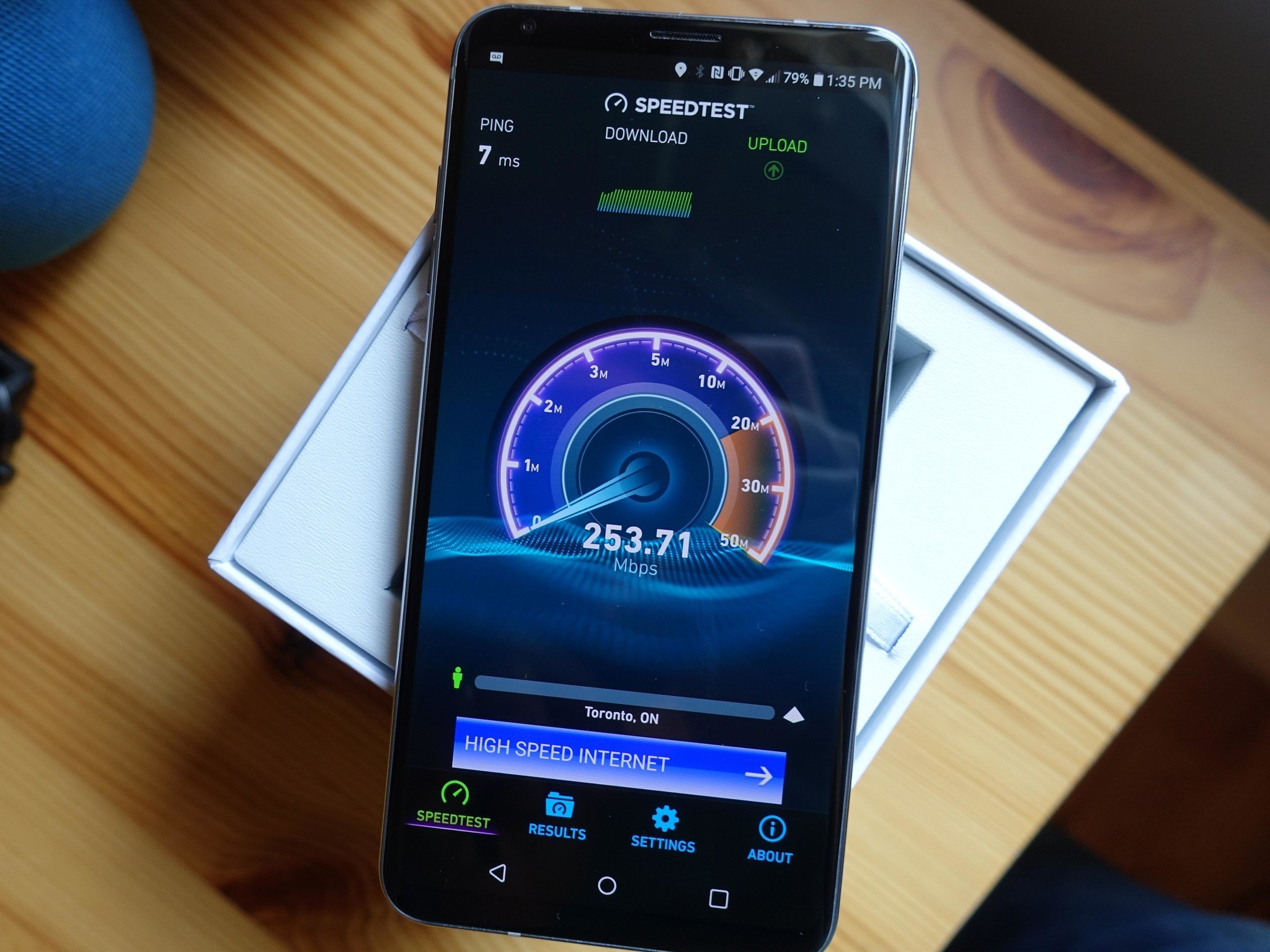
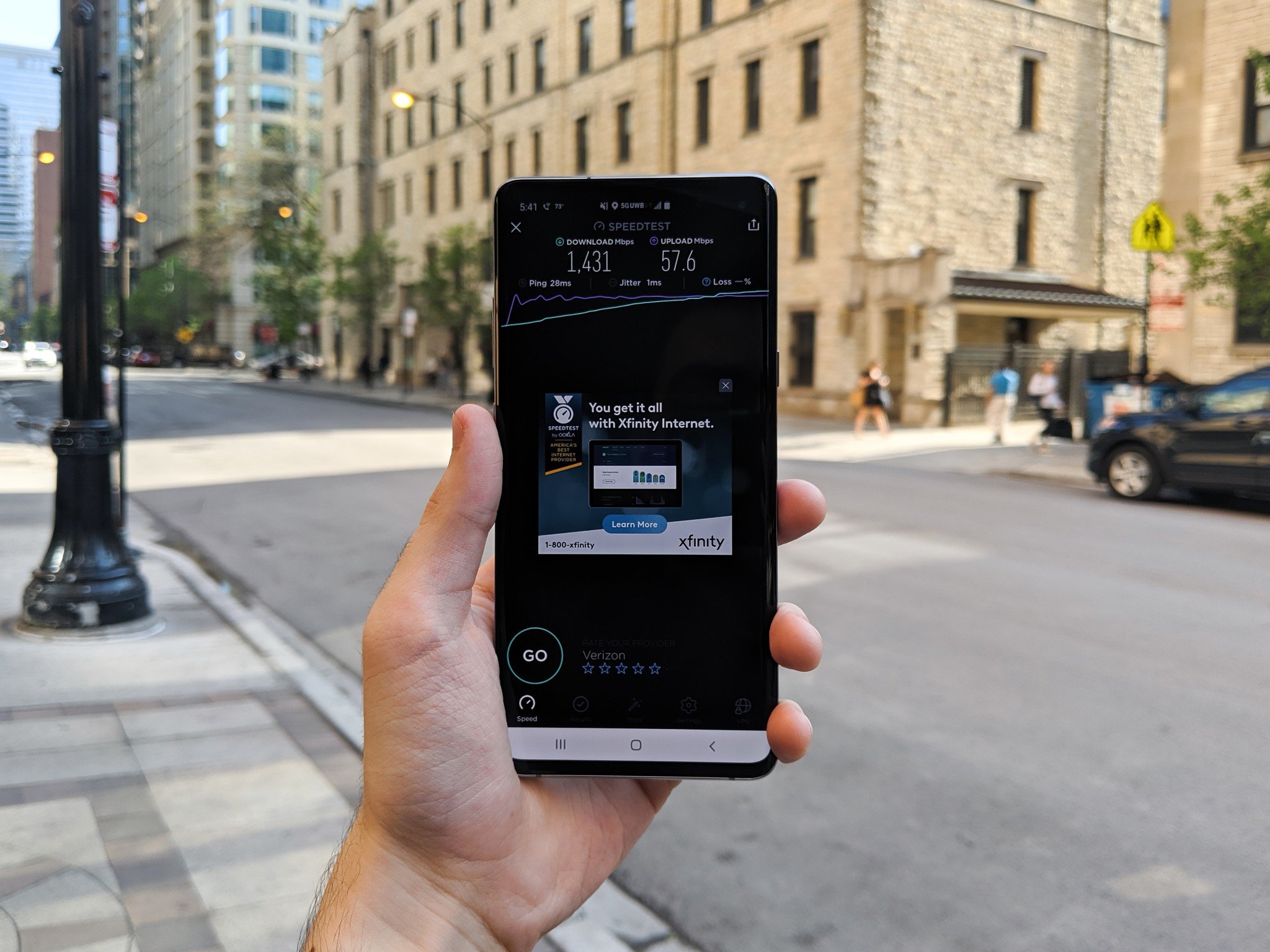
What this means is that the phone you have right now will probably have a faster LTE connection once all the paperwork is finished and companies that make phones can now build a true 5G "World Phone" that works everywhere.

What is the CBRS Alliance?

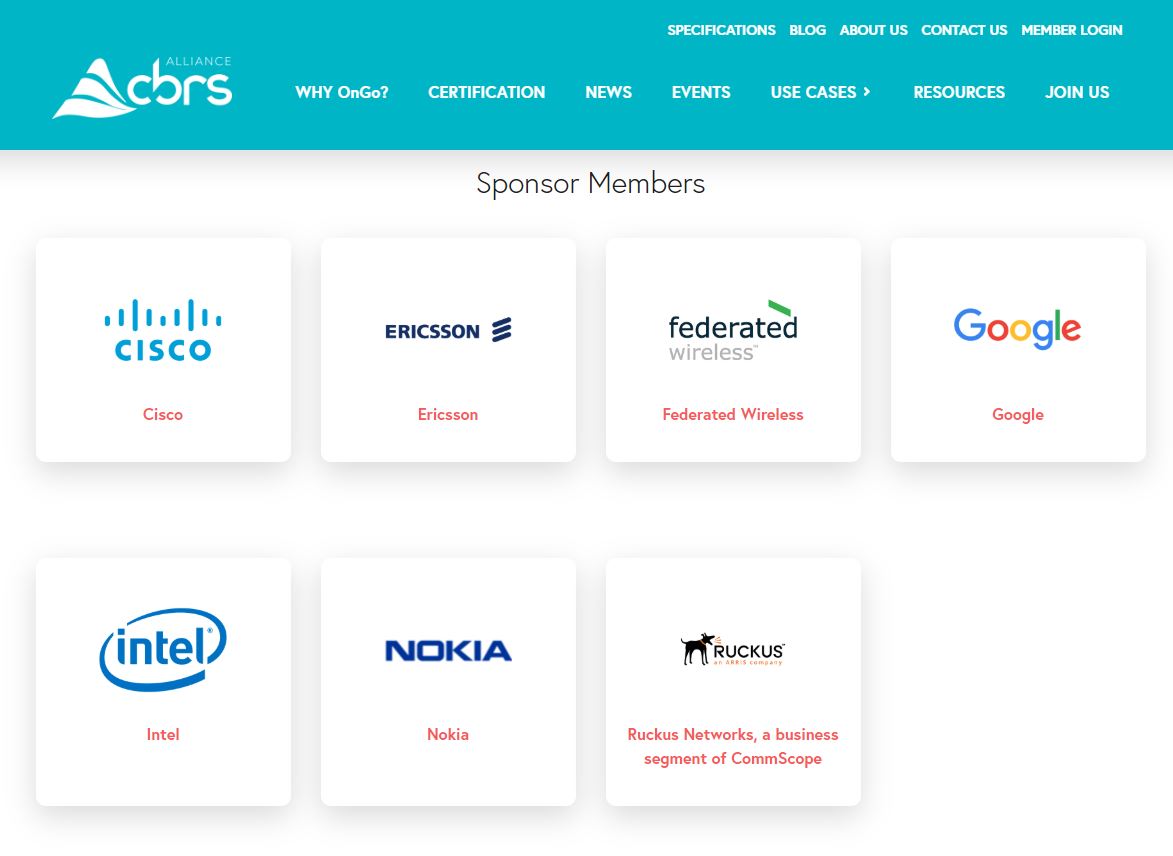
The Citizens Broadband Radio Service Alliance was founded by Cisco, Ericsson, Federated Wireless, Google, Intel, Nokia, and Rukus Networks. Its membership roster includes almost every U.S. carrier and broadband provider as well as companies like Motorola, Samsung, Sony, Microsoft, and Qualcomm. Almost every company with a vested interest in wireless communications is part of the CBRS Alliance.

Every company with a vested interest in wireless is part of the CBRS Alliance.

For years, it has been working on what's known as OnGo. OnGo is a public and private sector radio service that can be used by broadband providers as well as wireless infrastructure for industry, hospitals, and other largescale deployments that need a reliable and fast communication network.

Some places, like Dallas's Love Field airport have already put the infrastructure in place to deploy OnGo as soon as possible. Eventually, you'll find OnGo service deployed in most major mass transit systems, airports, hospitals, and factories.

The CBRS Alliance has been working on this because of how the 3.5GHz spectrum is currently used. It's reserved by the Department of Defense for Navy radar as mentioned above, but the Navy barely uses it because it doesn't need it. So the very valuable wireless spectrum just sits there unused almost all of the time.

The new rules adopted by the FCC will allow for seven licenses that have full-time access, and eight public-use channels that anyone can deploy but if the Navy does need it for coastal operations, it gets full use of the spectrum and everyone else has to fall back to lower frequency bands until the Navy releases it.

Why is this spectrum so important?

3.5GHz radio spectrum is what's known as mid-band radio. It's good at building penetration and covers long distances, which makes it perfect for broadband communication — both LTE and for 5G.

Asia, Europe, and the Middle East already use 3.5GHz for 5G service. Meanwhile, in North America 5G deployments have been done using low-band spectrum or millimeter-wave spectrum. There are benefits to using both, but there is even more benefit to supporting 3.5GHz by carriers in the U.S and Canada, who will presumably follow the FCC's ruling.

What is 5G? The next-gen wireless standard explained

For us, 3.5 GHz means faster and better LTE service on some of the phones we have right now. The Galaxy S10 (not the S10 5G), the Pixel 4, the OnePlus 7 Pro, the LG G8 ThinQ, the iPhone 11, and even the 5G Moto Mod have built-in 3.5Ghz OnGo radios and can connect anytime the service becomes available.

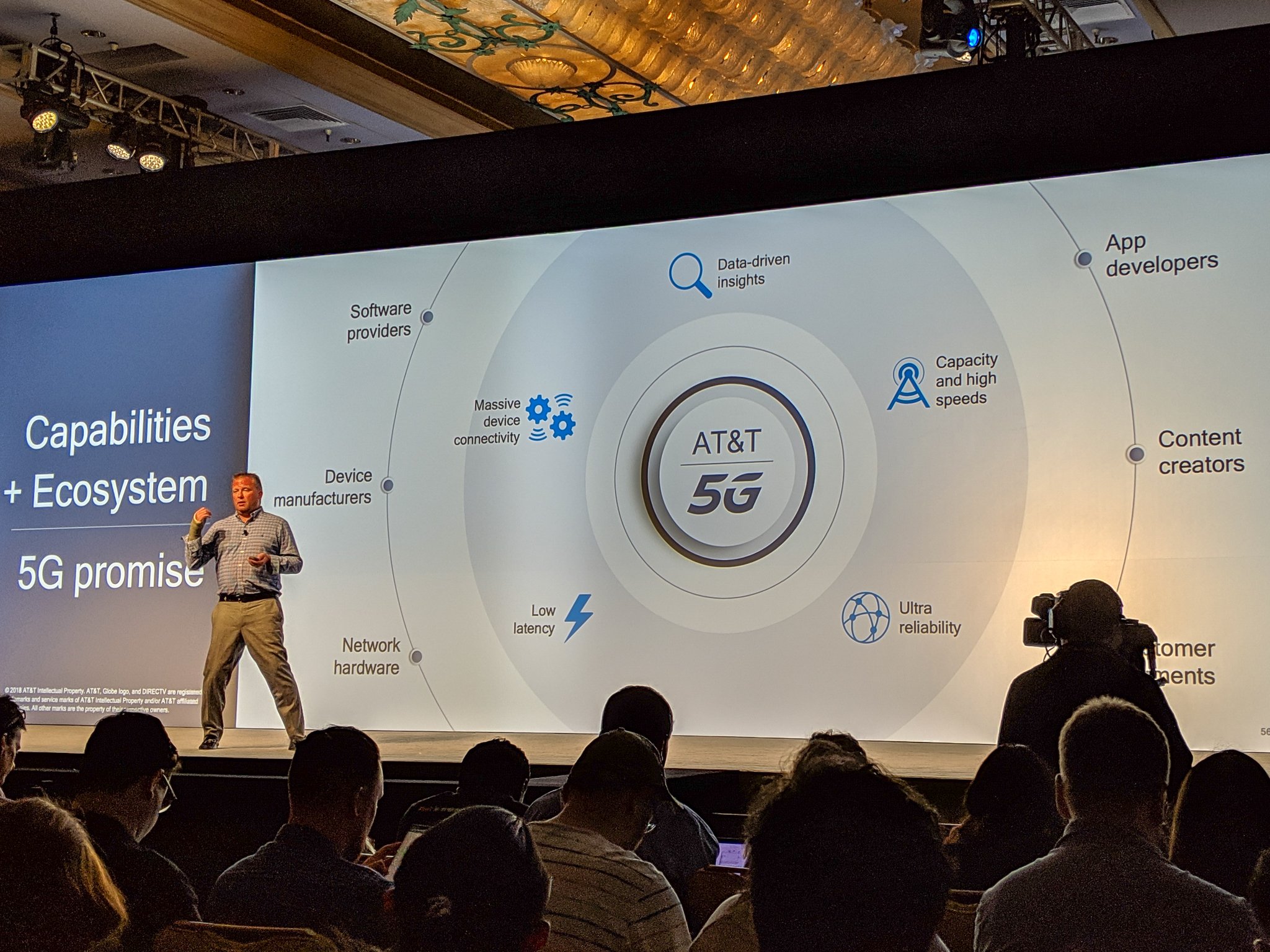
This year, the Galaxy S20 will likely support both LTE and 5G in the 3.5Ghz band, which makes it really convenient for consumers and manufacturers.

What do I need to do?

Not a thing. If you have a phone that supports the 3.5GHz band as mentioned above, you're already good to go. If your device ever sees the service available, it can just use it. Nothing is disabled and you won't have to change any settings.

There's nothing you can do except wait.

If your phone doesn't support the 3.5GHz band, nothing you can do would be able to enable it. But you may also see faster and more reliable LTE service in areas where OnGo is live because other phones will be using the network freeing space and bandwidth for "regular" LTE connections.

It's a sure bet that every phone released in 2020 will support the 3.5GHz spectrum for LTE, and many will also offer up 5G support using it, too.

OK, but when?

Things like this move slowly. With the ruling out, it's time to start the spectrum auction process for the reserved channels, and for the general use channels, there will be infrastructure to put in place.

Things like this take time, but it should be worth the wait.

Of course, companies like Verizon or Comcast will end up winning the reserved channel auctions, and that means there will be a need for an infrastructure update there, too.

It will probably be near the end of the year before we see 3.5GHz and OnGo service deployment in more than a few localized places. This is a big ship to steer, so it takes a long time.

But it does look like it will be worth the wait.

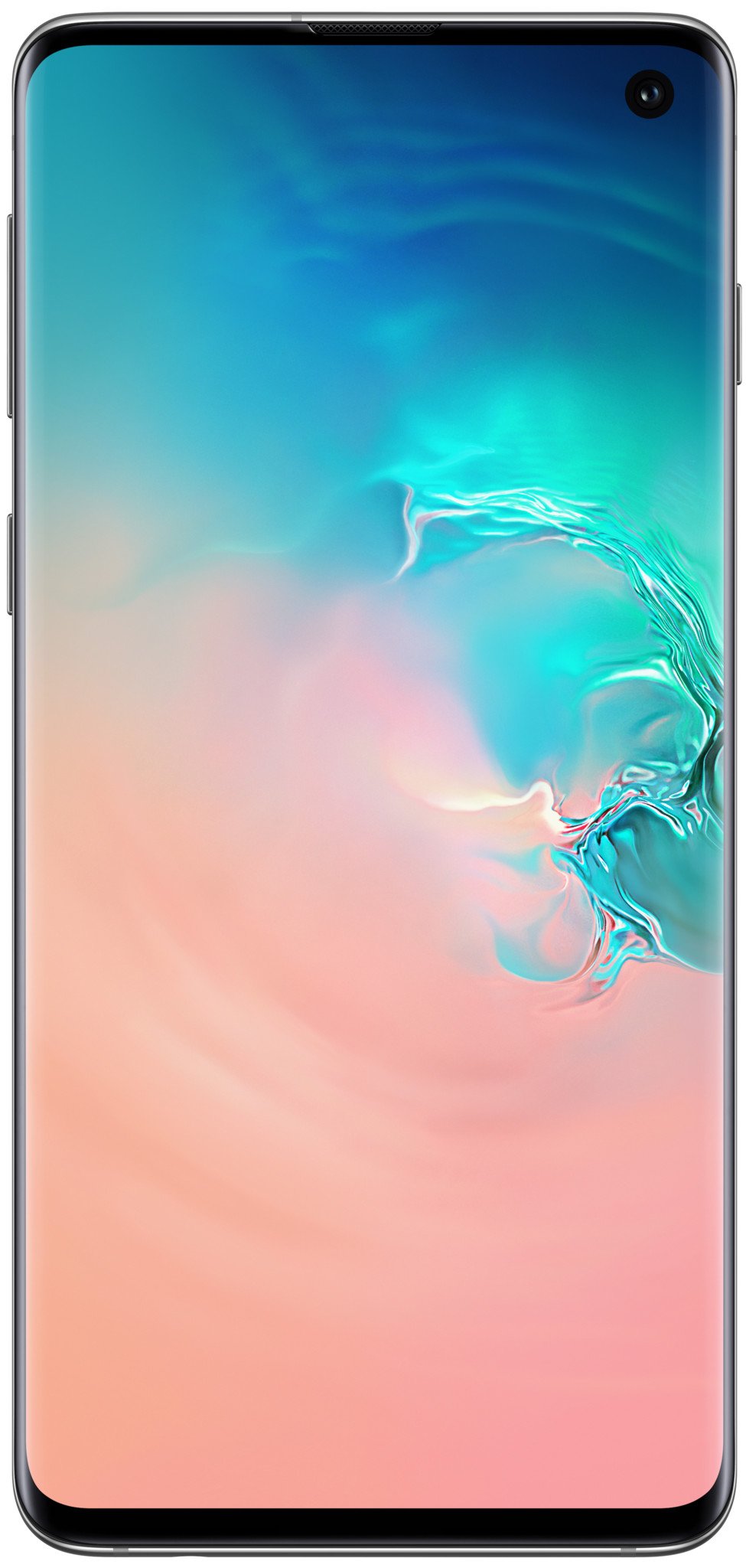
Get More Galaxy S10

Samsung Galaxy S10

Galaxy S10 From $800 at Amazon Galaxy S10+ From $900 at Amazon Galaxy S10e From $650 at Amazon

Apple engineers have a proposal to standardize 2FA messages

It could prevent users from accidentally entering their code on a phishing site with the wrong URL...

What you need to know

  • Apple engineers have unveiled a proposal to standardize the format of two-factor authentication.
  • It has suggested the use of a new SMS format for one-time-passcode messages.
  • The new format would include the website the code is meant for, information that could be automatically extracted by a browser or app.

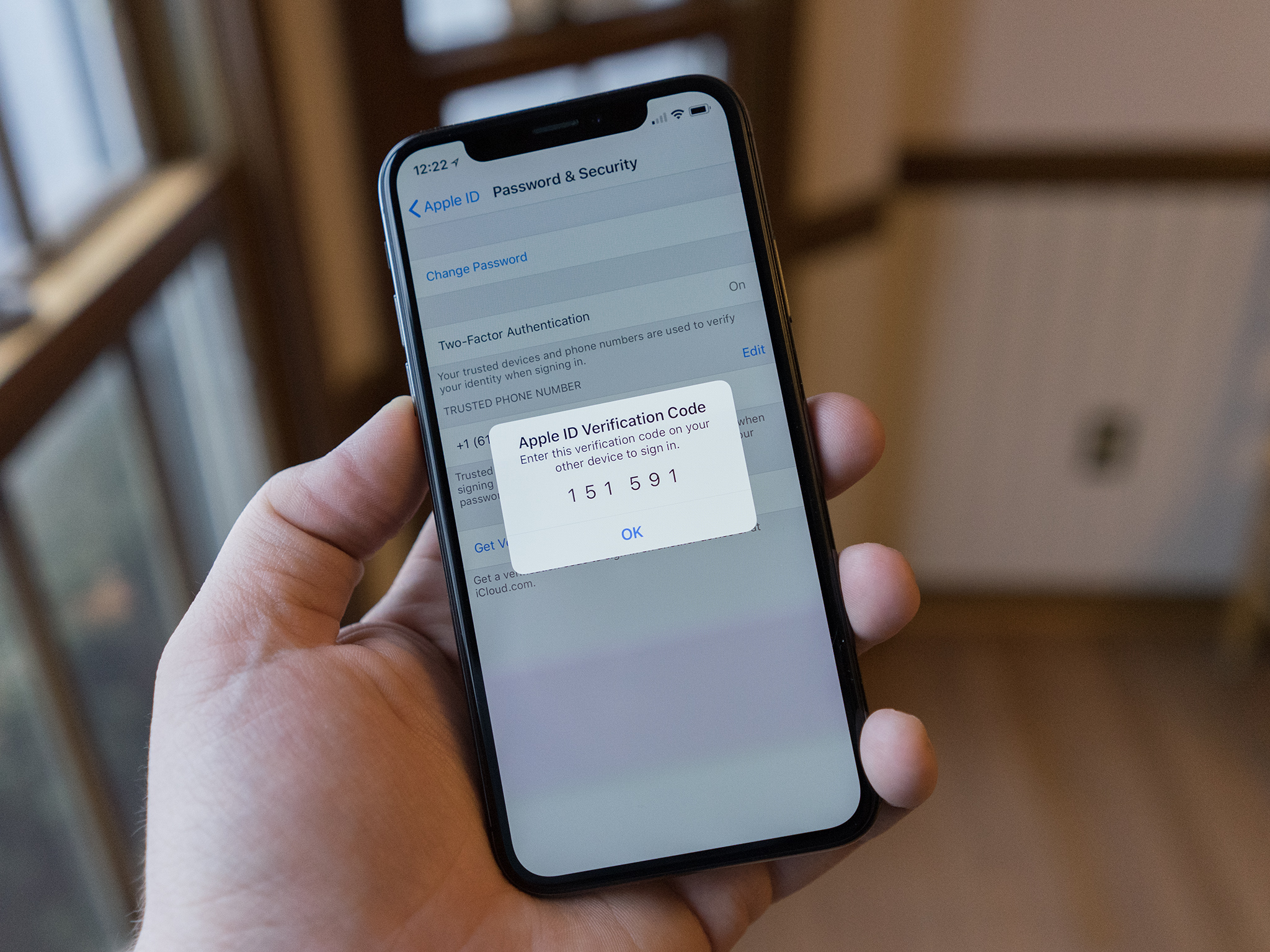
Apple WebKit engineers have unveiled a new proposal that could standardize the format of two-factor-authentication messages to improve security and prevent users from falling for phishing scams.

As reported by ZDNet, Apple engineers working on WebKit, a core component of Safari have come up with the idea, but Google's Chromium engineers are also on board. According to the report:

Apple engineers have put forward a proposal today to standardize the format of the SMS messages containing one-time passcodes (OTP) that users receive during the two-factor authentication (2FA) login process.

The proposal comes from Apple engineers working on WebKit, the core component of the Safari web browser.

The proposal has two goals. The first is to introduce a way that OTP SMS messages can be associated with a URL. This is done by adding the login URL inside the SMS itself.

The second goal is to standardize the format of 2FA/OTP SMS messages, so browsers and other mobile apps can easily detect the incoming SMS, recognize web domain inside the message, and then automatically extract the OTP code and complete the login operation without further user interaction.

As the report notes, by including the URL of the intended website within the SMS, it would mean websites and apps could automatically detect and read a 2FA SMS message, inputting the data. This would certainly be more convenient than remembering and then typing the keycode in. However, more importantly, by ensuring the code would only work with a specific, intended website, the plan could eliminate the risk of falling for a scam, whereby a user might unwittingly enter their 2FA code into a phishing site.

The text format would look like this:

747723 is your WEBSITE authentication code. @website.com #747723

The first line is for human users, the second for apps and browsers. The browser/app would automatically detect and extract the code. If the URL in the browser/app doesn't match what's in the text, the operation will fail. Users would then be able to see that the website provided is not the same as the one they're trying to log into, potentially alerting them to a scam or an unsafe website.

The report notes, as mentioned, that Apple's WebKit developers (who came up with the idea) and Google's (Chromium) engineers are on board with the proposal. Mozilla Firefox has not given an official response yet. In terms of a rollout, the report notes:

Once browsers will ship components for reading SMS OTP codes in this new format, major providers of SMS OTP codes are expected to switch to using it. As of now, Twilio has already expressed interest in implementing the new format for its SMS OTP services.