Appnext

Senin, 31 Desember 2018

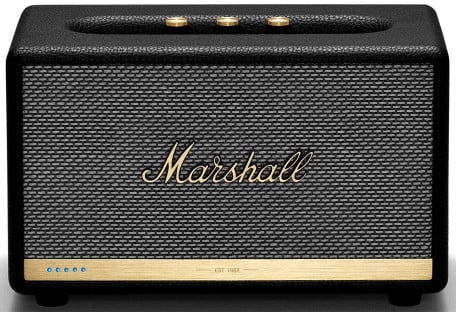
Should you buy the Marshall Acton speaker?

Best answer: While the original Marshall Acton was really good, it's worth going for the latest model for the latest in sound quality, technology, and features.

Amazon: Marshall Acton II Voice w/ Alexa ($300)

Acton II Voice is everything the original should have been
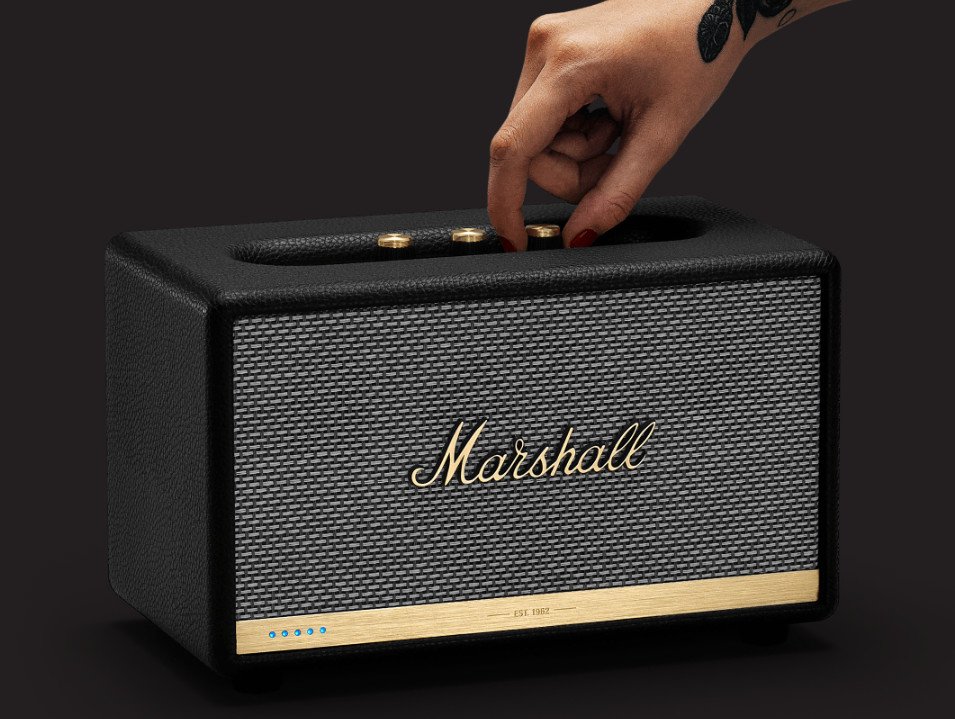
Marshall is one of the music industry's most enduring brands, providing rock bands and pop stars with quality guitar amps and other music equipment. The Marshall of today still likes doing that stuff, but it's also trying to tap into the consumer electronics market.

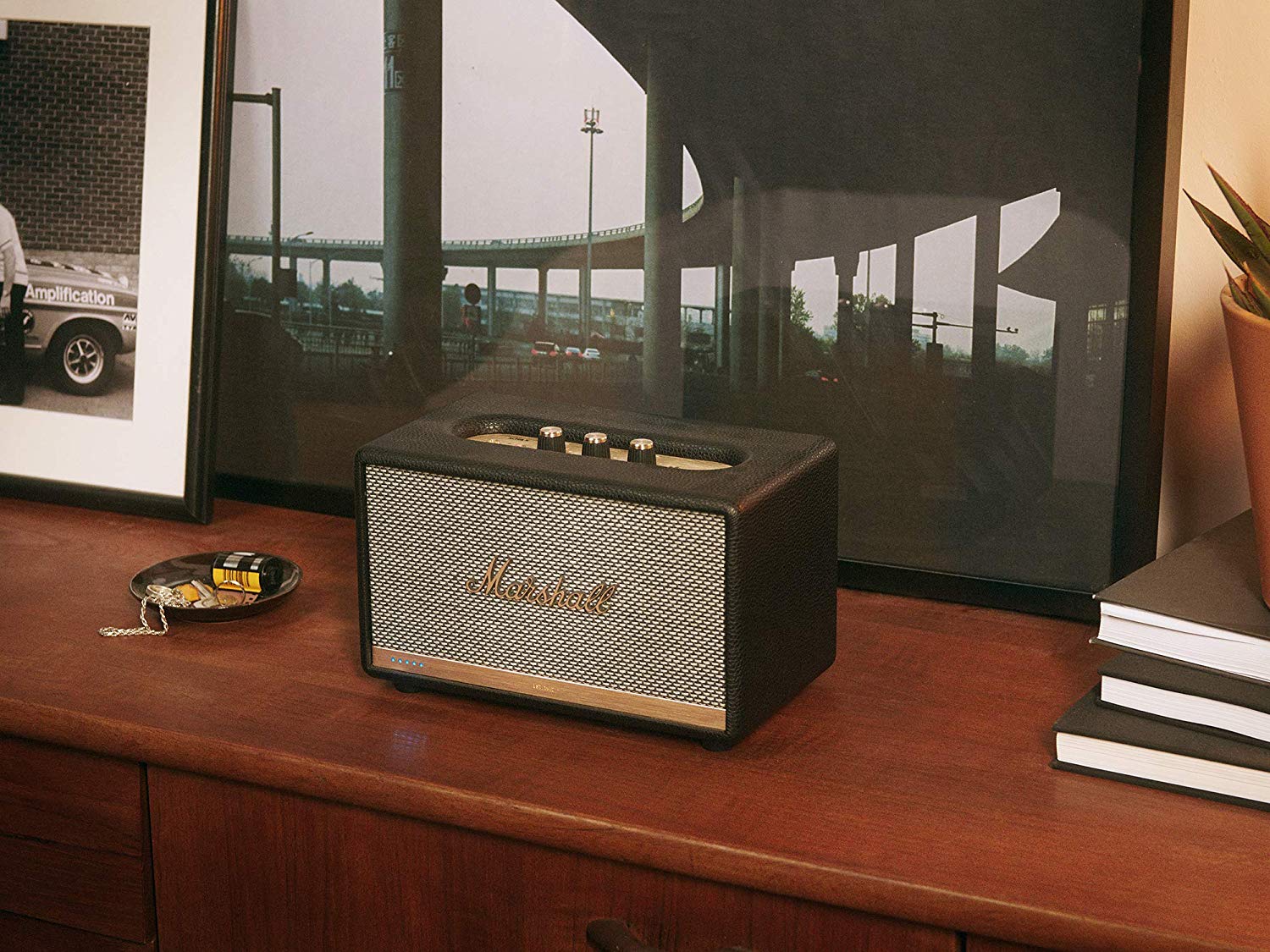
The most approachable device in that lineup is the Marshall Acton Bluetooth Speaker. It's the smallest in the group at 10 inches wide, 6 inches deep, and towering out at just 5.91 inches. It'll fit on a desk or other entertainment center just fine. It's also light enough to take just about anywhere, coming in at just under five pounds, although this isn't a truly portable speaker since it doesn't use battery power. Don't let its size fool you: the Marshall Acton II can fill a moderate-sized room with quality sound.

Although it hit the market to a warm critical reception, the Marshall Acton was always a bit expensive to be considered an entry-level product. At $250, it approached — and, in some ways, eclipsed — Sonos levels of cost, while at the same time not really being able to match the latest smart speakers on utility and functionality.
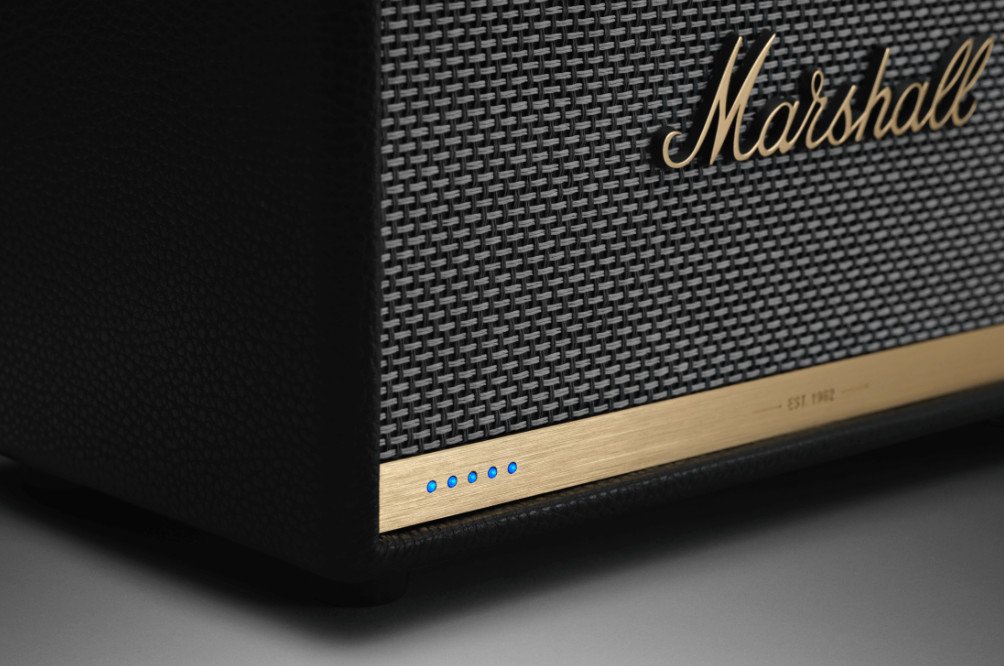
Luckily, the Marshall Acton II has enough improvements to warrant a recommendation to increase your budget. While the audio drivers inside the sequel are the same as the original, Marshall hooked this thing up with an upgraded DSP — digital signal processor — for improved sound quality at more extreme levels of the audio spectrum. What this means is that your music should sound better at both lower and higher volumes. Those tunes will go out over a lone 30-watt Class D amp for the woofer and two different 15-watt amps for the tweeter.

More than just audio improvements, however, the Acton II Voice is a lot smarter and more readily-equipped for the assistant-driven world we live in today. This thing comes with Alexa baked in, offering voice control via the same far-field voice recognition technology that you'll find in Amazon Echo devices.

That enables all of the things any other Alexa device can do: use your voice to play your music and use Alexa's thousands of skills to do things like control your smart home or check the weather. Plus, you can use the Marshall Acton II with any other Alexa-enabled smart speaker for a seamless multi-room audio setup.

It all happens over an upgraded Bluetooth 5.0 connection with aptX technology, which gives you up to 30 feet in range and a more reliable and fast connection. It's not just faster in pairing, but also in actual data transfer, which means audio can travel across the air with nary a loss in sound quality.

It's comfortingly familiar
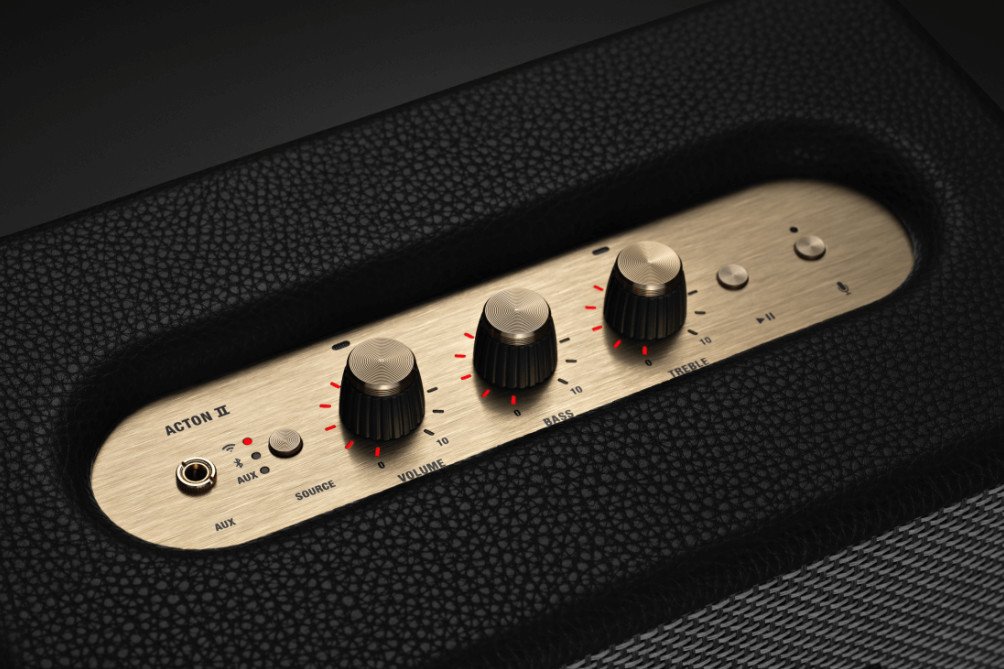
There are more reasons to like the Marshall Acton II. It stays faithful to that old-timey classic design inspired by the serious hardware used in venues across the world. It's aesthetically pleasing and appropriate in that regard, and Marshall pulls its signature look off masterfully.

It goes deeper than aesthetics, though. Marshall includes hardware knobs for treble, bass, and volume. These things can be easily managed through Marshall's excellent EQ app, mind you, but it's nice to have something that adds to the authenticity of it all. In the true spirit of a portable guitar amp, you can forego the fancy wireless connection for a good ol' fashioned 3.5mm input.

Marshall Acton II Voice

$300 at Amazon

A perfect blend of old and new

For just $50 more than the original Acton, you get a very versatile Bluetooth speaker that can play your tunes loud and respond to your every command.

Charge up with these end of year deals on Anker charging accessories

These prices are good for today only, so stock up while you can!

We all have a bunch of devices to keep charged these days, but it's not always possible to have everything charge at the same time or to make sure the devices you want to use are powered up when you need them on the go. Fortunately, as part of its Deals of the Day, Amazon has dropped the price of a number of Anker charging accessories including power banks, wireless chargers, multi-port wall adapters, and more making it easier for you to rid yourself of battery anxiety.

These are some of the best prices we've seen for these items with discounts of up to 48%, so be sure to pick up what you need before the promotion ends tonight.

Some of our favorite deals include:

Thee are more items included in the promotion, so make sure you take a look and make the most of these limited-time prices while you can.

See at Amazon

How to get the most out of your Android phone's camera

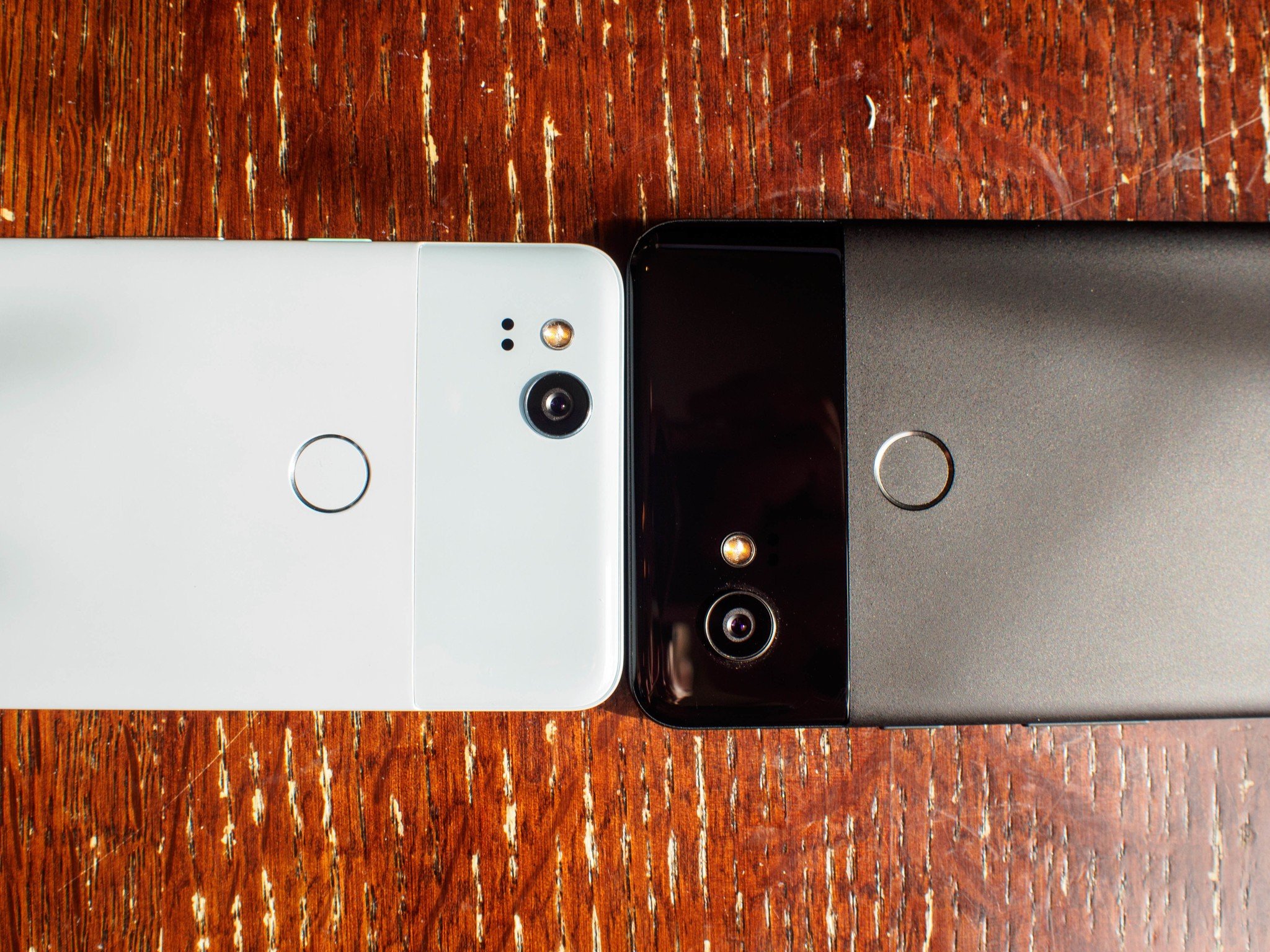
There are a few tricks you can use to get the most out of any phone's camera.

With a smartphone in every pocket, taking photos has become one of the most-used features of these powerful little computers. But there's more to it than just hardware and software — you need to know how to use it all! That's why we're continuing our 12 days of tech tips with a super-useful one: taking better photos.

You may know how this stuff works, but your friends and family may only be novices when it comes to photography. You can always hand off some of these powerful and simple tips to them!

Clean the camera lens

Nothing is more important than just cleaning your lens.

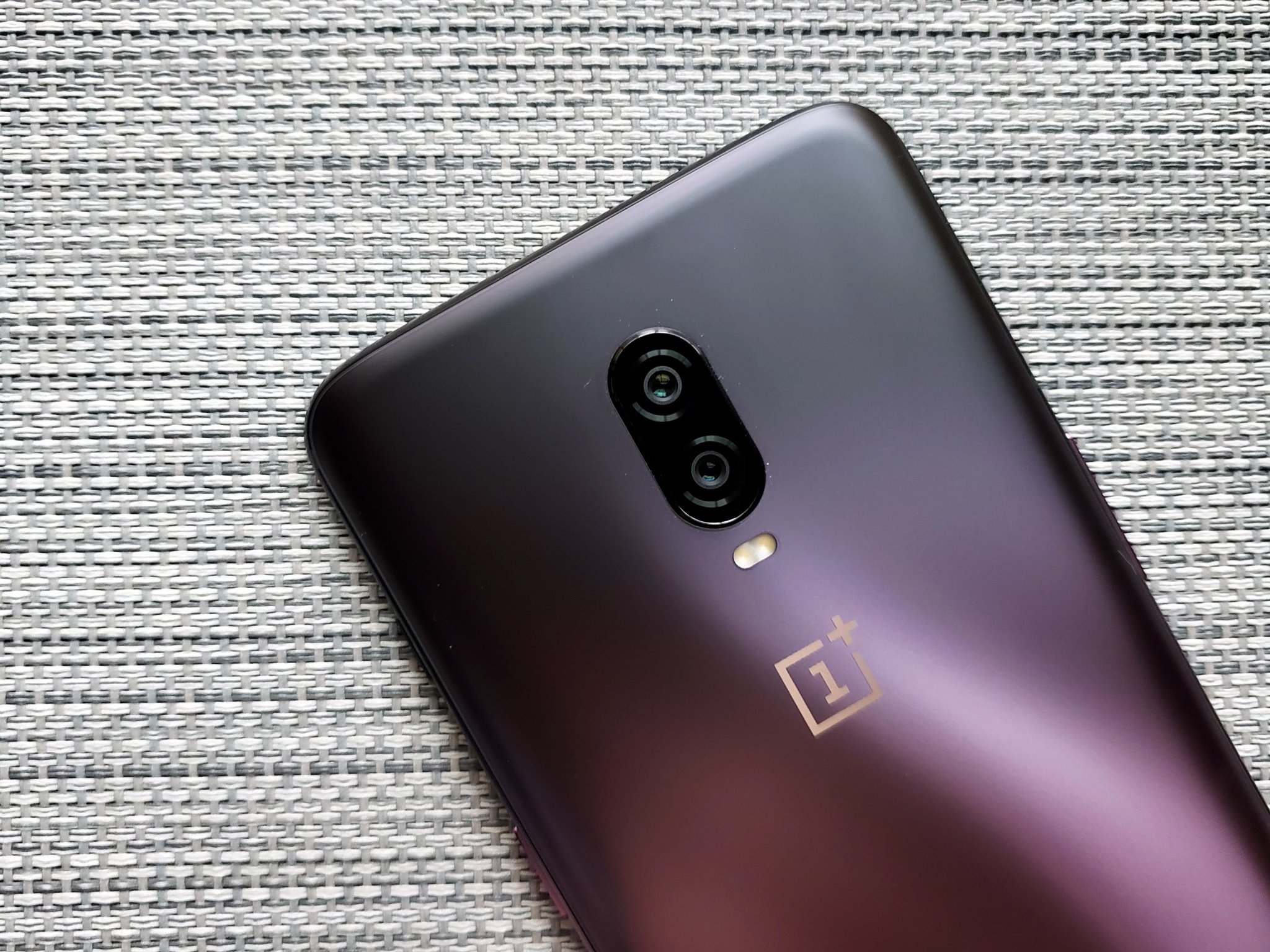
Yes, really. It feels like the simplest possible thing, because it is! And that's why we forget about it. Our phones come with us everywhere and that means the camera lenses are far more susceptible to getting covered in fingerprints and dirt and all kinds of other things over the course of the day. At the same time, there are more cameras than ever on modern phones. You may not notice when you're taking photos that there's a smudge on your camera lens, but trust us: take a second to wipe off your lens before you take your next photo, and you'll notice a massive difference in the clarity, colors and sharpness.

This is actually even more important for selfies, because the camera lens often has no physical separation from the main glass covering the screen and is far more likely to have smudges on it from using your phone. Front-facing cameras are typically lower resolution and quality to begin with as well, making them less likely to overcome a smudge on the lens glass. Give the top bit of your phone screen a good wipe down before taking a selfie — you'll be impressed by the difference it makes.

Turn on viewfinder grid lines

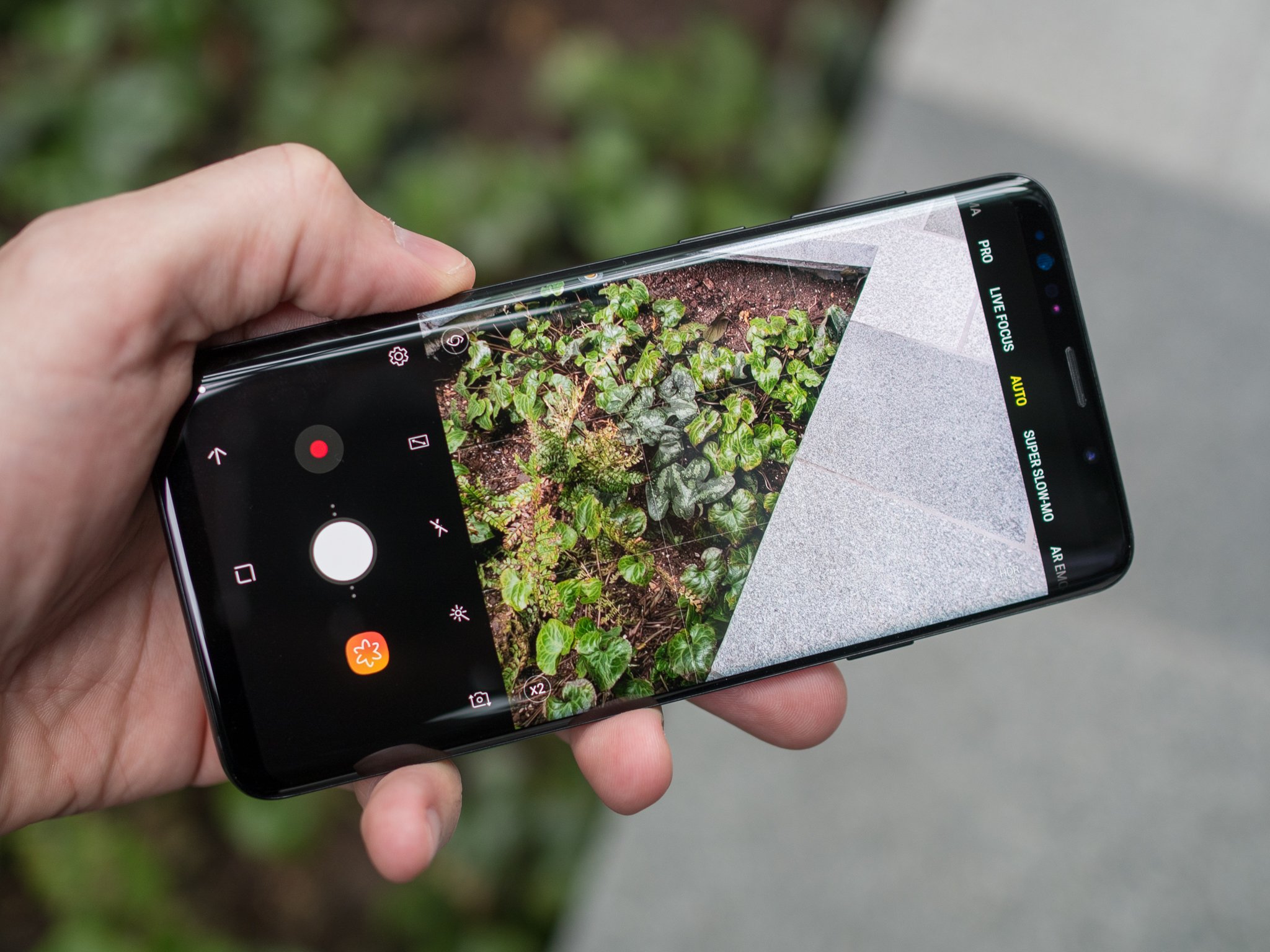
Most camera apps offer some sort of grid line option, but it's almost never turned on by default. If your phone offers grid lines, turning them on will help a ton with your photo composition. It may seem annoying to have all of these lines across the viewfinder at first, but you need to realize how important it is to have good visual separation, level horizons and proper proportions in your photos. These are little things that we notice subconsciously and add together to make a photo feel better.

The typical grid line option you'll find in most camera apps will be a simple 3x3 grid, which helps you follow the tried-and-true "rule of thirds" method of framing scenes. The horizontal lines will also help you set up flat horizons on wider shots (like capturing sunsets) or make sure that you don't get your phone angled so far that it throws off the perspective of the shot you're trying to take.

Use your flash as a last resort

It's often said that photography is just the mastery of light. That's even truer on smartphones with tiny camera sensors that struggle to take in available light. In a dark or mixed lighting scene, it may be enticing to turn on your camera's flash — but resist the temptation! The flash is typically too bright and too direct to be used anytime you have a subject close to you, completely washing out everything with bright white light. At the same time, it's not strong or diffuse enough to work properly to fill a larger space.

The LED flash is best used as a flashlight, not for photography.

Instead, move around your phone or your subject (when possible) to adjust the light instead of relying on the flash — you'll take better photos every time. Also keep in mind you can use tap-to-focus in most cameras to reset the exposure on a specific point — often times that's all it takes to get the lighting right on your subject instead of the background that you don't really care about. You can also use post-processing from apps like Google Photos or your phone's gallery to brighten a photo after the fact.

With the introduction of dedicated "night" modes in smartphone cameras, our LED flashes are best used as flashlights to see in the dark than for any photography purpose.

Consider a mini tripod

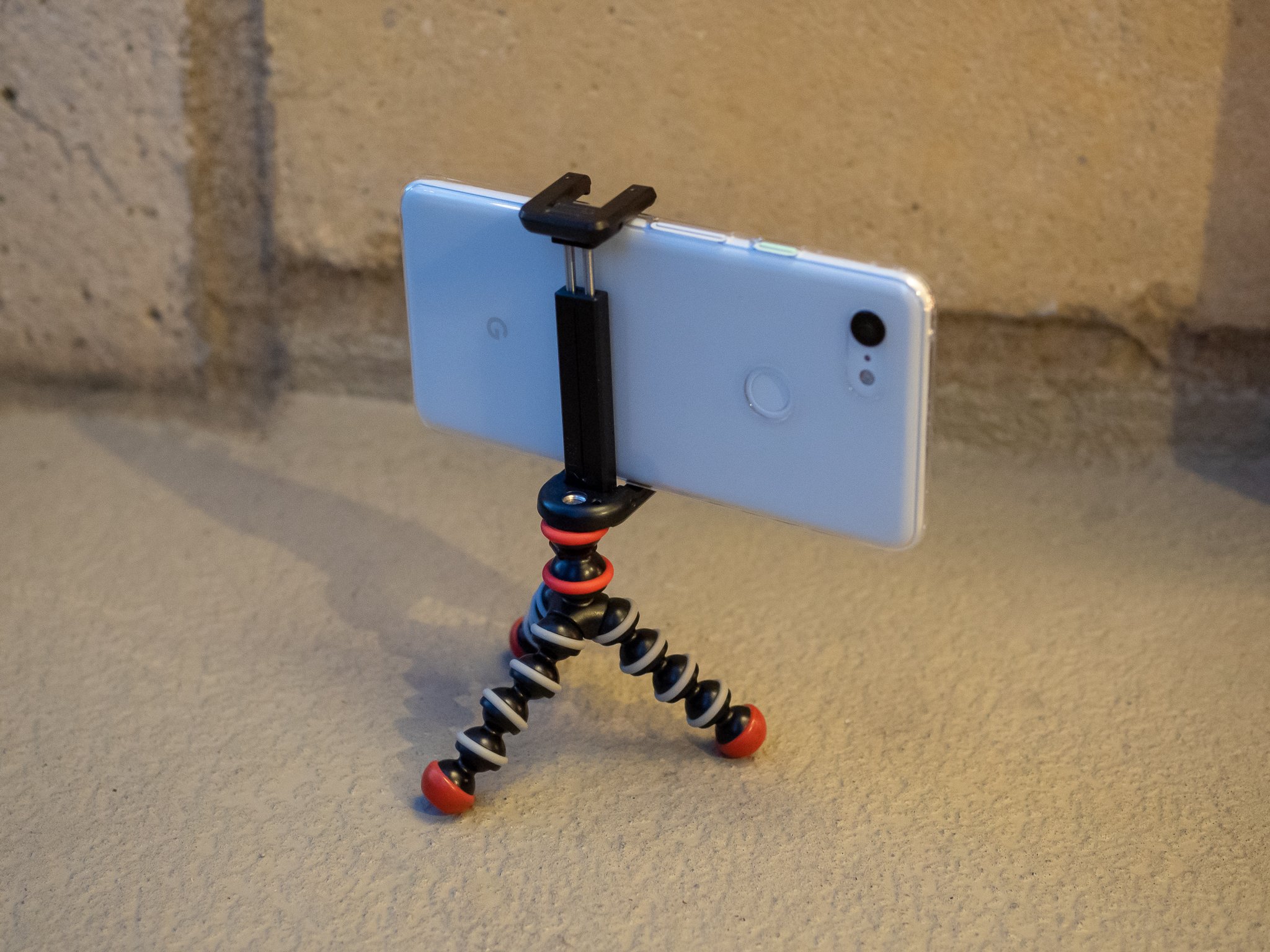
You'll notice that I'm not mentioning a selfie stick. Show yourself some respect and get a tripod with a smartphone holder instead. There are great cheap models all over the place, ranging from simple stiff-legged models up to ones with flexible legs and magnets in the feet. Pair it up with a smartphone clamp and you'll be set up to take all kinds of photos.

Even a mini tripod will immediately elevate your photo quality.

Tripods are useful for self-portraits without having to resort to a selfie stick, but can also seriously improve your low-light shots and of course long exposure or timelapse photos just by propping up your phone for a few seconds or a minute. A tiny tripod that folds up and fits in a pocket can widen the range of your photography capabilities.

Even if you don't want to carry around a tripod with you, take these same principles into consideration when you're taking photos. Any time you can keep the phone still on a solid surface, your photos will improve. No matter how stable you think your hands are, they aren't as solid as setting the phone on a fixed object. Prop up your phone against a railing, lean against a wall or balance it against a water bottle — any extra bit of stability will improve your photos.

Use a photo backup service

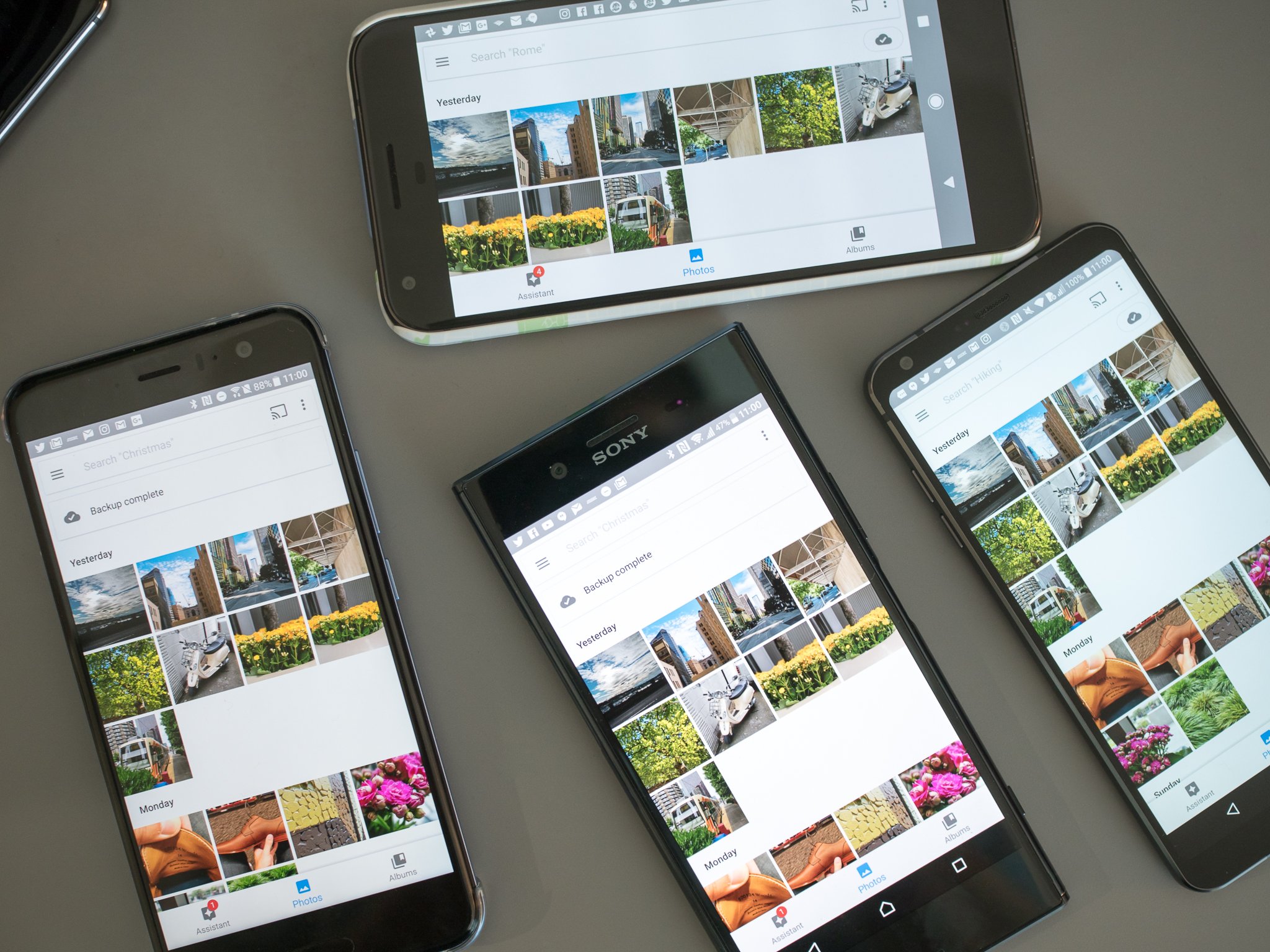
None of these tips help you in any way unless you're backing up your photos so they're safely copied off of your phone. You can take a fantastic photo, and even share it out on social networks, but you really should have a backup of that original. A single version on your phone is not a backup or a copy — you need that photo copied to a second location.

A single version of a photo kept on your phone is not a backup or copy.

Google Photos is a fantastic choice with both free and paid backup tiers, but then there's Dropbox, Microsoft OneDrive, Amazon Photos and countless others. The best services are ones that will back up regularly and automatically — you don't want to leave backing up to your ability to remember to do it manually!

An added bonus of using a cloud-based photo backup service is that you don't have to worry about transferring photos to your computer or having troubles sharing. Every one of these services offers a web-based photo viewer so you always have access to your archive of photos, and sharing via a simple link makes that process a breeze.

Go take some great photos

With these tips in mind, and a little preparation with a new app or maybe an accessory like a tripod, you'll be taking better photos and backing them up to enjoy for years to come!

Minggu, 30 Desember 2018

The best PS4 controller skins you can buy today

Sometimes a plain plastic DualShock 4 controller just doesn't cut it. Whether you want customized artwork or to be able to grip your controller better, skins are the way to go. Though most come in bundles that include console skins, you may only be looking for one or two controller skins by themselves. Luckily, you can still pick them up separately at a cheap price. Here are some options to get you started.

Heavy duty

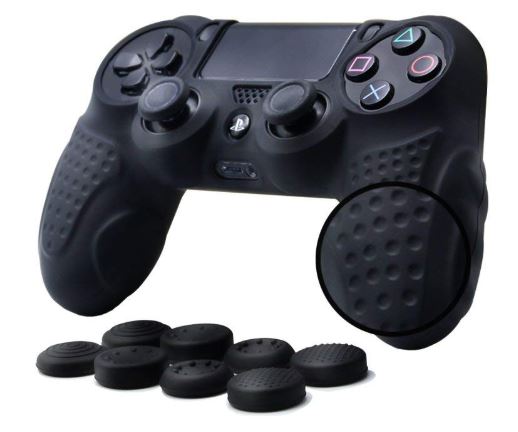
CHINFAI DualShock 4 Skin Grip Anti-slip Silicone Cover

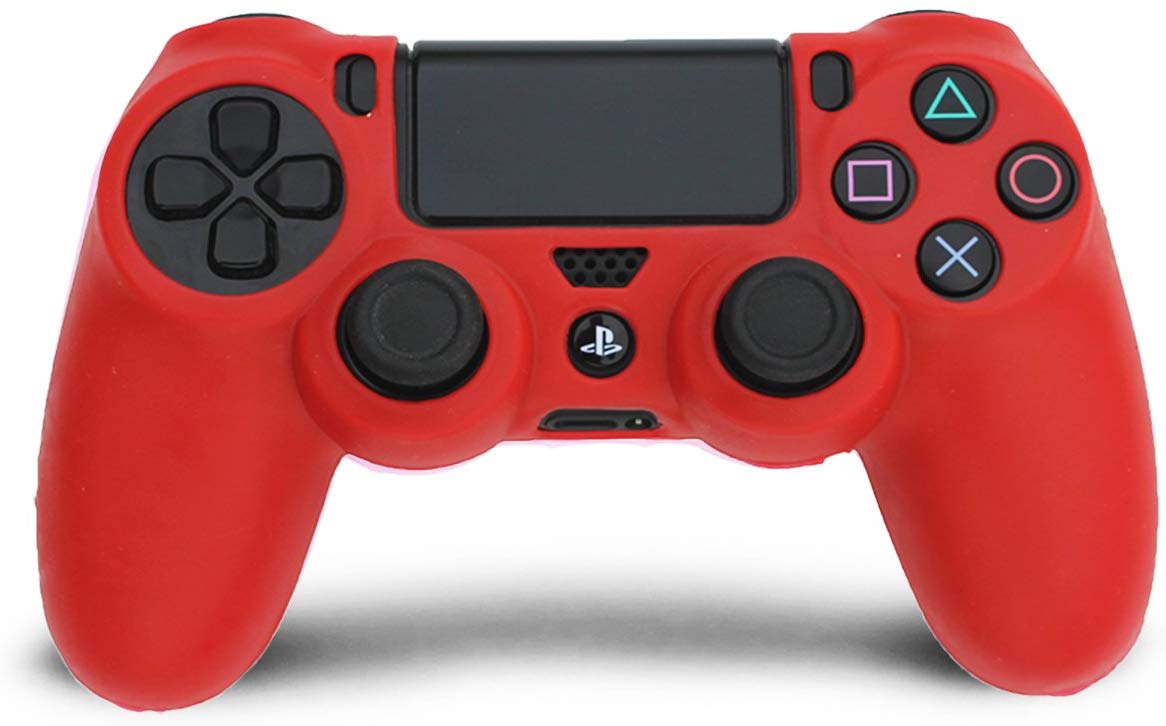
Gaming sessions can last a while, and when your hands start to get sweaty they easily slip off of your controller. For some extra grip, the CHINFAI DualShock 4 anti-slip silicone cover comes in to save the day. This skin features textured pads so you never lose that edge.

$12 at Amazon

Studded

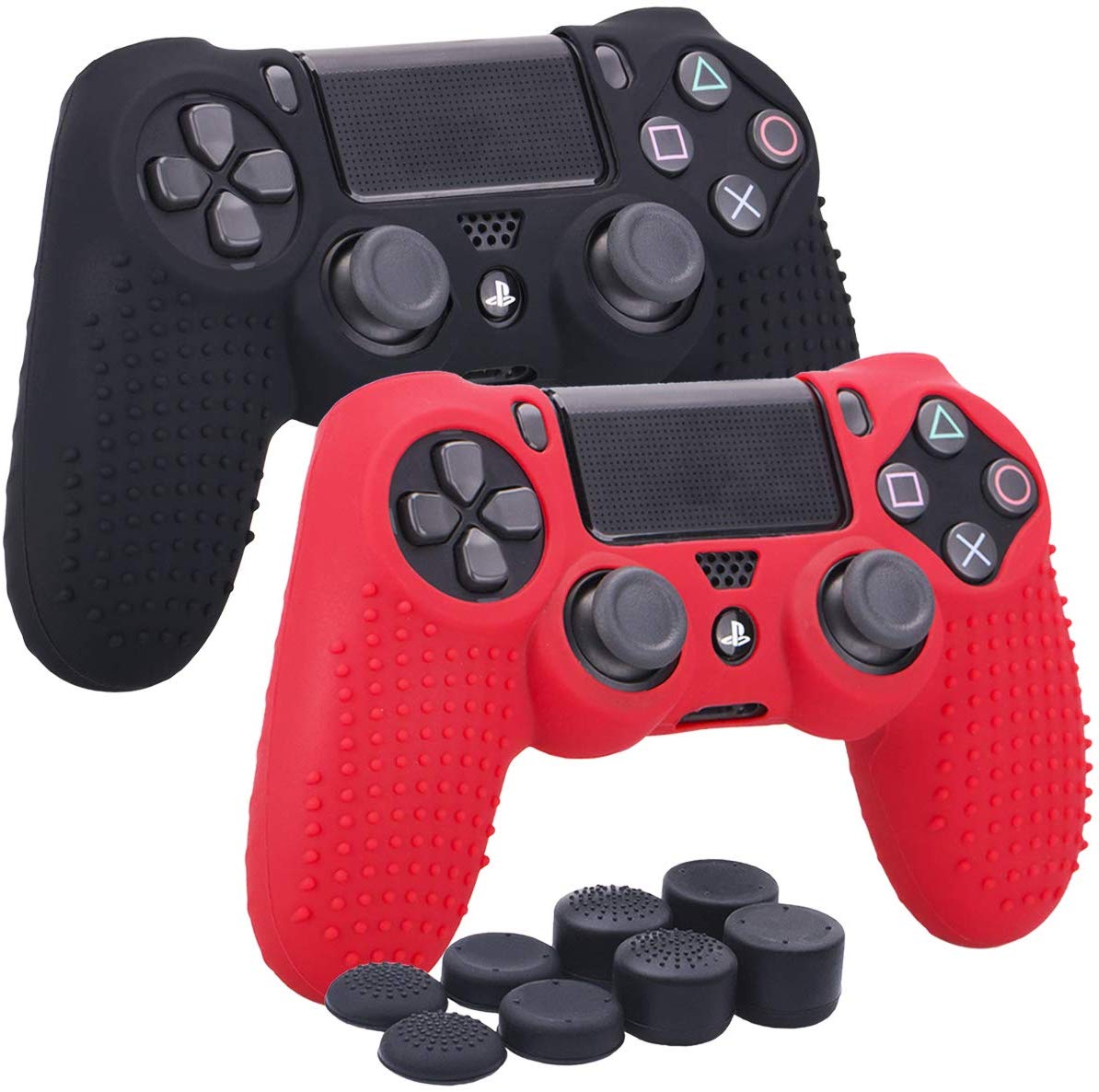
YoRHa Studded Silicone Cover Skin Case

The YoRHa skin is similar to the CHINFAI in that it's textured silicone for a better grip, but where the CHINFAI utilizes circular indents, the YoRHa makes use of a raised studded design instead. This 2-pack features a variety of colors to choose from.

$15 at Amazon

Plain Jane

HDE 2-Pack Silicone Rubber Protective Controller Skin

If textured grips don't suit you, then the HDE Rubber Controller Skin has your back. Though there are raised edges along the back, the front of this skin is entirely smooth while retaining that added grip thanks to the silicone material.

$6 at Amazon

Spaacceee

GameXcel Protective Vinyl DualShock 4 Universe Decal

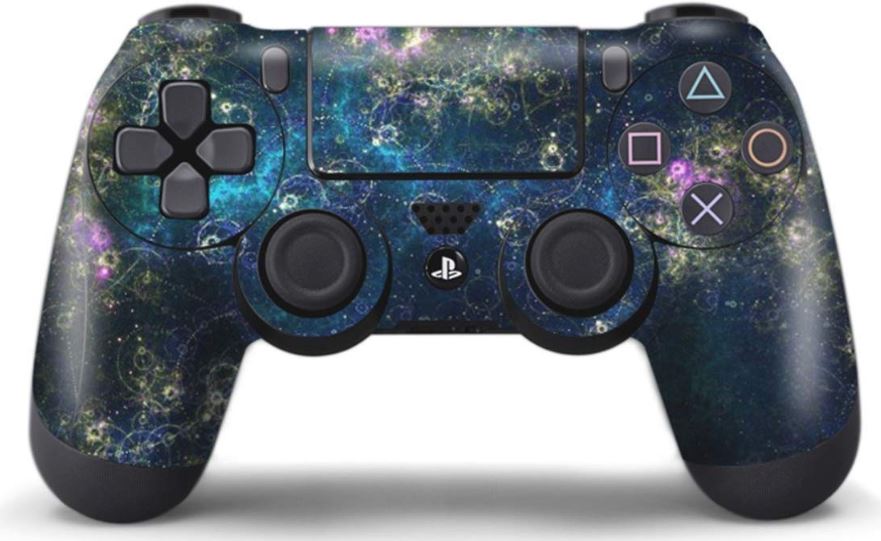
Who doesn't think the universe is cool? This doesn't have a textured grip, but it's still a quality protective skin that sports a lovely galaxy that you can look at. Play a space game with a space controller, maybe?

$6 at Amazon

Artsy

GameXcel Protective Vinyl DualShock 4 Paint Decal

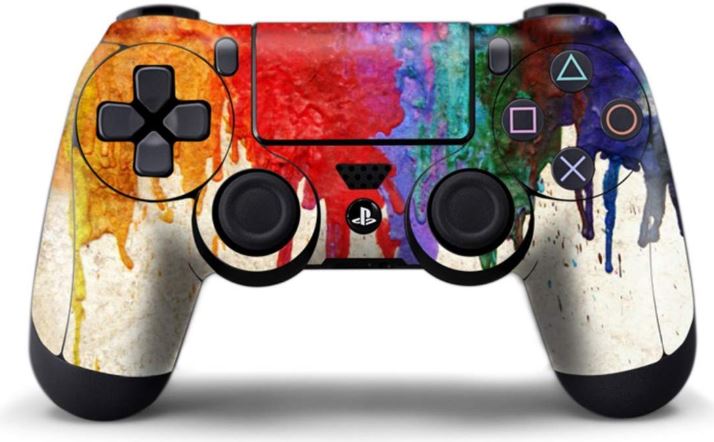
If a galaxy isn't your thing, then maybe this paint decal is. Again, it's not made of silicone, nor is it textured like some of the previous covers, but it's still pretty to look at and comes fairly cheap if you're looking to pick up a random controller skin one day.

$8 at Amazon

Marvel knockoff

GameXcel Protective Vinyl DualShock 4 "Window Spider" Decal

Despite pesky trademarks and copyright getting in the way, there's always a workaround. Take for instance this "Window Spider" decal, bearing no uncanny resemblance to our favorite web-slinging hero in New York City…

$7 at Amazon

Though the latter skins are merely cosmetic, they're perfect for people who don't like the feel of silicone cases. For everyone else, we'd recommend the CHINFAI DualShock 4 Skin Grip Anti-slip Silicone Cover so long-gaming sessions or sweaty hands don't become a chore.

Here's why 2018 has been a great year for Android

Android as a platform is better than ever, but apps still have a ways to go.

Say what you will about 2018. I know a lot of my friends and colleagues like to view it as some kind of intangible monster that's left nothing but wreckage in its path, but if you ask me, this has been a damn good year, at least as far as Android is concerned.

A few years back, it felt like every phone review from every tech blog (present company included) ended with the same allusions of "it's fine, but it'd be way better with stock Android," or "you should just buy a Nexus/Pixel." It feels like those days are behind us — which isn't to say that "stock Android" (however you still define that) and the Pixel line aren't still great; I use a Pixel 3 every day and couldn't be much happier with it. Just that nearly everything else is pretty great now, too.

Almost every Android manufacturer puts out good software these days.

With a few exceptions (I'm looking at you, Oppo), you almost can't buy a phone with truly bad software anymore. Sure, you may prefer certain interfaces over others, but even past offenders like Samsung, LG, and Huawei, who have all received plenty of flack over the years for their clunky or cluttered software, have perfectly usable software in 2018 that in most cases add to the base Android experience, rather than detract from it.

In fact, Samsung's new One UI brings some ingenious new design elements that I desperately hope make their way to the next big Android OS update — namely the overscroll effect that lets you keep scrolling once you've reached the top of a list, filling the top of the screen with blank space and making those menu items reachable with a human thumb. Android's various one-handed UI modes have always felt half-baked to me, especially compared to Apple's Reachability function, and this feels like the perfect solution I've been longing for.

Speaking of OS updates, Android OEMs still take too long to roll them out, but Google has made some efforts this year to tackle that issue. Starting in about a month, Android manufacturers will be required to push at least four security updates to their phones within their first year, and release any security patches within a month, with harsh consequences for noncompliant companies. We'll have to wait and see how all of that plays out, but if nothing else, it's a step in the right direction.

So Android phones are almost universally good these days. Great! There's just one problem remaining: for as much as Android has improved as a platform over the last year, its apps haven't really followed suit. I'm not talking about first-party apps developed by Google or your phone's manufacturer. In a lot of cases, third-party apps from even major companies are still severely lacking on Android compared to their iOS counterparts.

Look at Instagram. Maybe I'm just hyper-aware of the feature gap because I handle AC's Instagram Stories, but it feels like Android always gets left out of even simple features. It took Android months just to get the ability to switch cameras while recording a Story video, and there's somehow still no locking grid to help you line up objects like text and forms in your Story — something iPhone users have been able to do for ages. Even the timeline doesn't work great on my phones; swiping left or right from the main feed (which should take you to your Stories camera or direct messages, respectively) rarely ever works, which was never an issue when I used an iPhone X.

The Grailed app is a disaster that deserves to be yeeted into a hole — how do you do, fellow kids?

Then there are apps from smaller companies like Grailed, a site I use every so often to buy limited edition shoes from other users — yeah, yeah. The Android app is borderline unusable; you can't even zoom on images or even filter for your size which, you guessed it, works just fine on iOS. Even the website works better, which just makes me wonder why they bothered building an Android app at all.

That's a bit of a niche example, I know, but my point is that the longstanding cliche of iOS apps being better than their Android counterparts still very much holds true, whether we like it or not. I don't know that there's really a solution here; even with a higher market share, the sheer number of different devices just makes Android harder to support than iOS. But I'm always hopeful that the app situation will improve with time. We're getting there.

All in all, I think Android made a lot of great strides this year. Pie itself isn't radically different than Oreo before it, but OEMs have gotten dramatically better at making their own software, and the groundwork is laid out for updates to be at least a little bit more timely. I'd call 2018 a resounding success, even if there were a few flops along the way.

Should you buy the Marshall Kilburn II speaker?

Best answer: You can get a decent Bluetooth speaker for under $100, but if you're looking for a more powerful option for outdoor parties or lounging at the pool, the Marshall Kilburn II is the perfect choice. Its room-filling sound, IPX2 water resistance, 20-hour battery life, and easy portability make it one of the best Bluetooth speakers around.

Amazon: Marshall Kilburn II ($249)

Why the Marshall Kilburn II is the perfect portable Bluetooth speaker

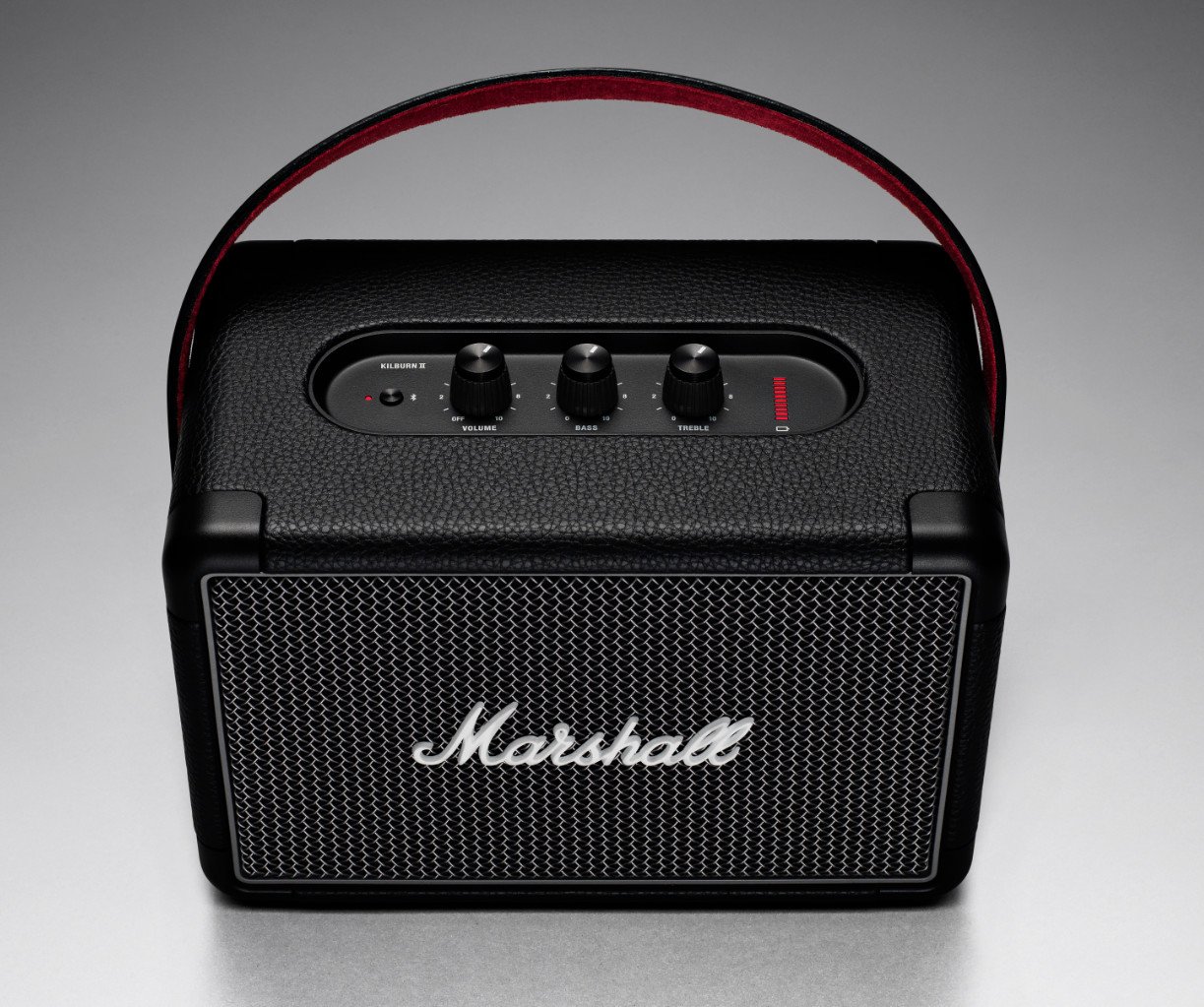
The first-gen Kilburn was a great Bluetooth speaker, and with the Kilburn II Marshall rolled out a slew of upgrades that make it an even better option. There's a new design for the front fret that gives it more character, and Marshall has done a magnificent job retaining that retro styling.

There are three analog knobs at the top that add to the design flair. You'll be able to adjust the volume, bass, and treble with the knobs, but the dedicated volume on/off toggle from the previous generation is no longer present. Instead, you turn the volume knob for switching on the speaker, and there is now a battery level indicator where the power toggle used to be located.

The Kilburn II is one of the loudest Bluetooth speakers available today.

The first-gen Kilburn featured two 5W tweeters and a single 15W woofer, whereas the Kilburn II has two 8W tweeters paired to a 20W woofer. Marshall has changed the orientation of the tweeters as well: the Kilburn II has one positioned at the front and one at the back to produce multi-directional sound. Bluetooth 5.0 is standard along with AptX, and the Kilburn II can be connected to two devices at once.

The larger drivers make the Kilburn II one of the loudest portable Bluetooth speakers available today. You get a delightfully warm soundstage that's perfect for listening to rock ballads and retro hits, but it also delivers an impressive amount of bass.

And even though it is more powerful than the first-gen model, Marshall has managed to bring down the weight from 6.6lbs to 5.5lbs. That said, the Kilburn II is still quite heavy, and as such you get a strap that makes it more convenient to carry it around. On the subject of portability, Marshall has added corner caps to make the Kilburn II more durable, and the speaker is IPX2 water resistant, which means it'll withstand the occasional splash of water.

You get well over 20 hours of listening time from a full charge, and the Kilburn II also has fast charging that delivers over two hours' worth of music playback from a 20-minute charge. The speaker's styling won't be to everyone's tastes, but if you're like me and grew up listening to music that featured neverending guitar riffs and keyboard solos, the Kilburn II is the Bluetooth speaker you've been waiting for.

Wonderfully retro

Marshall Kilburn II

$249 at Amazon

Looks good, sounds even better.

There are few speakers that look as good as the Kilburn II, and even fewer that sound as good. With 36W of room-filling sound backed by the convenience of Bluetooth 5.0 and AptX, the Kilburn II is the ideal choice if you want a portable speaker with long-lasting battery life.

Eventide H9 Max review: Overwhelmingly awesome

If it's good enough for Pete Thorn, it's great enough for the masses.

Guitar effects pedals are magical, wonderful things that truly make an already wonderful guitar shine. Hell, they can even help a terrible one sound half-decent. When it comes to multi-effects pedals, very few manufacturers get it right.

I had a Line 6 Spider amp for 10 years, and while its 600 presets gave me myriad tones to play with, the modeled effects didn't track for attack or any amount of subtlety in my playing. With the H9 Max, Eventide has sought to create a one-stop shop for guitarists — "a complete pedalboard in one stompbox" — and it has succeeded tenfold. And once you figure out how to use it and then spend the rest of your life chasing tones, you'll agree it's worth the steep price.

A world of sound

Eventide H9 Max

$699 at Amazon

Every effect you need and SO. MUCH. MORE.

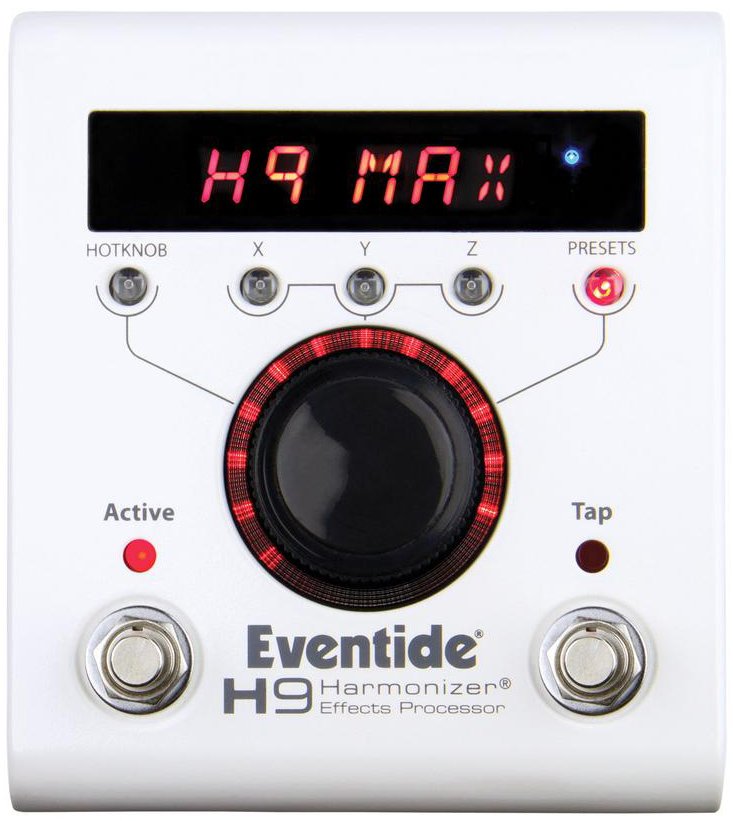
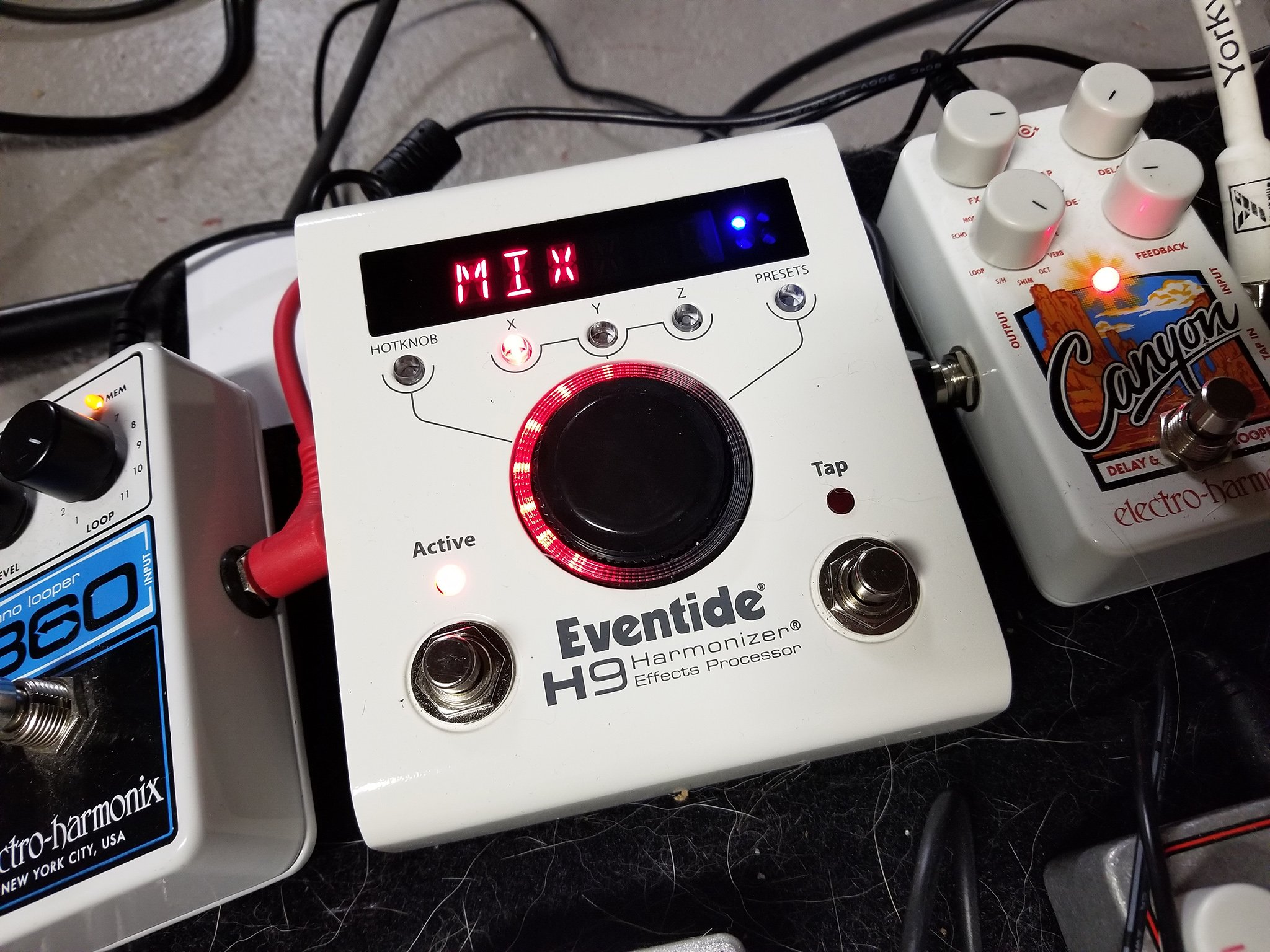
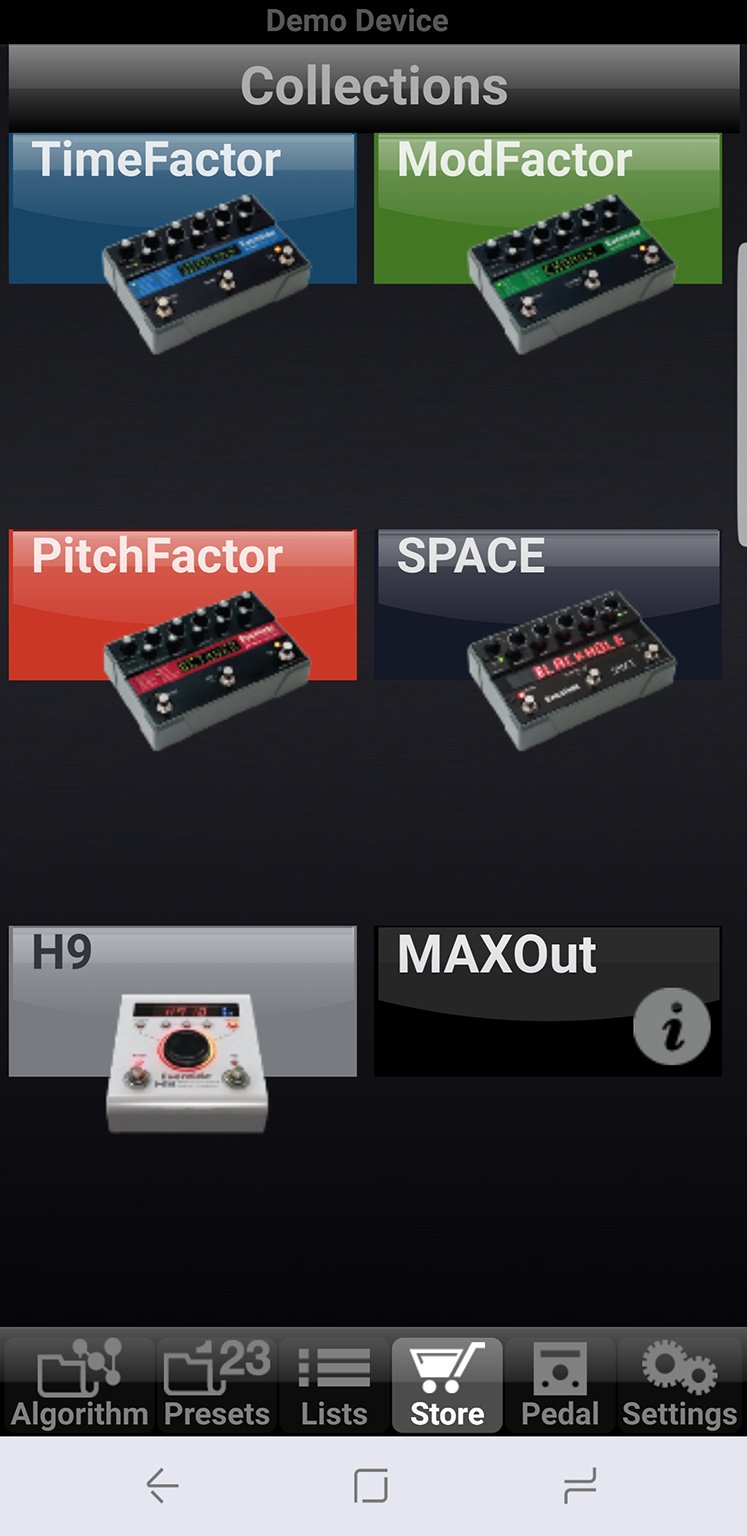
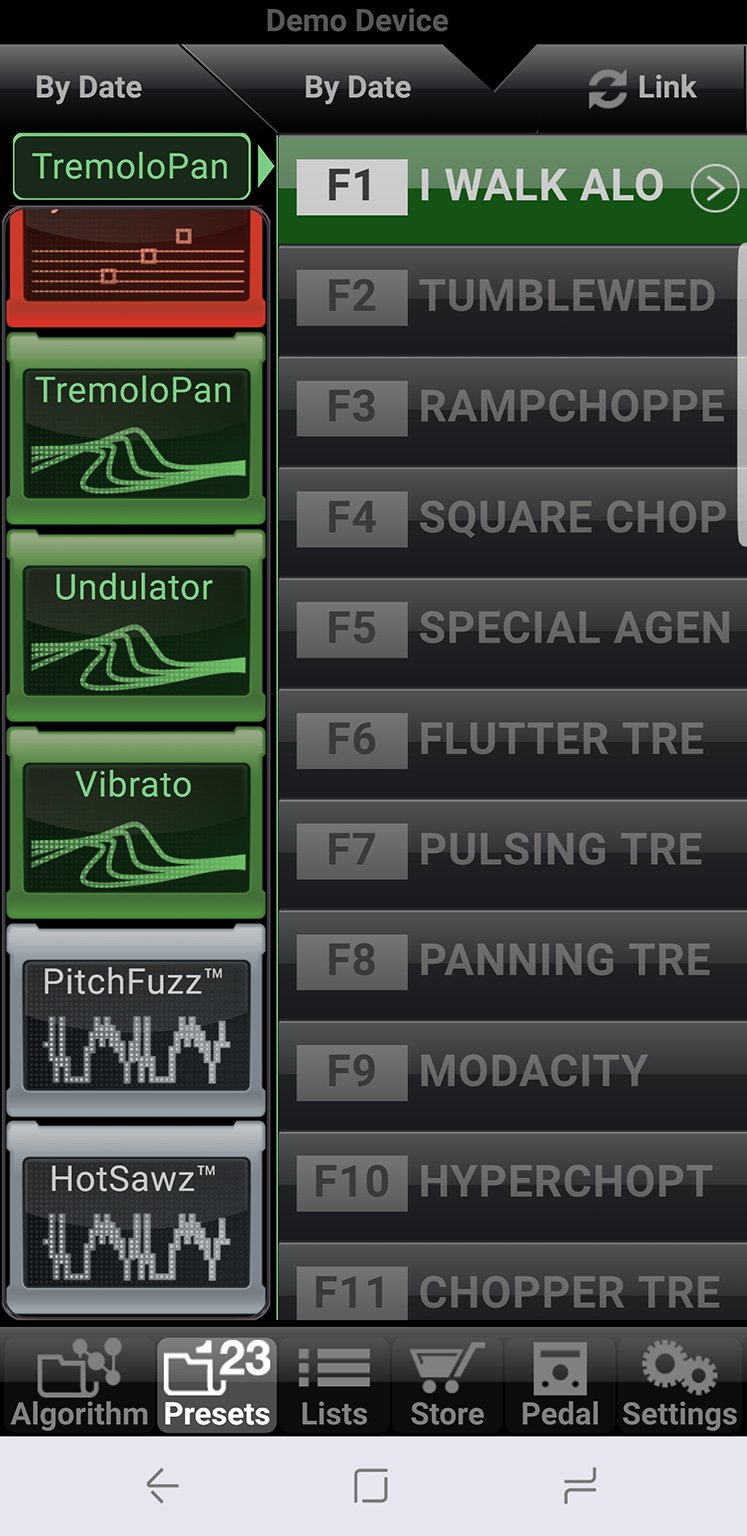
The Eventide H9 Max comes with 99 presets out of the box, and you can shape every one right on the pedal or in the Android app, which is like a stompbox right on your phone.

The Good

  • 99 presets out of the box and more through updates
  • Gorgeous all-white design with LED display
  • Tap tempo and expression pedal input
  • Stereo in/out
  • Real-time MIDI control

The Bad

  • Expensive (especially in Canada)
  • A distinctly "Eventide" tone

Eventide H9 Max What I love

I've only really been immersed in the world of guitar effects pedals for a couple years now, having had the aforementioned Line 6 amp for so long, but I've come to amass a solid little collection, and I've been very picky in my selections thus far. I'm not a total tone snob, and I like to experiment to find new sounds (yeah, like every player).

So when I was offered the H9 Max to review, my brain exploded, and then I rushed to YouTube to watch demos. And there was Pete Thorn, one of the most underrated players around, talking about how he tours with two of these on his pedal board. So I sat down and went to work experimenting and simply running through all of the presets and trying them out. It took 4 hours.

It took me 4 glorious hours to go through every preset.

Where a lot of my time went was to the cleverly named presets that are there for specific songs. For example, there's a "Streets" preset, which is modeled after The Edge's multi-head delay in "Where the Streets Have No Name" by U2. You better believe I sat and learned that whole song just to use that delay effect, and it is absolutely spot on. There's also a tremolo preset called "I Walk Alone," which Green Day fans will recognize as the theme from the opening of "Boulevard of Broken Dreams." It's all these delightful little touches that go into making an already great pedal incredible.

That's the best part about the Eventide H9: if you don't feel like mucking about with every preset, you don't have to. There is so much you can do with what's built in, and if you want to tweak the mix or decay or feedback or whatever for each preset, you can do it all right on the pedal. It'd take ages just to go through each one and play with the settings until you're satisfied, and all the while you'd find new sounds you weren't looking for to begin with.

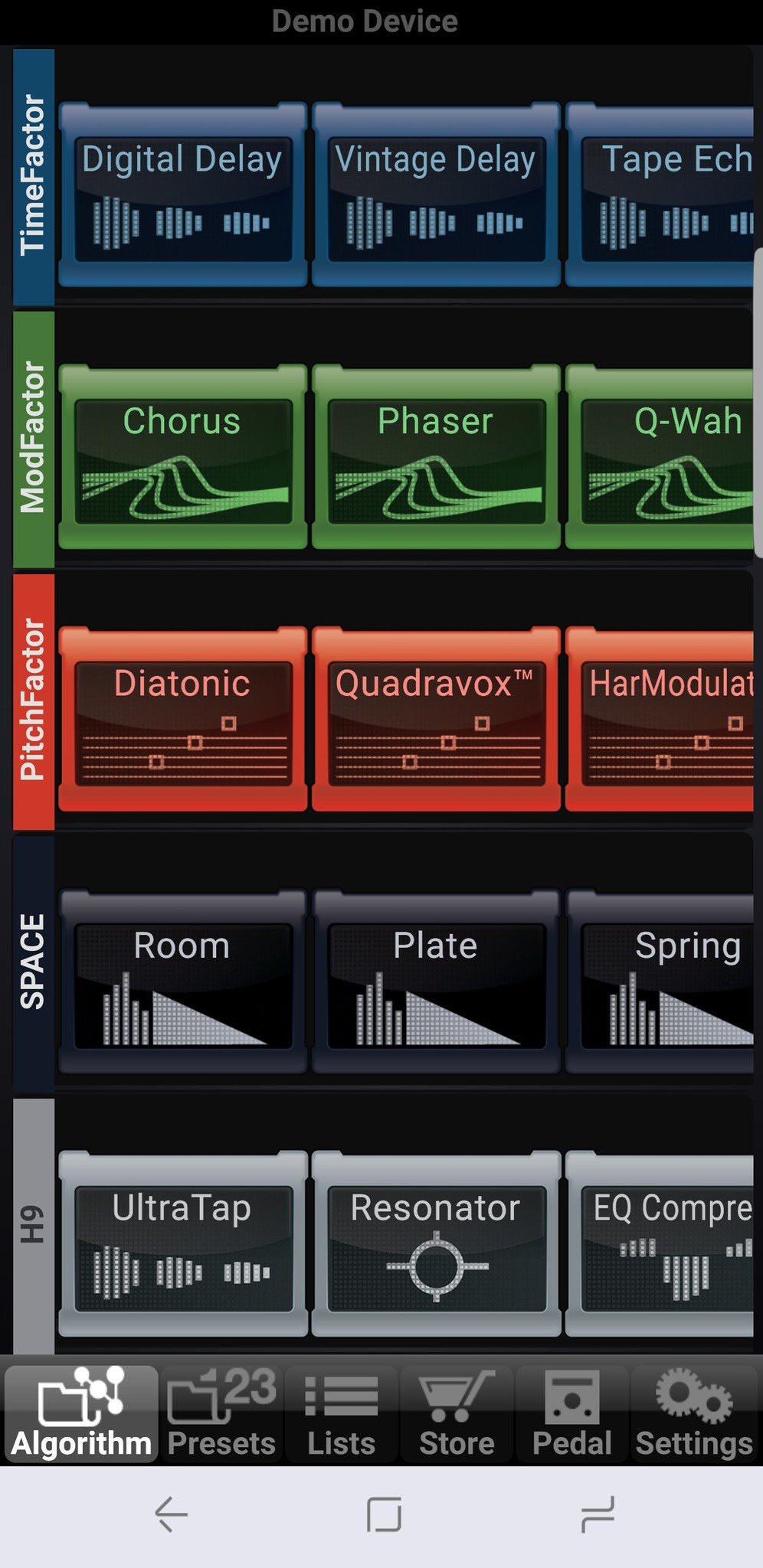
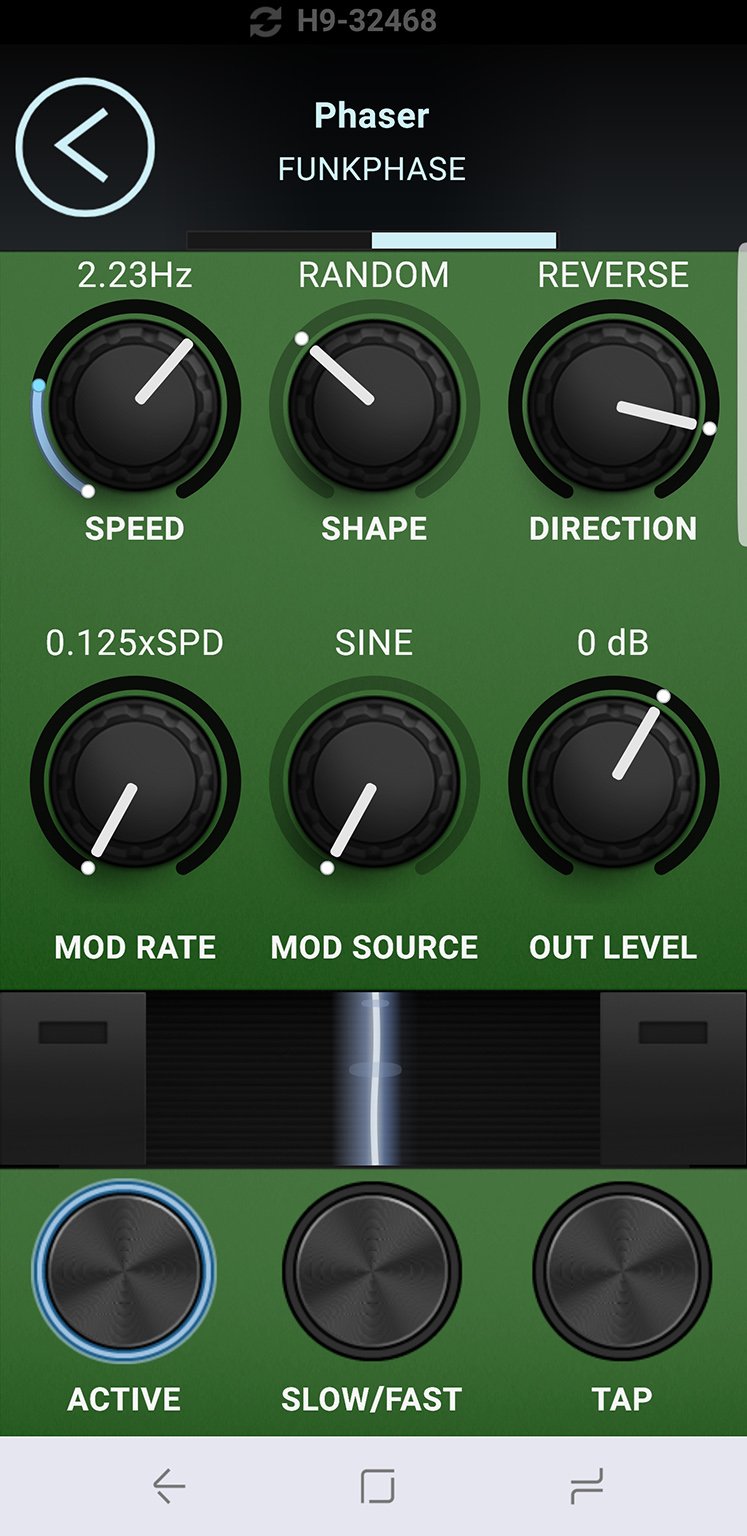
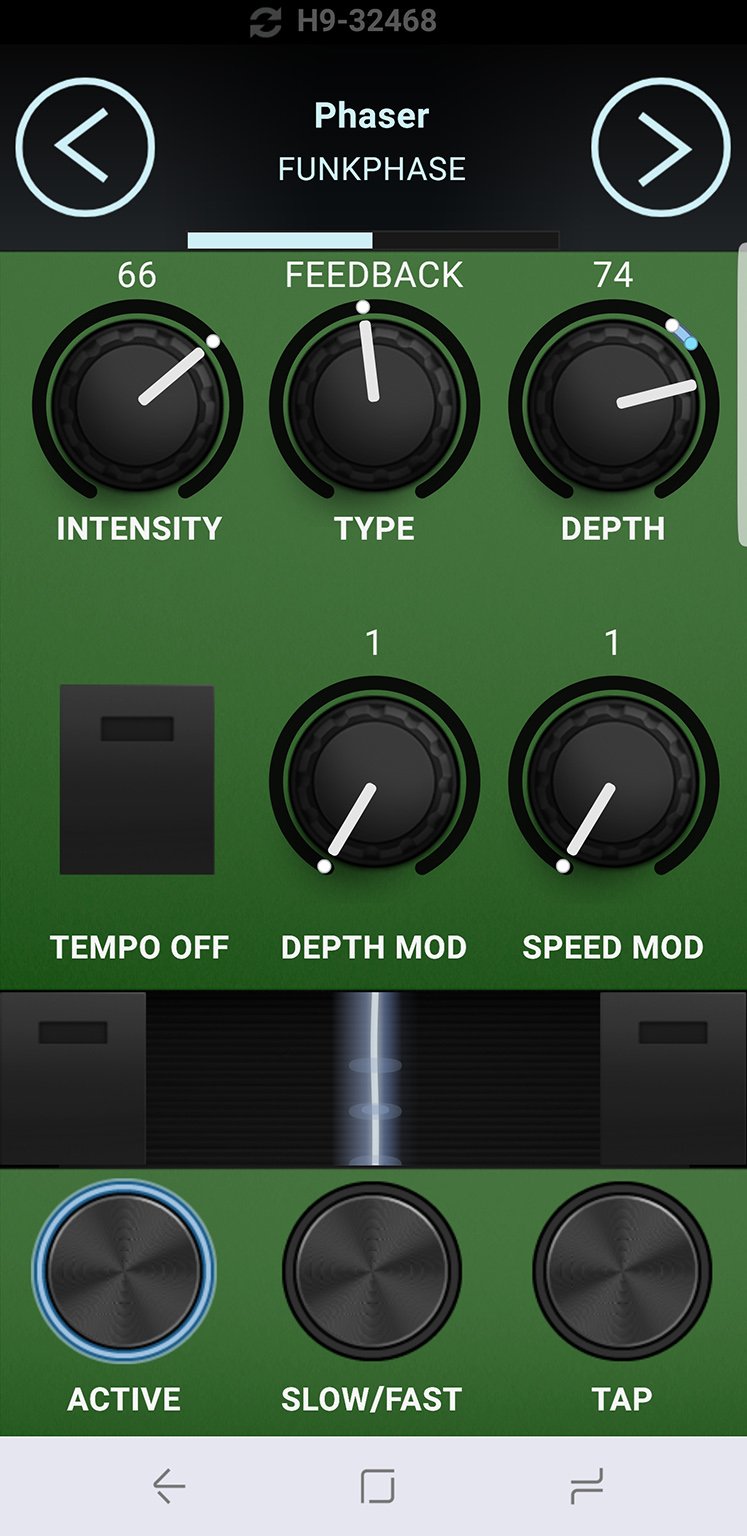
The Android app, however, is where this baby really shines, and it's also where the overwhelming nature of the H9 Max takes over. In real time, you can toy with the algorithms until you're satisfied, though you'll never be, because there's so much to do.

The interface for each preset is like a two-faced stompbox, and the settings will vary by effect, though you can often control the speed, depth, decay, feedback, volume, and lots more. And the tap tempo in the app works in real time as well, instantly. What a time to be alive.

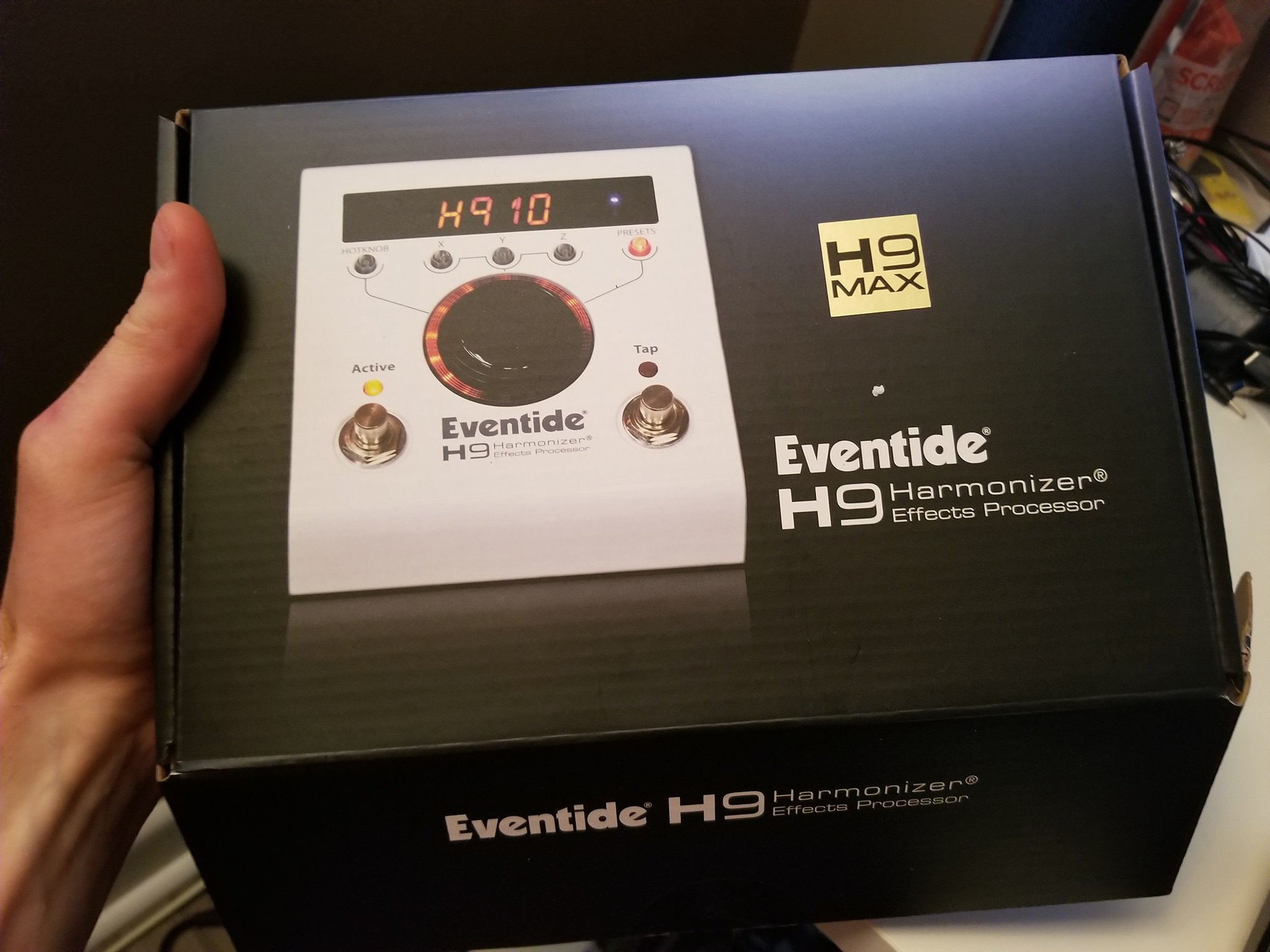
I also have to mention the design of the H9 Max. I'll admit, when I first pulled it out of the box, I thought it looked generic since it's all white with a big black knob. Then I turned it on and the multicolor LEDs came to life, and I was most pleasantly surprised. It's a work of art. It's also built to last, made of solid (I'm assuming) aluminum and weighing in at over 1.5 pounds.

Eventide H9 Max What I don't love

This list is small, since there's very little about this pedal I don't love, and there is so much I have yet to explore after using it for a week and a half. My main beef is what I'm calling the "Eventide tone." And this isn't even a bad thing, but it is noticeable — so many of these presets sound like more of the same. I mean, there's only so much you can do with a set number of effects.

Similarly to Electro-Harmonix pedals, the H9 has a distinct tone that colors your sound ever so slightly. I actually kind of like it, but my tone snob of a buddy doesn't like it much. It'll depend on your personal taste at the end of the day.

There's a distinct 'Eventide' tone, but that's not necessarily a bad thing.

This is really nitpicky, and if you're buying this pedal with your own money, it won't be an issue because it's what you want, but the H9 Max is entirely overwhelming. There is just so much to unpack that it could literally take you months to map out tones you love and really get a handle on how to use the app and what every little dial does to every single sound. This pedal is truly for guitar scholars and may be better suited to the folks who make guitar their life.

For casual players or folks who just want to throw down and jam, you may just want to go for simpler stompboxes. But if you like to just sit and play for hours, never laying down the same lick twice and never using the same effect twice, then dive in, but be prepared to pay a premium.

Should you buy it? Yes, if…

As a tool for songwriters, this is the ultimate effects pedal. If you've ever written a tune and thought, "man, some gorgeous shimmer would go perfectly here," but you don't have a shimmer on your pedalboard, boom, turn the dial and you have some brilliant shimmer (better than the EHX Canyon, even). If you want to play with multi-delay effects, but you've only ever had a single delay pedal, this is the pedal for you.

If you're just getting started with guitar pedals, but you know quite a bit already, and you're not sure which other effects you'd like on your board, this may be the perfect jumping-off point (if money is no object). Though it is a very deep pool to jump into off the bat.

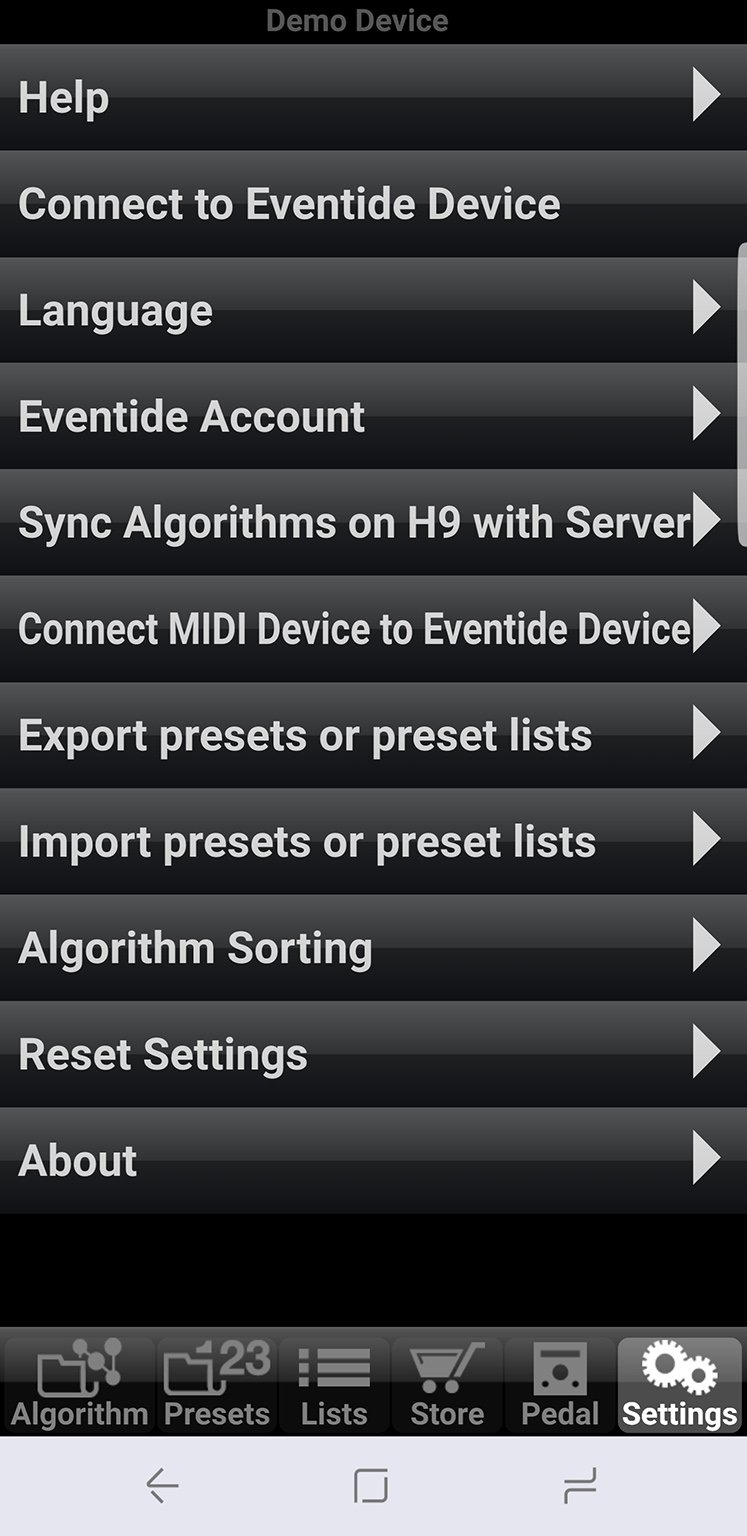
The Android app is excellent, and the real-time interface is incredible (the future is now!), with stompbox after stompbox right on your damn phone. Updating is a little finicky, and you may have to factory reset the pedal if you have tracking issues (like I did with the HotSawz update), but it's still brilliant. I actually like this even better than the Hotone Xtomp, because you can use the pedal on its own without every connecting to an app (though the Xtomp is half the price).

So if you're serious about effects, have a lot of time to devote to your sound, and want endless songwriting possibilities, then invest in the Eventide H9 Max. With firmware updates and effects for a lifetime, it's just that: an investment.

See at Amazon