Appnext

Sabtu, 30 Juni 2018

The BlackBerry KEY2 is in a market with no competitors — but is that enough to make it sell?

It's the only modern smartphone with a hardware keyboard, but I'm not sure that's enough.

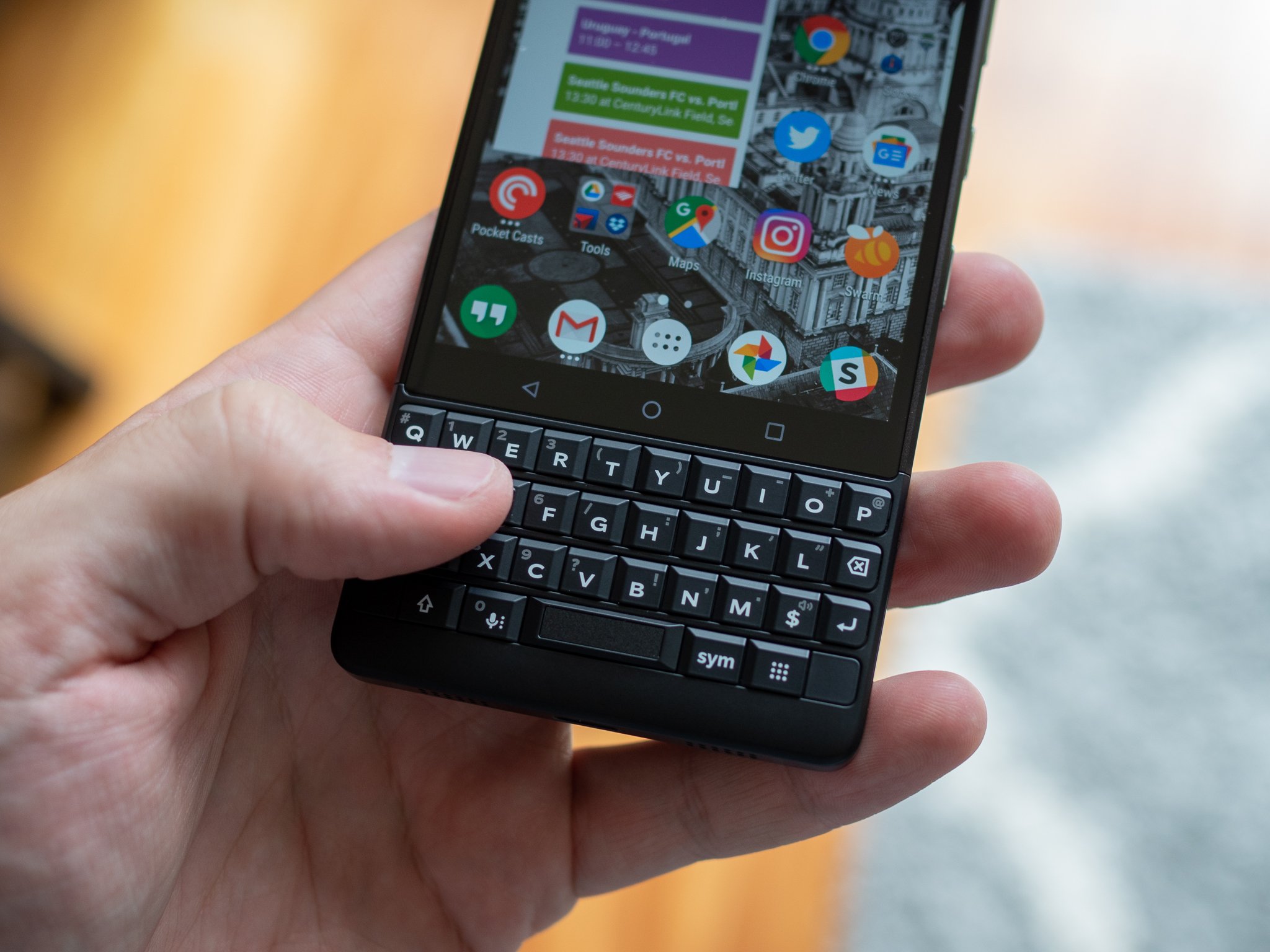
I've been using my BlackBerry KEY2 for about a week and a half now, and I haven't been doing so begrudgingly or out of any sort of obligation — I've continued to carry it by choice. I'm not here to talk about my personal takes on the KEY2 as a device — that'll come later in a specific review, and Daniel wrote up a brilliant full review of the phone already that I recommend you read. But I want to keep using the KEY2 so I can try to wrap my head around just how big the potential market is for this phone; for a smartphone with a hardware keyboard in 2018.

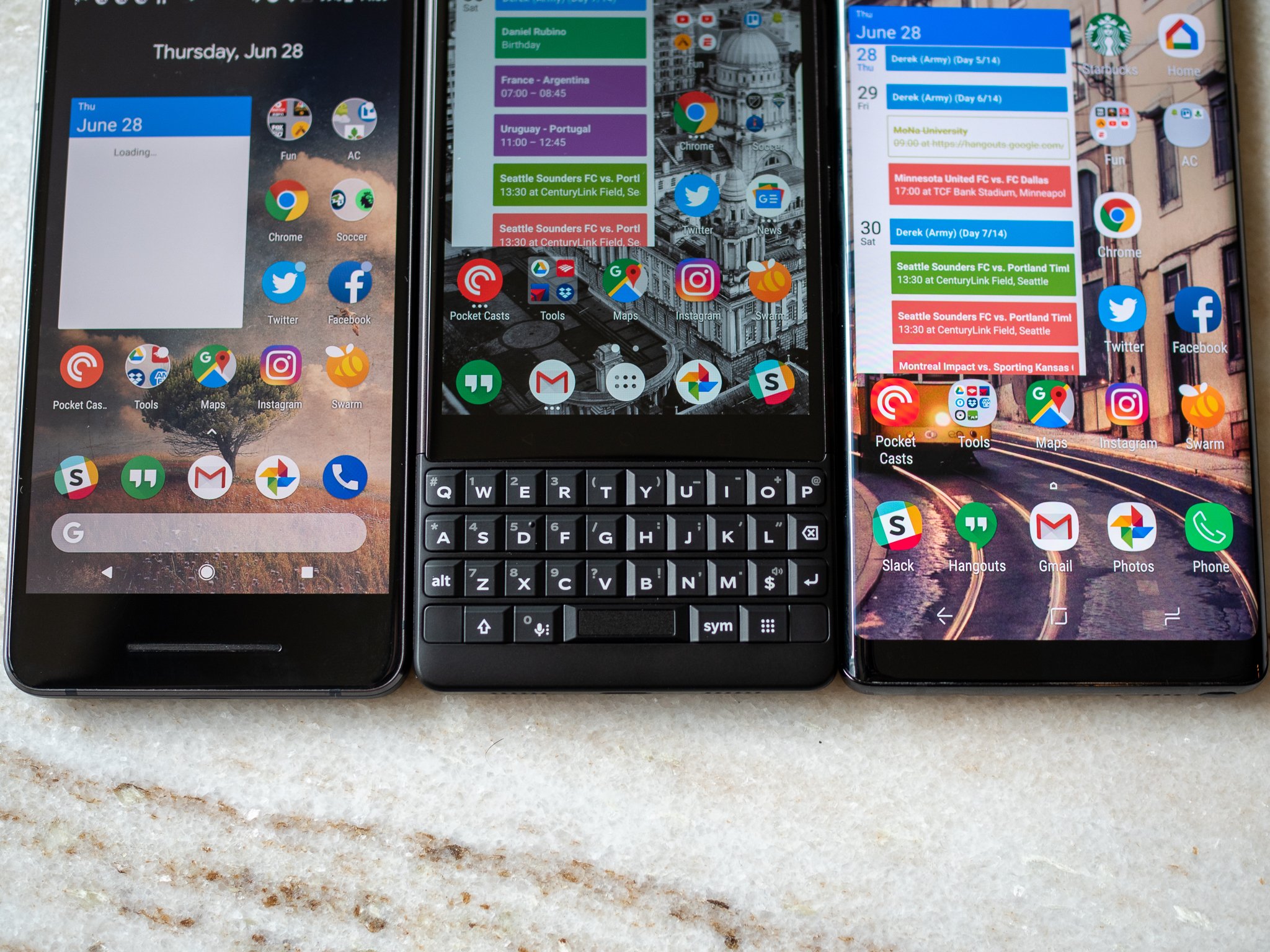
In a world of increasingly homogeneous smartphone designs and feature sets, we often talk about markets segmented by price, retail availability and size. Phones have some differentiations, but with lots of feature and spec overlap, price and availability become defining factors when people are making a buying decision. Seldom do phones differentate themselves with a single feature or design choice to the point where it has no other direct competition. Yes, there are certain features that weigh more heavily for some consumers than others, like a headphone jack or camera feature, but those aren't strong enough to keep a single phone completely separate and unable to be compared to others in the way the KEY2's keyboard does.

We know the KEY2 isn't perfect — its screen, cameras and speaker leave much to be desired. But at the same time, it almost doesn't matter, so long as these downsides are still in "good enough" territory, because the KEY2 appeals to a single market: people who want a hardware keyboard. The question people following the smartphone world have is, just how many people out there are willing to make a smartphone buying decision based purely on having that hardware keyboard?

There's little doubt that some people want a smartphone with a hardware keyboard. There's the nostalgia factor, of course, harkening back to a decade ago when people loved their BlackBerry. But there are also some people who stuck with the increasingly rare hardware keyboard devices up until a couple years ago. They legitimately prefer the tactile feel of keys to tapping on glass, even if they inherently know that it isn't quite as fast or versatile as a full touch screen device. There are people out there for whom a hardware keyboard is the best way to use a smartphone.

The KEY2 is truly unique, but is that a selling point or a sign that it's the only product in a nonexistent market?

TCL won't break out any sort of sales figures, but it's a safe assumption to say that the KEYone didn't sell in amazing volume. Even with various different color versions, RAM bumps and worldwide availability, it didn't sell well enough for the company to make any noise about the numbers. You could argue that was because of the phone's myriad issues and not the existence of a hardware keyboard ... but it seems to me it's simply due to the market for hardware keyboarded smartphones being downright tiny nowadays. And the KEY2 isn't going to change that, considering it's just a much-improved KEYone rather than an altogether new take on the form factor.

The KEY2's keyboard works quite well. In a typing test, I'm roughly as fast with it as I am typing at an on-screen keyboard. And that keypad offers a lot of extra features that BlackBerry should be touting more than it does. But it's still a relic of the past — an antiquated input method that most people gave up on 5 years ago, if not a decade.

Only TCL knows the KEY2 sales figure that's considered a "success," and I hope the company is pragmatic enough to not expect it to sell in the double-digit millions per year. It stands to reason that the KEY2 will have to sell much better than the KEYone did to justify continuing to develop this hardware keyboard product line, though, and I'm just not sure it can. Even when it's a phone available in a market with no competitors.

HDHomerun Quatro is down to one of the lowest prices we've seen!

HDHomerun Quatro has — wait for it — four tuners, so you can watch up to four shows at one time on multiple devices. ($119 at Best Buy)

Our favorite OTA streaming box at its best price ever!

If you're in the market for a good over-the-air tuner that also shares that sweet free television with almost any device on your network, today is a good day to buy. Best Buy has the HDHomerun Quatro on sale for just $119, which is one of the lowest prices we've seen.

Why HDHomerun? It's got the easiest setup of any of the OTA streaming boxes we'e used. (So long as you don't need DVR or want to use it with Roku.) Just plug it in, fire up the app, and you're good to go. And the quatro has four tuners, so you can watch different channels on multiple devices — up to four, because quatro — at the same time. It's perfect if you have multiple televisions in your house, or know that you'll be watching on multiple mobile devices at the same time.

It works with web browsers. It works with Android. It works with iOS (via the Channels app). It works with Linux. And Windows 10. And Plex and network-attached storage.

And that $119 sale price is spot-on.

More: The best over-the-air streaming box for cord-cutters

See at Best Buy

Samsung Galaxy S8 and S8+: Everything you need to know

The Galaxy S8 and S8+ have already been around for over a year, but they're still among the best phones you can buy.

Samsung is an absolutely massive player in the smartphone space, and that all comes down from up high with the flagship Galaxy S line. The Galaxy S8 and its larger partner the Galaxy S8+, build on the core features and experiences from the Galaxy S7 and bring things into the future with great new design and a few eye-catching features that were all new for 2017. They go along with the Galaxy Note 8, which is slightly bigger and features an S Pen stylus, to form a trio of great hardware and meaningful software updates.

Here's everything you need to know about the Samsung Galaxy S8 and Galaxy S8+.

Galaxy S8 and S8+: The basics

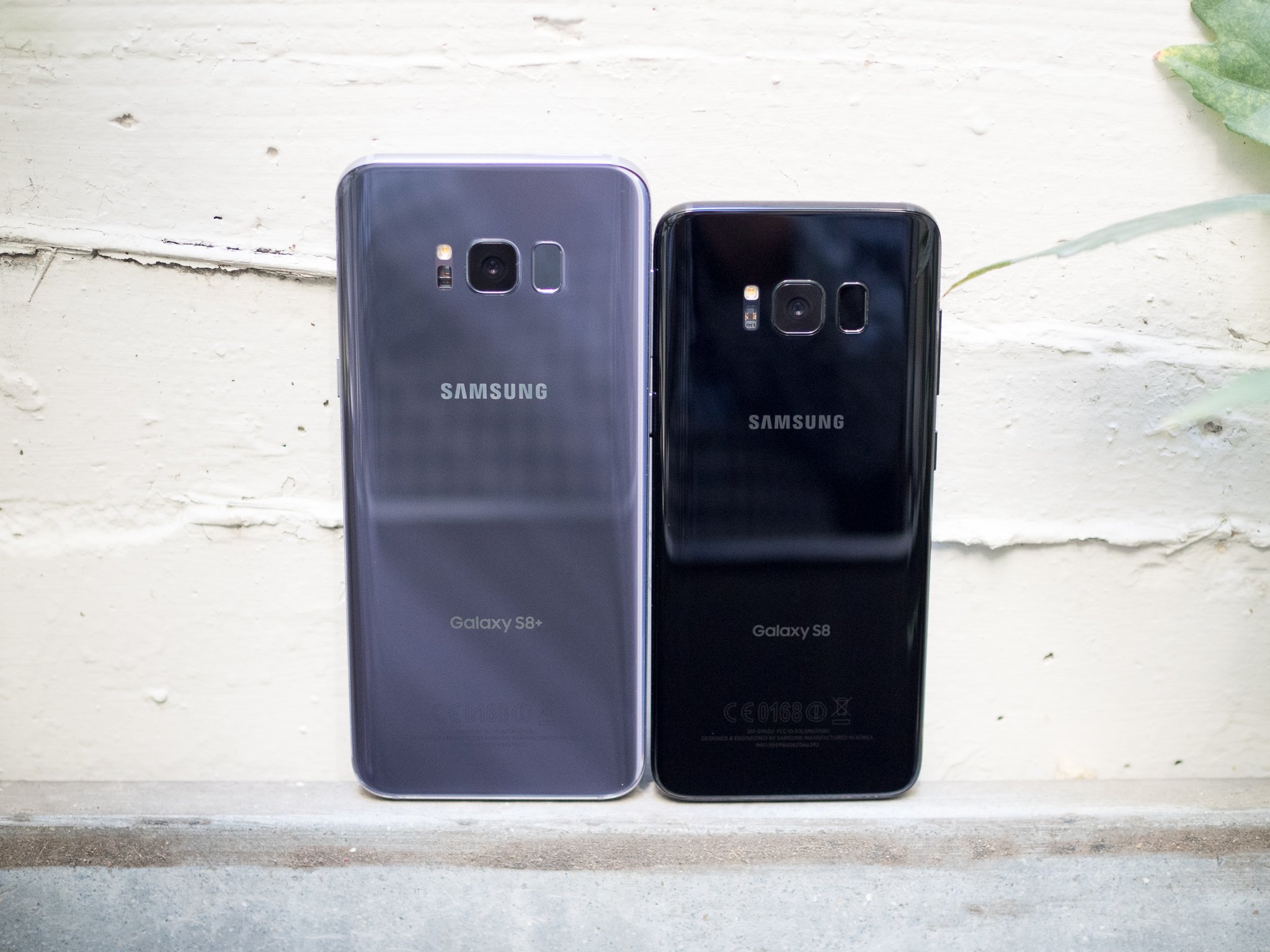
The two phones, which are only differentiated by their screen size and battery capacity, come in at 5.8-inches and 6.2-inches with extra-tall 18.5:9 aspect ratio displays. That battery difference is pretty subtle: 3500mAh for the Galaxy S8+ and 3000mAh for the standard Galaxy S8. You may note that the Galaxy S8+'s battery is actually 100mAh smaller than the Galaxy S7 edge of last year, while the Galaxy S8's is the same size as the Galaxy S7 despite being a larger phone.

Though the batteries haven't increased in size, the hope is that the improved efficiency of the new 10 nm processor inside — that'll be the Qualcomm Snapdragon 835 or the Samsung Exynos 8895, depending on the region — will provide some help. The processor is backed up by 4GB of RAM, an increase to 64GB of storage, and of course a microSD card slot. Waterproofing and wireless charging are still here as well, plus a new USB-C port on the bottom. The rear camera is unchanged in terms of its 12MP sensor and f/1.7 lens, but has improved processing thanks to new software and a new ISP (image signal processor).

This is some beautiful hardware all around.

The overall design for the phones is identical on both sizes, and is still shimmering glass and metal much like the previous generation. It's punctuated by the long edges of the displays curving subtly off the side, more so like the Galaxy Note 7 than the more dramatic Galaxy S7 edge — and to that point, there is no "edge" model here, as both phones sport the curves.

Read: Samsung Galaxy S8 review

The displays have an 18.5:9 aspect ratio with a QHD+ resolution, meaning they're extra tall while staying relatively narrow. Samsung has also moved to on-screen buttons and reduced bezel size dramatically in order to fit as much screen into the body as possible. That necessitated the movement of the fingerprint sensor to the back of the phones, where it sits somewhat-awkwardly next to the camera lens. Iris scanning makes its return in a new-and-improved version from the Note 7 to try and pick up the slack.

Get familiar with all of the Galaxy S8's specs

Samsung is trying to drive a narrative that we've moved beyond specs (and you can definitely argue that we have), but the enthusiasts will always want to know the details of what's powering the latest phones. You get just about everything in here that you'd expect

Category Galaxy S8 Galaxy S8+
Operating System Android 7.0 Nougat Android 7.0 Nougat
Display 5.8-inch AMOLED
2960x1440 (570 ppi)
6.2-inch AMOLED
2960x1440 (529 ppi)
Processor Qualcomm Snapdragon 835
or Samsung Exynos 8895
Qualcomm Snapdragon 835
or Samsung Exynos 8895
Storage 64GB (UFS 2.1) 64GB (UFS 2.1)
Expandable microSD up to 256GB microSD up to 256GB
RAM 4GB 4GB
Rear Camera 12MP Dual Pixel, f/1.7
1.4-micron pixels
OIS
12MP Dual Pixel, f/1.7
1.4-micron pixels
OIS
Front Camera 8MP, f/1.7
auto focus
8MP, f/1.7
auto focus
Connectivity Wi-Fi 802.11ac MIMO
Bluetooth 5.0
NFC, GPS, Glonass, Galileo, BeiDou
LTE Cat.16
Wi-Fi 802.11ac MIMO
Bluetooth 5.0
NFC, GPS, Glonass, Galileo BeiDou
LTE Cat.16
Charging USB-C
Fast charging
Qi wireless
Powermat wireless
USB-C
Fast charging
Qi wireless
Powermat wireless
Battery 3000mAh 3500mAh
Water resistance IP68 IP68
Security One-touch fingerprint sensor
Iris scanner
Samsung KNOX
One-touch fingerprint sensor
Iris scanner
Samsung KNOX
Dimensions 148.9 x 68.1 x 8 mm 159.5 x 73.4 x 8.1 mm
Weight 155 g 173 g

As for the two different models, the Galaxy S8 and S8+ are identical internally aside from the batteries and of course screen sizes.

Notable camera improvements on the GS8

On the face of it, the spec hounds among us won't be satisfied with the fact that Samsung has stuck with the same camera specs from the Galaxy S7 in the new Galaxy S8. Yes, that means we're looking at a 12MP "Dual Pixel" camera with an f/1.7 lens — but remember that the software and ISP (image signal processor) have been improved since last year, and this was arguably the best camera of 2016. On the other side, Samsung has completely revamped the front-facing camera to an 8MP unit with autofocus — all the better for your selfies of all types.

How does it all come together? Here's Daniel's take from our Galaxy S8 review:

Since the Galaxy S8 has the same fundamentals as its predecessor, it's still one of the fastest, most reliable cameras on any phone. [...] Unlike some of the other substantive hardware improvements, the Galaxy S8's rear camera is another solid effort, but not more.

Compared to the Galaxy S7, the Galaxy S8 takes naturally sharper photos (meaning it uses less artificial sharpening), and also takes less-saturated and more accurate photos. Those are both overall quality improvements, while the GS8 also remains lightning quick with lots of extra software features to boot.

The Galaxy S8 has what it takes to capture wonderful photos with extreme reliability, but unlike this time last year, it is challenged overall by the flagship competition — namely the LG G6, Google Pixel 2 and HTC U11.

Everything you need to know about the Galaxy S8's cameras

There are some new software features in the Galaxy S8

As Samsung often does, we got a good sneak peek at the Galaxy S8's software experience in the form of the Android Nougat update for the Galaxy S7 and S7 edge. But there are some changes to make note of.
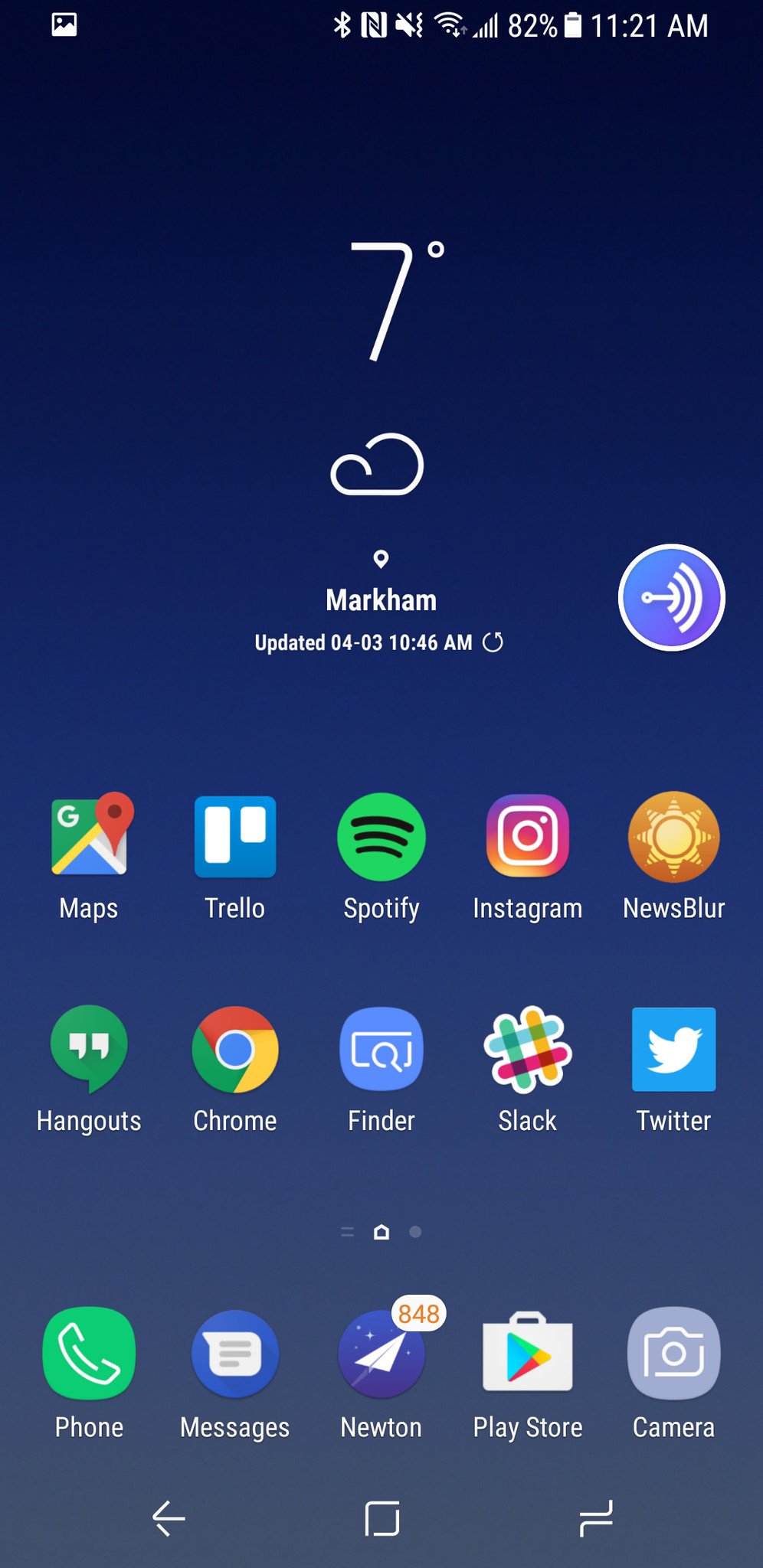
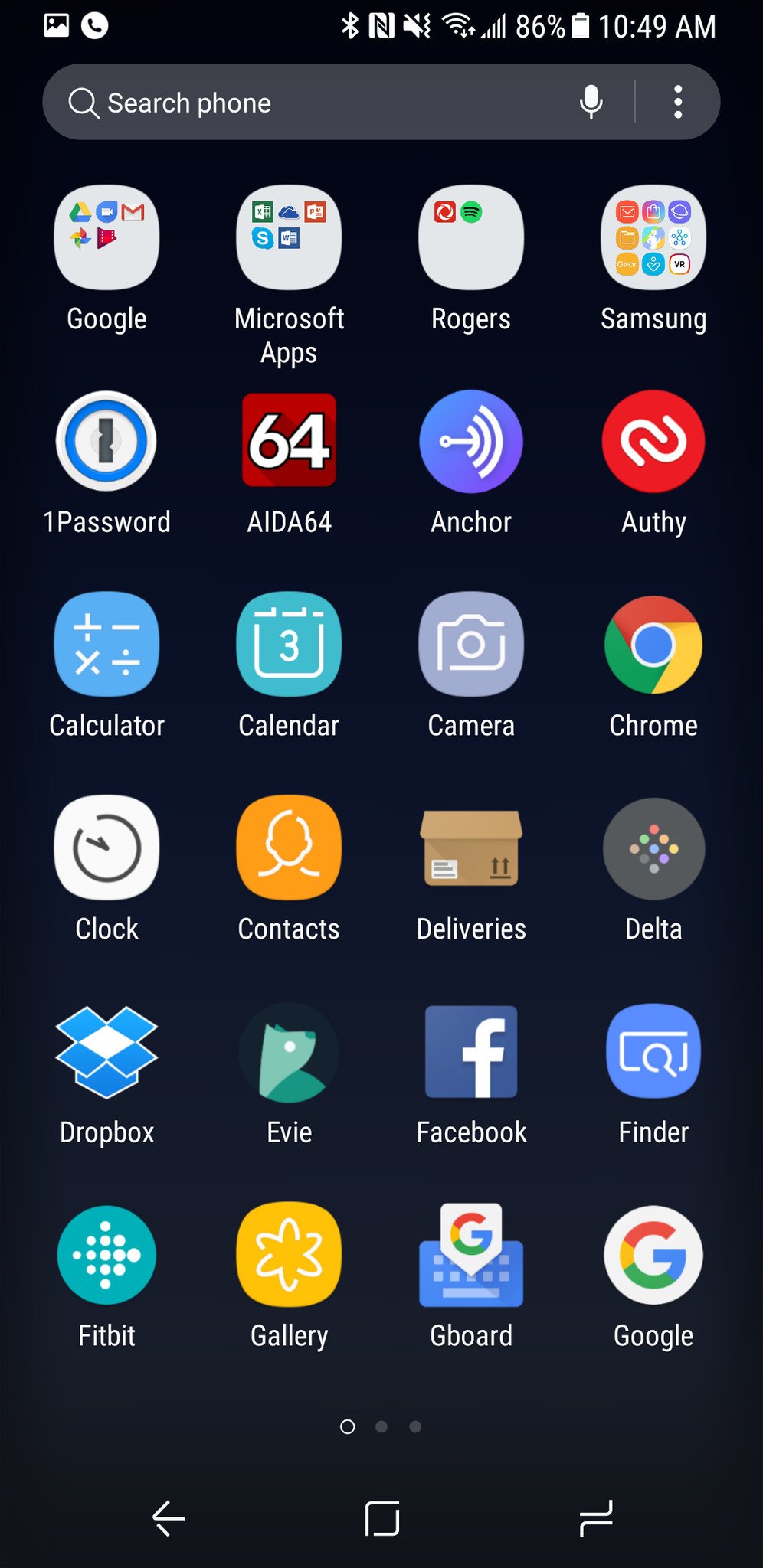
What you'll find on the Galaxy S8 is very similar in terms of its design, core apps and behaviors, but you'll also find a new launcher layout, new icons, on-screen buttons and of course a bunch of new features. Not the least of which being Bixby, DeX, S Pen-styled note-taking features and more.

A complete look at the Galaxy S8's software in our review

Galaxy S8 review, one year later: Much cheaper, still fantastic

Oreo is here!

After a rocky start, Android 8.0 Oreo rolled out the the Galaxy S8 in spring 2018. Standard Oreo features such as notification channels, Google's auto-fill service and general speed improvements are all present. There are also Samsung-exclusive features such as Edge lighting and improvements to the always-on display. The experience overall should be familiar for current customers, with subtle but meaningful improvements.

More: Samsung Galaxy S8 Oreo update: Top features + what's new!

This is Samsung's DeX desktop dock for the Galaxy S8
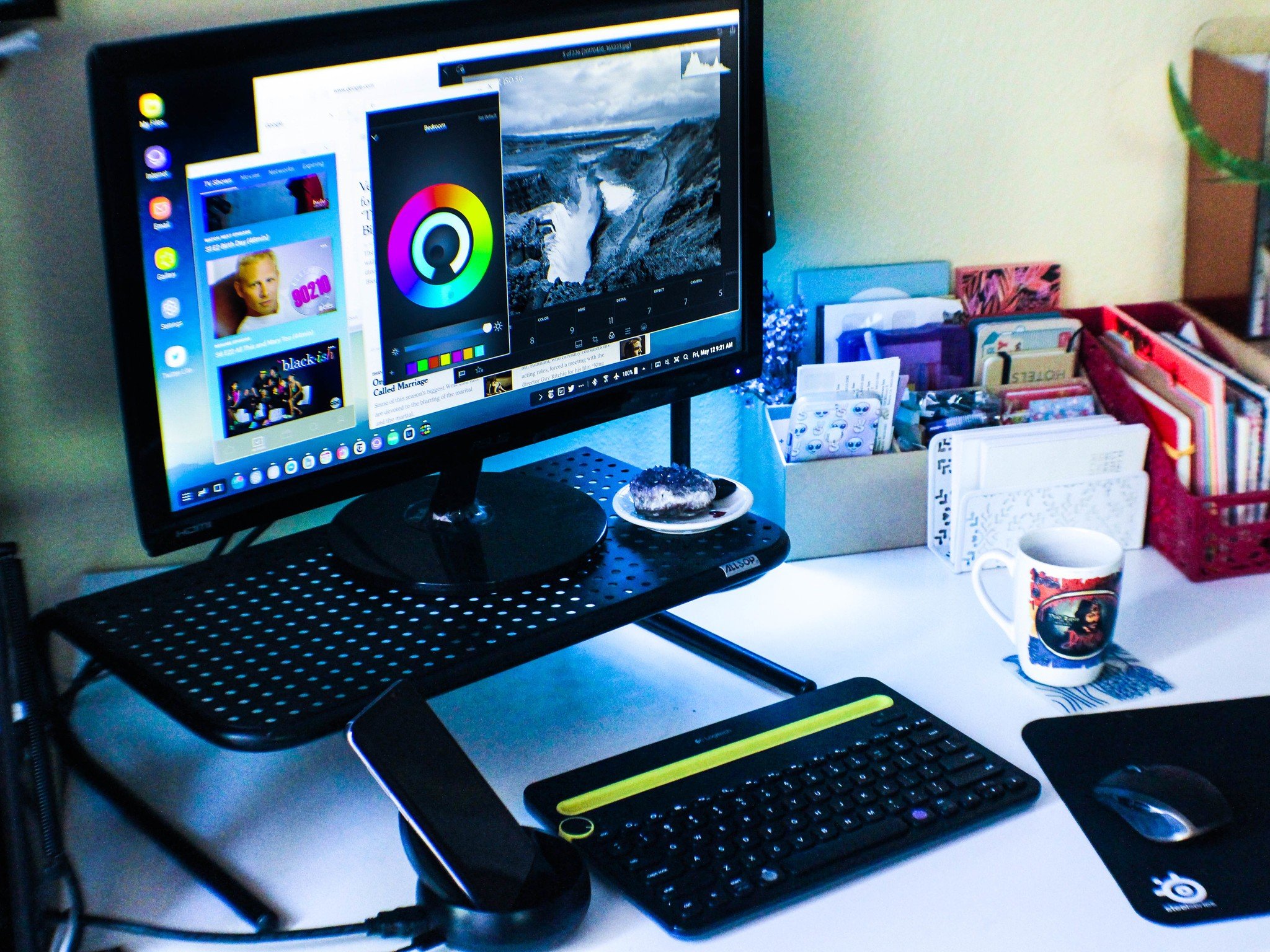
Far on the other end of interaction from Bixby is the new "DeX" desktop docking system for the Galaxy S8. It's a little piece of hardware no larger than a wireless charger that lets you plug in your Galaxy S8, attaching it to a keyboard, mouse and monitor to transform it into a desktop-like environment. The Galaxy S8's interface scales up gracefully to fill the large monitor, and Samsung's own apps have been designed to be resized and operated with a keyboard and mouse.

Samsung has also struck deals with Adobe and Microsoft to bring their most popular apps to the big screen — the only question is how it works with other non-optimized apps, and who will invest in these docks and this setup to use DeX on a regular basis.

Recently, Samsung announced DeX would be improving in a huge way: full-blown Linux. The upcoming "Linux on Galaxy" app will let developers use whatever build of Linux they'd like within DeX. It's still a long way to go before replacing a full computer, but it's a big step in the right direction.

Samsung DeX review: This isn't a replacement for your laptop

Compare the Galaxy S8 today's hot devices

Plenty of people will just pick up the Galaxy S8 or S8+ because Samsung is the brand they know, but many of us will comparing it head to head with other leading devices. To help you make up your mind on which phone is right for you, we've compared the Galaxy S8 and Galaxy S8+ to the likes of the Pixel and Pixel XL, LG G6 and of course the iPhone 7 and 7 Plus. Now that the Galaxy S9 has been announced, we also have a comparison with that.

Galaxy S8 vs. Google Pixel 2: Which should you buy?
Galaxy S8 vs. Galaxy Note 8: Which should you buy?
Galaxy S8 and S8+ vs. Pixel and Pixel XL: Two ways to do a flagship
Galaxy S8 vs. LG G6: Tall, skinny and very similar
Galaxy S8 vs. iPhone 7: Battle of the platforms Samsung Galaxy S9 vs. Galaxy S8: Should you upgrade

Which one should you buy?

So now that you have all the information, which one should you buy? You have a big phone and a bigger phone; one with a big battery and a bigger battery. There are so few differences between the Galaxy S flagships this year that it comes down to size and battery preference alone, and that may make your decision even harder.

Should you buy a Galaxy S8 or a Galaxy S8+?

Is it worth buying the Galaxy S8 in June 2018?

Where to buy the Galaxy S8 or Galaxy S8+

In the U.S., you'll have your choice of the Galaxy S8 or Galaxy S8+, both in 64GB storage configuration, in one of three colors: black, silver, or orchid grey. You can also pick up a proper U.S. unlocked model from Samsung or Best Buy if you don't want to bother with a carrier. Prices are in the range of $720-750 for the Galaxy S8, and $820-$850 for the Galaxy S8+, though you can find them for less on Amazon and other retailers. Finally, there's a gorgeous burgundy red mode, but it's only available in South Korea for now.

The Galaxy S9 is now official, meaning the S8 is likely to be discounted in the months ahead. If you have your eyes on the S8 or S8+, wait a bit and let the price drop.

Where to buy the Galaxy S8 in the U.S.
Where to buy the Galaxy S8 in Canada

Bixby is slowly getting better
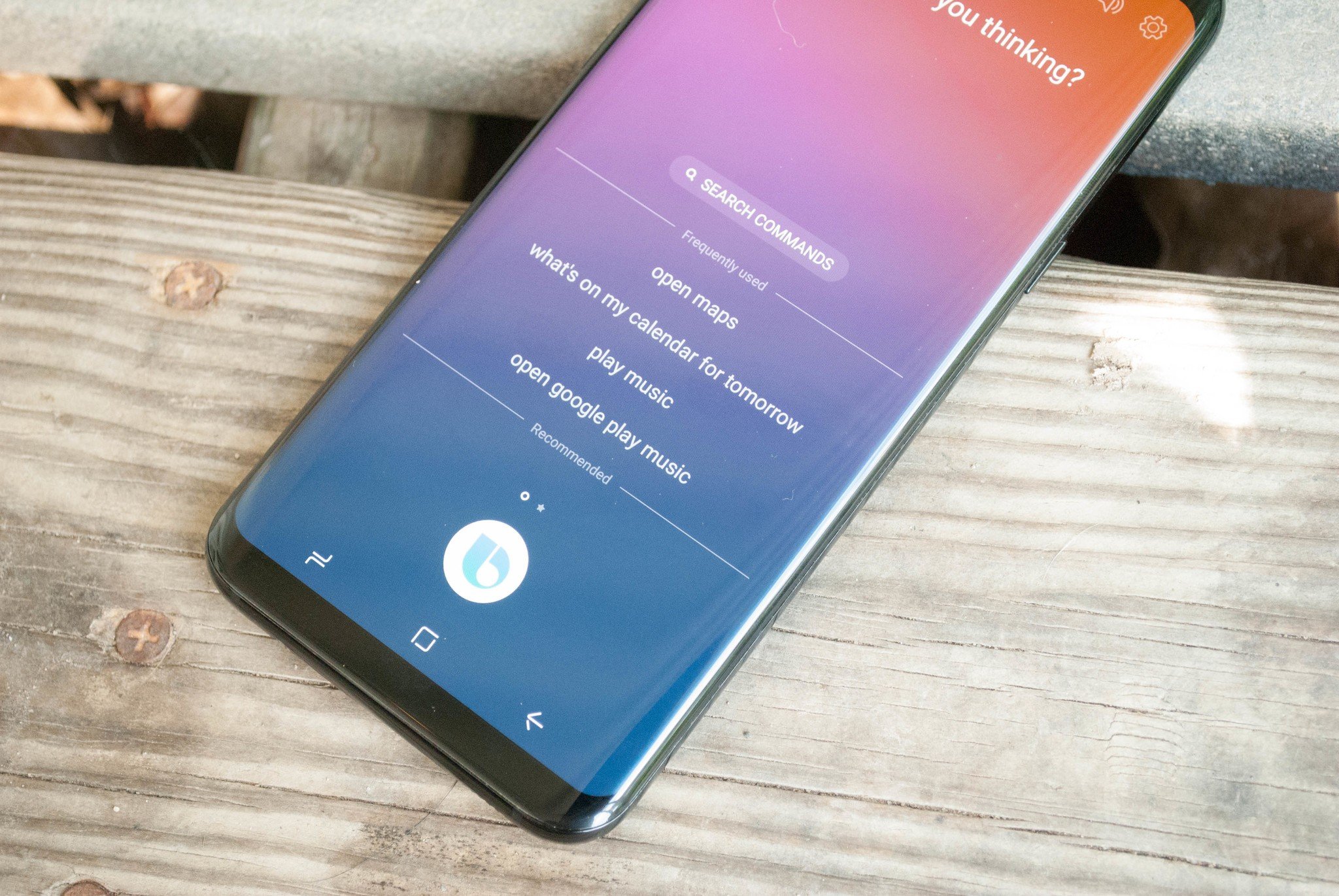
Bixby was a bit of a mixed bag when it debuted on the Galaxy S8, but it's grown up since then. Rather than compete with Google Assistant with cloud knowledge, Bixby is geared more towards local interactions on the phone itself. This ranges from mundane tasks like toggling Wi-Fi and Bluetooth on and off to setting up elaborate chain reactions rivaling Tasker. For those that don't like Bixby, fear not: the Bixby button can now be completely disabled.

More: Samsung Bixby: Everything you need to know!

Troubleshooting tips and tricks

The Galaxy S8 is a great device, but every smartphone has its share of problems. This is especially true if you've had your S8 since day one. If your phone is starting to feel a bit long in the tooth, try some of our troubleshooting tips!

More: How to fix Galaxy S8 battery life problems

Grab some accessories
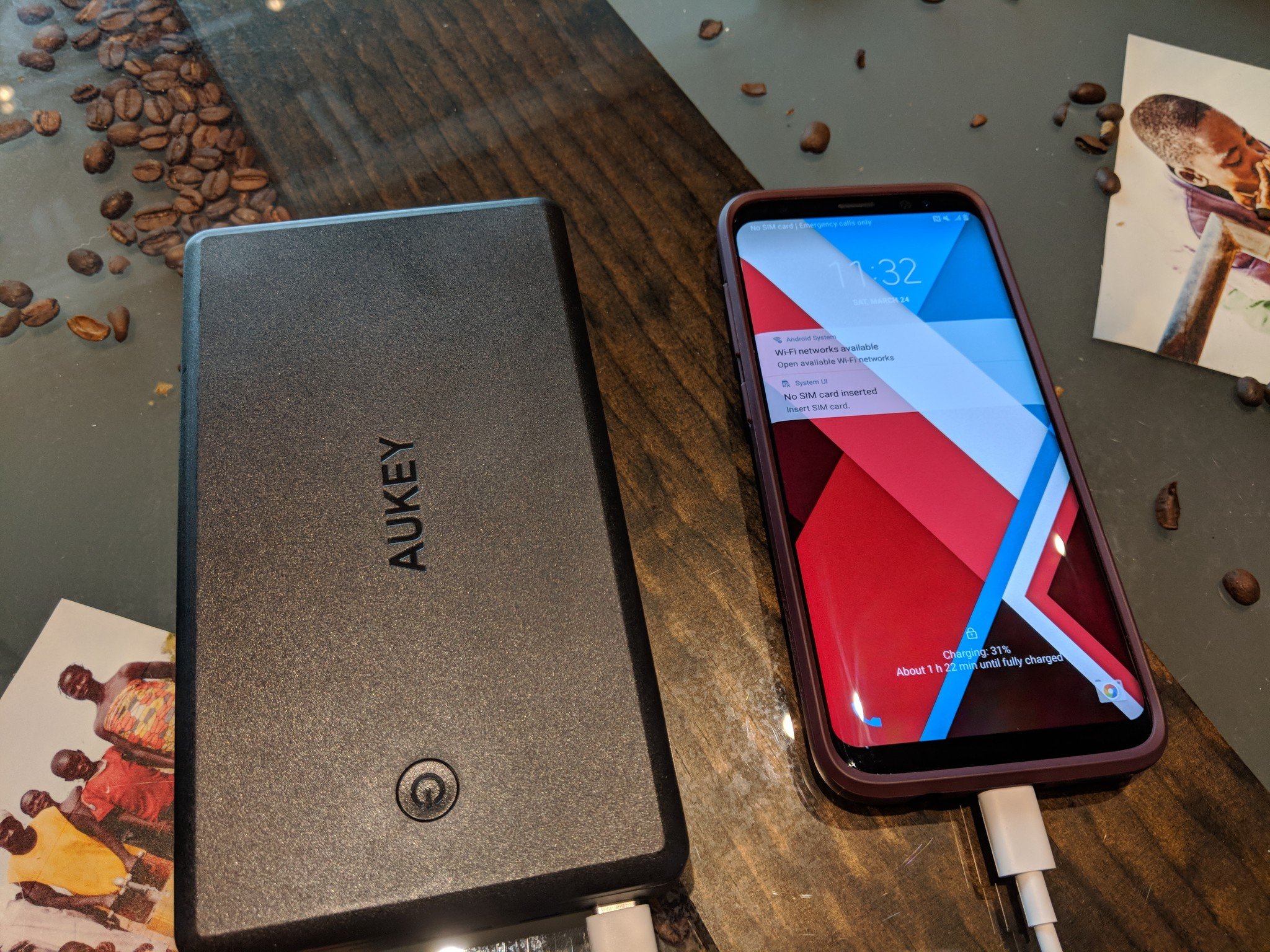
There are still plenty of worthwhile accessories if you just picked up a Galaxy S8. Make sure you get a screen protector to keep your display safe, and a battery pack to use it even longer.

More: Best External Battery Packs for Samsung Galaxy S8 and S8+

More: Best Battery Cases for Samsung Galaxy S8

More: Best Screen Protectors for Samsung Galaxy S8

Best Wireless Charging Pads for Galaxy S8 in 2018

The Galaxy S9 is here

The Galaxy S9 has been out for a bit, but that doesn't mean the S8 isn't worth a look. The S9 and S9+ are an iterative upgrade over the S8 and S8+, with a very similar design, new internals, more natural fingerprint sensor placement and slightly better cameras. The S8 has been heavily discounted since the S9 launched, so those new features may not be worth the extra cost.

More: Samsung Galaxy S9 & S9+: Everything you need to know!

Update, June 2018: Article updated with new links and information, including links to troubleshooting tips and great accessories.
Jumat, 29 Juni 2018

Thousands of Android and iOS apps are leaking your data through their Firebase backend

Apps are inadvertently leaking data through 2,271 misconfigured databases.

Firebase is a great service for any small developer who needs to have an online service at their disposal. It's powered by Google and the company goes out of its way to help developers use it in their mobile apps. You can see by simply watching any Google I/O session video about Firebase that developer actually cheer when the service is mentioned.

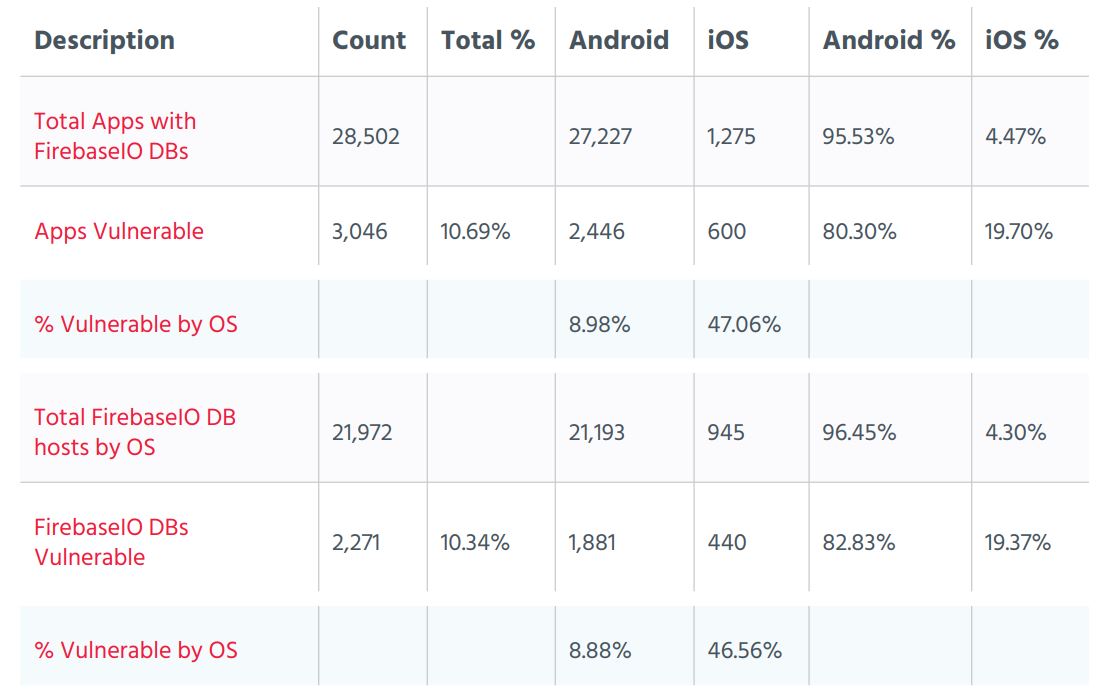
Apparently, some of those developers have hit a snag when it comes to configuring the database they may be using to store your data. After scanning 2.7 million apps, security researchers at Appthority say more than 113GB of data is available through over 2,200 Firebase databases to anyone who knows the right URL. In total, there are over 100 million personal records exposed.

Researchers found 28,500 apps that used Firebase to connect and store user details, of which 3,046 stored their data inside a misconfigured Firebase database that was readable through the use of a JSON URL scheme. The majority of the apps that use Firebase are for Android, but 600 apps that exposed data are for iOS. The problem is platform-agnostic, and the apps in question aren't the culprit here. It's simply the database configuration on the backend.

The information leaked contains:

  • 2.6 million plaintext passwords and user IDs.
  • 4 million+ PHI (Protected Health Information) records.
  • 25 million GPS records.
  • 50 thousand financial including Bitcoin transactions.
  • 4.5 million Facebook, LinkedIn, corporate data-store user tokens.

Appthority informed Google about the database configuration and provided the list of affected apps before this report was published. We've reached out to see if Google has anything they would like to add and will update once it's received.

Appthority is no stranger to finding poorly configured online databases. Previously the company has found "critical" user data exposed through services like MongoDB, CouchDB, Redis, MySQL, and Twilio.

These U.S. carriers have updated the LG G6 to Android Oreo

Where are ya, T-Mobile?

The LG G6 was one of 2017's most underappreciated phones, but despite its lacking popularity, it's still important that LG updates the phone on a timely manner for those that did throw their cash down for it.

A lot of carriers in the U.S. have recently updated the LG G6 to Android 8.0 Oreo, and to help you keep track of which companies have committed to the update, here's the list as it currently stands.

AT&T

According to numerous reports over on Reddit, the LG G6 on AT&T is being updated to Oreo. AT&T's website isn't updated to reflect these changes at the time of publication, but that should be fixed soon.

The update increases the G6's security patch to April 2018 and has all of the Oreo features you'd expect — such as picture-in-picture, notification dots next to app icons, Google's handy Autofill API, and more.

Sprint

If you purchased the LG G6 on Sprint, you're also in luck!

Android 8.0 Oreo started rolling out to the Sprint G6 in late May, and it weighs in at a hefty 1808.5MB.

Interestingly enough, the G6 on Sprint gets a more recent security patch with an update to the May 2018 one.

Verizon

Verizon was actually the first carrier in the United States to start updating the G6 to Oreo.

Verizon's update measures in at 1893.0MB, and like the Sprint variant, comes with the older April 2018 security patch.

T-Mobile

Lastly, T-Mobile started issuing its Oreo update to the LG G6 on June 29.

The build number is changed to H87220a and all of the regular Oreo goodies are included.

Unlocked LG G6 finally gets Android 8.0 Oreo update

Updated June 29, 2018: Added T-Mobile to the list!

Get patriotic this Fourth of July with our quickest home screen theme yet

This theme is quite fitting for our country: it looks complicated, awesome and time-consuming, but it's really quite easy.

The Fourth of July is a day to celebrate our union, to acknowledge its past and look ahead to its future. It's also an excuse for everyone to take a day off work in the middle of the summer, go swimming by the river, grilling in the backyard, drink some star-spangled beer and blow up some fireworks. Whatever your plans for this Independence Day, make sure that your phone is decked out in some red, white, and blue brilliance with our quickest theme yet, built upon American adaptability and KLWP.

About KLWP and our July 4th theme

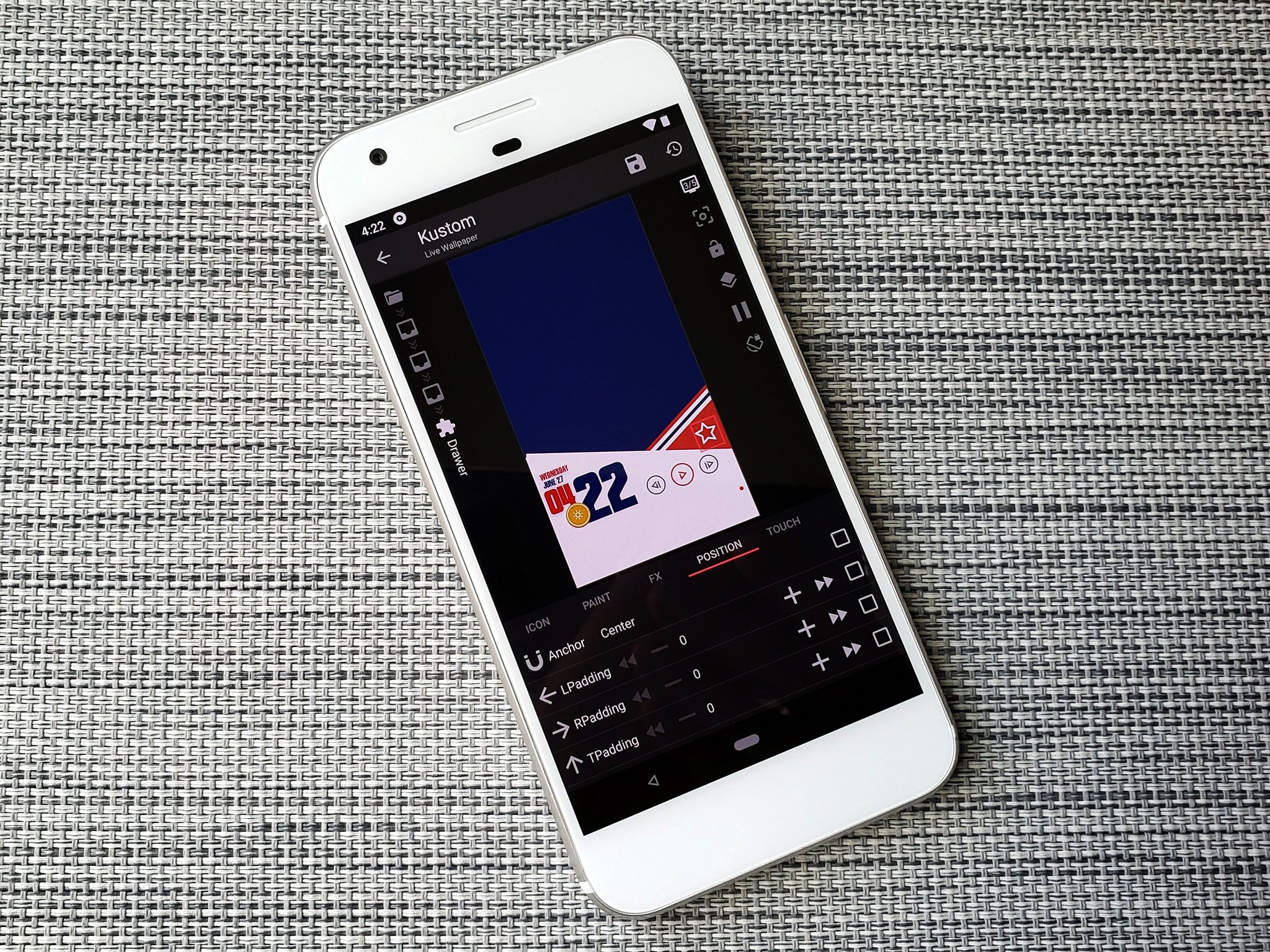
KLWP — short for Kustom Live Wallpaper — is the bigger, bolder brother of KWGT, the what-you-see-is-what-you-get widget builder that we've used in many of our theme the last few years, including our recent Heart Canada and Deadpool themes. KLWP is a what-you-see-is-what-you-get live wallpaper builder, allowing you to build widgets, shortcuts, and designs right into your live wallpaper.

See the 5 white app icons on the screen? Everything besides those is part of our live wallpaper, and that means that since we've already built the theme, all you lucky users need to do is apply the live wallpaper, apply your icon pack, and get on with grilling and chilling.

This theme was originally based around a widget I found and liked in Element for KWGT, which is a wonderful preset pack I recommend checking out for KWGT. I hunted down the fonts and fonticon pack to help re-create the dock in KLWP and then made several edits and additions, including:

  • Converted the three app shortcuts into music controls
  • Added song information to the bottom of the dock, just above the nav bar
  • Organized the Time/Weather elements to help them remain better aligned
  • Tied all the theme elements to Globals for easy color adjustments
  • Created and adjusted a custom tricolor music progress bar to sit sit along the edge of the dock
  • Added a conditional layer to hide the interactive elements while on the lock screen

This is a theme I've tinkered and toyed with for over a month, and a KLWP Preset that I've adjusted and fine-tuned through weeks of personal use. Since you'll be importing the KLWP Preset I've made, you'll need KLWP Pro, which is $4.50. Considering how powerful KLWP is and how responsive its development team and community are, I think it's more than worth that price.

The only elements you'll need besides KLWP and KLWP's Pro Key are our July 4th Preset, the free Whicons Icon Pack, and a home screen launcher that supports custom icon packs. I'm using Nova Launcher so that I can take advantage of subgrid positioning and lay out my apps in an angle that matches the theme.

Applying the July 4th Preset in KLWP

Once you download the July 4th Preset, use a file manager app to copy it to Internal Memory/Kustom/wallpapers. If you haven't opened Kustom before, you might have to make the Kustom folder or wallpapers subfolder. Once the preset file is saved in Kustom/wallpapers, let's get it imported.

  1. Open KLWP.
  2. Tap the next arrow three times.
  3. Tap Allow to let Kustom access your device's storage.

  4. Tap the next arrow.
  5. Tap Allow to let Kustom access your device's location.
  6. Tap Done.

  7. A welcome message will appear.After reading it, tap Done.
  8. Tap Load Preset.
  9. In the Presets menu, tap the Exported tab.

  10. Tap July 4th Preset.
  11. The preset will load, but Kustom is still missing some important permissions for our theme. Tap Fix now.
  12. Tap Fix.

  13. Tap Kustom LWP or Kustom Notifications.
  14. Tap Allow.
  15. Tap the back button.

  16. Tap the floppy disc icon in the top right bar of the screen to Save the wallpaper.
  17. We still need to set KLWP as our wallpaper. Tap Fix.
  18. Tap Set Wallpaper.

  19. Tap Home screen and lock screen.
  20. Tap the floppy disc icon in the top right bar of the screen to Save the wallpaper.
  21. Tap the home button to see the applied theme in action.

The theme should adapt well to most home screen sizes since most the element groups are anchored and organized from the bottom of the screen.

Adjusting the July 4th Preset in KLWP

Ideally, the only thing left you'll need to do is set the icon pack, but if you need to adjust the theme, here are some ways you can do that.

  • Is the dock not fitting the width of your screen properly? Tap Layer and adjust the Scale up to down to your liking. Be advised that not all elements adjust at the same rate, so you may need to readjust individual elements after doing this.
  • Want to re-position the sections of the dock to better fit your screen? Tap the Item group or element you wish to move (for instance the Progress Bar), and then tap Position. Adjust the X and Y offsets or directional padding to re-position the element as desired.
  • You can change what tapping an individual element or group triggers. For the base Preset, tapping the Hour opens the Kustom editor so you can adjust the wallpaper to your liking, but you could change it to open your clock or calendar app.

  • Weather providers offer different descriptions of current weather conditions and some providers are more accurate in different regions than others. To change the weather provider KLWP uses, tap the three-line menu icon in the top left corner of the screen and tap Settings. Under Weather, you can tap Weather Provider and select from half a dozen sources.
  • KLWP by default will pull in the details and controls for any media notification that it sees. If you only want KLWP to pull in data from one app, you can enter KLWP Settings and set Preferred Music Player to your chosen music app.

There are plenty of ways to edit and alter this theme. For instance, here in Texas, the weather is horribly hot and sunny all the time, so I've switched the weather fonticon out for a Google Keep icon and shortcut.

Because, really, knowing how hot it is outside during the Fourth of July barbeque doesn't help us endure it any better; it only makes us more aware of our misery.

Applying Whicons Icon Pack

This is a simple red, white and blue theme, and it works best with a simple white icon pack, and for a simple white icon pack, we turn once again to one of my favorite icon packs on Google Play. Whicons is one of the three free icon packs from Randle that mesh with so many themes that it's just unnatural.

  1. Open Whicons.
  2. Tap the three-line menu icon in the top left corner.
  3. Tap Apply.

  4. Tap your desired launcher.
  5. Tap OK.

I arrange my apps on the home screen using Nova Launcher's subgrid positioning, but you can place your icons anywhere above our patriotic dock.

Your turn

So, do put fifty icons on your home screen for the 50 stars — assuming your home screen is big enough for that many — or do you take a more reserved approach to our Fourth of July theme? Want to kick it up a little more? Try this Captain America variant I made using The First Avenger's colors and signature shield for some Star-Spangled Awesome.

Are there any themes you'd like us to tackle? Let us know in the comments!