Appnext

Rabu, 02 Januari 2019

Nokia 7.1 vs. Pocophone F1: Which should you buy?

Buying a new phone can be tricky, but it really doesn't have to be. Here at Android Central, our mission is to do whatever we can to help you find and buy the gadgets that are exactly what you're looking for.

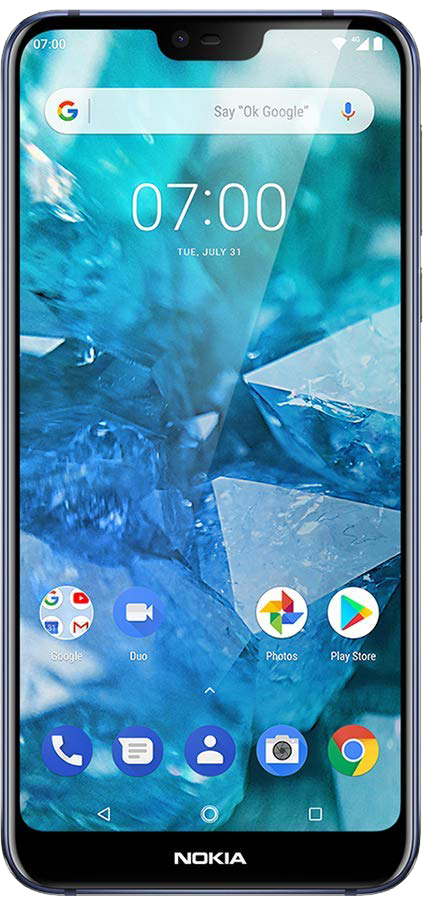
Nokia 7.1

Best overall
$350 at Amazon

Pros

  • Stylish, durable design
  • Gorgeous HDR display
  • Long-lasting battery
  • NFC for Google Pay
  • Clean software w/ guaranteed updates

Cons

  • Slower processor compared to Pocophone

If you want a mid-range Android phone that checks as many boxes as possible, the Nokia 7.1 is hard to beat. Its build quality, display, and battery life are far better than you'd expect at this price, and while not amazing, the performance and camera quality are still more than adequate for most people.

Pocophone F1

Crazy fast

$460 at Amazon

Pros

  • Blazing fast performance
  • Sturdy build
  • Great display
  • Exceptional battery

Cons

  • No NFC
  • MIUI isn't for everyone
  • Not designed for the U.S.

With the Pocophone F1, speed is the name of the game. It's pretty ridiculous that you can get a phone with the Snapdragon 845 processor at this price, and while it may not be as polished as the Nokia offering, there's no doubt that it's the faster and more capable of the two phones.

If you want your next phone to be as fast as can be, the Pocophone F1 is the easy choice between these two. With that said, if you're okay sacrificing some performance in favor of a cleaner software experience, proper support for U.S. carriers, and a cheaper price, the Nokia 7.1 is better — and the one we recommend getting.

How much do you value raw performance?

The Nokia 7.1 and Pocophone F1 are two of the most popular mid-range Android phones of 2018, and while they have a lot in common, they also take very different approaches with their overall offerings.

Starting first with the similarities, both have really good LCD displays with a notch at the top. The Pocophone's notch is a bit larger, but it also has a bigger screen at 6.2-inches compared to the Nokia 7.1's 5.84-inch panel. You'll find a Full HD+ resolution on both phones with a tall 19:9 aspect ratio, but only the Nokia 7.1 supports HDR10 content and can even convert SDR videos into HDR ones — resulting in brighter, more colorful movies, TV shows, etc.

Also shared between the Nokia 7.1 and Pocophone F1 are dual rear cameras that do a fine job without going any further than that. Both phones take good photos that are more than adequate for uploading to Twitter and Instagram, but they certainly aren't on the same level as more expensive flagship phones.

Battery life is excellent for the Nokia and Pocophone, both charge via USB-C, have headphone jacks, and a rear-mounted fingerprint sensor. The Pocophone does get a slight upper-hand, though, thanks to face unlock and dual external speakers instead of just one.

Nokia 7.1 Pocophone F1
Operating System Android 9 Pie
Android One
Android 9 Pie
MIUI 10
Display 5.84-inch LCD
2220 x 1080
19:9 aspect ratio
Gorilla Glass 3
HDR10 support
6.2-inch LCD
2248 x 1080
19:9 aspect ratio
Gorilla Glass 3
Processor Qualcomm Snapdragon 636 Qualcomm Snapdragon 845
Storage 64GB
Expandable up to 400GB
128GB
256GB
Expandable up to 256GB
RAM 4GB 6GB
8GB
Rear Camera 1 12MP
f/1.8
12MP
f/1.8
Rear Camera 2 5MP
f/2.4
5MP
f/2.0
Front Camera 8MP
f/2.0
20MP
f/2.0
Battery 3,060 mAh 4,000 mAh
Charging USB-C USB-C
Sound Mono rear speaker
3.5mm headphone jack
Bottom-firing main speaker
Secondary earpiece speaker
3.5mm headphone jack
Security Rear fingerprint sensor Rear fingerprint sensor
Face unlock
Dimensions 149.7 x 71.18 x 9.14mm
160g
156 x 75.5 x 9mm
185g
Colors Blue
Steel
Graphite Black
Steel Blue
Rosso Red
Armoured Edition

Without a doubt, the biggest difference between the Nokia 7.1 and Pocophone F1 has to do with the processors powering them. The Nokia 7.1 uses the Qualcomm Snapdragon 636, and while it's perfectly fine for just about every app and game you throw at it, it can still show small slowdowns under particularly intense loads. You also have access to just 4GB of RAM for multitasking, meaning you can't keep quite as many apps open in the background before they force-close.

On the other hand, the Pocophone F1 is powered by the Snapdragon 845 chip. This is the exact same processor used in flagship phones from Samsung, LG, OnePlus, and Google, meaning the Pocophone flies through everything and anything with unrelenting force. The Nokia 7.1 performs well, but it just can't hold a candle compared to what the Pocophone is capable of.

Then again, the Nokia 7.1 does manage to make up for the lacking performance in a couple of big ways.
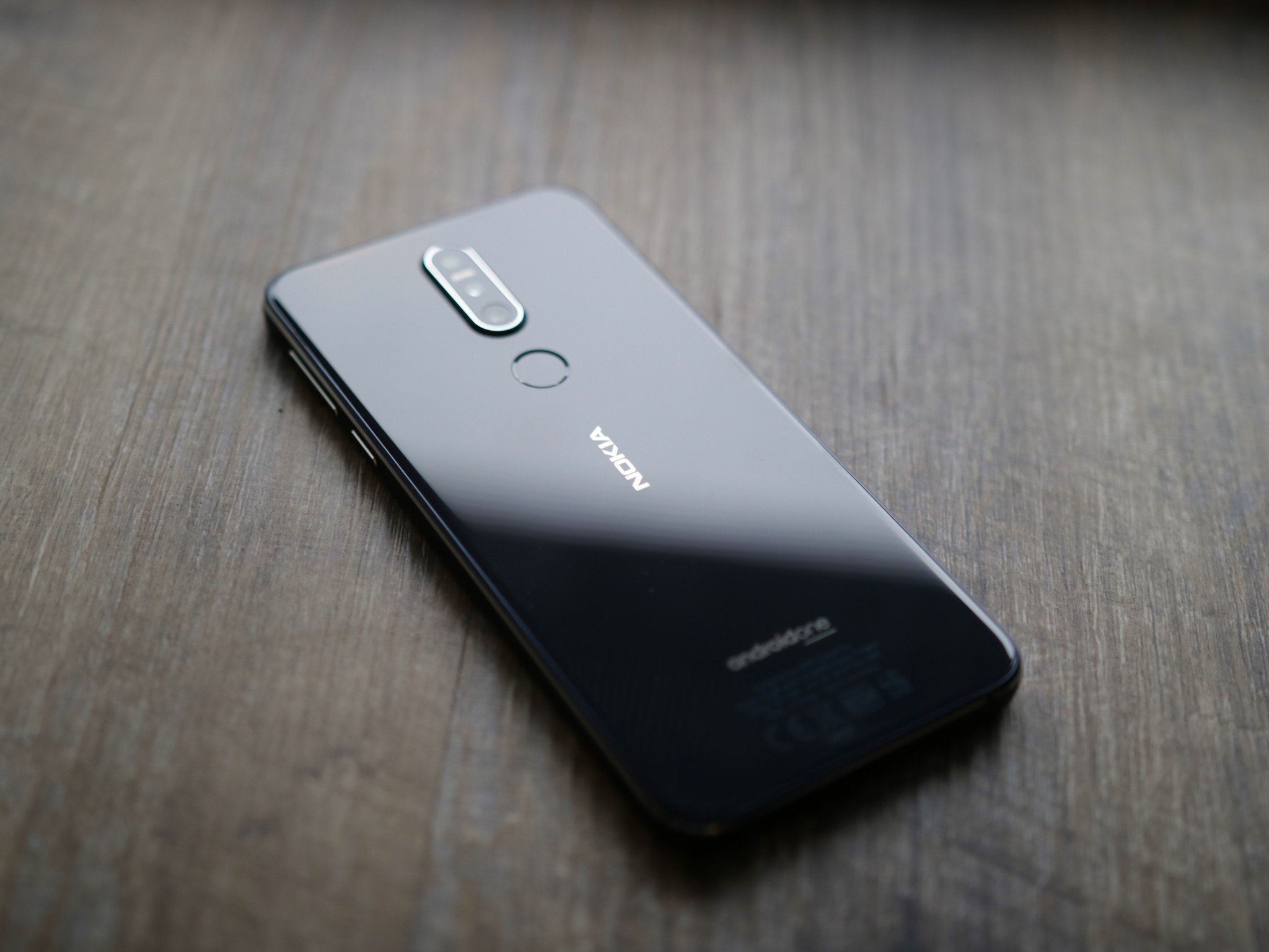
While the Pocophone is made out of hard plastic, the Nokia 7.1 is constructed out of an aluminum frame with a sleek glass back that gives it a much nicer aesthetic. Yes, glass backs aren't the most durable in the world, but the 7.1 is a much nicer looking phone than the Pocophone. No doubt.

Another big win for the Nokia 7.1 is its software. Both phones are currently running Android 9 Pie, and on the Nokia 7.1, you get a stock build of Android that looks and feels a lot like what you'd find on Google's Pixel phones. Everything works well, there's no unwanted bloat, and the software additions Nokia has added are well thought out. Perhaps even more important, since the Nokia 7.1 is part of the Android One program, it's guaranteed to receive major software updates for two full years.
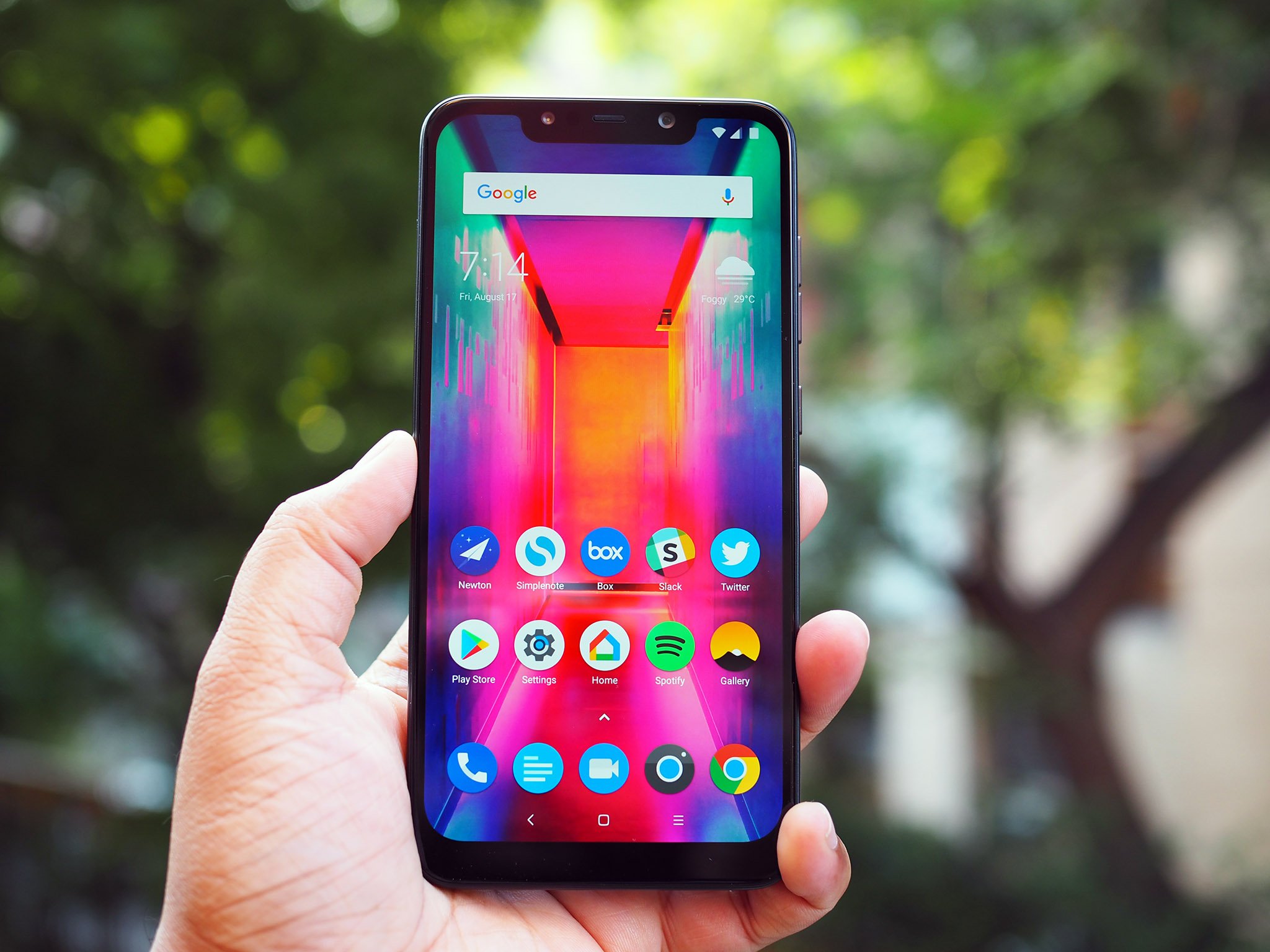
The Pocophone F1 is running a custom build of Android Pie called MIUI, and while this interface has gotten a lot better over the years, it's still has a lot of quirks here and there that could be offputting for a lot of users. The app drawer works differently from most other phones, there are a lot of preinstalled apps, and there have been quite a few reported issues on missed notifications.

Also lacking on the Pocophone is full band support for U.S. wireless carriers (meaning you may not have the same speed and coverage compared to phones that are designed for the States), there isn't an NFC chip for Google Pay, and the phone does not come with a warranty if you buy it from Amazon in the U.S.

Nokia 7.1

Best overall

$350 at Amazon

One of the best mid-rangers around.

Nokia really hit it out of the park with the 7.1 The phone is built incredibly well, has a fantastic display, and has a software package that's easy to use and guaranteed to receive two years of update support. So long as you're OK with good (not amazing) performance and fine cameras, the Nokia 7.1 is a great buy.

Crazy fast

Exceptional price-to-performance ratio.

$460 at Amazon

The Pocophone F1 is fast. Like, really fast. Its Snapdragon 845 processor is the same one found in phones like the Galaxy S9 and Pixel 3 that cost hundreds of dollars more, meaning it runs circles around the Nokia 7.1. You won't find NFC for Google Pay and the software isn't the best, but if speed is your top priority, this is the phone to get.

What new Samsung phone do you plan on buying in 2019?

So many to choose from.

2019 has officially arrived, and with a new year comes new resolutions, goals, and — of course — tech. Throughout the year, one company you'll want to really keep an eye on is Samsung.

In regards to its flagship phone releases for the year, we're expecting to see the Galaxy S10, S10 Lite, S10 Plus, a special 5G version of the S10, the Galaxy Note 10, and Samsung's foldable "Galaxy X" phone.

With so many phones coming down the pipeline, some AC forum members are already deciding right now which one they'll be buying. Here's what some of you have had to say.

cwbcpa
12-27-2018 03:33 PM

While I am certainly interested in what Samsung is doing with the S10, I will be waiting for the Note 10. I have bought the Note for the last 6 years for a reason. Not that I don't like the S line, but I prefer the Note.

Reply
11B1P
12-27-2018 05:48 PM

I'm using an S7 right now. I'm interested in the S10+, but worried to see the actual price. I'm afraid it's going to be out of my price range.

Reply
burrzoo
12-27-2018 07:21 PM

I've been watching the rumors & mockups for years for that Foldable Galaxy X. I would love to own it BUT no way do I want to pay ~$1500.00. It will be a wait & see thing for me for either the X or Note 10.

Reply
L0n3N1nja
12-29-2018 04:39 AM

S10 is more of the same, a rectangle slab with slight design change and a spec bump over the S9. Sure it will have a few new features, but for the most part the user experience will remain primarily the same. I expect the N10 won't change much from there. The Galaxy X actually offers something new and could change the way we use our devices. Its exciting, unique, and more likely to be a...

Reply

What about you? What Samsung phone do you plan on buying in 2019?

Join the conversation in the forums!

The Google Pixel 3 XL is the best Android phone for most people

Android phones come in all shapes, sizes and price points — it's all a bit daunting. That's why we use and test every Android phone available to pick the absolute best ones available, and give you all the information you need to choose the right one.

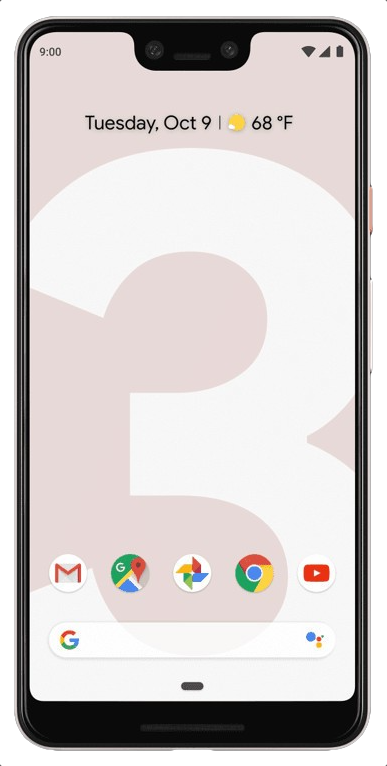
The Google Pixel 3 XL is easily the best phone Google has ever made, and that also makes it the best Android phone for most people. Simplicity is the name of the game here: the hardware is efficiently designed, the software gets out of your way, and all of the features have a distinct purpose. It also offers the best overall camera experience of any Android — and comes in two sizes to fit any hand (or pocket).

Our pick

Google Pixel 3 XL

The best Android phone for most people.

The Pixel 3 XL focuses on having the fastest, simplest, and most helpful software experience, running on simple and powerful hardware. It accents everything with an amazing camera and a handful of features that make it stand out from the competition.

Who should buy this phone

The Pixel 3 XL is not for those who measure a phone's quality by the level of its specs or the raw number of features it offers. But if you just look at the spec sheet and the features, you're missing out on the bigger picture: the Pixel 3 XL is an amazing phone to use and experience.

The Pixel 3 XL offers an exceptional smartphone experience, whether you're a novice or a pro.

Whether you're a novice or a seasoned pro, Google's software experience is appealing. Android 9 Pie is simple, smooth, easy to use, and doesn't have a bunch of features or extras that get in your way. You won't experience bloatware or unwanted apps, and the deep integration with Google services makes setup and sync effortless. Everything you do on the Pixel 3 XL is fast and easy to manage, and you can do as much, or as little, as you see fit with it.

One of the biggest selling points is its cameras. The rear camera takes the best photos in the business, whether you want to just point and shoot or get deeper into the extra features. On the front, a pair of cameras offers fantastic selfies for just you or a group.

This phone is the complete package. Sure it's missing a couple of the highest-end specs, and it isn't as customizable as the competition, but the pros heavily outweigh those cons.

Is it a good time to buy this phone?

Yes. The Pixel 3 XL was just released, and Google holds to a strict yearly cycle for releasing phones. This will be the latest and greatest from the company for months to come.

Reasons to buy

  • Amazing photo quality
  • Great selfies
  • Super loud stereo speakers
  • Simple, intuitive software
  • Wireless charging
  • Guaranteed software updates

Reasons not to buy

  • No headphone jack
  • Display notch

There are so many great Android phones available, but the Pixel 3 XL stands out

It should come as little surprise that Google's own Pixel phones offer the best possible Android experience. It starts with the hardware, which is clean, efficient, and robust. The three color options give you choices on the look, but regardless you get great speakers, wireless charging, and solid (if unspectacular) battery life. The screen is also great, with the extra large 6.3-inch OLED panel giving you plenty of room to view everything.

It should come as little surprise that the best Android experience comes directly from Google.

Android 9 Pie is an excellent operating system filled with nice-to-have features, but at the same time isn't weighed down by extra cruft or bloatware that you don't want. It's capable of being a simple and easy to use system, or a super-powerful tool for more advanced users — the choice is yours. In either case you benefit from fantastic performance and smooth animations, plus deep integration with Google's services. You also get three years of guaranteed software updates, plus unlimited Google Photos backups at full resolution — nice perks.

On both phones, you get the same industry-leading camera performance. The rear camera has just a single sensor and lens, but Google's software takes it to new heights. You can take amazing photos with little thought in any scene, and new enhancements to processing give you better digital zoom and multi-frame capture without any configuration or changing of modes. The dual selfie cameras give you flexibility to shoot super-sharp single shots, group wide-angle shots, or uniquely processed portrait mode photos.

Alternatives to the Google Pixel 3 XL

The Pixel 3 XL is a great choice for so many people, but of course there are some potential buyers who don't want to go all-in with the Google way of doing things. That's why there are other phones out there that offer a different experience and are worthy of considering.

Compact pick

Google Pixel 3

$799 from Best Buy

The complete Pixel experience, in a smaller size.

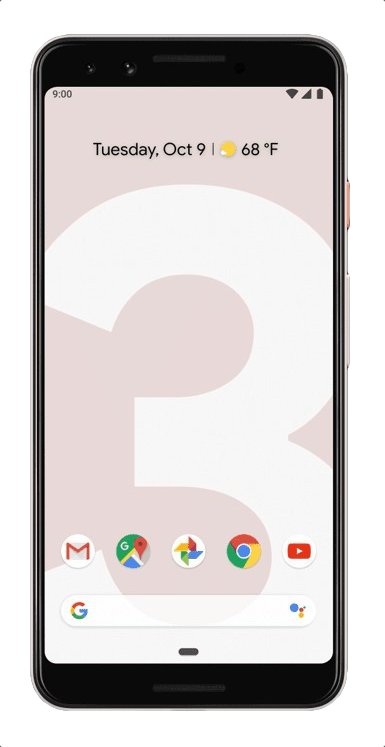
This is a pretty simple equation: take the Pixel 3 XL, and scale it down to a size that's much more manageable in one hand. You get all of the same specs, features and camera quality as the larger phone — you just get less screen to work with, and a smaller battery that leads to shorter battery life.

Not everyone wants a huge phone, and the Pixel 3 delivers the same great Pixel experience while keeping the size comfortable for a wide range of hand (and pocket) sizes. The Pixel 3 is small enough to fit in your bag or pocket even with a case on, and you won't find yourself fumbling around to awkwardly wrap your hand around it.

Despite being smaller, the Pixel 3 has all of the same great hardware, specs, features and camera quality as the larger 3 XL. That includes the glass build, wireless charging, screen quality and stereo speakers. The only things you miss out on here is just the sheer size of the 3 XL's screen, and its larger battery. Things may feel a little more cramped in some apps, requiring a little more zooming or scrolling, and at the end of the day you're going to have less wiggle room in the battery. If you're a heavy phone user, the Pixel 3 may not be able to manage everything you throw at it without a midday top-up.

At a discount

Samsung Galaxy S9+

$700 from Amazon

A great all-around phone with mass appeal and amazing hardware and features.

The Galaxy S9+ is the phone anyone can pick up and make their own. You don't miss out on a single spec or hardware feature, and it has one of the best displays and best camera experiences available. And it's cheaper than Google's latest phones.

Samsung makes phones that appeal to the widest possible market, and that's why the Galaxy S9+ is so easy to recommend. It has every hardware feature and spec you could want out of a phone in 2019, and the software is there to make it all work. You can also customize the software to do whatever you want, but that also means it takes a lot more setup and massaging to work just right — and in the end, it still won't match Google's simplicity.

But the GS9+ does most things just as well as the Pixel 3 XL, and even bests it in of a couple areas: namely its higher display brightness, expandable storage and headphone jack. Being several months old, it's also much cheaper. You'll pay about $715 for the Galaxy S9+, which is a considerable savings over the Pixel 3 XL and enough of a discount to make many people consider it.

Special stylus

Samsung Galaxy Note 9

$960 from Amazon

An incredible phone with a huge price to match.

The Galaxy S9+ is great, but the Samsung Note 9 is even greater. It does everything the GS9+ does, but adds in a larger screen, more storage, longer battery life and an S Pen stylus. And it's about $200 more because of it.

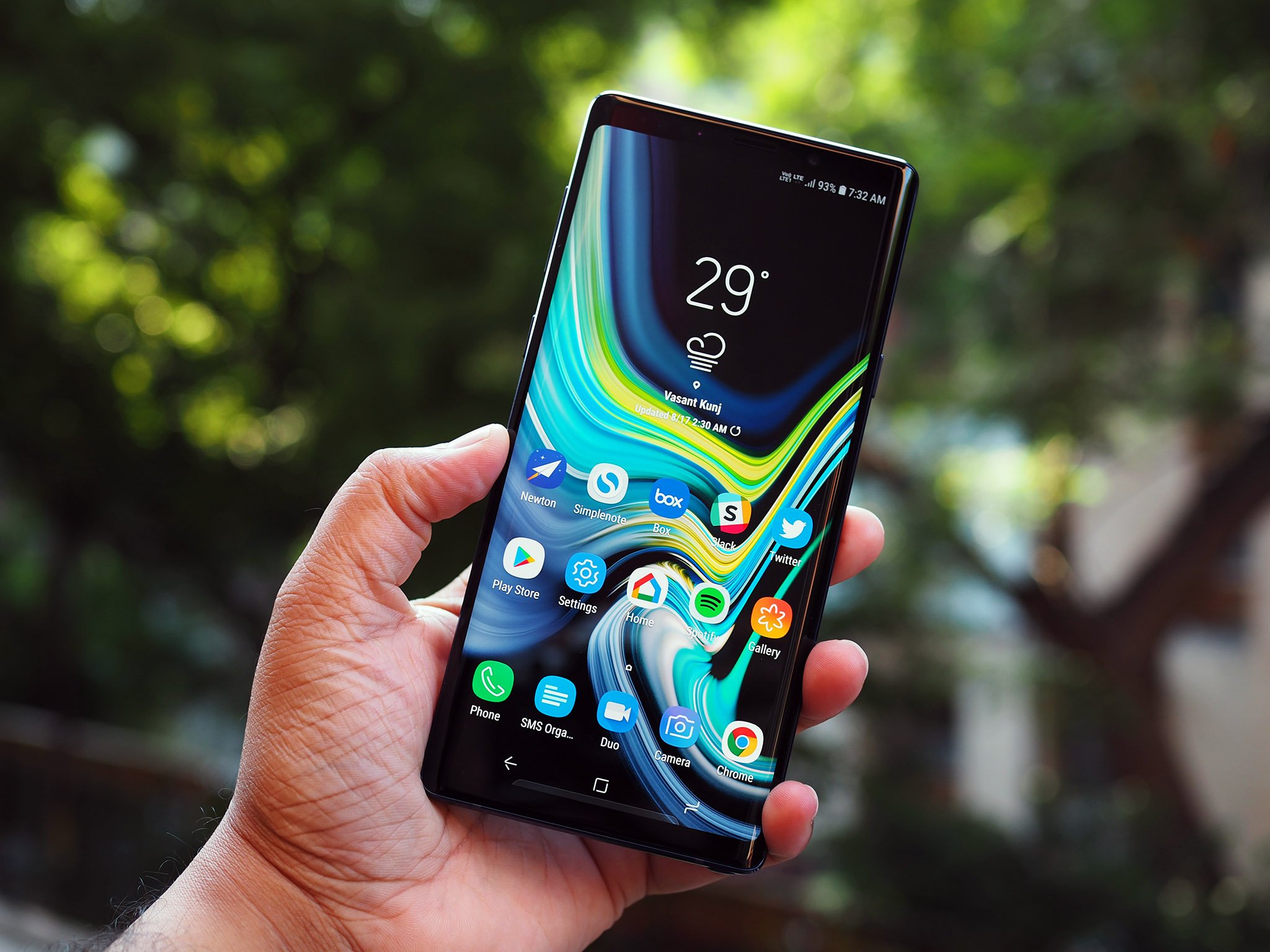
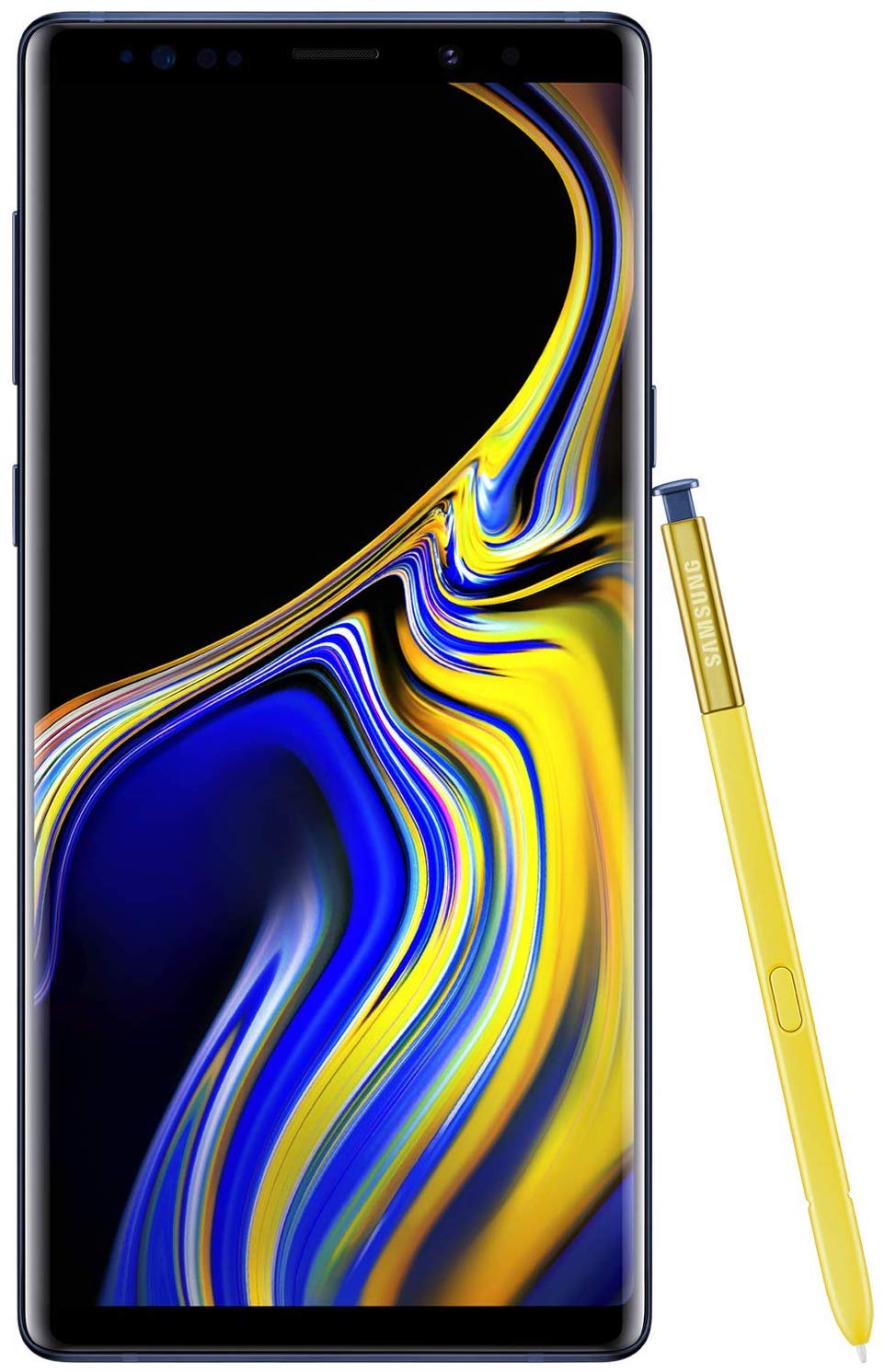
The Galaxy Note 9 is easily the best Note phone Samsung has ever made, and for once it's actually better than the latest Galaxy S phone in every way. The battery has jumped up to 4000mAh, which gives you effortless all-day battery life, and the rest of the experience is the same as what the Galaxy S9+ offers.

That means you get top-end specs, a great camera, an industry-leading display and so much more. And the Note has an S Pen, which remains unmatched in the smartphone world. The problem is its $1000+ price tag, which is a tough pill to swallow when you can get almost the same experience for about $200 less with the Galaxy S9+. That makes this an "upgrade" and not the standard recommendation.

Great value

OnePlus 6T

$549 from OnePlus

Most of the flagship experience for a fraction of the price.

OnePlus just keeps doing it: a flagship-level phone with amazing hardware, specs and capabilities for hundreds of dollars less. You get a big screen, top-notch internals, excellent battery and actually capable cameras for under $600.

For just $549, you're getting a lot of phone in the OnePlus 6T. Solid hardware and a full spec sheet rival the competition, and the 6.41-inch AMOLED screen is no slouch. The cameras are a step down, but they're consistently above average. And its OxygenOS software is actually capable of challenging Google's in simplicity and speed.

The OnePlus 6T isn't perfect, and has many shortcomings when compared head-to-head with the other phones on this list. But with a price tag that's $300 less, it's hard to complain. Given its price it's shocking how close the OnePlus 6T gets to the competition, and there's a good chance you'll be willing to forego a few nice-to-have extras to save so much money.

Feature-packed

Huawei Mate 20 Pro

£880 from Amazon UK

Filled with features … unless you're in the U.S.

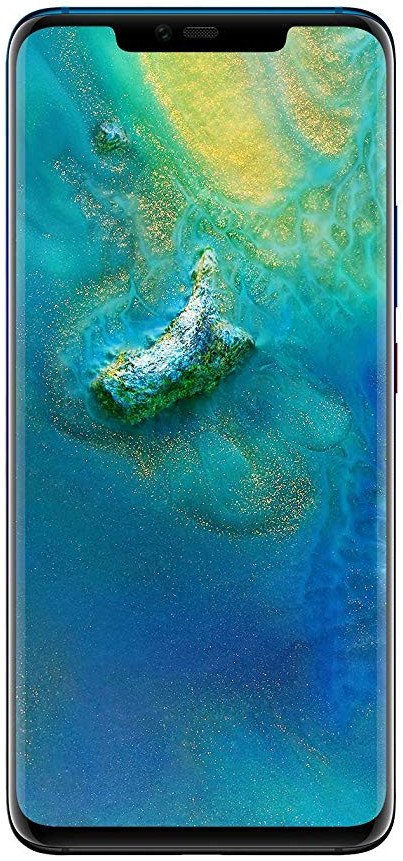
Huawei aims straight for the highest end of the market with the Mate 20 Pro, going all-out in size, specs and capabilities. This 6.39-inch monster has all of the latest specs, plus a downright massive battery, great triple camera setup and gorgeous color options.

Huawei is doing its best Samsung impression, and in many ways besting it. The Mate 20 Pro is filled with features, specs, a huge battery and one of the best cameras available. But like Samsung's latest phones, it comes with a software experience that's a bit grating, if not entirely frustrating, to people who've spent most of their time with other systems.

But the real issue, as is the case with all modern Huawei phones, is that you can't get the phone in the U.S. unless you make the decision to get a grey-market import. It's a shame, because the Mate 20 Pro is a compelling do-it-all option for people who want to break the mold of just defaulting to the Galaxy Note 9.

Budget pick

Moto G6

$239 from Amazon

This is the best budget Android phone for most people, giving you all of the basics at an incredible price.

The Moto G6 is a budget-priced winner in every respect. From the modern design to the dual camera setup and excellent performance, the Moto G6 represents the pinnacle of Motorola's dominance in the budget phone space.

In a world filled with great low-cost Android phones, the Moto G6 stands above the rest — and that makes sense, because Motorola has been dominating this space for years. The Moto G6 is just over $200, yet offers a modern design and many of the same software features as the higher-end smartphones on this list.

It offers a big screen, good battery life, surprisingly good performance and a nicer camera than you'd expect for the money. It has modern conveniences like a USB-C port and fast charging, plus bonuses like a 3.5mm headphone jack. Motorola's software is also fantastic, with a clean interface and useful features you'll take advantage of every day.

Bottom line

The Google Pixel 3 XL is the best overall Android phone available today. It has amazing performance, simple and powerful software, great cameras and no clear issues or downsides. Its hardware matches the competition in terms of quality and features, and finally isn't let down by a subpar screen. It's also available in a compact size with the standard Pixel 3. Samsung's Galaxy S9+ and Note 9 offer compelling alternatives to those who want more features and can manage the software, while the Huawei Mate 20 Pro is an interesting high-powered alternative for those in Europe. For a flagship-level phone at a great price, the OnePlus 6T is an excellent choice.

Credits — The team that worked on this guide

Andrew Martonik is the Executive Editor, U.S. at Android Central. He has been a mobile enthusiast since the Windows Mobile days, and covering all things Android-related with a unique perspective at AC since 2012. For suggestions and updates, you can reach him at andrew.martonik@androidcentral.com or on Twitter at @andrewmartonik.

Daniel Bader is the Managing Editor of Android Central. As he's writing this, a mountain of old Android phones is about to fall on his head, but his Great Dane will protect him. He drinks way too much coffee and sleeps too little. He wonders if there's a correlation.

Jerry Hildenbrand is Mobile Nation's Senior Editor and works from a Chromebook full time. Currently he is using Google's Pixelbook but is always looking at new products and may have any Chromebook in his hands at any time. You'll find him across the Mobile Nations network and you can hit him up on Twitter if you want to say hey.

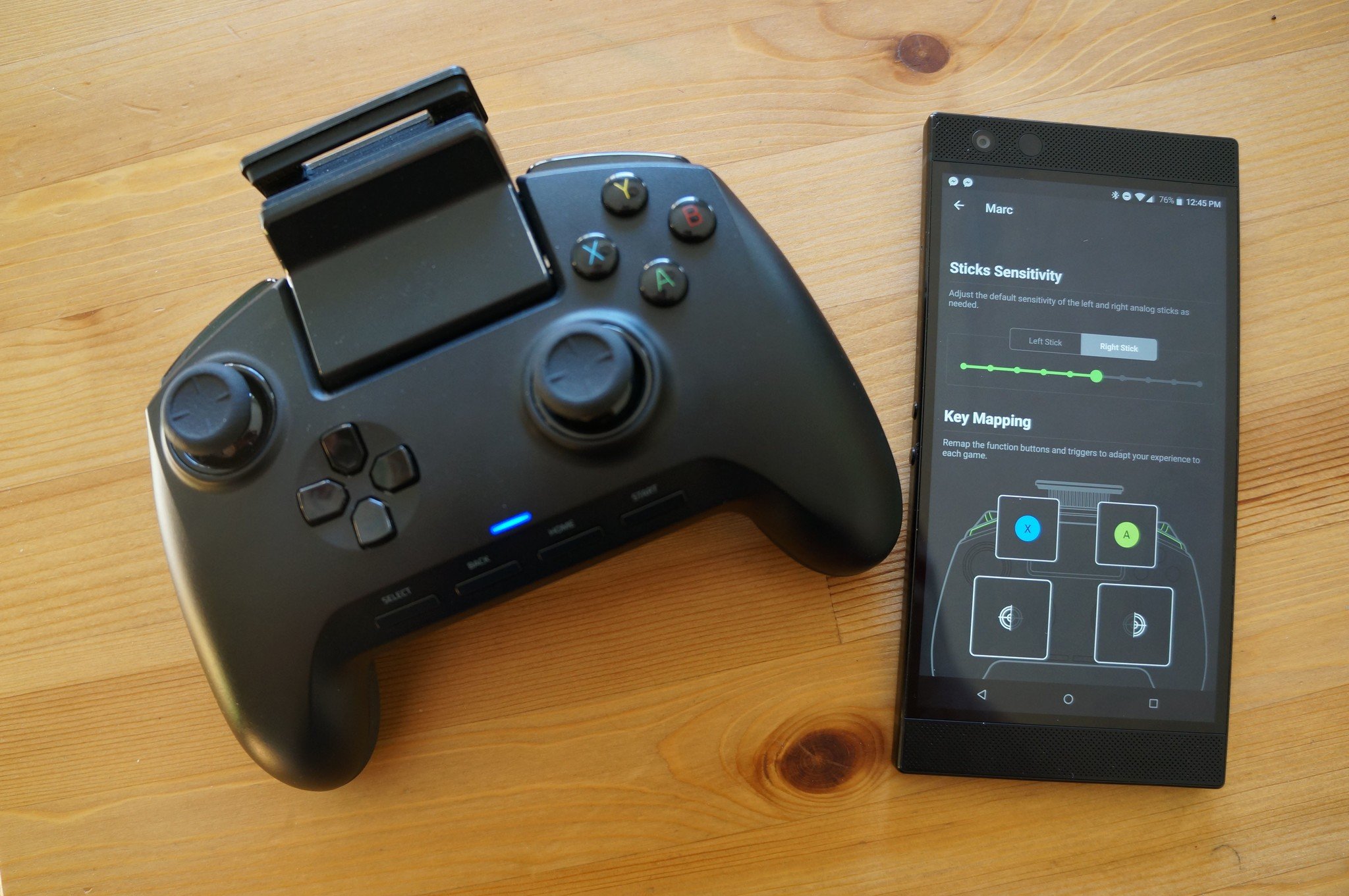
Razer Raiju Mobile Gaming Controller review: Get a grip

This is the Bluetooth controller dreams are made of.

Mobile game developers in general still seem somewhat hesitant to include proper support for Bluetooth controls. Sometimes it just doesn't work with the style of game, but then there are games that would play so much better and be more fun if you didn't have to fight against the often-problematic touchscreen controls.

Since entering the smartphone gaming industry with its first Razer Phone, Razer has been quietly raising the bar for mobile gaming. On the phone hardware side, they've been pushing for a faster and smoother gaming experience that can handle games running at their highest graphical settings, and the Raiju Mobile represents the company's first efforts to improve the way we control mobile games.

The best mobile gaming controller

Razer Raiju Mobile gaming controller

Raiju is an absolute delight for mobile gamers.

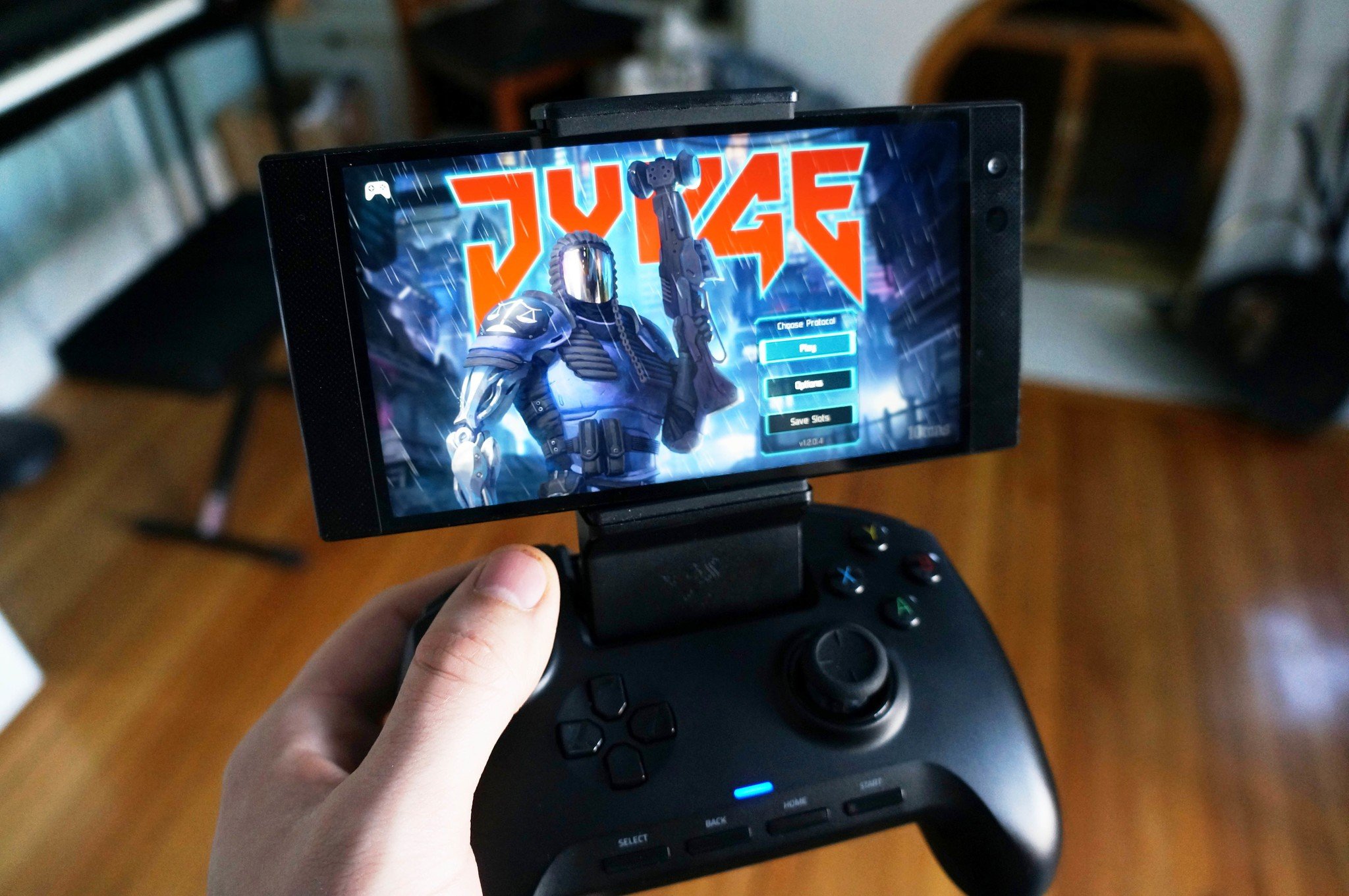
The Razer Raiju Mobile is the smartphone equivalent to Microsoft's Xbox Elite controller. It's a top-quality controller that lets you customize and tweak the button layout and input sensitivity just how you like it. It allows you to have two phones simultaneously paired to the controller with the option to switch between a Bluetooth or wired connection in seconds. It's super comfortable to hold and features a sturdy and adjustable mount for your smartphone.

$150 at Razer

Pros:

  • Well designed with a comfortable grip
  • Easy to pair and connects fast over Bluetooth
  • Includes hair-trigger locks for shorter travel
  • Comes with cables for wired connection and charging
  • Works flawlessly for any game or app that supports Bluetooth controls

Cons:

  • Can't custom map buttons for on-screen touch points
  • Phone grip blocks access to volume controls
  • You'll either love or hate the button clicks.

Razer Raiju Mobile gaming controller What I like

The Raiju Mobile controller simply rules. From the moment you first pick it up, you can instantly feel how comfortable it is to hold, with a solid weight to it that tell you it's built to last, and it's proven to be incredibly easy to set up and use during my time gaming with it.

Borrowing from the tried and tested design of the Xbox Elite controller, Razer has included pretty much every feature a savvy gamer wants to see in their gaming controller, including hair-trigger locks to shorten trigger travel, four multifunction buttons that can be remapped just how you like it, and a mobile app for creating different gamer profiles that let you save different thumbstick sensitivity and button mapping for specific players or games.

In terms of game compatibility, Razer offers a fairly comprehensive list of controller-compatible games on its website although I've found that not all games on the list actually work with Bluetooth. Widespread support for Bluetooth controllers is still lacking in the Google Play Store, but perhaps if products like the Razer Raiju take off more game developers will see the value in including support.

Beyond the Google Play titles that work really well with Bluetooth controls, I also tested the Raiju with some emulators and the Steam Link beta, and that's where I think the Raiju shines brightest — and it's also the direction I hope mobile gaming industry is headed.

Emulators in particular work really well with the Raiju, and the best ones will let you completely customize your controller input layout just how you want it. Mounting your phone to the controller and playing some of the classic games I enjoyed from my childhood is downright amazing. I wish companies like Sony that dabble in both the smartphone and console gaming industries would connect those dots and start porting over classic titles Android in the same vein as Sega. There's a market there, for sure, especially with accessories like the Raiju Mobile now available.

The Raiju Mobile is the most complete and featureful Bluetooth controller that I've ever tested.

I love how portable this controller is, and it includes a shortened USB-C cable for a hardwired connection for the times when you don't want to connect via Bluetooth. I haven't noticed any difference between the wired or wireless connections, which is great. If I travel more often, the Raiju Mobile would absolutely have a dedicated spot in my carry on luggage.

The mechanism for holding your phone is well designed, with metal reinforcement, and is adjustable up to 60 degrees so that you can hold it more naturally. As you'd expect, the controller works especially well with the flat edges of the Razer Phone 2, but you'll want to remap two of the multifunction buttons to control volume as those physical controls are likely to be blocked by the controller mount.

I love that you're able to pair two phones using the switch on the bottom of the phone, and I found it faster to pair my phone to the controller than it is to pair an Xbox controller to my Xbox One or any other Bluetooth device with a phone. It's an example of how the consistency of core features can improve the overall experience of using an accessory like this. It also means that if your phone and controller get disconnected somehow, it's lightning quick to pair back up and get right back into your game.

Razer Raiju Mobile gaming controller What I don't like

The biggest con the Razer Raiju is the price. In terms of build quality and value, it's comparable to an Xbox Elite controller, but it's probably easier for an Xbox One gamer to justify the Elite's cost given the huge collection of games available for Xbox. As it currently stands, you're going to either need to be heavy into emulation or a hardcore fan of specific Android game that supports Bluetooth controls to justify the price.

That's ultimately more of a knock on the Android game development community than anything wrong with the controller itself, but this is definitely the sort of accessory that you'll either use frequently or abandon to collect dust in a drawer somewhere.

The only feature I think is missing here is the ability to custom map buttons to areas on the screen for specific games.

The companion app for the Raiju Mobile is great, but I certainly expected there to be a way to configure the controller to work with more games in the same way we saw ASUS incorporate AirTrigger controls on the ROG Phone. In that instance, ASUS lets you map the AirTrigger input to a specific area on the screen, letting you tap the right edge of the phone to shoot and the left to jump or however you want to configure things.

Call me a fool, but I went into testing out the Raiju Mobile with the lofty expectations of a similar feature set for the whole controller — primarily the ability to map each button to a different area covering a virtual button in a game. I thought this would be the point of creating controller profiles, so that I could have a custom layout when I want to play PUBG Mobile and a different one set up for Guns of Boom. Sadly, you cannot do this and that leaves me feeling a bit underwhelmed having seen a similar feature built into the ASUS gaming phone. Not a dealbreaker by any stretch, but something that would be great to see included with an app update in the future if it's feasible, or something for Razer to consider for future mobile controllers.

The last thing worth noting is the click that accompanies nearly every button press on this controller. Some gamers are certain to love the tactile feedback the controller gives you but it's a divisive design decision that not everyone is going to love. I personally had no issues with the setup but if that constant click click click sound is the sort of thing that'll drive you batty you're not going to like it here.

Razer Raiju Mobile gaming controller Should you buy it?

Yes. The Razer Raiju Mobile is hands down the best Bluetooth controller for Android gaming, beating out the SteelSeries Stratus XL for its "elite" design and features, lightning-fast pairing over Bluetooth, and sturdy built-in phone holder.

4.5 out of 5

If you prefer mobile games that offer controller support, this is the controller you've been waiting for.

See at Razer

Selasa, 01 Januari 2019

LG G7 ThinQ all set to receive stable Android 9.0 Pie update

LG is kicking off 2019 by rolling out the Pie update to the G7 ThinQ.

LG rolled out an Android 9.0 Pie beta to G7 ThinQ owners in its home market, but there has been little news on when customers outside of Korea would receive the update. That changes today, as the manufacturer has detailed that the stable Pie update will commence rolling out globally from this week.

The OTA should start rolling out first to users in South Korea followed by global markets. The update will bring all the new additions in Pie as well as LG's own customizations. The G7 picked up a substantial update last month that delivered a host of fixes and the latest security patch, and the Pie rollout will undoubtedly be an added bonus.

There's no exact timeline as to when the update will start rolling out in global markets, but we'll let you know once we hear more. In the meantime, start hitting that update button if you're rocking the G7.

Leaked promo video shows off the Nokia 9 with five PureView cameras

The latest Nokia 9 leak reaffirms claims that the device will feature five cameras at the back.

The Nokia 9 flagship was rumored for much of last year, and while initial leaks suggested the device would make its debut in Q4 2018, that wasn't to be. HMD instead unveiled the $400 Nokia 8.1, but it looks like we may get to see the Nokia 9 this year. A leaked promo video gives us the clearest look yet at the device, which has five cameras at the back and the return of PureView branding.

The promo video touts vastly improved low-light shots with "incredible texture and detail" and the ability to take five simultaneous shots with all the rear sensors. Of course, PureView was one of Nokia's marquee features back during its Windows Phone days, with devices like the Lumia 1020 offering a 41MP sensor long before the likes of Huawei caught on. It'll be interesting to see what the Nokia 9 offers on this front.

As for the rest of the device, the promo video suggests we'll see a 5.99-inch QHD display with PureDisplay HDR10 tech — much like the Nokia 8.1 and the Nokia 7.1 but at a higher resolution — and the device will feature the Snapdragon 845 along with 6GB of RAM and 128GB of internal storage and Qi wireless charging.

HMD is also touting the addition of an in-display fingerprint solution, and like all Nokia devices, the Nokia 9 will run Android One with two guaranteed platform updates and Pie out of the box. The Nokia 9 is slated to make its debut sometime before the end of January, so we should know plenty more about the device shortly. In the meantime, what are your thoughts on the upcoming flagship?

Pump some sound in your ears with Audio-Technica's $59 ATH-M30x headphones

This deal is music to my ears.

Audio-Technica's ATH-M30x professional studio monitor headphones have matched the lowest price of the last year with a drop to $59. These headphones usually sell for around $69.

The ATH-M30x have 40mm drivers and use rare earth magnets and copper-clad aluminum wire voice coils. They have excellent mid range and a design that contours around your ears for sound isolation in loud environments. They are also collapsible to save space so you can travel with them or stick them in a drawer when not in use. They have 4.4 stars based on 1,344 reviews.

See on Amazon